May be not a gourmet chef but I love my simple sumptuous cooking with basic desi ingredients including aromatic native spices, and array of vegetables that are the natural bounty of this vast and varied Indian subcontinent. Any woman busy in her kitchen with pots and pans can swear by this October to March season dedicated to pursuers of culinary skills and interests ! This is the time when the fenugreek leaves (methi), coriander leaves ( dhania) and the mint leaves (pudhina) look lushest and greeny green without drooping or drying up! Nothing like coriander to garnish your dishes. That is one super Indian touch to curry. Methi is India’s magic food. Or one of India’s magic foods. Methi leaves are the evergreen crush of India! – we use methi in everything from parathas to dal and rice and curry. Even dried methi or fenugreek leaves (called Kasuri methi) are used in summer or off season for flavouring our dishes. Slightly bitter, with proper mixing, the methi can lend exceptional taste to our dishes. Methi leaves are my favourite, as my signature dishes include the methi-daal a top family favourite. Enjoying this season which is also the peak time for fresh green peas harvest. Also are there the double beans, the soya beans, the rajma, the butter beans – the entire beans family none of which you need to soak. Everything comes in pods that you can peel and stock up in freezer for the months to come. So that is what I do. Never buy frozen peas. For that matter I am that housewife who can afford fresh vegetables and need not have to live by the frozen groceries. The veggies are freshie fresh in India in these 5-6 months. In fact our roadside makeshift shops over pavement don’t even have refrigeration facilities. Our street vendors with push carts and some carrying the greens etc., on their heads on woven basket have it all the freshest. In Chennai I get the day’s plucking from that very morning brought door to door by street vendors in handle carts or baskets from surrounding villages in the range of 100-200 km. We get fresh desi A2 cow milk now patented by the US (with no native cows producing A2 milk) that even on refrigeration will spoil within a few hours. Many of us opt for this milk . Fruits in this climate are inviting as they never shrink or dry up! The cherries are here in purple and blood red. Best of it all is that, all are refrigeration free even in our warmer tropical country with mildest winters. The whole of India and why, even the entire world, may be blossoming so vibrantly with a variety of yields from trees, plants, creepers and climbers in this second half of the year. Of course the except may be the icy cold snow filled regions of earth. Fragrant flowers are in full bloom in monsoon countries. India is one super flower country. We have a stunning range of scented flowers from paneer rose to jasmine and hibiscus and oleander for pujas. May be Gods descend in these six months from October to March to Earth. Which is why the entire plant is resplendent with fusion of colours. The evening walks in parks will be pleasant. Here in middle east, the weather is just right crisp chill with sun kissing our skin warmly. Beautifully outdoorsy weather, just too perfect. Restaurants have outdoor seating in this part of the world unlike the colder Europe or America when summers see the patios filling up with guests for dinner.
*************************************************
METHI IS THE LOVE OF MY LIFE HAHAHA! Methi roti, Methi Aloo curry, Methi pulav, any Methi subji for me any day any time!
Decided to add Vendhaya Keerai (fenugreek dal) Paruppu recipe which is our family favourite. In my in-laws home when I was newly married, I was taken in by surprise by the curious kind of taste they had in veggies. Their recipes were different. I picked up my love for Vendhaya keerai from them that I didn’t capitalize on earlier during my Mylapore days where the markets used to have them in loads.
This following blog post of mine is originally dated Sep 27, 2012. Here we go.
Vendhaya Keerai Masiyal (fenugreek leaves-lentil mash) (methi-dal in hindi)
September 27, 2012

This is one of my tastiest dishes and most cooling and nutritious dish i must say. Most healing one too. Because if anyone has stomach ache or cramps due to body heat, we normally gulp a spoon of fenugreek seeds here with water that instantly reduces the body heat. Fenugreek leaves with lentils (methi-dal in hindi and vendhaya keerai masiyal in tamil) is a yummy way to keep cool always!
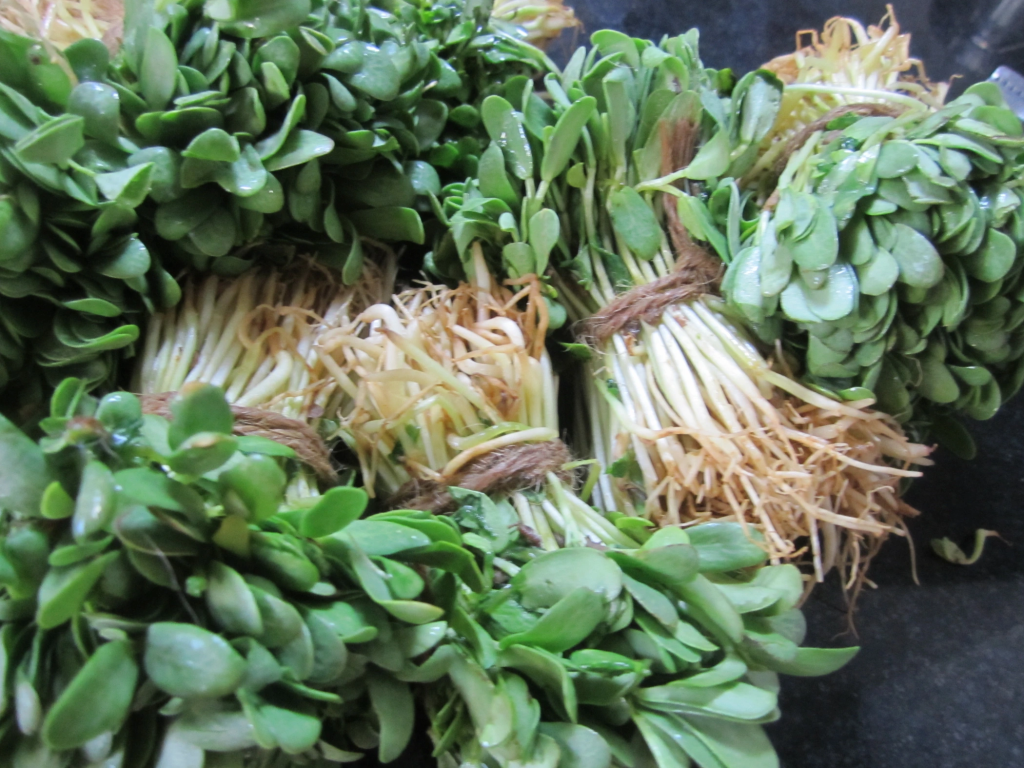
Ingredients: 6-8 small bunches of cut Methi leaves (small size) (see picture) (we can also sow the fenugreek seeds in a pot and water it daily and keep in the sun. In days we will have small sprouts of methi leaves at home that also can be made use of. i normally buy off store shelves or from a street spinach seller).
1/2 a measuring cup of tuar dal (lentils)
1 mid size onion
1 mid size tomato
1 green chili
4-5 garlic cloves
For garnishing: 1/2 tsp mustard seeds, 1/2 tsp cumin seeds, 1 dried red chili torn and de-seeded
a tsp of oil for sauteing.
a pinch of turmeric powder
salt to taste
water


Vendhaya Keerai Masiyal/Fenugreek leaves-lentil mash/methi-dal is ready to serve…
Method:
Wash and immerse 1/2 a cup tuar dal (lentils) in adequate water in a small pressure cooker. Chop the onion and tomato and add it to the tuar dal. Add the garlic flakes and the green chili. Sprinkle 1/2 tsp turmeric powder.
Cut the small bunches of fenugreek leaves (methi leaves) in a fine manner leaving out the soft stalks and taking out the leaves alone (with a bit of stalk otherwise). Methi leaves or fenugreek leaves carry lots of soil dust which need thorough rinsing. Rinse in 2 large bowls alternately and cleanse by hands atleast 4-5 times draining the soil-water everytime. Repeat the process for more number of times until you are satisfied that the leaves are maximum free of soil particles. (refer to the pictures)
Now add the washed fenugreek leaves to the dal and onion-tomato in the pressure cooker. Give 4-6 whistles to ensure that the dal and the leaves are cooked smooth. Wait for pressure release and open the cooker lid after ensuring its safe to open.
Take the cooked contents out. Pour the same into an earthen pot. Mash with a wooden masher to a fine thick consistency.
Transfer the mashed fenugreek leaves-lentil (methi-dal) (vendhaya keerai) into a bowl.
Garnishing: Heat a tsp of oil in a shallow pan. Add 1/2 tsps of mustard seeds, cumin seeds and a torn and de-seeded dried red chili. When the seeds splutter, take out and pour this into the mashed dal. Salt finally.
Now we have most nutritious and yummy Fenugreek leaves-lentil mash (Vendhaya Keerai masiyal in tamil and Methi-dal in hindi) to go with both rotis as subzi and with rice.
ABOUT FENUGREEK LEAVES:
This is readily available in small bunches (baby leaf bunches) in Chennai and in most parts of south India. In rest of India, methi leaves are available rarely as small baby bunches but like any regular greens.
Homegrowing fenugreek leaves is best option. Sow the fenugreek seeds in a pot and water it daily keeping it in direct sun. Within a week or two, you can see small fenugreek leaves/methi leaves sprouting up. Take care to pluck the small leaves delicately. This is the easiest way to get small baby fenugreek leaves.
(PS: Can also do the same dish using regular fenugreek leaves or bigger vendhaya keerai leaves/greens. the bitter taste associated with baby fenugreek leaves is totally absent with mature vendhaya keerai leaves/regular fenugreek leaves, but that does change the taste significantly.)
**************************
About Fenugreek seeds and Fenugreek leaves I want to add this now: Native to India, Methi or fenugreek holds an important place in Indian native medicine the Ayurveda. Food as therapy – this is the ancient Hindu wisdom.
I just googled and have this as copy-paste job on Methi leaves: #IndianCurry #methisuperfood
- Keeps Your Heart Fit.
- Controls Diabetes.
- Relief from Menstrual Cramps.
- A Good Brain Food.
- Prevention from Cancer.
- Good Gut Health.
- Helps in Weight Control.
- Methi Benefits for Hair.

 vijiravindran's