When Pak PM Shri Shahbaz Sharif went aghast that the inferno that the nation saw in last few days reminded him of the 1971 war (with India), there was perhaps a a ring of truth to his words. Pakistan is off bounds for average Indian citizen. Our inputs are from media. However in our recorded memory, this is the first time ever that the Pakistanis went up in arms against their much feared armed forces which was brave of them. Imran Khan, who was illegally stripped off his premier post for batting against their army, was let off by the Supreme court after his illegal arrest by the law enforcement/security. The incident incited violence in the major cities that saw smoke billowing out of raging fires from buildings set ablaze, including on one of an army commander. Pakistan army has been directly behind the wars with India (read: without a justifiable rationale) that cost the nation dear – including the last one at Kargil. Musharraf, Pakistan’s ex general turned self-styled president was single handedly responsible for the unnecessary and costly blunder that set the relationship between the two hostile neighbours behind by a couple of more precious years. It reflected to us Indians, the sheer irresponsibility and inefficacy of their army chiefs and their ruling power as the Nawaz Shariff government at the center watched helpless and fell in line with the overruling army general. It underscored for us one more time, WHO IS THE BOSS in Pakistan. Soon Sharif was exiled to Saudi and Benazir was assassinated. Has Pakistan had a single prime minister who retired gracefully and in peace with wisdom to offer to the next democratically elected top man taking over the mantle from him or her? History has shown that whoever takes the chair either gets exiled or assassinated or his/her term truncated. Imran Khan’s case was the last as he too left the term incomplete. The Pakistan public reaction to the jungle rule of their armed forces comes as a breather. Pakistan military are infamous for their relentless corruption. The quickest way to prosperity is through enrolment in their army, whereas in countries like India, a career in the barracks is frowned upon by the youth normally. Our government has to entice young men and women to consider a stint in our armed forces with attractive sops. Army connections win one business contracts and licences in Pakistan. Army is the be-all, do-all. The all powerful Pakistan army also is the wealthiest organization in their country not surprisingly. Their spy agency will put those like we have in India to shame. Such a network! Pakistan has some good points such as their spy agency, cricket, hockey, ghazal, mountaineering etc. Pakistan natural resources mostly remain untapped. A vast potential herein has been sold over the counter just-like-that to Chinese who have taken over the Gwadar port for access to the Arabian sea. Pakistan is reeling not only under IMF loans but also against a burgeoning Chinese credit that they have to pay through their teeth. Media attributes the lawlessness to Imran Khan in Pakistan but as Pakistan national currency hovered at 299 rupees against US$ last evening, it is palpable that the public unrest is also manifestation of a peaking frustration as the cost of living is no more under control in their country and hooliganism is only the natural outcome of mass paranoia of the countrymen fearing famine and hopelessness in near future. As Pakistan stares at bankruptcy, we Indians keep our fingers crossed and await developments. For a healthy Pakistan is in Indian interests.
Author: veeskitchen
Western standard is NOT gold standard.
It is not packaged milk fortified with artificial vitamins that is good. It is the cow’s milk or buffalo milk that directly reaches your home without pasteurization, still warm from the beast’s udder that is healthy and good. Indians/Hindus have access to the latter mostly. A peeled orange fruit can never be compared to chemical orange drink with added preservatives and colours.
It is not refrigerated vegetables that are good. Pre-cut veggies are worst. It is buying your groceries on everyday basis and NOT refrigerating them that is healthy. We Indians do the latter.
It is not the frozen meat that is hygienic. It is the fresh cut meat and poultry that Indians have access to that is healthy.
It is not packaged/pre-cooked/tinned/canned food with printed expiry date that you can reheat on oven that is good. It is the freshly prepared food in your own kitchen that is best. We Indians spend hours doing that everyday at home.
All our herbs and spices and nuts and millets make for wonderful feast. Bland pizzas are insipid and tasteless. Indian food makes for gourmet cuisines anywhere and everywhere.
It is not the toilet tissue paper you wipe your asses with that is ideal. It is the water wash with health faucet that is best and most hygienic practice and we Indians do just that. Not only are not we hurting the environment with printing tonnes and tonnes of tissue paper, we are also using water which is the best medium for cleaning any surface. Water is replenishable natural resource that gets topped up with the arrival of monsoon.
Soaking in bathtub may sound luxurious but it is rinsing under a running shower that is hygienic standard.
It is not bottled water that is bacteria free. It is the running water off the tap that is best.
Swimming pools and golf courses and grazing fields for beef cattle are the worst environmental hazards. Hindus are not consumers of beef the production of which drinks up most of the surface water and scrapes earth of its greenery.
It is not sedan that is comfort. It is walking or cycling that is good.
It is not the air-conditioner that is healthy, it is rather the room temperature.
It is not the makeup that is cool, it is the natural way you look that is uber cool.
Eating with forks and spoons are not marks of sophistication or that of a civilized society. It is eating with hands that speaks of the human-food holistic connection. Eating is a spiritual experience for Hindus.
You don’t have to hit the gym at all if you are a practitioner of Hatha Yoga. When you have nothing to call your own, gym will become your refuge.
We even have the Hindu martial arts. We don’t have to take up karate or taekwondo.
It is not brands that are great. It is the ethnic weaves and motifs that I wear as an Indian so proudly that are the best clothes to wear. Our clothes represent our culture, history, heritage. I am wearing my India on my sleeve for the whole world to see.
It is not the synthetic fibre that is fashion. It is natural yarn cotton and silk that I drape myself with that are most environment friendly.
If you are hooked on to western music or western soap as an Asian/African or anyone, it means you don’t have native/desi/local talent. There is a big void – you don’t have authentic pedigree culture. You have not enough of creativity.
If you are watching only the Hollywood pictures, then again your local talent pool sucks. You don’t have ingenuity to produce even quality entertainment.
If you do not have local classical music or dance or art or literature scene, it means you are rootless. You lack imagination. You are forced to appreciate the foreign stuff for you have no alternative.
Anglicization is not culture. It is wearing a bindi in crowded New York or in Arab soil that is culture. Now that is some identity. English language has given me its share of advantages but it shall never become my Thamizh or Sanskrit or Hindi. Thamizh and Sanskrit are older than Latin and are still around. That is the antiquity of my Hindu culture.
Westernization does not make you superior to anyone. In fact it renders the opposite. It makes you a worthless duplicate.
Duplicates galore: a smatter of English words, two or three short reels from western soaps and metal/hard rock do not make anyone cultured or civilized. In fact it looks pathetic on you. A cheap imitation.
If you are Asian/African but are always clothed in western trousers and shirts, it means you have nothing original. You are a copycat who has no sense of self respect or self esteem.
If you are following Christianity or Islam, it means even your Gods were imported or thrust upon you by your barbarian invaders who destroyed your roots and rendered you bastards. I am a Hindu, a pedigree, a non convert, an original. Don’t try to talk me down. A Hindu is a Hindu is a Hindu.
We in India know what we are doing. We Hindus know what we are made of. Wherever we go, we add value to that society. We don’t tear up our adopted homelands with violent terrorism. Hindu Dharma is not here as the one and only longest surviving civilization for over ten thousand years without a break for nothing.
We in India appreciate foreign culture but we never forget what we are made of. We know our value. We know of our authenticity and pedigree. Proud Hindu anyday. We never robbed nations. The muslims and chrisitians did that for survival. We nurture wildlife and rivers and flora and fauna. We worship nature. We have not survived to this day with the sword. We usher in peace and wisdom wherever we go. SANATHANA DHARMA (HINDUISM) is a way of life. Not a violent cult that sprang up with a self appointed nomadic ‘son of god’ or ‘prophet.’ We Hindus have no founders, no founding date. That must tell you something.
Proudly brown. Happily dusky. I am Indian. I am Hindu. I am my natural self. I don’t have to pander to your definitions of beauty or class. I have both, much more than you can ever dream of. I am me. I don’t become your definition of me. In fact you smack of intense jealousy if you are preoccupied with me. Because I couldn’t care less about you. As I tan walking around the vast ancient temples of ours, my heart swells with pride. I belong. I have roots, unshakable roots. I therefore am.
India shall live to eternity and shall remain eternally Hindu. Brook no nonsense fellow Hindus. Rub commonsense into the cowards. Tell them, show them what is genuine, what is fake. Throw their rubbish to where it belongs: in the garbage bin of their closed minds.
When someone looked at my cotton washable handkerchief with disbelief having been born out of the ’tissue’ culture, I could see what the world has come to. The fakes have taken over the world. The bottled water, the canned milk, the frozen food, the tinned fruit pulp, the tissue for wiping your bum, the disposable nappies rather than cloth nappies – now all these are more appreciated and thought of to be better and hygienic substitutes to the naturals. The way we convince ourselves that the fakes are the best is what is more troubling. For we can awaken a sleeping man but not someone who pretends to be asleep.
****************
Why is India still under-developed, over populated and not anywhere near China.
You have to live in the Hindu society to learn why India is backward. It s never the bhogic life for us like the Americans. Our philosophy is Yogic, which means we spend hours in temples, puja, meditation etc – none of which the Chinese do whose only aspiration is materialistic.
This country has been lived on for tens of thousands of years as we are home to stunning range of flora and fauna, wildlife, rivers, mountains, plains, valleys, sea coasts etc., that India was one of the chief cradles of human civilization. The temples I visit each are over an acre easily, and some thousand, two thousand years old. That is our antiquity. Some streets are here for hundreds of years. Ideal geo climatic for centuries that has turned worse in recent years only thanks to global warming, the land of gold and diamonds, agrarian primarily where an array of arts and crafts were nourished by the kings, it is no wonder that India accounts for a sixth of world human population.
But then, are we asking anyone to feed us. We export rice, wheat, fruits, nuts, spices after FEEDING ONE POINT THREE BILLION MOUTHS here. Which is something. Critics of India must check whether they can just manage that simple feat.

Under Threat: Bitra: Floating Marine Reserve, India.
Ref: How the Bitra Floating Marine Reserve was born – by Rohan Arthur and T R Shankar Raman , from ‘At the feet of living things’ -edited by Aparajitta Datta
Always amazed by fish spawning frenzy spotlighted by underwater videos that we come across in Animal Planet etc. Never knew it had a scientific name: FSA (Fish Spawning aggregation). What is more surprising is learning that India has a Floating Marine Reserve (among a handful) at Bitra, Lakshadweep group of Islands falling under the Union Territory, off Kerala coast, in the Arabian sea.

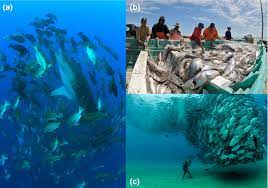
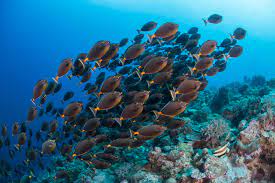
Some of the books I have read on the wildlife in India were authored by wildlife research aspirants who were gathering material and evidence for their doctorate. The Bitra Reserve apparently was born thanks to the efforts of two such ambitious and enthusiastic PhD candidates of Fisheries who had chosen Bitra for their studies. I am blogging this from a series of essays on Indian wildlife conservation efforts in about a quarter century until the 1990s. Some articles lie outside the purview of the scope of the book obviously, because the Bitra scene is from very recent. One of the group of islands of the Lakshadweep archipelago, Bitra is an impoverished fishing island where naturally fishing continues to be the way of life. The two researchers Rohan Arthur and T S Shankar Raman venture into this sleepy fishing center and stumble upon the FSA off the reefs of Bitra sea. They discover in the year close to 2012 that there is the FSA (fish spawning aggregation) ritual happening under sea near the reef where the square tails aggregated in tens of thousands to spawn their litter. A rare event in Indian territory, the Fisheries guys congregate with the locals and take steps to preserve the FSA from damages of fishing.
Seriously I wish they hadn’t tabled their findings! In a bid to submit their papers for their diplomas, they have given away the precious info to the locals that they seem to exploit for commercial gains. The earliest boost for their venture was the kudos that came from the Fisheries department itself that went against their grain. The department seconding to save fish is anathema to their founding principles and motto. No wonder, the plans fell flat in their face as the local fishermen refused to comply with the restrictions and started fishing vigorously in the delicately balanced marine eco system with the mother boats that made a killing catch every season of spawning (around new moon day a particular time of the year). Thus in matter of ten years the FSA fish count has dropped by over 90% . Human greed knows no bounds. Educating the local fishermen, bringing the awareness is a slow process but can work in the long run. Hopefully by the time realization dawns, there are still square tails left out in the Arabian sea/Indian ocean to make it to the Bitra reef for their annual appointed FSA.
Will the center look in and do something decisive about the protection of the Bitra reef and FSA therein? #narendramodi
I am banking on our Prime Minister Shri Narendra Modi ji on saving the floating marine reserve at Bitra and the annual FSA, saving the square tail and other fish species from extinction in near future. FSA is way of nature. We shall be making or breaking the natural cycle in Bitra shortly as frenzied fishing activity near the reef can drive the fish away from the FSA pool which for some evolutionary/geographic/scientific reason has been natural selection for the fish species since ages.
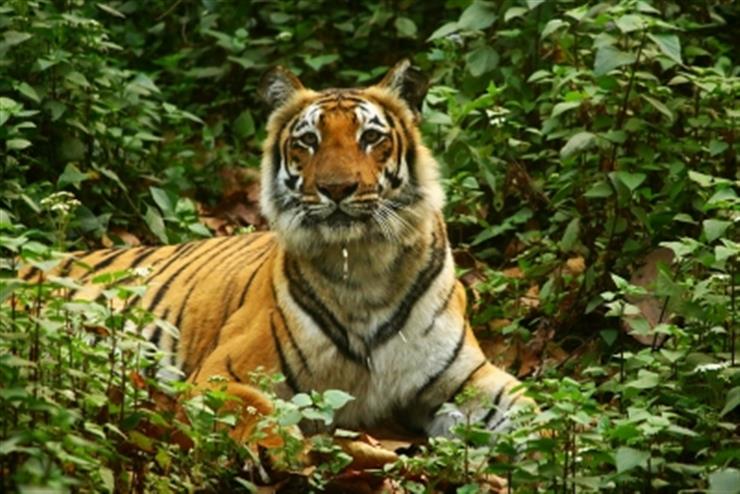
India doubles her Tiger population.
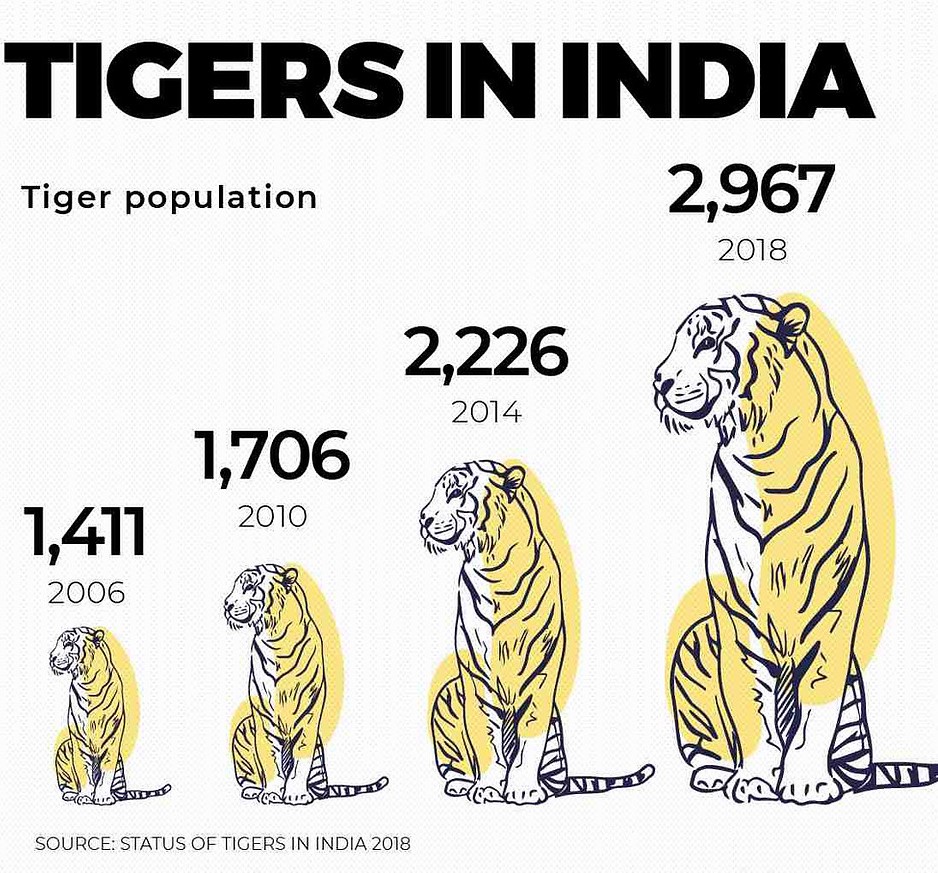
India Tiger Count tops 3000. Now pegged at 3167 as per latest census .
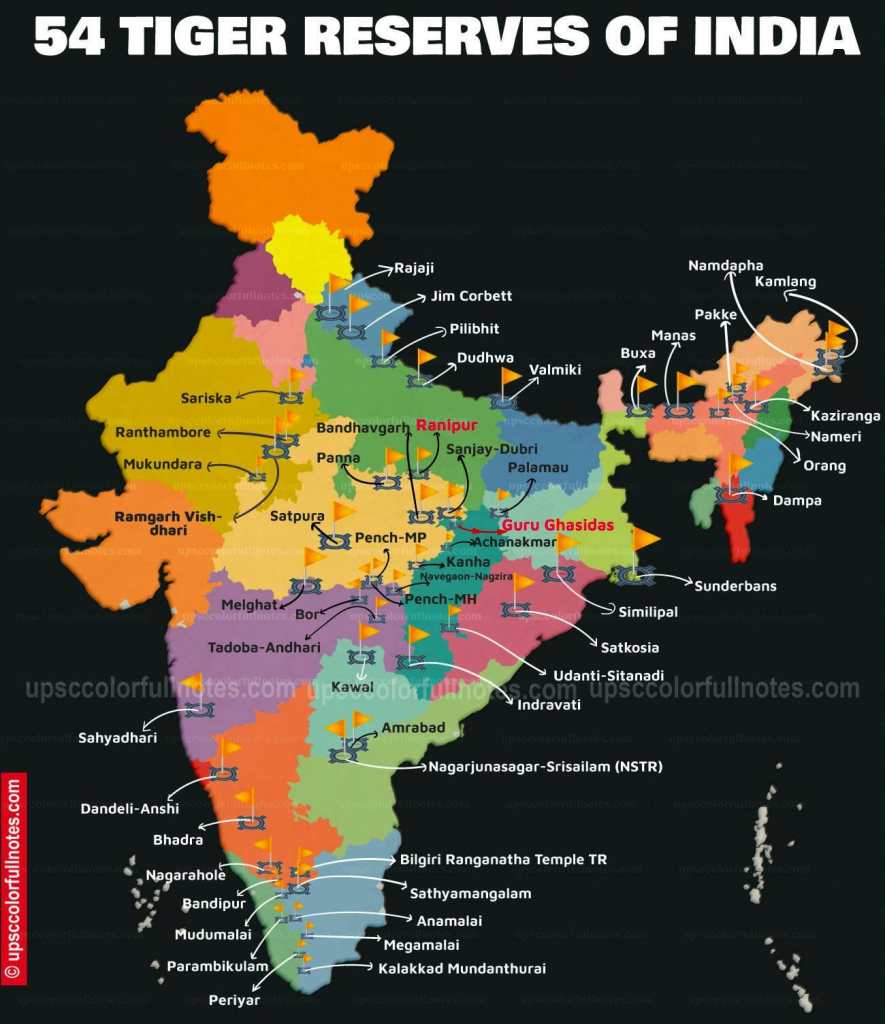
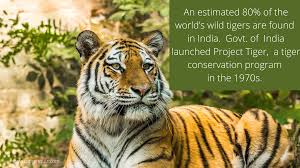
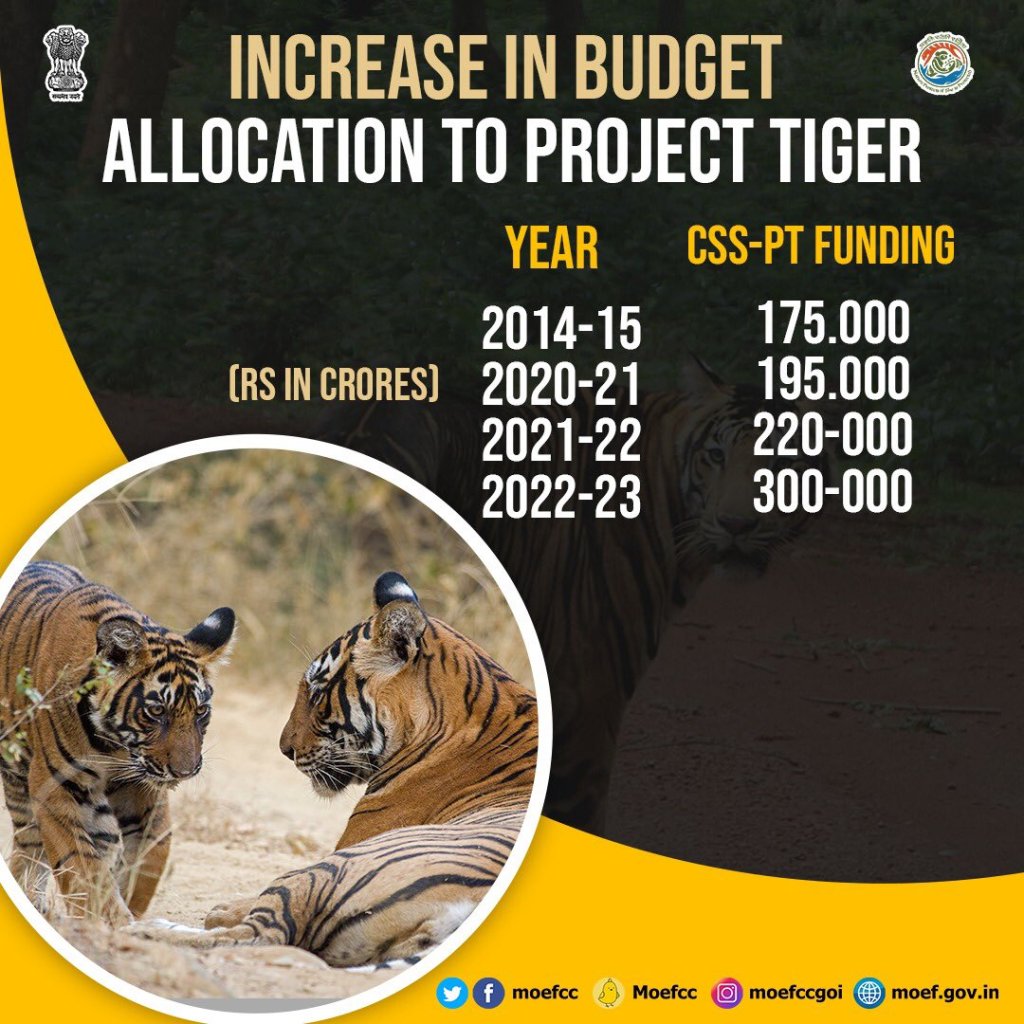
As we celebrate 50 years of Project Tiger in India that was rolled into motion way back in 1973 for conservation of Tiger the national animal, it emerges that India has recorded a doubling of the Tiger population since 2010. The thirteen tiger countries of the world met at St Petersburg in Russia at an international tiger conservation forum, the Global Tiger Summit where it was decided to boost tiger breeding doubling their count in the next twelve years by 2022. India achieved the target well within time. India accounts for 70% of the tiger count in entire world. Bengal Tigers and tigers from across India have seen a surge in headcount in the various wildlife reserves and sanctuaries spread around the country. India is also home to the native (Gir) Lions, (Indian/Asian) Elephants and a stunning array of wildlife – both flora and fauna. To those who ask why is our population 1.3 billion, this is the reason. For millennia we had the ideal weather conditions that nurtured both human race and the wildlife that helped them breed and thrive healthy and happy in this part of the world. As man and beast jostle for space in this cramped peninsular subcontinent of ours in modern times, conservation efforts are proving to be an increasingly tougher job. A highly bio-diversified country, India boasts of both the snow peaks of the Himalayas as well as the Thar deserts; the serene beaches of the south; the mangroves; the biosphere of the Nilgiris or the western ghats that are home to widest range of avian population in their rainforests as well as exotic fauna such as the sandalwood trees; the eastern jungles recording highest rainfall in the world per year. The elephant corridors and the tiger corridors of this country have been here for thousands of years, from long before recorded human history. Only in recent times they have cut short or taken over by human greed. As our prime minister visited Bandipur sanctuary in Karnataka from where he drove into Mudumalai wildlife sanctuary in Tamil Nadu right through the forests in recognition of the golden jubilee year of Project Tiger, the nation celebrates the big cats of the country with enthusiasm and vigour. Last year saw the re-introduction of Cheetah in India, brought in from Namibia. The native cheetahs of India were hunted down to extinction by the British (who are behind the extinction of many species of wild life) alongside the erstwhile royals of India.The nation mourning the loss of life of one precious fertile female cheetah was compensated with the arrival of four healthy cubs from a cheetah mom late last week.

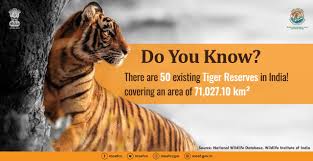
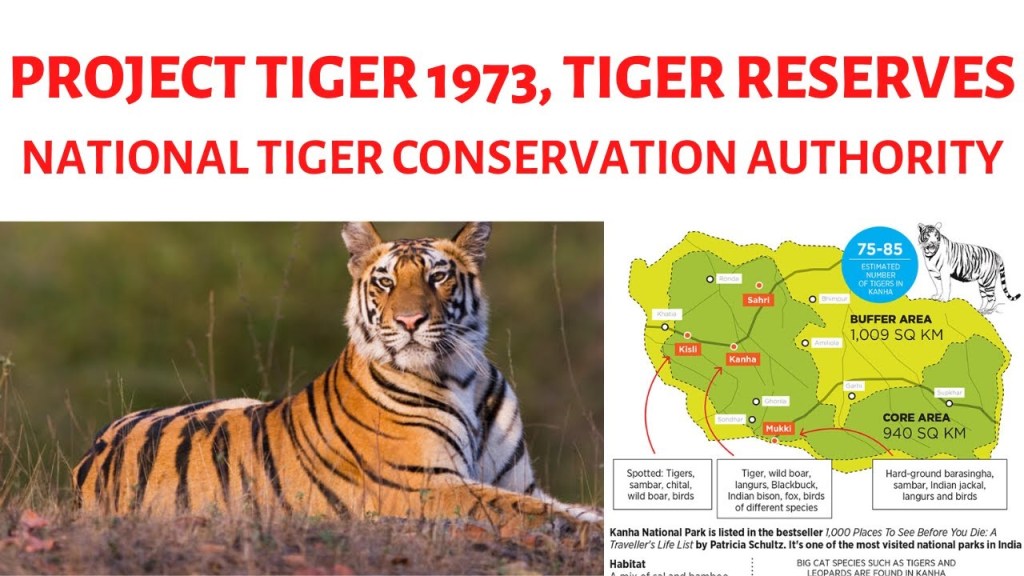

The Tiger countries of the world: Bangladesh, Bhutan, Cambodia (locally extinct), China, India, Indonesia, Lao PDR (locally extinct), Malaysia, Myanmar, Nepal, Russia, Thailand, and Viet Nam (locally extinct).

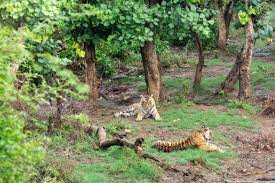
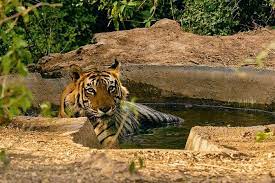
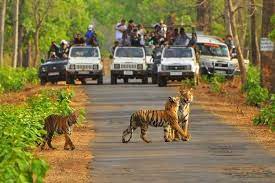
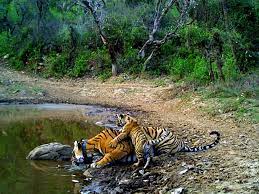
Rounding off with some adorable shots from the Tiger reserves of India. The disturbing image is that of the tourists, but then the tourists pay for the tiger conservation efforts.

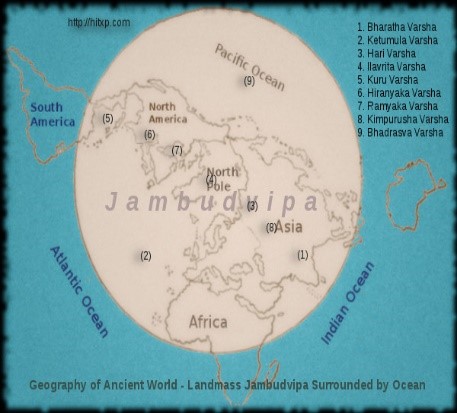
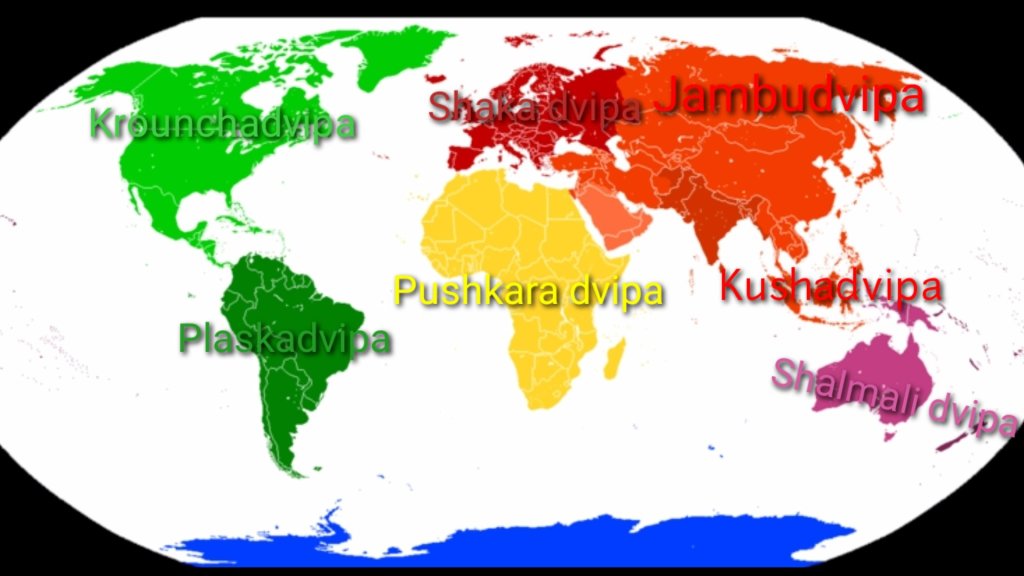
Jambudweepe, Dakshina Parve, Bharatha Khande, Bharath Varshe
One more historical evidence from Hindu prayers and Puja rituals. Most of us are familiar with the Sankalp(am) we have to perform before starting a Puja or Homam (a ritual with the holy fire) or before going for an Archana (customized service-like) for the Hindu deities wherein we have to mention the place (our location), time, names of the devotees with their birth stars as per Hindu calendar. Until today we mention the place as Jambudweep (the large continent which was once an island landmass), followed by Dakshina Parv (south face) (southern part of the Jambudweepa), Bharath Khand (Greater India), Bharatha Varsha (Indian subcontinent). (The pundit/purohit invokes the deities with details usually on our behalf. In home pujas we invoke the deities with the minute details by ourselves). (This means we are summoning the deities of Puja to that particular geographical spot personally. Our identity or address is the geotag with our name, birthstar, Kula/Gotra (family/clan/lineage) specifics. The Jambudweep is the landmass that was once surrounded by water. It can be now comprising the entire Eurasia. Dakshina Parv refers to the southernmost part of the continental shelf. Bharath Khande is the Greater Bharat or Akhaand Bharat comprising of present day India, Pakistan, Afghanistan and even parts of erstwhile Soviet Union such as Tashkent (Takshashila), parts of Azerbaijan etc. Hindu Dharma was prevalent in Baku of today. There are Sanskrit inscriptions preserved. The old Sankalp that we have not edit to current times must be from primordial times.This was a time when the tectonic plates had not yet had the head-on collision, exactly where there was once the Tethys sea which later on was replaced by the mighty Himalayas, the newest mountain range in the geography and history of Planet Earth. Interestingly all our prayers OMIT the Himalaya region but mention the Jambudweep as a separate island entity (Dweep in Sanskrit means ‘island.’ (We have until today the Lakshadweep (a lakh or million islands – an archipelago) which is a union territory of India (in the Arabian sea near the coast of Kerala)). The name for the country is Bharat, after Bharatha, who comes in the lineage of Lord Rama. For millions of years, India has thus gone by the name Bharath. Bharat is the original name of India, not Hindustan which was the name given by the Persians. India presently goes by Her name given by the Europeans. I for one thing never paid attention to these details even though we go through these motions in most of our rituals. We blindly recite the sankalp hardly paying any attention. For our weddings and other muhurats (auspicious timings for occasions like nuptials, pujas etc.,) we strictly follow the Hindu calendar in India. Our stock exchanges open and close annual accounts on the Hindu new year day which is the Amavashya (new moon day) of Diwali. In Tamil Nadu we adhere to the Tamil Hindu calendar. Our new year is just around the corner April 14th and this is the day Bangla, Punjabi, all of South, Behari, and even most of South East Asia including Bali/Indonesia, Thailand etc., celebrate their new year. The sankalp mention of Jambudweep, Dakshina Parva, Bharatha Khand/Bharat Varsha succinctly omitting Himalaya region is an indicator to the rituals observed in another plane of time, perhaps preceding even the times of Ramayana and Mahabharatha. River Saraswathi discovered deep down earth’s crust buried in a supposed catastrophe that changed our planet’s geography forever is another indication that there was a robust Hindu civilization far advanced in different dimensions preceding the current human evolution. It is possible that we merely picked up the pieces left over our ancestors to start again from the remnant of an old world. I have always felt this when reading the Sundara Khanda of Ramayana where there are details of the chariot of Ravana, the king of Sri Lanka that went by the name ‘Pushpaka vimana.’ Didn’t Ravana play Veena which is still the revered ancient/contemporary/native stringed musical instrument for Hindus. Then there are the surface to surface, surface to air, air to air missiles mentioned in the Mahabharat and even in Ramayan. These disjoint proofs pointing to another plane of time, another world are available in Hindu texts/scriptures that cannot be from the recent history of the human race. Unfortunately they cannot be cohesively or entirely interpreted without scientific backing. Interesting that I got to listen to this piece of information from a lecture on Soundarya Lahari, composed by BhagawadPada-Adi Shankara in the 7th century CE. Sadly as this is Hindu history, no research may follow or even encouraged, because the Abrahamics are always bent upon disproving anything with Hindu origins. Lately there is a changed mindset wanting to know what is what, with an element of curiosity about assembling the jigsaw puzzle for a better understanding about human ancestry and evolution. This is why we need to study our scriptures in depth: they throw valuable information in every single verse. Ancient Hindu scriptures are a repository of knowledge and info that can shed light into the mindset, prevailing culture and civilization of human race that is not recorded history. The galaxy did not come into existence from the birth of Christ. Most Hindu customs and even everyday rituals must be contemplated for their purpose and antiquity. Some excavations shall never be carried out. Some exhibits shall never be tabled. Some truths shall lay buried and never be discovered. Besides, you can never relate to the lost world with the threads of evidences you unearth here are there. The vital connection is severed by time and space.
Review: Queen’s Gambit
Every Chess aficionado’s dream: something like the Queen’s Gambit, limited series on OTG platform. Glued to it literally. Almost believed its a true story but did wonder why I could not place Elizabeth Harmon anywhere from my memory like the way I could Bobby Fischer. Or for that matter the Polkar sisters. Fischer was living memory, that much I can vouch for. Not that I am a player with strategy, more of a rookie who has now digressed to clumsy lows, out of practice. My online rating has dipped to dismal stat, not to speak of! Chess, at least the speed chess that we play in the 10 minute format online, banks on reflex. If you don’t have the lightening reflex, you may not make it. That way the timed format in Chess to me appears like any other game where the player’s reflex must be sharp. Even if Queen’s gambit is based on a novel by one Walter Tevis, from way back in 1983, it made for a super series that kept me on my toes. Not that I could follow each and every move, Most the games are pictured dramatic but one or two moves here and there were graspable. I guess most of us open with the queen’s gambit as I have seen the description every time I make it. How a chess player winds her way up the ladder to top slot is amazing. The gender equation is also nicely fitted in. As we know India produces her share of women grandmasters in Chess. The interest is even more spiked after we hosted the Chess Olympiad very recently in my hometown Chennai, a rare honour. My city has also produced three times world champion in Chess, V Anand who beat Garry Kasparov. But the way chess is followed like a religion in Russia is flabbergasting. Chess originated in India and was the game of the royals (Hindu kings) (at least they were good at vanquishing the enemy kings in checkered board!). The character who played Beth Harmon is Anna Joy. She has done a marvelous job keeping her poise and holding her head high. She looks intelligent enough and doesn’t look a bimbo! The male chess players remarkably seem to lack the masculine build we credit with athletic sport players. What is the point they are making here? Kudos to the director who made Beth win the one against the Russian GM without having to pop up the pills. Beth comes across as quite a character. She is mentally strong, living on her own, is independent and is shyly fun loving keeping with her personality. I got emotional watching the final she played with Borgov when the former US champions she bet to reach the spot where she was, gang up on phone to give her last minute tips. That overseas call was a good directorial touch and so was the closing scene when Beth walks in the streets of Moscow to play with the sidewalk retired chess players who give her a standing ovation. That mother Alma’s character! Alma adopts Beth and showers unconditional love on her which goes a long way in establishing Beth’s career as a professional chess player. For a chess player, Beth dresses up class keeping with contemporary times. Those upturned blonde curls remind one of Marlyn Munro. Trend of the 60s? One more character worth mentioning: Shaibel who initiates Beth into the world of chess. Its a well made series, slick and period.
Incidentally the first woman chess grandmaster from India goes by the name S. Vijayalakshmi! (She is not listed. Must be international master). The second is Koneru Hampi who is still playing (listed as first woman grandmaster from India).. India has so far produced 81 grandmasters at world level and comes after Russia and the US. The lion’s share of maximum no. of ranked chess players comes from my home state Tamil Nadu! Proud of the feat! In total 124 international masters from India with some 42 woman international masters. The picture made me google for the India story! The world no.1 Magnus Carlsen was in Chennai in connection with the world chess championships that we recently hosted. The event drew crowds and was spectacular.
The organic nature of the Organic is chemical :D
The organic nature of the Organic is chemical hehehe (read this Nityananda stye 😀 )
I have something to prove it.
Not at all a makeup or cosmetic person. Only sun protection (SPF) cream for me or good old ‘fair & lovely’ (now renamed ‘glow & lovely’) for evenings out. At home its moisturizer with mild SPF. Rare vitamin C applications that I started last year along with under eye cream. This is my maintenance routine but my main skin care essential is desi coconut oil. I do switch between olive oil, argan oil and coconut oil in the Middle east because in winters sometimes coconut oil gets frozen. Anyday I prefer body oils to chemicals.
The one brand I have always favoured has been Bodyshop. Indian chain is not good enough. I get mine from Middle east. Although against age defying formula, I have loved their vitamin C and Drops of life. I use their body butters and scrubs and shampoos. Expensive but that is one luxury I have allowed myself over years over salon visits. In India i have no use for any of these as my skin returns to normal self. In middle east in ten days on landing I tan maximum and my skin dries out. Its like I am two different persons : one in middle east and one in India. We have extreme weather in middle east with summers soaring to 55 c and winters chilling to 4 c both of which impact adversely my skin. Whereas India is a beautiful pH balanced country that asks for zero maintenance. In India, my night balm is also the natural Kumkumadi Lepam that in my teens I used to get from Lalitha pharmacy (ayurvedic). Now with improvisations it is available nonsticky.
Last year I got this body scrub from Bodyshop. I prefer Bodyshop because they claim to be maximum organic (even they admit they can’t be 100% organic). Upto 75-80% they claim that their products contain natural ingredients. Theirs are plant based and are not lab tested on animals which is very important for me. For longer shelf life, naturally the preserving chemicals and additives and colours need to be blended in. Understandable. A high price also I thought perhaps meant the quality assured. The body scrub that I use for my hands and foot once a week, I put away with lid open before I left for India. I thought leaving the lid open might remind me to use it once more the next day before taking the flight out and that way I could avoid paying for a pedicure in a salon in Chennai! Later I remembered not closing the jar with the lid but made a mental note to remind my hubby about it. Then blissfully I forgot everything as you know, India consumes you totally!
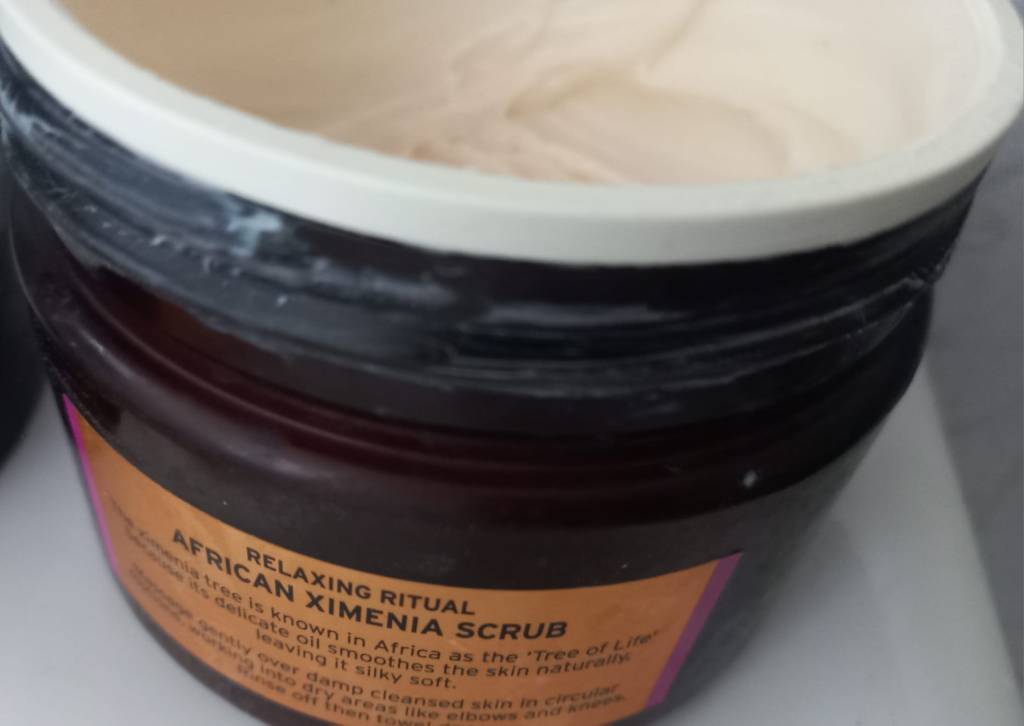
My break in India got extended and I ended up spending three months June, July, August before returning to Doha by September. The first thing I noticed in the bath on my return was that, the cleaner who my hubby engaged once in 15 days to tidy up our place in my absence, had washed clean the bathrooms flooding the still open jar in the bathtub nook. Nobody bothered to replace the lid. I rued the loss of an expensive scrub. Even before unpacking I drained the standing water from the jar. God knows how long it remained that way. Beneath I found that the scrub layer holding good. Surprised that I found no fungus, i still took out the top layer and the sides and wiped clean the jar. I left the dry jar open for again a week. The scrub smelt heavenly after all the contamination and was usable that shocked me. I skimmed out one more layer from atop to rule out any seeping adulteration. None. Nothing. The bodyscrub held the forte solid and firm! Left the jar open more for a couple of days. Then everything was fine and settled. I could use the contents of the jar once again. The bodyscrub was as good as new. That if you think made me happy, you can’t get more out of focus. That actually made me think and I dropped Bodyshop from my list of shopping.
Our Indian Ayurvedic products easily get moldy with fungus even before the expiry date – which means, the ingredients still are natural. Products from India do not have an extended shelf life like those we shop for in dutyfree shops. Every big brand or designer brand is oozing chemical. You check Bodyshop: shelf life is three to four years on average. The more French/Italian your beauty routine is, the more you pack your skin with advanced complex chemical compounds. This is the truth. I shopped for Bodyshop because their products were mostly paraben free.
Some of these foreign brands capitalize on the organic label. Some sell for their European origin. Tell me what kind of body scrub won’t go foul with 3 month standing dirty water in it. Now whenever I use the scrub I wonder what are all chemicals I am rubbing into my skin. Nothing comes chemical free. I am wary of even olive oil and argan oil that emanate a mild scent. Only India seems to be producing virgin coconut oil besides others. How far the manufacturer/supplier is keeping his words, we are not sure. But virgin coconut oil smells good thought i can’t rule out paraffin addition.
As I live between countries, I am unable to stick with just the Indian Ayurvedic. I am forced to go for longer shelf life skincare. But one thing I consciously opted out of is: anti ageing. Just read the constituent chemical next time you go for an anti ageing skin routine. Too complex that scares me. Now with the last batch of last year’s skincare. Next time in India, I shall try to top up with desi Ayurvedic.
The other day I was picking oranges from a supermarket. Oranges are mostly from Pakistan or Morocco or Spain or Australia and rarely from India. The loose jackets that we call Kamala in India are the only locals I have come across. Seeded. No takers for our Kamala sad! The more expensive the oranges are, the seedless they come, and sweeter. The cheapest oranges are from Pakistan that come a bit sourer but are the only ones that still come with seeds. Its not for their price I buy them. Its for their not tampering with nature, i get them. Nothing saddens me than filling my grocery baskets with seedless grapes, seedless oranges, seedless this, seedless that. Only one fruit is not yet seedless in our bazars: the mango! And the day when we have a seedless mango will be the day of reckoning for entire humanity. One thing I would like to underscore: the seeded naturals don’t come very delicious like the seedless sweet tender fruits. Some seedless oranges are indeed organic!
Note: Get the difference between de-seeded and seedless. Dates can come deseeded.
What about pasteurized milk. In India milk without added vitamins etc., won’t last for more than 12-18 hours even with refrigeration whereas even in dry heat conditions of Middle east, pasteurized milk can last for days, even weeks. Fruits and vegetables too rot fast even if refrigerated, whereas they can stay fresh with refrigeration for weeks in advanced countries. One reason could be the power supply which may be at times erratic in India. The other chief factor could be the absence of strong preservatives in Indian pasteurization.
You know sometimes, decay is good. Daag achcha hai! Rotting is a blessing. Death is a blessing. It means everything is normal, natural the way things ought to be.
Digitalization drive: transforming rural India like never before.
Time to take stock of UPI payments enabled in India. This came close on the heels of demonetization. Paperless transactions may never have amounted to this magnitude in days before demonetization. It was quick and easy for petty shopkeepers and even street hawkers to seamlessly switch over to UPI payments because, even the villagers and rural artisans who have not have received elementary education have turned out to be tech savvy today when it comes to smart phones and can follow maps and keep track of bill payments etc. Digitalization therefore materialized in India more out of necessity as the nation ran out of cash overnight with demonetization. Recently I was in Kerala. As we thronged the streets of Guruvayur, I and my friend found that we did not carry enough cash and our cards were not being accepted anywhere. We were not exactly shopping for big brands whose franchisees had opened posh showrooms or chains in the backstreets. The petty shops, arguably, may not have impressive volumes of turnover. We shopped for papads, nendram (a kind of banana) chips (deepfried in coconut oil) (that Kerala is famous for), lamps, sweets etc. Our bills in the snacks shops couldn’t have exceeded 200-300 bucks. The shopowners too were not the kind to wait for credit card payments settlements. As we know, the credit cards have a window of 3 months for final bill honour and settlement from merchant banks. Running cash remains crucial for small businesses. Plus since I have a phone from Middle east where some features in Playstore are disabled, I do not have Gpay. I have though downloaded desi Phonepe that the shopowners did not have even if they did have the universal payment method Gpay. In which case I had to scan the QR code and make instant payment. The places were not as crowded as the fastfoods in Mumbai that may necessitate speaker announcements for payments received. But the billing clerk and the salesmen did verify and confirm with each other on the spot in the shops in the Guruvayurvappan temple Sannadhi street whether payments were received. Before anyone left the shop,t the verifications were done superfast. These are small things that do not come packaged with qr codes printed in the merchandise to emit the beep sound if someone left with a stolen item. The shopowners needed to be super alert given that the chips packets, pickles and other nibbles and edibles were displayed right through the small shop and were also hanging from roof in suspenders. It must be tough to keep track. But they seemed to have perfected a way to keep track of sales and payments. It would be interesting to see what they would do should there be a crowd. When we were shopping, there weren’t more than a dozen shoppers that made it easy for the petty shopkeepers to keep an eye on every transaction. Even so, the small shops seemed to be stuffy. Its true, from the tender coconut vending woman in the street side to the pani puri wala hawking everything from bhel puri to sandwiches and steamed dimsums in busy market places, everybody has gone cashless. Last two years I have been paying bills for all labour thro UPI. These include the plumber, the electrician, the tailor, the janitor etc. All you have to do is make a phonepe payment or scan the qr printed in the push cart or wherever to make a payment. I haven’t witnessed this level of digitalization even in Middle east where normally tech facilities are enabled better especially when it comes to banking. The advantage with digitalization and cashless economy is that, there is more transparency than ever before and the black market shrinks significantly. More incomes and individuals under taxable net as transactions leave an electronic trail that you cannot erase or refute. With the Aadhar (national/personal) ID linked to our bank accounts alongwith PAN (permanent account number for income tax), when you make a UPI payment, like the credit card payment these minor bills are accounted for. Which was never the case earlier when you bought something or anything from the street stall or an icecream during the park stroll or when you took the giant wheel ride in the fair or sometimes as simply as chewed pan outside the restaurant you dined in. Now the paan vendors have UPI qr code displayed on their stand and would rather prefer you to scan and pay. So what happens? You leave a record of your lifestyle, your habits, your preference, your tastes etc., so far not covered by the credit cards. This can give a totally different perspective to the ways of spending by netizens. The more you make digitalized payments, the more white is the national currency from black. I insist on making cash payments sometimes for groceries because I want to make use of cash – as I have to necessarily swipe my cards at least once in 6 months to keep them active. Otherwise frankly, I have no need for cash at all.
Where Gods and Goddesses accept UPI : In all temple hundis, qr scan code is printed for donations, for special puja services etc! The last time I visited Kapali temple in Mylapore, there was a queue so I opted for a shorter queue for which I had to buy a ticket for 50 bucks. The receipt with qr code was scanned in the queue by a temple worker before I was allowed a darshan of Kapali-Karpagambal! You no more can sneak into any queue even in temples!
The far reach of the digital payments: now its possible to go cashless in the remotest corners of the country where your credit cards may not be accepted but where UPI payments are more than welcome for the safety and security and convenience they present. As good as cash, UPI payments have cut down the ATM precipitation especially in rural areas.
I visited the PDS (public distribution shop) last month where there is smart card in use for 4-5 years now. The latest addition is thumb impression verification matched with your Aadhar to prevent misuse of govt rations. Its a good move and can check corruption – provided the state govt fat rats and central govt don’t eat into the rations literally (pun intended).
How many loopholes has PM Modi plugged. Quite a few. Very smart. Yet it agonizes me that the common man is made to sacrifice whereas those like the Adanis can get away with it all.
Not for sale: Soul.
Moved to tears watching ‘the scent of a woman’ starring Al Pacino in Netflix. Too late I know. I don’t want this to be a review of the picture. I am using the filmy quotes just to record my perspectives. Hugs to Charlie Simms played by Chris O Donnel who takes the tough road risking his Harvard admission from the prestigious Baird not wanting to sell his soul for gain – even if he earned the place on merit. His entire future is at stake, given he is from humble Oregon. He is on scholarship at his school. The rich creamy society boy George Willis so easily succumbs with his weak mind, sells his soul without a regret to save his ass. It shows how some of us are BORN DIFFERENT. How our priorities determine who we are. And how some of us would rather slog it than have it cheap and easy with a price tag on our soul. Al Pacino’s riveting closing dialogues just bore into my very own soul. Says he, THERE IS NO PROSTHETIC TO AN AMPUTED SOUL. That is how pathetic are those who sell their soul, who trade in their integrity, who have no shame, no dignity, no honesty, no strength of character but actually have the audacity to justify their smallness. It may have just been a picture but it gives you still a great message. Its what some of us stand for. Fight for. I may not be the naive Charlie but I could very well be that colonel Slide! I am that!
We don’t read books or watch pictures for nothing. If you sing Bharathi, you must try to live like Bharathi. If you talk about Sangam literature, you have to try to adhere to the code of morals and ethics – the basics at least, in today’s context. VALUES ARE EVERYTHING. UNCOMPROMISABLE. UNTRADABLE. UNCHANGEABLE. You have to do justice to whatever you preach. You have to practise what you preach.There is no use going to temples or performing Pujas when our fundamentals are not sound. Following the right path, speaking your mind, alienates you from the rest. You are alone. Still, you are the only one who has the courage to call a spade a spade and you know that. It is worth fighting the lone battle than join the comfortable crowd of spineless cowards who are all sold out. The pied piper led hundreds of mice to their cursed destiny. There is no comfort in numbers so far as ethics are concerned. A clear conscience is priceless. The Puja phalan for those who sell their soul is like the water they may try to fill in a pitcher that has a hole at the bottom. Whatever you pour in will drain away in no time and it doesn’t matter what efforts you put in. It was the very first lesson on Aanmeegam for me, on why it is important to lead a clean life. When the roots are shaky, you cannot build a superstructure over it. My parents raised me in their absence. They never lectured me on anything. I felt this way even the very next day after my mother passed away when I was still in school.
All of us are aware of changing times and what that demand of us. I, more than anyone living abroad for over a quarter century in multi-culture society, am painfully aware of where one must draw the line. What you can trespass and what you may not violate even if your dear life is on the line of fire. We have a word for that: honour. Which in turn earns us something irreplaceable: respect.
Never mind. If someone has to be tutored on value systems, then they bombed grandly in the final exams already, before even the classes started or the bell rang.
லௌகீகத்தில் தர்மம்
சில நாட்களாக என் மனத்திரையின் பின்னால் ஓடி கொண்டிருக்கும் ஒரு விவாதம் இது. துறவரம் தான் கொள்ள வேண்டுமா என்ன. எம்ப்போன்றோருக்கு இல்லறமே நல்லறம் தான். குடும்பத்தில் இருந்து அறத்தை மேற்கொள்வது எப்படி. லௌகீக வாழ்க்கை பின்பற்றி மட்டுமே ஒருவர் சத்கதி அடைய இயலுமா. இது சாத்தியமா. இது போன்ற கேள்விகள் என் ஆழ் மனதில் வந்து வந்து போயின. முடியும் என்று சொல்கின்றனர் நான் சந்தித்த ஆன்மீக சான்றோர். குடும்பமே யாவற்றிற்கும் அடிப்படை. குடும்பத்தை நேர்த்தியாக கொண்டு சென்றாலே நமக்கு மோக்ஷம் தான். குடும்பத்திற்காக அயராது சுயநலம் இன்றி உழைப்பது, ஒழுக்கத்தை பேணுவது, வயதில் மூத்தோரை மதித்தல், பராமரித்தல், அனைவரிடமும் அன்பு காட்டுதல், நம்மிடம் பணி புரிவோர் – வீட்டு வேலை செய்யும் பெண், வண்டி ஓட்டுனர், தோட்டக்காரர், சமையல் காரர் – போன்றோரை சக மனிதராக பாவித்து மரியாதையாக நடத்துதல், பிள்ளைகளை நன்கு பேணுதல், நல்ல குடிமகன்களாக நாம் பெற்ற பிள்ளைகளை உருவாக்குதல், பூஜை புனஸ்காரங்களை இல்லறத்தில் சிறக்க செய்தல், கோவில்களுக்கு நன்கொடை, வீட்டில் விருந்தாளிகளை நன்கு ஓம்புதல், நட்பு பாராட்டல், நேரம் கடமை தவறாமை, நம்மால் முடிந்த உதவிகளை அடுத்தவர்க்கு செய்தல், யார் குடியையும் கெடுக்காது இருத்தல்,ஒழுக்கம் தவறாமை, பக்தி மேன்மை, நலிந்தோர்க்கு உணவு உடை மற்ற தேவையான உதவி புரிதல், பண உதவியை காட்டிலும் உடல் உழைப்பால் மற்றவர் பயன் உறும் வகையில் உதவுதல், மற்றவர்க்கு நற்போதனை செய்தல், அடுத்தோற்கு நல் வழி காட்டுதல், உண்மையை உரைத்தல், பொய் இன்மை, மனசாட்சிக்கு கட்டுப்பட்டு நடத்தல், ஏமாற்று வேலை செய்யாதிருத்தல், பொறாமை வயிற்றெரிச்சல் கொள்ளாதிருத்தல், நம்பிக்கை துரோகம் புரியாதது இருத்தல், நம்பிக்கை, மரியாதை காப்பது, பேணுவது, பேராசை அற்று இருத்தல், மனசாட்சியை விலை பேசாதிருப்பது, போலி கௌரவம் கொள்ளாதிருத்தல், யார் வாழ்வையும் கெடுக்காதிருத்தல், வயதுக்கேற்ற மன முதிர்ச்சி, இனிமையான இயல்பு, நேரான நேர்மையான வாழ்க்கை, ஒளிவு மறைவு இல்லாமை, பார பட்சம் பார்க்காமை, அணைத்து உயிர் இனங்களை நேசித்தல், விலங்கு பறவை மரம் செடி கொடி போன்ற தாவர இனங்கள், நடப்பன பரப்பன ஊர்வன முதலிய எல்லா ஜீவன்களையும் ரசித்தல் அன்பு செய்தல், இயன்றால் பராமரித்தல், கற்பு, மானம் காப்பது, இன்னும் இப்படி பல நெறிகள் உள்ளன.நல்லவரிடம் சொல்லவே வேண்டாம். நன்னடத்தை சொல்லி வருவது இல்லை. ரத்தத்தில் வருவது. தாய்ப்பாலுடன் சேர்த்து ஊட்டி வளர்ப்பது. இப்படி ஒரு நேர்த்தியான குடும்ப வாழ்க்கை உங்களது என்றால், கோவிலில் கூட நீங்கள் தெய்வத்தை தேட வேண்டாம். கடவுள் வாழும் இல்லம் உங்கள் இல்லமாகும். உண்மையான பாசிட்டிவிட்டியே இது தானே ஒழிய தவறான போக்கோ தரம் கெட்ட வாழ்க்கை முறையோ அன்று. நம் நடத்தையே நம் குடும்ப மேம்பாட்டிற்கு அடித்தளம். ஒரு குடும்பத்தின் ஆணி வேறானா தாயே சரியில்லை என்றால் அந்த குடும்பமே பாழ் தான். பூர்வ ஜன்ம புண்ணியத்தால் தான் ஓடுவது ஓடிக்கொண்டு இருக்கும். நல்லோர் கூட்டு இதற்கு தான் அவசியம்.நல்லது கெட்டது எது என்று பகுத்து உணர நல்லவர் நட்பே முக்கியம். வீட்டில் பெரியவர் இருந்தால் பார் வைக்க முடியுமா. தர்மம் என்பது இடத்துக்கேற்ப நிர்ணயமாகும். லௌகீக தர்மம் நல்ல மேன்மையான நன்னெறி வாழ்க்கை வாழ்வதே. ஒழுக்கமே இங்கு அடிப்படை. கெட்டாலும் மேன்மக்கள் மேன்மக்களே, சங்கு சுட்டாலும் வெண்மை தரும் என்று இதற்க்கு தான் உரைத்தார். தலையே போனாலும் நெறி தவறாமை முக்கியம். இன்றளவும் இப்பேற்பட்ட நட்பை பெற நான் பாக்கியம் தான் செய்துள்ளேன். தவறை தவறு என்று சுட்டி காட்டி திருத்த உண்மைக்கு பின்வாங்காத நட்பும் சுற்றமும் அவசியம். நம் குழந்தைகளுக்கு நாம் விட்டு செல்வது இந்த செல்வத்தை தான் முதலில். நான் வேண்டுவது எல்லாம், என் குடும்பத்திற்கு ஒழுக்கம், நாணயம், கடின உழைப்பு, நேர்மை, கட்டுப்பாடு இவைதான். ஓரளவு வாழ்க்கைக்கு தேவையான பணம் போதும். அதிகம் இருந்தால் அதுவே ஆல கால விஷம். உழைக்காத பணம் இன்னும் வீண். லௌகீக வாழ்க்கையில் தர்மம் பின்பற்றாத எவருமே கடவுளை கும்பிட்டு பலனில்லை. ஒரு ஓட்டையான பாத்திரத்தில் தண்ணீர் நிரப்பி கொண்டே இருங்கள். நீர் நிறையுமா என்ன. அது போல தான் லௌகீக வாழ்க்கையில் அதர்மத்தை பேணுபவர் நிலையும். அதர்மம் நம்மை என்றும் ஜெயிக்க விடாது. நம் பாட்டிகளுக்கு மறு பிறவியே கிடையாது. கோவிலுக்கு சென்று வழிபட கூட அவருக்கு நேரம் இருந்தது இல்லை. பிள்ளைகளை வளர்த்து, பின் பேர குழந்தைகளை வளர்த்து கொடுத்து, சதா சர்வ நேரமும் அடுக்களையில் உழைத்து ஒய்ந்து தேய்ந்து, வீட்டுக்கு வருவோரை உபசரித்து அன்புடன் வயிறு புடைக்க உணவிட்டு விடைகொடுத்து அனுப்புவது, இதை தவிர எதை கண்டனர். இந்த லௌகீகமே ஒரு தெய்வீகம் தான். ஆலமரமாய் அதனால் தான் நம் குடும்பங்கள் இன்றும் விஸ்தாரமாய் கிளை பரப்பி ஊன்றி நிற்கின்றன. அதன் குளிர் நிழலில் தான் நாம் இன்று இளைப்பாறி கொண்டு இருக்கிறோம். அந்த ஞான பழங்கள் தான் இன்று உண்மையா நமக்கு சோறு போடுவது. இது தான் நாமும் நம் பிள்ளைகளுக்கு முதலில் ஆற்ற வேண்டிய கடமை. இல்லறம் நல்லறம். லௌகீக வாழ்க்கையில் தர்மம் கடைபிடிப்பது, அம்பாளுக்கு மிக பிடித்த ஒன்று. நம் கடமையை நாம் செய்யும் போதும், நாம் அற வழியில் நடக்கும் போதும், அம்பாள் நம் பக்கத்திலேயே துணை நிற்பாள். நம்மிடம் வேள்வி அவள் எதிர்பார்ப்பதில்லை. கோவிலுக்கு கூப்பிடுவதில்லை. நன்றாக உன் கையால் சமை. விருந்தோம்பு. ஒழுக்கம் பேண். நெறி தவறாது நட. இந்து பெண்களுக்கு கற்பு தெய்வீகம் தான். நல் வழி லௌகீகத்தில் அம்பாளுக்கு அவ்வளவு நாட்டம். எனக்கு தெரிந்த ஆன்மீக மக்கள் சொல்ல கேட்டு உரைப்பது இது. லௌகீக தர்மமே இந்த கலி யுகத்தில் உகந்தது, நடைமுறை வாழ்க்கைக்கு ஒத்து வருவது. லௌகீக தர்மம் பேணி நம் வாழ்வை செம்மை செய்வோம்.
 vijiravindran's