Posted in Pictures Foreign

Review: Everest

Watched Everest for umpteen time today. Can’t recall if I have already done the review years back!

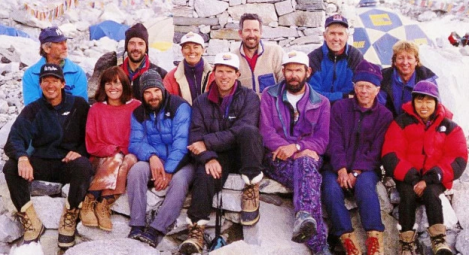
managed to get this original pic of the team.

The indomitable nature of human spirit never seems to stop avowing me. What is even the reason to make it to the top? As the climbers say, it is there and that is good enough for them. I have heard of logjam in Everest ascent and every picture that shows the littering and overwhelming human presence in the Himalayan peaks always kind of wears me down. Yet as I said, the very endurance capacity in us humans is admirable and this is something that makes me think is what helped us evolve as the no.1 in bio-chain or food chain on planet Earth topping all other living organisms. This is how the human race crossed continents and is set to conquer space. So may be this is good.

From previous productions on Himalayan peak ascents, I understand that Mt Everest could be the world’s summit yet it’s not something unattainable. With ropes pitched virtually to the top on pre-determined and handpicked routes, Everest could be within reach of any aspiring decent climber. For most parts, the ascent also seems more slopey over 90 degree vertical even if the landscape is interspersed with ice shelfs and gulfs and deep drops into gorges. Avalanches can happen anytime and storms can brew and blow over by the minute. Even in summers, climbers have to wait for opening up of a precious rare window with favourable climate when they have to factor in their ascent. There are climbers with oxygen support and then there are those who resist oxygen assistance. Frost bites and hyperthermia, disorientation and snow blindness are just a few of the manifestations of the high altitude sickness associated with high mountain trekking and summiting snowy peaks. Statistics as reported in the film reveal that one out of four perish in scaling Everest. Brings to my mind Jeffrey Archer’s ‘Paths of Glory’ that is on George Mallory who could have been the first to make it to the Everest summit but who died on descent. I loved this book but I would have wanted to remind Archer that many, many Sherpas of Nepal have been doing this for centuries, millennia without glory. The arrogance of these thickheaded men! I do read this old man but he gloats too much!

Back to the pic, I want to say this about the guide or leader of one of the expedition teams Rob who lost his life in the Everest turning back on the Hillary steps to get back at the summit for the sake of Doug who shouldn’t have been there in the first place. The humane gesture cost this great man his life with his unborn daughter Sarah (born 1996), being carried by his wife Jan. Rob, you should never have done this to your family man. But you are such a wonderful soul that every time I see this pic, I think you are lying still up there, closest to Lord Shiva. And you died doing what you loved the most and hearing words of love from your wife. As for Beck, another drain on energies. This kind of guys must abstain from ambitious mountaineering because they can slow others down. A good climber could end up paying the highest price of losing his/her life thanks to these thoughtless careless guys who want to scale the Everest when they may not be totally fit. Ok, agreed I am the last person who must be saying this totally unfit! And after viewing Meru, I have to rethink those words of mine, sure. But sometimes when there is loss of life, it makes one wonder whether it is all worth it. My heart goes out the Japanese woman climber Yasuka , is it. And Harold. In case of Harold, being a seasoned climber, he is still going ahead with his Delhi Belly well aware of the disastrous consequences should something go wrong. What is the point in his entire team making it to the Everest summit. I think, Harold invited death virtually. Doug loosening himself out of grip is unpardonable and virtually delayed/led Rob to his untimely demise.

How can a picture on Everest leave one with so much emotion!!! I ended up crying for Rob and Jan and Sarah as usual. Good to see young Sarah all grown up and beautiful. Yet her dad was snatched from her cruelly for no fault of hers.

I think this particular picture portrays human greed (by way of Doug and Beck), humanity (by way of Rob) and thriving human spirit by way of all other mountaineers who scaled Everest that day. The Everest is THE insurmountable task and doing it must be lifechanging. I have watched many movies on trekking and scaling peaks around the world, but every time I see such a picture I am thoroughly moved. I am grateful that God at least gave me enough stamina to climb Tirumala on foot in an younger age!!! That’s the maximum I could manage and I wouldn’t want to test it again though I guess I can do it again with bulging knees even now (and then rest for a week with unbearable joint pain)! The thing is we must know, upto what point we can stretch our energies.

While watching K2, I recall the frame where they showed literally mounds of human poop frozen in snow. And the littering these climbers leave behind. That is something extremely sad. I think simultaneously the Himalayan peaks also need to be cleaned up. The warming up of Himalayas and the melting of glaciers can adversely affect the climate, ecology and bio-diversity in Nepal and India. I wonder whether these guys would be littering so much the Alps where there are stringent regulations. I know, because I have been to the top (on rail only)! You are not cleaning up behind you because a third world nation cannot afford to keep checking on you in those high altitudes – and is this fair and square. This is what I would like to make as my final comment on Everest hopefuls. Do clean up the Himalayan peaks on your ascent and descent. You have done enough environmental damage already warming up our snowcapped peaks and melting our pristine glaciers. As much as I admire the human spirit in you guys, the Everest and other peaks of Himalaya will be better off without you. If you can help it, DON’T SET YOUR FOOT ON EVEREST OR MERU OR ANY HIMALAYAN MOUNTAIN PEAK, Bye.

Posted in Economic

The LIC Privatization

If LIC is on peril on privatization, then so are private pension funds in India such as HDFC, ICICI, Max, etc. And what about the private banking institutions. I was a bank employee myself and I worked for a private bank that was held by seven private and public sector banks with no retail investor. Now the bank is taken over by the parent public bank. I can recall the sentiment of fear and anxiety when private banks came into existence in India in a big way starting from the turn of the millennia. Indeed there was some ground for the public apprehension: one such a private bank, the Global Trust Bank, did go under. But there are others who have outperformed over economic forecasts from right their inception, the chief among them being HDFC and ICICI and UTI (Axis). These banks also have entered the insurance industry and stock markets and mutual funds. Should these banks fail, it means the end of India as a nation: that is how big these private institutions have grown into and spread wings (branches) pan India with roots well entrenched in strong fundamentals in the country as we have had the Indian public stand eyewitness to their taking babysteps from day one to expand into impressive institutions with global reckoning. So much so that it is private banks such as Axis, ICICI and HDFC that are most efficient today than the nationalized ones who are mostly queued up for mergers as they show heavy balance of the Non Performing Assets (NPA) accumulated over years. The private banks have been harbingers of modernization and computerization, taking technology to grassroots level quicker than public banks. Their banking service is considered benchmark today in entire banking industry. They dispense more cash with an impressive network of ATMs which is a proof to their liquidity, and their processing and disposal of loans etc., is much faster. When it comes to cards issue, they are par excellence with international validity that cannot be matched by nationalized banks. Indian citizens now prefer equally if not more the private banks, and this is by no means any exaggeration. In other words, the private banks of India today have metamorphosed into pioneer financial institutions of the country within very short span of time.

In life insurance and pension industry as well, we have participation of PNB Paribas tied up with SBI, HDFC, ICICI, Axis tied up with Max, etc., that have come out with credible results and performance. Not all are unit based funds. Mutual funds as well stock markets too see a healthy participation from the private banking sector over the government owned financial institutions.

India’s has been a mixed economy with both the government and private entrepreneurs working in tandem to cater to public demands. This is how our national economy has been operating since the dawn of our independence. Before Indira Gandhi nationalized the private sector banks in the year 1969, the Indian Overseas Bank, Indian Bank etc., were privately founded and managed by efficient hands turning out profits. In fact, the May Bank of Malaysia was founded by Tamil Chettiars which was nationalized at a later date by the Malaysian govt. The May Bank was the first ever banking institution founded in Malaysian history that is the pride of every single Malaysian Indian. This underscores the participation of the private sector that cannot be written off. Even today conservative private sector banks such as Karur Vysya Bank, etc., are rated best among the industry.

The private banks and insurance industry have been forerunners of some wonderful products (financial) over public financial institutions. Their interest earnings are far better. Their schemes are very flexible and their apps/platforms for trading etc., are user friendly. As for general insurance such as automobile and (foreign) travel insurances, the private insurance companies have a huge presence and may have overtaken the nationalized ones already. You only have to take govt insurance and private insurance for your two different cars and make a claim to discover which is fast and best and more reliable. In the health insurance industry as well, we have private health insurance companies leading from the forefront. The Star Insurance and Apollo collect the bulk of premiums over national health insurance companies.

That brings us to health industry. Who among us is willing to go to Omandurar govt hospital or Kilpauk or Stanley. The private health industry cater to all segments as per our budget: from five star hospitals such as MIOT to the neighbourhood polyclinic with specialists visiting on appointment.

Even in air travel, who is getting the general janata fly from one corner of the country to the other cheap and fast? Only the private airlines such as the Indigo. What stopped the government from founding more economic airlines to service the masses? When a private entrepreneur can operate a budget airline adhering to air safety protocol at profit, why cannot the government. What was the condition of Air India all these years. The former national carrier will be turning a new leaf shortly with the takeover by Tata.

If everything has to be nationalized, we must first down the shutters of some private political tv channels founded with ill-gotten money violating FERA regulations as it has been alleged. We shall have actual PEACE and NO VIOLENCE in this country.

Indians today prefer to enroll their wards in private or deemed (autonomous) institutions over established public universities is it not? Except for the first tier of IIT/IIM/AIIMS and the second tier such as NIIT/JIPMER etc., who among us would want our children attend government colleges. Will those who raise voice against privatization send their children Presidency College and Arts College. Or to Corporation schools or Government schools. I am proudly the product of a government aided State board school. Understandably, the private institutions have better lab facilities these days and employ the best brains for faculty over government universities.

In rural India, it is the private buses that come to the rescue of our masses living in far flung villages with no bus routes. The public transport such as railway may still be miles away.

How many of us have BSNL broadband at home. Why should we go for Airtel or Hathway or ACT. How many of us use BSNL network for mobile operator. How many among us use Vodofone or Airtel.

I am not for Reliance at all, yet I miss the Reliance petrol stations for their superior service and washroom facilities. No IOC or BP or HP outlet in India can match the Reliance standards. Highway travelers will agree with me.

Finally, today it is the private industry Information Technology (IT) that generates and employs a major chunk of our fresh graduates. The word to note is: EMPLOYMENT GENERATION. This is now done best by the private sector be it in manufacturing industry or what you call core industry or financial or tertiary sector. This is also one industry where foreign participation is enormous, that it can hurt us if anything goes wrong ‘on site.’ Public institutions simply do not have in them such a mammoth capacity to absorb skilled labour or they have been systematically weakened over decades by the preceding Congress govt that today they have degenerated into skeleton institutions and nothing more.

Note: Most of private industry have sizeable foreign participation already. Pharma for one thing. Startups such as Swiggy are possible only thanks to foreign investments. We live in an interdependent world: not in an insulated and isolated bubble just by ourselves. How many of us have modular kitchen installed without a foreign collaborated unit. How about our air-conditioner units. Automobiles. Refrigerators. Mobile phones. Even our furniture. TVs and PCs/Laptops/IPads. Dove soaps. Garnier shampoos. Loreal cosmetics. And we talk about nationalistic policies.

How about leaving Hindu temples to Hindus now. Will the DMK government give back our temples to Hindus. Or will they equally take over the churches and mosques, audit them, staff them and use their funds as it has been happening with Hindu temples? All Hindu temples across India have to be given back to their devotees for management. Indian government and state governments have been SHAMELESSLY using Hindu temple money to meet their own selfish ends. If Hindu temples have to be in govt care, then all churches and mosques must be similarly taken over and their financial positions gazetted along with details of Hindu temple fundings. I challenge our governments to do it or hand over Hindu temples to Hindus.

Private Industry such as the Tatas, the Birlas, TVS, Ashok Leyland etc., are hallmark manufacturers of India who have gone on to acquire foreign assets. What was the first Indian company to get listed at NASDAQ in our history? INFOSYS. Who have global imprint today employing millions around the world.

I have not gone into the financial analysis of LIC with relevant statistics for my write-up. My logic lies in weighing the pros and cons. We have encouraging precedents and we are hopeful that LIC will follow a similar path to privatization and healthy zooming profits in future. If this boat is to sink, remember India must go under, God forbid! To empty talkers who have no patience or inclination or facts and figures, ignorance is truly a bliss!

*****************************

Until now i have not googled LIC privatization. I am adding a few lines from googling hereunder:

LIC going public is fine but the foreign participation must be capped to 49% maximum with controls resting with Indian hands on disinvestment. LIC has been conservative institution in Indian history. The public reaction on privatization is understandable and must be addressed. Foreigners holding stake upto 75% may carry risk component that can rock the ship. Let PM Modi not forget Lehman Brothers. As financial institutions grow, their expansion beyond boundaries cannot be helped. Joint ventures have to become public listed corporations, etc. Key industries with security concerns such as the Defence, Space etc., and mass facilities such as major rail routes need not have to go in for privatization. However luxury private trains are permissible and are already on operation such as ‘the palace on wheels.’ Along with star rated hospitals, the public health centers (PHCs) need to be expanded for the general public. The private and public industry can co-exist in mixed Indian economy servicing to different segments of our population.

PS: I am no financial pundit or qualified expert to speak on this. Just a housewife’s cue 😀

Posted in Pictures Foreign

Review: Meru (documentary)

Watched yet another fascinating trekking documentary close on heels of 14 peaks: Meru. Meru for a change lies outside the Tibet-Nepal-Pakistan triangle. Meru is the sacred Himalayan peak of India, considered the dwelling abode of our Mother Goddess Parvathi. In fact, the peak is believed to be the very embodiment of Shakthi. Unconquerable over even Mt Everest or K2 given its steep granite wall ascent. Some of us have ‘Meru’ (scale model) in our Puja. Meru with Sri Chakra are two symbols associated with Devi worship. So that must explain what Meru is to Hindus. But the climbing crew from the US seem to have respect for the Hindu sentiments as they revere our holy relics and pay their obeisance prior to the ascent. Not only is the mount Meru impressive; so is also the indomitable spirit of the climbers Jimmy Chin and Renan lead by their mentor Conrad who has been on successful expeditions to Mt Everest. It takes more than a couple of attempts for Conrad for his luck to work out when it comes to Meru. A seasoned climber, he’s climbed with the best crews. Climbing Meru is different because, unlike Nepal India has no Sherpas to act as guides and/or porters, bred into the mountaineering profession by tradition. The climbers needed to carry kilos of their own gear or equipment plus food and oxygen. From observing expeditions to Mt Everest, it is impossible to miss how in every step a mountaineer is aided by the sherpas be it with load carrying or roping tight knots or pitching tents. Easiest ascent routes are picked and the queues could be longest to the summit! Mt Everest is that very crowded! No helping hand out there in Meru. I loved the cool hanging tent pitched midway to ascent, off the sheer granite cliff that offered no foothold for the final 3000 foot. The crew were holed up here hundreds of meters suspended in midair during their first climb for days. After the failed attempt, on return to America, Chin and Renon meet with debilitating skiing accidents. Renan is immobilized and chained to hospital bed for months. He makes a terrific comeback with his recovery and workout even as Chin survives an accident himself! With Chin, Renan goes for the summit yet again and it is admirable that team leader Conrad pins complete faith on their sincere and combined efforts. Charming to see the wandering cows and monkeys in Indian Himalaya alongside rivers (Bhagirathi?) and Chai shops and blaring horns. Its one exhilarating feeling as the trio scale the summit the second time – even for the viewers. They are the first in history to scale Mount Meru. What a treat to watch. It does ache my heart when someone lays a foot on Meru – me being ardent Shakthi worshiper. Who says Gods are all from Middle east. Our Hindu Gods descended down the Himalayas. I am sure Conrad, Jimmy Chin and Renan will agree.

Posted in Political

Love him or hate him, there is none like my prime minister Narendra Modi.

One moment he is in Manipur, one of the seven sister eastern states of India bordering Burma and Bangladesh. Shortly he surfaces in the western state of Punjab where the safety protocol for the nation’s most important man is brazenly breached. He is made a sitting duck with his convoy, jammed from every side in the highway with traffic freezing all around for over crucial and dangerous 30 min. Security lapse of highest order, perhaps pre-planned? The next morning Shri Modi ji is inaugurating almost a dozen medical colleges in the lines of AIIMS in the south virtually, alongside a classical language university. He is opening expressways and tunnels simultaneously in Jammu, the northernmost country and cutting ribbons for industrial complexes in the hinter heartland of India. Takes a break to hit Varanasi for a temple visit and rounds off the day addressing the business community/entrepreneurial sessions online. Diplomatic affairs are handled with equal finesse in the sidelines. Not to forget that the country lost our valuable COAS only very recently, that must be weighing heavily on his mind. A million issues crave for his attention. He is tugged here and there: but he goes with it all giving everyone and everything his hundred percent. That is my prime minister Shri Narendra Modi ji. I have not had a prime minster like him in my memory. My country India is the seventh largest and most diverse nation in the world. We are also the world’s largest democracy with a population of an estimated 1.3 billion. This is our busybee PM Modi ji, at70+, who hardly sleeps for four hours a day even in this pandemic, which is the reason we Indians are going to sleep in sheer bliss: we are in safe hands, that of our prime minister. He will see to that we have our peace and security as he stands guard over our nation even as we the citizens raise such a hue and cry ever since the Covid invaded our spaces in the year 2019. Through the intervening period, the man led the nation on an unparalleled campaign of administering over a billion corona vaccine doses, indigenously produced or made in India, all the same exporting the lifesaving vaccines to dozens of world nations. He just turned the country into missile exporting elite. He wouldn’t miss the awards ceremonies in the Rashtrapathi Bhavan honouring the unsung heroes of Bharat from all walks of life: from the noblest teaching profession in village to the native tree sapling planter. He neither forgets our sportsmen nor our army men, leave alone the artistes and artisans through the length and breadth of the country. From tribals to the enterprising youth and agrarian/pastural rural population, he engages with them all at every stage. Through all his busy schedule, our prime minister still finds time to address the children of the nation with his ‘Man ki bhath.’ He is an avid Yoga practitioner and a vegetarian. He is dynamism and hyperactivity rolled into one for his age! I am yet to come across a single young man as hardworking and driven as my prime minister is in his seventies. Touchwood. He is in my everyday prayer. After all, Shri Modi ji is in his retirement age already. He could have opted for the safer, easier way out. Modi ji is clearly the man on a mission.’ A follow-up of his You tube channel can let you know how this man born and bred for India, leading a frugal life, is easily one of the finest leaders India has ever had. It is easiest to criticize or point fingers. To achieve what he has, one has to have monumental mental strength and grand vision. My country is mammoth and chaotic. In all the chaos and confusion, India still has her character. To head my nation and propel us towards prosperity, encountering adversity at every step is no cakewalk even for elected parliamentarians. We are surrounded by China and Pakistan – our hostile neighbours. Border skirmishes bleeding us day in and day out are our routine. There are betrayers within our boundaries who would like to see us blown to smithereens. The stewardship of my colossal nation is therefore a Himalayan task literally. Anyone who does it bravely and surefooted like my prime minister Shri Narendra Modi ji and that too with his kind of elan, deserves a standing ovation. Clearly he is head and shoulders above most world leaders. It is unfortunate that the corona pandemic has to be dealt with in his golden period. Or perhaps it is a blessing for us Indians that we have dynamic leadership at this point of time. This is also the time for us to let him know how much he means to us Indians. As the delta variant and omicron are raging around us everywhere, let us take a moment to let our prime minister know how dearly he is loved and respected. May you be blessed with a hundred years Shri Narendra Modi ji! Take care, the nation is with you.

Posted in Lateral Thinking

தமிழ் பாடம்

தமிழில் எழுத முடியாததென்பது இல்லை. ஆனால் இன்னொரு ராஜேஷ் குமராக, புஷ்ப தங்கதுரையாக, பட்டுக்கோட்டை பிரபாகராக அவதரிக்க எனக்கு விருப்பம் இல்லை அவ்வளவு தான்! ஆங்கிலத்தில் எவ்வளவோ படிக்கிறோம் பகிர்கிறோம். ஆனால் விரசம் கலந்த தமிழ் பக்கங்களை என்னால் படிக்க இயலுவதில்லை. அது தாய் மொழி மீது நான் வைத்த மரியாதையா என்று எனக்கு தெரியாது. தமிழில் சிறிதளவும் கொச்சையாக பட்டால் என்னால் ஏற்றுக்கொள்ள முடிவதில்லை. ஆங்கிலம் பரவாயில்லை. சங்க நூலகளில் பள்ளி நாட்களில் படித்திருக்கிறோம் ஆனால் அந்த தமிழே வேறு. வெறும் சென்சேஷனலிசத்திற்காகவே தமிழில் சிலர் சில வாறு எழுதிகிறார்களோ என்று இப்போது தோன்றிகிறது. ஆனால் அதை திட்டமாக சொல்ல நானும் தமிழில் அதிகம் படித்ததில்லை. அரைத்த மாவையே எதுக்கு அரைக்க. வித்யாசமான, சமூக சூழ்நிலையை ஆராயும் தமிழ் நூல் பிடிக்கும் இன்னமும். யதார்த்தம் நிறைந்த சுஜாதா மற்றும் பாலகுமாரன் கூட நான் படித்ததில்லை. ஒரே காரணம், பள்ளி வயதிலேயே நினைப்பேன், இது வெளிதாக்கம் என்று. அப்போ நம்ம ஒரிஜினலையே படித்து விடலாமே என்று தான் தோன்றும். தமிழ் மீது பெரிய பற்று என்றுமே கிடையாது. என் வாழ்க்கையை தமிழ்நாட்டுக்கு வெளியே நான் ஐம்பது சதவீதம் வாழ்துள்ளதாலோ என்னவோ, ஒரே குட்டைல ஊறுகிற மட்டையாக விருப்பமில்லை. ஹிந்தியிலும் பெரிய மேதை கிடையாது. ஆனால் சின்ன தோஹே அல்லது சினிமா பாடல் வரியை கேட்டாலும் அந்த மென்மை என்னை வருடும். எந்த பாஷாயுமே உசத்தி இல்லை தாழ்த்தி இல்லை. உருது கலந்த ஹிந்தி வரிகள் மிக்க இஷ்டம். எனக்கு தெரிந்த மட்டில் காதலை அதைவிட அனுபவித்து வார்த்தையில் எழுத வேறு சிறந்த மொழி இல்லை. Spiritually கூட Sufi யை ஆழ்ந்து ரசிப்பேன். தமிழில் கூட கடவுளை அவ்வளவு கண்டதில்லைன்னு சொல்லலாம். நானும் தேவாரம் திருவாசகம் கேட்பவள் தான். மொழியின் உருக்கம் அப்படி. மலையாளம் நாவில் புரள்வது சுலபம், சரளமாக விளையாடும். எனக்கு மிக பிடித்த மொழி. மலாய் மொழி மிக மிருதுவானது. அரபி கூட. எந்த மொழி தான் அழகில்லை. கேட்க கேட்க தான் தெரியும் அந்த உண்மை. தமிழை அதனால் உதறி தள்ள வில்லை. ஆனால் தமிழில் ஏன் consonants and phonetics பல இல்லை. bha, dha, gha இல்லாதது மட்டுமல்ல sha, sa, ha வும் வடக்கில் இருந்து தருவிக்க பட்டதே. 247 எழுத்துக்களை வைத்து எல்லா consonants and phonetics களையும் எப்படி இந்த மொழியால் உருவாக்க முடியாமல் போனது. இருபத்தியாரே எழுத்துக்களில் கிழித்து விட்டானே வெள்ளைக்காரன். சமஸ்க்ரிதமும் ஹிந்தியும் கூட எவ்வளவோ மேல். எல்லாவற்றையும் objective ஆகா பார்க்காமல் subjective ஆகா பார்த்தால் இந்த உண்மை புரியும். ..இந்த மொழியின் பலவீனம் நம் தமிழர் எல்லோரிடமும் உள்ளதே. ஆங்கிலேயரின் மூளையே மூளை. தங்க கம்பி என்று எடுத்து கண்ணில் குத்திக்கொள்ள முடியாது. உண்மை உரைக்க வேண்டும். இருந்தாலும் தமிழ் எனக்கும் உயிர் தான் மறுப்பதற்கில்லை. அதன் குறை நிறையோடு தமிழின் மீது நான் வைத்திருப்பது அன்கண்டிஷனல் லவ். தாய்மொழி அல்லவா. தமிழின் நெளிவு சுளிவுகளை புரிந்தவள் தான். ஆழத்தையும் விரிவையும் தொன்மையையும் அறிந்தவள் தான். By default நான் தமிழச்சி. தமிழ் நாட்டுக்கு வெளியே எப்பொழுதும் நான் அதை மறப்பதற்கில்லை.

Posted in food as therapy...

Biriyani Vs Thayir Saadham

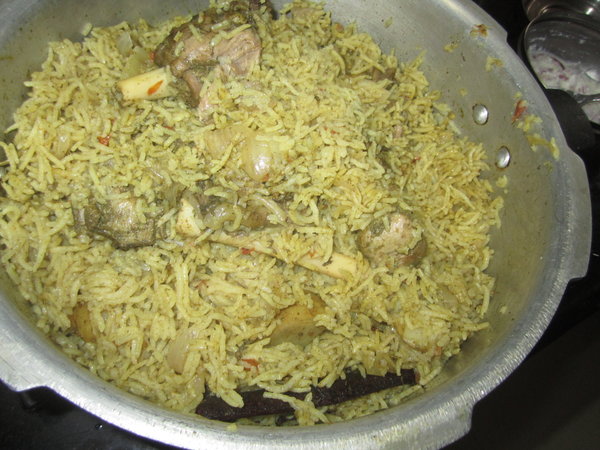
Biriyani is soul food for connoisseurs of food not only in India but throughout the world. Touted the ’emotional food’ of the masses. Purportedly food popularized by the Moguls who invented it accidentally adding Indian spices to Kashmiri Basmati rice cooked with juicy mutton/meat marinated in herbs, Biriyani catered to rich man’s platter for centuries. It is only in last few years that the biriyani reserved normally for feasts, has come within common man’s reach with outlets selling it street to street with all possible variations one can imagine. Finally the dreamfood of meat lovers is affordable with the arrival of the broiler chicken. Loaded with ghee and spices and dripping with greasy oil, heavy meal meant for hard stomachs, biriyani is not exactly your health food on the menu. Overdoing biriyani is harmful to one’s health and there can be no two opinions on the same.

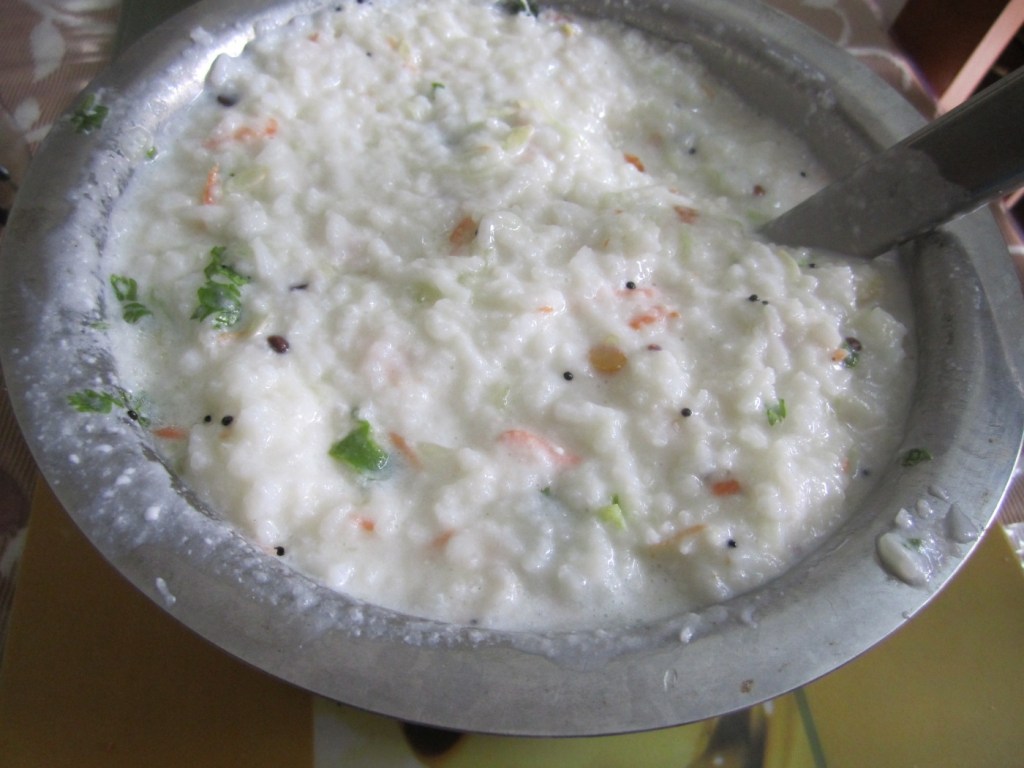
Thayir saadham (curd rice) on the other hand is the polar opposite. Cool on your tummy. Bland. Probiotic that aids in digestion and absorption of minerals and other nutrients, no south Indian meal is complete without thayir saadham. Although a particular community has branded it as theirs, the fact is that there is not a south Indian who does away with thayir saadham when he/she has not consumed meat with the meal. Curd does not sit well with meat, and curd with fish for instance can lead to food poision. This is the reason meat eaters prefer buttermilk to thayir saadham. Supposed to be the super brain food, I cannot though figure out how those who claim exclusive properties to thayir saadham have not still produced the Korean or Japanese or Chinese range of intelligence so far! Apparently the centipede and millipede and snake eaters win hands down when it comes to IQ! Some brainfood here!

So, it is not merely biriyani, even thayir saadham is overrated. If the ‘Rajas guna’ of the biriyani is indeed the reason for physical violence, then the ‘Sattva’ curd rice is only too capable of passive aggression that has been the characteristic trait of some Hindus for centuries. You don’t have to weild the sword like the moghuls and draw blood every time. The very opinionating nature in some is disturbing.

Men who work in tougher conditions involving physical labour need their quota of protein that can come best only from meat. Those who work indoors with not much of physical activity can forego meat for their own sake. Geographic conditions too dictate our food habits. High fat food is a must for those living in cooler climes. Availability of food used to be a primary factor in determining our dietary customs until very recently. Camel meat and milk were staple food for nomadic tribes of Africa and Arabia. Where agriculture flourished, vegetarian food habits developed with the harvest of food grains. Where maize cultivation was suitable like in Africa, corn became staple food. Islands had fish eaters. As we all know, the universally recommended diet is Mediterranean with its rich olive and cheese blocks and a fair share of fruit, nut, fish and meat. The Japanese formula is Sushi and the Mexicans spice it up with their herbs. The Chinese wash down the fat in the food with their herbal teas.

Personally I prefer saatvik food for health reasons. Easy to palate for a homemaker like me. Insufficient for a hardworking man like my spouse. Meat is a must in his daily portions. So that does make a man more aggressive or less intelligent. Each of us is bred with a different metabolism that may determine our energy levels. In my opinion, we must never disturb that equilibrium but must do with what works for us. Moderate meat consumption complemented with fruit bowls and sprouts/cereals may make for ideal balanced diet.

There are gentlest meat eaters I have come across in my life and violent vegetarians. One thing I can observe is that, the meat eaters have undoubtedly better stamina and libido compared to vegetarians. The nonvegetarian platter is more balanced than a vegan’s or a vegetarian’s. The nutrition content in vegetarian menu is skewed and most of us vegetarians including me lose out on essential proteins and omega fatty acids from fish. Plant substitutes hardly prove to be sufficient. Good number of kidney patients and liver cirrhosis and intestinal cancer patients are vegetarians surprisingly and not alcoholics or voracious meat eaters. So that must have a point for us. On the otherhand when we consume light food and our metabolism is evolved differently with less fat in our blood stream, our memory cells could work sharper. This is merely scientific evidence. Excess fat can make one lethargic.

A north based friend would say, biriyani or any meat diet carried the soul of the culled animal with it. So do leather boots and bags and belts. But the irony is that the friend’s family is into money lending business that is ruthless and preys on the poverty and helplessness of the borrowers. So this is what I call passive aggression which is worse than physical violence.

Biriyani today faces the flak because it is now identified with a community that is considered anti-Hindu. I am not biriyani lover either even if I can cook up a sumptuous and droolworthy biriyani adhering to health standards even if I am vegetarian by birth. Biriyani tops as the numero uno favourite food of my family. Whoever is against it has not yet savoured its flavours including me.

Neither am I for mushrooming of the biriyani joints in nook and corner of our country. Biriyani is on its way to become the national food or staple food of India and it is ringing alarm bells naturally. The health of our younger generation is at stake. Frozen meat pumped with chemical preservatives is used in tons to turn out huge mounds of biriyani to cater to the tastebuds of crores of our population. It was never this way until a few years ago when biriyani meant only ‘bhai veetu kalyanam’ or ‘ramzan.’ In those celebrations/festivals, no frozen chicken or mutton was used for biriyani. The meat cut was fresh with mostly animals sacrificed for the occasion. The proliferation of meat habits points to explosive growth of poultry industry, nothing more.

Thayir saadham is gentle on our stomach. For summers, every single day I have only the ‘baghalabath’ with grated cucumber and carrots and coriander in it. It is our family’s favourite too, as much as biriyani is. It is always our family lunch box food.

On meat eating days, my family have plenty of buttermilk to offset the spice consumption. In winters, I forsake curd rice and settle for stews and have buttermilk in the place of curd rice because I do not want to miss out on the spice in the chill weather. If it is not curd, it is always buttermilk for us. To my knowledge, this is how meat eaters consume curd/buttermilk. Who says they do away with curd totally. What is ‘raitha’ then. Having a divided family on many matters helps me in contemplating different perspectives.

Even north Indians round off their roti subzi meal with a little ‘dahi chawal’ after ‘dal chawal.’ The arabs buy curds (labaan) (both thick sour curds and the bottled buttermilk) in buckets literally and consume it alongside meat including that of camel. Compared to arabs, thayir or curd consumption in India especially among south Indian Tamils is dismal actually! So much for thayir saadham! Only difference is, the arabs consume tubs of yoghurt (unsalted/plain) straight away without having it with rice like we Indians do. Yoghurt both plain and fruity are popular throughout the world including in south east Asia and America and Europe. But nobody spun a tale on curd rice the way we south Indians do. Research departments in American universities picked it up because the research students there and the faculty are Indians and more specifically south Indians/Tamils!

Well there is an intermediary food called KAAAAARA KUZHAMBU !! I am slave to that! Call it Vatha kozhambu or Kara kozhambu, my vote is always for that and my signature foods that I am good at include this kara kozhambu made with tamarind extracts and red chili powder. Hot and steaming, nothing like our kaara kozhambu with dollops of gingely oil floating on top! Spicy and alluring! Sambhar too belongs in this middle range along with other vegetarian stews like Koottu. Most underrated are these day-to-day cuisines of ours. Much as my biriyani is popular with family and friends, my bisibela bath and baghala bhath too are equally rated! Not that i am a gourmet chef or foodie. Just a regular housewife who does nothing out of the ordinary.

I can agree with discussions of biriyani so far as it is limited to our health aspects. Once you bring in the religious philosophy alleging characteristics and properties to it, you violate a Dharma in the process. One man’s freedom fighter is another man’s terrorist. Whoever said, ‘kondral paavam thinnal pochu’ in Tamil. World operates on this conundrum.

Why do some of us feel the compulsion to judge everything and everyone. Why can’t we let anything be.

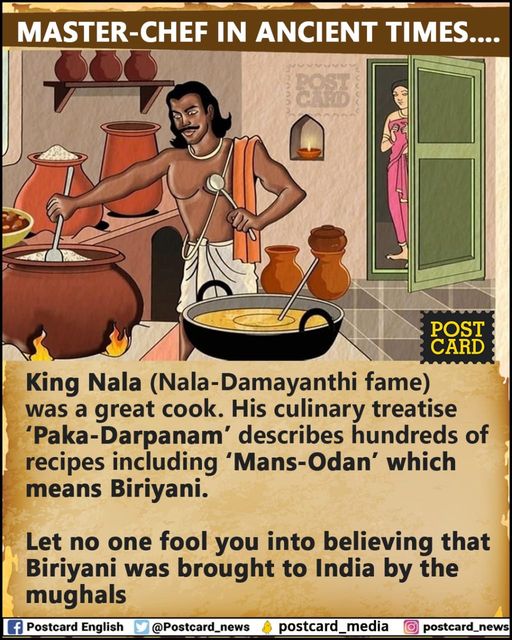
I do not know how far it is true that Biriyani existed as Mans-oden in Nala’s cookbook ‘Paka Darpanam’ but we all want to perfect our recipes like ‘Nalabhagam’ don’t we. Fellow hindus are now onto to ‘Jhatka’ in the lines of ‘Halal.’ Some ambition here.

I love my vegetarian Lebanese, Egyptian, Turkish, Arab, Italian, Mexican, Chinese, Malay food as much as I love my vegetarian Indian platter. I am keeping my options open and I am willing to experiment and grow, not limiting myself to hypocritic notions and boundaries. Pleasantly surprised to discover vegetarian Georgian cuisine in the shadows of the Ural. My meat eating husband loathed the honey and chocolate dipped meat and turned vegetarian during our tours abroad. There can be no single way of defining food or labeling food. Ingredients like spices and meat and vegetables can be treated in entirely different methods of preparation. Even the cooking ways are different from baking and boiling to tandoor/grilling to deepfrying. Variations even by slightest degrees produce entirely different dishes as we know. Food too is innovative in every step. First of all let’s stop sermonizing and learn to imbibe the best from others.

So why is biriyani the emotional experience and thayir saadham, not? Because once you try to attach the puritanical strings to it and try to own it, it loses it lustre. You make it communal. Food is first about sharing and caring. Biriyani excites a man’s all five senses: visual, aural, nasal and spiritual not stopping with tingling one’s taste buds. Friends and family have confessed to mood upliftment with Biryani. If there is not something matching biriyani in desi cuisine, invent it! Because the biriyani addict-crowd swells by the minute! You just can’t be sitting there in the high stool of your kitchen counter judging without sampling.

Posted in Socio-Political

An Appeal to my PM Modi: Extend MNREGA to Marginal Artistes

No, this is not my idea. Happened to read of the suggestion put forth by a social activist vocalist. I second the opinion. If you take even the case of just Tamil Nadu, the state temples that are mid to considerable area size and those ancient and heritage sites, employ nagaswaram and thavil vidwans to play in their precincts. I am not sure whether these artistes count as govt staff in the temples that come under the ambit of Tamil Nadu Religious & Charitable Endowments dept. Generally those serving as office bearers in the temples managing the day-to-day affairs of our holy places are drawing govt salaries running into thousands of rupees every month, surpassing those of the archakas (priests) who may be most instrumental in the running of the temples. It can’t be a problem to bring under staff role the marginal or part time artistes working for the temples under govt admin. After all, our state govt is syphoning off all our temple funds and using our fundings for their own agendas. This is also an issue that the tamil nadu state govt must look into.

I understand that the marginal artistes who play mostly in temples and hindu weddings have been hit hard during the pandemic. With them those who take the beating include the street performers, etc. While the pandemic saw many artistes switch over to online media to continue with their profession, the marginal ones who have no access to information technology and/or those who are not tech savvy have been left behind to fend for themselves. There are NGOs who are pitching in to help their causes but this hardly suffices. Simply there are too many, many of them, and pan India, the figures could be mindboggling. These may include folk musicians and dancers, street performers, tribal artistes, village troupes etc. Without govt support and aid, the arts that these artistes sustain may perish with them. We are at a critical juncture presently. We never expected the pandemic to be running such a vicious course spanning years. This has taken a heavy toll on our economy. The worst hit are from marginal quarters. The marginal artistes have been out of job for months now. I like the suggestion that something similar to MNREGA must be in place to support the marginal performers/artistes. Of course this is not the first time, I am hearing of this idea. I find this cause very merited. I learn from media how Modi govt has been aiding economically in installments eliminating various levels of dispensing, directly reaching out to the marginal farmers. Dear Prime Minister, Shri Narendra Modi ji, my humble request to you is to look into the case of our marginal artistes similarly. You are doing a lot I am aware, you will be doing yeoman service for the survival of our rural and classical art forms that need to be passed on to the future generations by the struggling artiste communities if you can help them in anyway at this point of time. The state aid could cover marginal artistes such as musicians/stage performers and also visual artistes. A while ago I was watching the folk music of third gender artistes from Karnataka and also those from the Rajastani deserts playing sarod on the sand mounds of the barren landscape. Should their artforms die because of covid.

There is one more group of artistes that comes to my mind. This may include those like the light boys, makeup artistes etc., who could be employed in entertainment industry. There are also many who take up small roles – the small artistes, who have been out of job since covid struck for the first time. This third group is equally devastated by the corona surge.

Should we allow this to happen. A lot of critical issues could be vying for your attention Ji, yet I plead with you to give the dying marginal artistes a mere five minutes of your thinking. The marginal artistes of India deserve your timely aid. I am aware, the concerned states have their share of responsibility in the matter. Still please do something in your capacity for the marginal artistes. Something like MNREGA for marginal performing and visual artistes is not a bad idea. Please rescue from their hopeless situations. Thank you!

I got inspired to write this post from a carnatic vocalist turned social activist. I am listing a couple of art forms/marginal artistes who I came to know of from following him, just to show you how diverse India is and how vibrant our arts are. Dear Prime Minister, are you listening. These marginal artistes need your attention and help by way of financial aid in the lines of MNREGA- the minimal employment guarantee scheme of hundred days.

  • Thoorpu Bhagavatham (Andhra) – this theatre form is about to die completely for lack of patrons and aid support
  • Folk music artistes from Barmer, Rajastan including sarod and dholak players, etc.,
  • Jogappas from Karnataka (transgender folk musicians

And these are just a handful I am talking about who have been deprived of decent living because of the pandemic.

Posted in Books

Review: Sapiens – Yuval Noah Harari

Finally finished this lengthy book, thank god last 40 pages were glossary! Pretty dry, especially for me the regular fiction reader. However, I picked this book as it is critically acclaimed. The book traces the evolution of Homo Sapiens and the proliferation of the species as dominant living organism on Planet Earth before rounding off with wonderment at what lays ahead for these so-called self-made Gods! Much of the thesis though must be predictable to most of us but we have to credit the author for laying it all down in a way we can identify patterns and come clear on fuzzy issues. Some ideas are though a lot like original – or perhaps sound new to us. For instance, treating Communism like a religion. Creating an order. I have never thought of an arrangement like that all these days. A willful political agreement. The book opens with how it all started, how from Cognitive revolution, human beings or homo sapines in the word of the author, advanced to the agricultural revolution and then galloped to the scientific revolution. So far so good. The rambling sets on after this.

I would like to recollect some gems from the book:

Homosapiens killed most other species without merging with them. (Like how mules are born infertile when horse mates with donkey. The genetic mutation plays a part here). This theory clearly proposes how Neanderthals etc., from the same human family could have gone extinct. In my opinion, this is a very valid point, food for thinking.

I wish I really could get back to the hunter-gatherer carefree days, the way the author sounds buoyant about them! The limitations forced by agricultural revolution on such a nomadic species sound pathetic! I liked this about wheat domesticating us and not the other way around!

Domestication of the bovine, canine and the fowl follows. Of the fowl, i would like to draw a point from the last couple of chapters: of how the chicken or poultry of today with slow demeanour and stocky build was probably genetically engineered by the ancient man (from the days of agricultural revolution)! So it is not that all the harm is caused by the current generation of homosapiens. The destructive streak caused by selective breeding of crops and animals and birds has been a part of human evolution.

One more gem that makes you think loud: how a species that may be going extinct like rhinoceros for instance, is still happy and living a good life in the bush, compared to machine-copied like poultry, bred miserably for slaughter, even if the chicken can go on to survive millennia after millennia long after the last of the rhino is gone off the face of earth.

A lot of discussion (hypothetical) on Babylon, Egypt, China, Mexico etc., but a big hole here missing out ancient India and Hindu race. Hinduism is mentioned for caste system nothing more. India/ Hindu culture and civilization could be the only surviving continuous civilization uninterrupted for over 10000 years. Parallel to the Indus valley was the Thamizh culture down south where we had structured grammar and literature penned before the birth of Christ. Such a language as Tamil has not gone out of usage like Latin or even Sanskrit. Tamil is still a spoken language and is touted the world’s oldest language. A big miss by the author here. Or was it deliberate by overstressing isntead on Buddhism, an offshoot from Hindu Dharma. Hinduism also spread to south east Asia without violence. Pretty interesting to be told that the meditation techniques are Buddhist. Of course they are, but after they were and are first Hindu. The first legal perfecter, owner, practitioner of meditation could be Hindus. Yuval tell me who founded Hinduism. You know who founded Judaism, Christianity, Islam, Buddhism, Communism. You know who founded these when. Where exactly. You have written volumes on Sumeria, Greece. Why have you failed to do justice to Hinduism. Realization of self and mind control without a mention of Hindu Dharma sounds hollow.

To Yuval I would say, if for Jews Auschwitz could be holy pilgrimage site, then Taj Mahal could be the image for representing the majority Hindu India by the same logic.

To Yuval I ask: why should God have to come only from Middle East. For Hindus God comes down from the Himalaya.

Ok I get it. Yuval picks up Buddhism, Islam and Christianity for suppositions nothing more.

Discovery of ignorance: This is too good that prompted the scientific revolution when pushing limits became the order of the day for the Homo sapiens.

Some great information from the founding of Peugeot as limited company in France for the first time to launching life insurance by two Presbyterian clergymen in Scotland, Alexander Webster and Robert Wallace in the year 1744.

Masterstroke by Yuval: in one shot he says why we have the adage in the world that the sun never sets in british empire:

“The Chinese and Persians did not lack technological inventions such as steam engines (which could be freely copied or bought). They lacked the values, myths, judicial apparatus and sociopolitical structures that took centuries to form and mature in the West and which could not be copied and internalised.” (Harari, Yuval Noah. Sapiens (p. 314). Random House. Kindle Edition.)

I started laughing at this because, that day finally arrived in the 20th century with the chinese turning tables on the west. Looks like, each one of us has a different timeframe when it comes to evolution of our mental faculties.

The conquest of the Americas and Australia are poignant. In this context I want to refer the quote from the author in the book:

Rudyard Kipling’s words, ‘the White Man’s burden’:

Take up the White Man’s burden – Send forth the best ye breed – Go bind your sons to exile To serve your captives’ need; To wait in heavy harness, On fluttered folk and wild – Your new-caught, sullen peoples, Half-devil and half-child. (Harari, Yuval Noah. Sapiens (p. 336). Random House. Kindle Edition.)

This is a gentle reminder to all of us colonials of what return gift we received from our occupiers.

The author conveniently washes his hands off slave trade that he terms an economic enterprise that got nothing to do with politics. Sad. Aren’t the invaders given a similar benefit of doubt with Rudyard Kipling.

I loved the part about the standardization of working times, industrial hours, school days etc., in a structured pattern starting with the arrival of the steam engine pulled passenger trains. The gun powder and the energy-force through distance made the difference. This is a big takeaway from the book for me.

I do agree with the author that perhaps we live in the best of earth’s times: we have lasting peace and a kind of universal empire now. More common interests than glaring differences which are a reason for sustaining peace. It is only in this century that we have running water in our kitchen faucet and women need not have to rush to the river to fetch drinking water in a pot over their head day after day (at least in developed countries of the world).

The book closes with the chapter on bionics and cyborgs which held the potential to transform homo sapiens into organically different species and that the future sapiens could find us the last few generations very much the way we found the neanderthals! Will the tinkering with bio-engineering actually pull the Frankenstein out of thin air? Who knows wonders Yuval on the finishing note.

Worth reading. Old wine in new bottle, but this is good brushing up of facts that were right before your eyes but that you missed making connection with.

Posted in Mylapore Musings

மாதங்களில் அவள் மார்கழி

சின்ன வயசுல ஞாபகம். நாலு மணிக்கே எழுந்து சுட சுட பாட்டி போட்ட பில்டர் காபியும் கையுமா மாடிலேந்து மளமளனு படியிறங்கி குதிச்சு ஓடுவேன் மார்கழி மாசத்துல. கீழ என் தோழி எனக்கும் முன்னமே கூட எழுந்து காத்துண்டு இருப்பா. ரெண்டு பெருமா சேர்ந்து தான் படி படியா அளந்து கோல மாவு வாங்குவோம். மப்ளர் கட்டிண்டு போ. பனி ஆகாதுன்னு பாட்டிகள் ரெண்டு பேரும் தொண்டை கிழிய கத்தினாலும் காதுல வாங்கமாட்டோம். அப்படி ஒரு வெறித்தனமான கோலஆர்வம். அந்த வயசுக்கும் காலத்துக்குமே உரியது. நான் வாசல் பெருக்கி தெருவை கூட்டினா அவ தண்ணி தெளிப்பா. மாறி மாறி செஞ்சுப்போம். அறுபத்தெட்டில் ஒரே மாஸம் ஒரே நாள் பொறந்தவங்களாச்சே. எங்க பக்கத்து வீட்டு அக்காக்கள் அவள் ஒரு தொடர்கதை நாயகி போல. ஆனா அந்த சோகத்திலும் ஒரு அக்கா அப்படி ஒரு கோலம் போடுவா. மை போல கருப்பு. கரு கரு பின்னி முடித்த மயிர் முழங்காலை தாண்டி. வளைஞ்சு வளைஞ்சு அவ போடும் கோலத்தை பாக்கவே காலைல அஞ்சு மணிக்கு கூட ஒரு மாமிகள் கூட்டம் வட்டமிடும். தெரு பூராவும் கோலம் போடுவோம். நான்கிலேந்து ஆறு வர லேடீஸ் கிளப் ஆகிவிடும் எங்க வாசல். காபி பரிமாற்றத்துலேந்து சமையல் குறிப்பு வர எல்லாம் பேசுவோம் வயது வரம்பு இல்லாம. ஆறு மணிக்கு மேல தலைக்கு மேல வேல இருக்கும் ஆனா மார்கழி மாசத்துல லேடீஸ் அடிக்கும் கொட்டம் இருக்கும் பாருங்க. அப்டியே தெரு முழுசா அதி கால காலாற நடந்து ஒவ்வொரு வீட்டு முன்னாடியும் நின்னு அந்த வீட்டு கோலம் டிஸ்கசன் வேற! என் கல்யாணம் ஆகும் வரை நான் ரசிச்சுஅனுபவிச்ச ரம்யமான பனி காலை பொழுது அது. கோலம் போடும்போதே மயிலாப்பூர் கபாலி கோவில் மணியோசை கேக்கும். சிவன் கோவில் காலைல தொறந்துடுவான். பெருமாள் கோவிலும் தான். மார்கழி ஸ்பெஷல். எங்க வீடு வர கோவில் மணி சப்தம் வரும். அந்த கால அமைதி. உடனே ஒரு குளியல் போட மனசே இல்லாம வீட்டுக்குள்ள நுழைவோம். தற்காலத்துல நெனச்சு பாக்க முடியாத ஒரு சுவாரஸ்யமான வாழ்நாள் அது .. பணம் காசு பத்தி யோசிச்சோமா. இல்ல ஜாதி தான் வந்ததா குறுக்க. எங்க தெருல எல்லாரும் உண்டு: அய்யர், அய்யங்கார், முதலியார், நாடார், செட்டியார். ஒரு குடும்பமா தான் இருந்தோம். எல்லாரும் அக்கா அண்ணா மாமி மாமா பாட்டி தாத்தா தான். சின்ன விஷயங்கள்ல சந்தோசம் கண்டோம். ஒண்ணா படத்துக்கு போவோம். பீச்சுக்கு போவோம். மார்கழி கோலம் போடுவோம். தீபாவளி பண்டிகை கொண்டாடுவோம். நடுத்தற வர்கத்துக்கான பாச பந்தா பிணைப்பு அப்டி. மறக்க முடியாத நாட்கள். இதுக்கு நடுல மார்கழில ஆருத்திரா வைகுண்ட ஏகாதசி வரும். தாயக்கட்டையும் பரமபதமும் மணிக்கணக்கா நடக்கும். வைகுண்ட ஏகாதசிக்கு ராப்பூரா கண்முழிச்சு அதிகாலை கோலம் போட்டு தூங்குவோம். .அந்த ஒரு நாள் மட்டும் விமலா மாமிக்கு கோலம் போட எங்க வாசலை விட்டு கொடுப்போம் அந்த கற்பனை கோலம் படி கோலம் போட. மாமி அய்யங்கார். நாங்க நாலு குடித்தனம் அந்த ஒரு வீட்ல. இன்னிக்கும் தாயா மகளா தான் பழகறோம். ஆருத்திரா சாந்தும் உண்டு கோவில்ல. பெருமாள் பிரசாதம் உண்டு. திருப்பாவை திருவெம்பாவை பாடாத நாளே கிடையாது. எல்லாமே கூட்டமா கும்பலா தான். அப்போவெல்லாம் தெருல பஜனை கோஷ்டி கூட வரும். ஆழாக்கு அரிசி கொண்டு வந்து கொடுத்து ரோட்லயே அவா கால்ல விழுந்து சுத்தி வருவோம். கோவிந்தா கோவிந்தா கூட உண்டு. எண்பதுகள்ல டீனேஜ் காரங்களா இருந்தவர்களுக்கு புரியும். நெனச்சாலே இப்போ ஏக்கமா இருக்கு.

டிசம்பர் பூ இல்லாத மார்கழியா. எல்லா கலர் செடியும் வெச்சிருந்தோமே மொட்டைமாடில: வெள்ளை,ஊதா, மஞ்சள். டிசம்பர் பூ வெக்காம ஸ்கூல் போயிருக்கோமா மார்கழில. மார்கழி மாசத்துல எங்க வீட்டு தேங்காய் எண்ணெய் கூட உறையும் அந்த காலத்தில. செப்பு பாய்லர்ல வெந்நீர் போட்டு குளிக்கும் சுகம் தனி.

கல்யாணமான உடனே எல்லாம் மாறி போச்சு. அப்போ மார்கழின்னா எனக்கு அதிகாலை முதல் டிகாக்ஷன் எடுத்து கிச்சன் மேடை மேல யாரும் எழுந்துக்காத பொழுது ஏறி ஒக்காந்து டேப்ரெகார்டர்ல எம் எஸ் குரல்ல வெங்கடேச சுப்ரபாதம் கேட்டுண்டே முதல் தடவை காச்சின பால்ல காப்பிபோட்டு தனியா அஞ்சு நிமிஷம் மௌனமா ரசிச்சு குடிக்கறது அலாதி சுகம். கூட்டு குடும்பம் சில நாள். பின்னாடியே கைல குழந்தை. அப்புறமா தனி குடித்தனம். சமையல் முடிச்சு, குழந்தையை ரெடி பண்ணி மாமியார் கைல கொடுத்துட்டு,லஞ்ச் பேக் பண்ணி ஆபீஸ்க்கு ஓடணும் பஸ் பிடிச்சு. மார்கழி கோலம் நெனச்சு பாக்க முடியாதது ஆச்சு. அந்த அதிகாலை அஞ்சு நிமிஷம் தான் அப்போ மெஷின் வாழ்க்கைல அமைதின்னு கூட தோணும். அஞ்சு மணிக்கு இந்த சேத்துப்பட்டு ஷெனாய் நகர்ல டிசம்பர் மாசம் கிறிஸ்துமஸ் கரோல் தான் தினசரி காதுல விழும். திருப்பாவை எங்க. அதிகாலைல என் சமையல் ரூம் வெளிச்சத்தை பாத்து ஒரு கிறிஸ்டியன் குரூப் டெய்லி எனக்கு கரோல்ஸ் பாடிட்டு போவாங்கன்னா பாத்துக்கோங்க! அமிஞ்சிக்கரை மசூதிலேந்து அப்டியே விடிகாலைல ஆசான் ஒதரத்துக்கு கூப்பிடறது லௌட்ஸ்பீக்கர் மூலமா எங்க வீடு வர கேக்கும். கடவுளை எந்த ரூபத்துல பாத்தா என்ன. அப்போ நெனைச்சுப்பேன் என்ன ஒரு மாற்றம்னு வாழ்கைலன்னு. மார்கழி அப்டியே தலை கீழா ஆச்சு! நாளடைவில் அதையே ரசிக்க பழகிக்கிட்டேன்.

மார்கழின்னா இன்னொரு விஷயம். கர்நாடக சங்கீதம் . சொல்லவே வேண்டாம். எனக்கு மயிலாப்பூர்ல கோவில்ல கர்நாடக இசை கேட்டு தான் வழக்கம். பல வருஷம் கெழச்சு பாட்டி ஆனதுக்கு அப்புறமா இப்போ அதுக்கு நேரம் வந்திருக்கு. வயசுல கிடைக்காதது அது. ஸ்கூல் போற பையன், மாமியார், சாயங்காலம் ஆறு மணிக்குள்ள வீட்ல அடைய வேண்டிய நிர்பந்தம். இதெல்லாம் சேர்ந்து இசைய கொஞ்சம் தள்ளியே வெச்சது. மார்கழின்னாலே ஆனா மொதல்ல நினைவுக்கு வர்றதே கர்நாடக இசை தானே. புள்ளி வெச்சு போடும் கோலம் போல. ஆனாலும் ஜெயா டிவி ல வரும் கச்சேரியை கேக்க தான் செஞ்சிருக்கேன். இவ்ளோ நேரம் அதுக்கு ஒதுக்கியது இல்லையே தவிர. சின்ன வயசுல கொஞ்சம் பாட்டு வீணை கத்துண்டதால லைட்டா இன்டெர்ரெஸ்ட் அவ்ளோ தான். மயலப்பூ ஆச்சே இருக்காதா பின்ன. வருஷத்துக்கு ஒரு பரதநாட்டியமோ இல்ல கச்சேரியோ எப்பிடியும் கேட்டுடுவேன் பட் வாத்திய இசையா இருக்கும்… வாய்ப்பாட்டு அபூர்வம் போய் கேக்கறது. ஸ்டில் கர்நாடக மேடை கச்சேரி இல்லாத மார்கழி நெனச்சு பாக்கவே முடியாது.

மார்கழில இன்னொரு விஷயம் அய்யப்ப வழிபாடு கார்த்திகை தொடங்கி. உச்சகட்ட நிலைல இருக்கும் ஐயப்ப பூஜை. மார்கழில முக்கிய பண்டிகைன்னு கெடையாது. திருவாதிரைக்கு களி கூட்டு பண்றது தான் பெரிய வேலையே. வைகுண்ட ஏகடாஷிக்கு க்யூவில் நின்னு சாமி பாத்து அகத்திகீரை வாங்கி பசுக்கு குடுப்பது தவறினது இல்ல. அமிஞ்சிக்கரை பெருமாள் கோவில்லயும் செஞ்சிருக்கேன் முடிஞ்ச வரை. மார்கழி முடியறதும் திருவையாறு கச்சேரியும் மகர விளக்கும் கிட்டத்தட்ட ஒண்ணா இருக்கும்.

போகி பண்டிகைய ரசிச்சதே இல்ல ஏன்னா, என்னோட விருப்பமான மார்கழி முடிவுக்கு வர்றதே எனக்கு உடன்பாடு இல்ல எப்பவுமே! ஏசியை சுவிட்ச் ஆப் பண்ணற ஒரே மாசம் கூட இந்த மார்கழி மாசம் தான். வருஷத்துல ஒரு மாசமாவது இயற்கை காத சுவாசிப்போம். சுக்கு காபியும் இஞ்சி டீயும் வேரா எப்ப குடிக்க முடியும் சொல்லுங்க! குளிர் காலமே இல்லாம இருக்க நம்மூருக்கு கொஞ்சம் வசந்தமா வர்றது மார்கழி தானே. போகி போட்டு எதுக்கு அதா தொரத்தறது. மார்கழி மாசம் செடியை பாத்திருக்கீங்களா. பூல்லாம் எவ்ளோ பிரெஷ். இலைல எல்லாம் பனித்துளி. நான் ஸ்வெட்டெர்றே போட்டதில்ல நம்மூர்ல மார்கழில. மார்கழி பனியை விட அதிகமான குளிர வெளியில உணர ஆரம்பிச்சேன். இப்பவும் எனக்கு மார்கழி தான் புடிச்ச மாசம். அடுத்தது ஆடி மாசம் – அம்பாளுக்காக. இந்த மார்கழி நாள் தான் எவ்ளோ சுகமானது. இப்போ கோலம் போடல. தனிமைல காபி உறிஞ்சு உறிஞ்சு சுலோகம் கேட்டுண்டே குடிக்கல. ஆனாலும் மார்கழி மார்கழி தான். இன்னும் சொல்ல போனா இப்பெல்லாம் இயர் எண்டு சேல் கூட மார்கழில தானாக்கும்! புது வருஷ பொறப்பும் மார்கழில தான். என்ன தான் தமிழ் வருஷ பொறப்பு கொண்டாடினாலும் நம்மளால ஜனவரி ஒன்னு ஆட்டம் பாட்டத்த நிறுத்த முடியுமா. இல்ல கோவிலுக்கு தான் போகாம இருக்க முடியுமா. வருஷாந்தர டூர் போக கூட ஒத்த நேரம் டிசம்பர் கடைசி.

வருஷா வருஷம் நான் காத்துண்டு இருக்கறதே இந்த டிசம்பர் மாசத்துக்காக தான். மார்கழி போல ஒரு மாசம் உண்டா. அரபு நாட்ல அப்டி இருக்கும் இந்த காலம். கோவிட்டாலே எல்லாம் மாறி போச்சு. இல்லைன்னா எல்லாம் ஒரே பிகினிக் தான் பார்க் பர்கா. பேக் வாட்டர்ல போட்டிங் தான். அந்த பனியை அணுபக்கவே ஒரு கூட்டம். ஸுக் பக்கம் போனா அவன் அவன் ஹூகாஹ் பிடிச்சுண்டே சாயங்காலம் தொட்டு ஒக்காந்து இருப்பான். டைனிங் எல்லாம் அவுட்டோர்ல தான். அமெரிக்காவிலும் டிசம்பர் மாசம் முதல் தடவை போனமோது இருந்தேன். பிளோரிடாவிலும் அரிஸோனாவிலும் எங்க தோஹா மாதிரி பனி உறையாத மிதமான குளிர். மலேசியாவிலும் கூட நம்ம தமிழ் நாட்டு மார்கழி குளிர் தான். ரசிக்க முடியற குளிர். அனுபவிக்க தூண்டற குளிர். நம்மள வீட்டுக்குள்ள அடைக்கற ஐஸ் கட்டி குளிர் இல்ல. இப்போவெல்லாம் ஒரு ஸ்வெட்டரோ ஷால்வோ போட்டுண்டு தோஹால வாக்கிங் போறேன். கோவிட்டாலே கச்சேரி கூட ஆன்லைன் தான். இவ்வளவு வருஷம் இந்த பாக்கியம் அமைஞ்சதே இல்லன்னு சொன்னா என்ன கைல கெடச்சது வெச்சுண்டு அடிக்க வர்றாதீங்க! முதல் முறையா ப்ரொவ்சிங் பண்ணி கோலம் போட்டு பேஸ்புக்ல ஷேர் பண்றேன். கோவிலுக்கு போகாமையே கடவுளை வீட்டுக்குள்ள தேட இங்க தான் கத்துக்கிட்டேன். காலத்துக்கு ஏத்த மாதிரி மாறி தானே ஆகணும். ஏன் நம்ம மயிலாப்பூர் மாறிடலையா. நான் வளர்ந்த ஊரே அது இல்ல. காலமும் வேற. அந்த குடும்பம் எல்லாம் இப்போ எங்கயோ எப்டியோ பிரிஞ்சு சிதறி போச்சு. இப்போ அங்க கூட யார் ஒருத்தருக்கொருத்தர் முகம் கொடுத்து பேசறது. ஓட்டு வீடு எல்லாம் போச்சு எங்க தெருல. இது இல்ல எங்க வீடு. அந்த இனிய இளமை காலத்துக்கும் இப்பத்துக்கும் பாலமா இருக்கறது இந்த மார்கழி நினைவுகளே.

எத்தனை சினிமா பாட்டு மார்கழியை வெச்சு. மார்கழி பூவே மார்கழி போவேன்னு ஒன்னு. மார்கழி திங்கள் அல்லாவான்னு ஒன்னு. ஆனா எனக்கு பிடிச்சது எப்பவுமே மாதங்களில் அவள் மார்கழி தான்!

Posted in Political

What India can learn from Middle East – Part 2: Food & Restaurant Industry

Every meat eater’s dream food is Shawarma, the smoked meat which is common sight everywhere in Middle east whether it is street food stall or star rated hi-end restaurant or food court in a mall. Even in India these days, after Biriyani, shawarma comes a close second for avid connoisseurs of meat as most favourite food. The meat in question here whether chicken or beef or turkey or whatever keeps rolling over pit fire or open lit oven roasted endlessly to deep brown perfection which means, the meat is just as crisp and juicy as the food lovers would want it to be. I have no idea frankly as a vegetarian from birth, but the men in my family simply loved shawarma (although they have left it now for health reasons) !

These days the grilled sliced meat dripping with greasy oil is kind of conspicuous by its absence! Or may be it is there but it is no more that brownish perhaps… Another change in restaurant food, fellow Indians must have noticed is that, not even our tandoori naans are that crispy or browned in recent times. We aren’t eating out much because of covid, but once a while we do dine out at restaurants that aren’t very crowded. So why are the tandoori rotis a bit soft? Have the chefs lost it? Have the chefs switched jobs? Is that the electric tandoor they are using?! This is what flashed in my mind when I saw that my rotis were no more flaky and looked kind of softish, with no browning in middle east. Normally I love the north Indian food here better compared to what is available in Chennai. The cuisine we have in restaurants are authentic with representations from Gujarat, Punjab, Delhi, Mumbai etc., and a few even used to have live music (!) Yeah my top pick used to be a restaurant that got artistes from India to render ghazals and Bollywood numbers! Fine dining thy other name is north India!

Weekend lunch today was at an Indian restaurant for us where we expected a welcome drink. We were told that the serving of punch was removed from menu after covid struck. I further learnt that, tandoori rotis are no more browned or blackened crisp for health reasons. Health inspectors saw to that this does not happen in restaurants, with due vigilance. Overcooking or roasting to deep brown meant carcinogen in our food that is linked to cancer. So now I understood why the shawarma is no more spinning so fancily to that brownish crispness over coal embers or electric oven! We have a meat eater nation in question; meat loving people who cannot do without it. But how such a basically beef consuming country so willingly adapts health safety protocol really impressed me. The locals have no issues. It means the food in the platter will be a little less tasteful than before, but nobody is complaining.

Smoked food linked to cancer for its presence of carcinogen is no latest news. But who would have given thought to stringent enforcements of health safety standards in food industry or restaurants.

In food industry we have something to learn from gulf countries. The discipline with which the residents accept the latest food reforms (i don’t know if ‘reform’ is the right word here) is impressive. A battalion of officers make sure that the health safety standards are adhered to with their thorough checks on restaurant kitchens. Barbeque eating places are admirably coping well sticking to new prescribed standards. One flouting of rules and regulations, and the business could get sealed for ever. No favouritism whatsoever. How every single small issue is accorded significance in arab countries really moves me. Welfare of the population is the government’s highest priority, the way it must be.

I am not averse to drawing the best from anyone or everyone. I think we all have to grow in whichever way possible and wherever and whenever.