Posted in Environment

The damaging Forest Conservation (Amendment) Bill, 2023, India

The VAN (SANRAKSHAN EVAM SAMVARDHAN) ADHINIYAM Act

Very disheartening learning about the Forest Conservation (Amendment) Bill, 2023, passed by both the Lok Sabha and Rajya Sabha, the lower and upper houses of the Indian Parliament, that can make way for taking over of shoulder lands abutting forested areas for developmental activities of national importance (as claimed by the tenets of the bill). This means, highways can crisscross India’s forest reserves and wildlife sanctuaries in future without legal implications. Of particular concern is the virgin forestry we have in north eastern India that is home to myriad species of wildlife. The nation boasts of ecologically diverse zones from the Western Ghats (Nilgiris – the Blue Mountains) in the south with the primary rain forest reserves and the Thar desert in the west, the Sundarbans with its mangroves in the east and the mighty Himalayas in the north. Central India or the hinterland is home to a range of hills including the Vindhyaas and Satpuras and lakes and plateaus. The long peninsular coastline of India is rich with an impressive array of marine life. There are natural harbours and coral reefs and the world’s only surviving dugongs among others in our waters. Mountain ranges and valleys and passes and peaks of India together with rivers and streams and seas and islands and seasonal monsoons facilitate survival of a stunning range of flora and fauna, as next to Africa, only India has lions, tigers, leopards, elephants and single horned rhinos – the big five – in the entire world, and winged species gracing and sharing the congested land with some 1.3 billion strong human population. India is home to highest number of tigers in the world. Lion count is also on upswing. Conservation efforts are afoot but for every single step forward, the naturalists get pushed over by a dozen steps backward. What is the need for eco-tourism in a country like India where wildlife and humanity have to jostle for space and the man-animal conflict is getting worse with each passing day claiming lives on both sides. As someone has posted in the comments, this is clearly a DEFORESTATION move:

Even without the Bill, elephant corridors have been illegally but smartly taken over by those like Jaggi Vasudev in Tamil Nadu – right under the nose of both the central and state governments or perhaps under the auspices of our government. Ramdev & co., reportedly encroached on north eastern forests for Ayurvedic production unit. The environmental degradation we see in India is mindboggling with our rivers polluted and air toxic and soil poisoned. Now look at the further damage the Bill can do. Adani and Ambani can set up five star hotels without approval from Forest department right next to the wildlife sanctuaries and promote upscale tourism for celebs and page 3 socialites from India and abroad. Is it not the motive of the bill, after all? Who knows, whether Mahindra mooted the bill or any other business house. Agroforestry and afforestation are hogwash. Then there is the case of the tribals of India who have been living alongside wildlife right within our forest reserves or in settlements adjoining forest areas with their livelihood tied to the forests, traditionally for centuries. It will be piece of cake for Adani and Ambani to remove the tribes from their native lands and rehabilitate them in cramped neighbourhoods erasing their roots cleverly and systematically. A well planned strategy. Under the aegis of our prime minister himself, I hope? What a sad story. Following up NCF, Bird Count of India etc., I have been on a high noting the conservation efforts even if painfully aware that only a small percentage of it all succeeds. If I have it my way, a good portion of my meagre, petty and insignificant estate shall go to wildlife conservation in India (and NOT to temples). Its my wish and unregistered will (!) as of date. The kids can fend for themselves -god shall give them the strength.

Posted in Environment

The Immortal Jellyfish

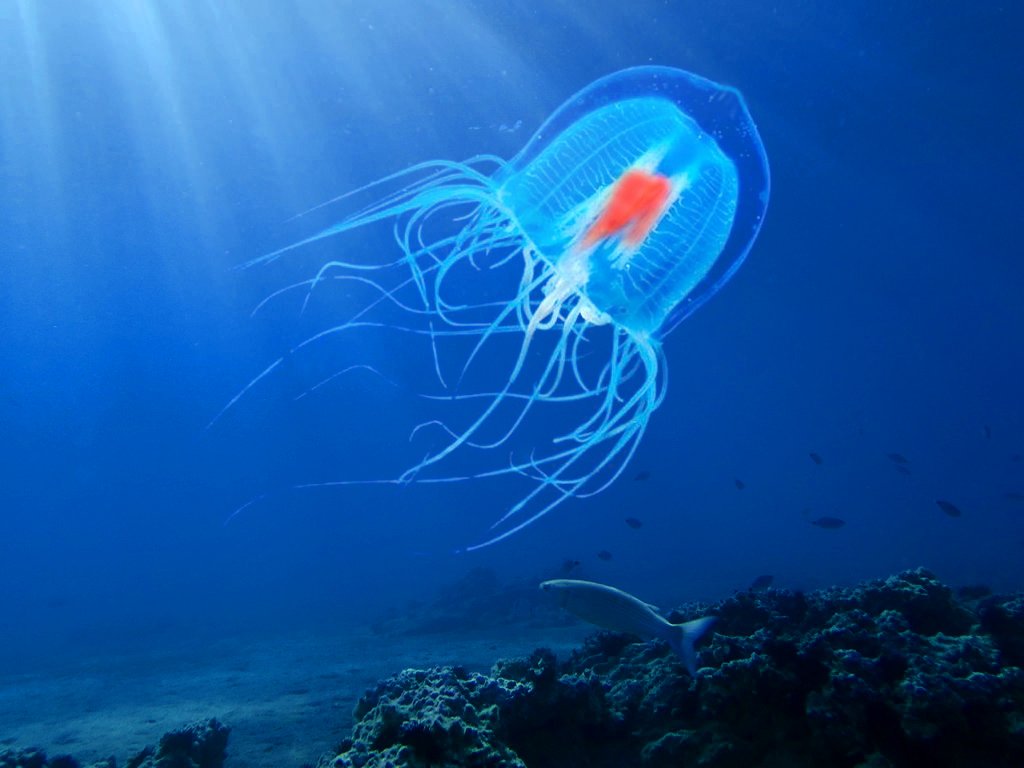
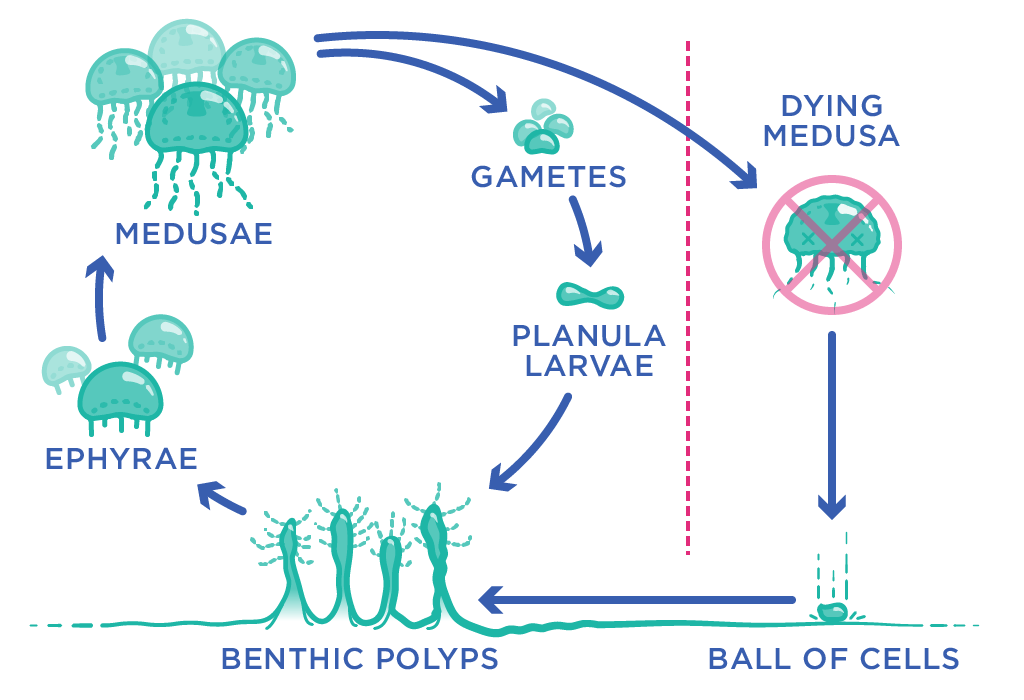
When the kids told me of the immortal jellyfish, I couldn’t believe my ears. All my life I never heard of such a bizarre thing! One is reminded of the picture ‘Death becomes her’ starring Meryl Streep and Goldie Hawn! The greed of some ladies to debunk ageing and always remain youthful! Actually there is grace in ageing, and to look your age is what is dignity all about. I can’t understand why women want to look younger than their age. If you are gifted, your genes can do the wonder for you without you having to ask or try – without you having to hop into the beauty salon every other week or having a body massage every five days. You don’t have to go for fillers or tummytuck or liposuction. I have always felt that the lovehandles and sagging boobs and a cute paunch and a big butt are sexiest! They mean you have lived a wholesome and fulfilling life and that you are well endowed! There must be lines under your tired eyes, the crows feet show that you care, the cheeks weigh down with the stress and not just hang down there, double chin is the proud smirk and you may look look amazing in salt and pepper, sign of your maturity. The baldest men are the brainiest in the world with their untold stories of success! The transparent veins, the creases in your forehead script your life experiences. So ageing is something profound. A milestone not everyone is fortunate to reach. Beauty is your natural skin without any overtone or conditioning. BEAUTY IS YOU, JUST YOU. Death is a blessing that has to come to us at the right time, never a moment early, never too late. I read a lot about wildlife, watch quite some ecology stuff, yet how come all these years I never knew that the jellyfish never dies?! The immortal jellyfish actually regenerates once its medusa is damaged, reverts back to its cystic form on the ocean floor. From this stage it begins a new lifecycle as if on rebirth. We have to remember here that the jellyfish. similar to many other species of marine life, carry both the male and female sex organs within. The regeneration or new life starts when the medusa dies a natural death with age. This means, an immortal jellyfish NEVER dies and is immortal! So the age of a jellyfish can be easily thousand years! However, the same jellyfish can die at the hands of fish or turtle in the sea becoming a meal! In essence therefore, a jellyfish cannot die due to ageing process and those that survive on regeneration are termed the ‘immortal jellyfish.’ Kind of weird, is it not? Not only can jellyfish cheat death, it is a also a super organic life form without eyes or heart or brains – like some narcissists we have here! And yeah, the jellyfish also shares with the narcissist an inherent toxicity, beware! So if there is one animate on planet Earth that may have stayed immortal from primordial times and that which may continue to survive to eternity, it could be the JELLYFISH.

Posted in Environment

The Saguaro – Sonoran Desert

The Saguaro/Sonoran deserts from Arizona to Mexico have always been on my mind ever since I got transfixed by their beauty and endurability when I got introduced to them in Natgeo. That was years ago. Imagine driving through the stretch from Phoenix to Vegas in 2017-18 when I had a chance to visit the Hoover Dam and the Grand Canyon. Both were in my bucket list of course! Hoover dam was especially the top favourite with the men in my family who are both civil and structural engineers. They wanted to check out the design of the dam and look up the engineering details, as the construction site is nearly impossible for human access perched on rocky canyons. Underneath like a thin blue ribbon runs the mighty Colorado, a bird’s eye view from the cliff tops. With luck you can pick out shapes kayaking down the river. Understandably hundreds fell to their death as the project took shape over decades. The reservoir is the chief supplier of fresh water from the river Colorado to the arid states of the US the Arizona and Nevada that are desert states as parts of California. The construction of the Hoover dam remains unparalleled in human history. Its an engineering marvel and could be easily a modern day ‘wonder of the world.’ The reservoir is the life source for the parched west coast of America. The Hoover with its architectural design is also a feast for our eyes. For me, the inspiration was the picture ‘Fools rush in!’ Anyway, looks like I have a karmic connection with the west coast! The Saguaro – Sonoran desert became a surprising reality in my life just as the Hoover dam did. I could sense the ‘deja vu’ moment because I did want to be here and I do believe the universe conspired to achieve it for me! Mexico just across the border has a state named after the Sonoran as I see from car numberplates in Arizona. Desert vegetation can be interesting and intriguing. I have been a resident of Middle east for over fifteen years now on and off. There the oil rich sheikhs import and transplant the Amazonian trees into their limestone soil that water cannot percolate. Rain water in arab countries gets surface-drained for this reason. No seepage down the limestone terra. So the transplanted trees from across the oceans, come with about twenty to thirty feet of amazonian soil with a good diameter, to ensure that the roots do not shoot into the limestone wall and die away. Watering the trees is another challenge for which the desalinated water is used. Desalination plants are already turning the sea coasts around the Arabian gulf into environmentally hazardous zones. The marine life ecosystem around the entire Persian gulf coastline is threatened as the Arab nations ramp uptheir desalination plants dumping toxic brine in international waters.

The native vegetation seems to thrive only in the open deserts in middle eastern countries as the cities and urban developments see increasingly the transplanted trees and plants from other parts of the world planted in their parks and gardens and sidewalks and homes. Date palms are an exception to grace the cityscapes from the native Arab fauna but for which the Arab cities don a fake festive green look with their manicured gardens and their impeccable lawns, flowering creepers, shady trees etc. My hometown is the monsoony Chennai from south India where sometimes the seasonal rains can lash for months together. Even here we don’t seem to boast of the kind of exotic trees and vegetation that the Arab countries seem to show off!

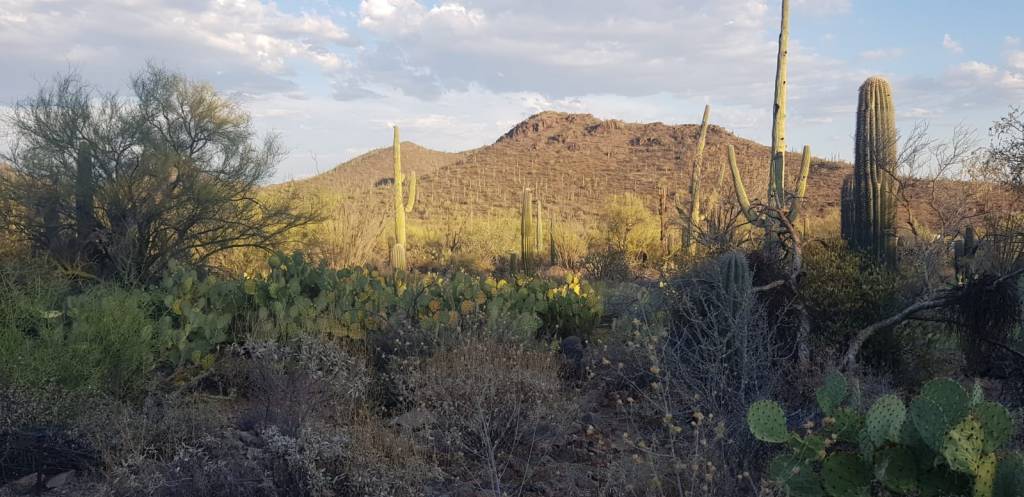
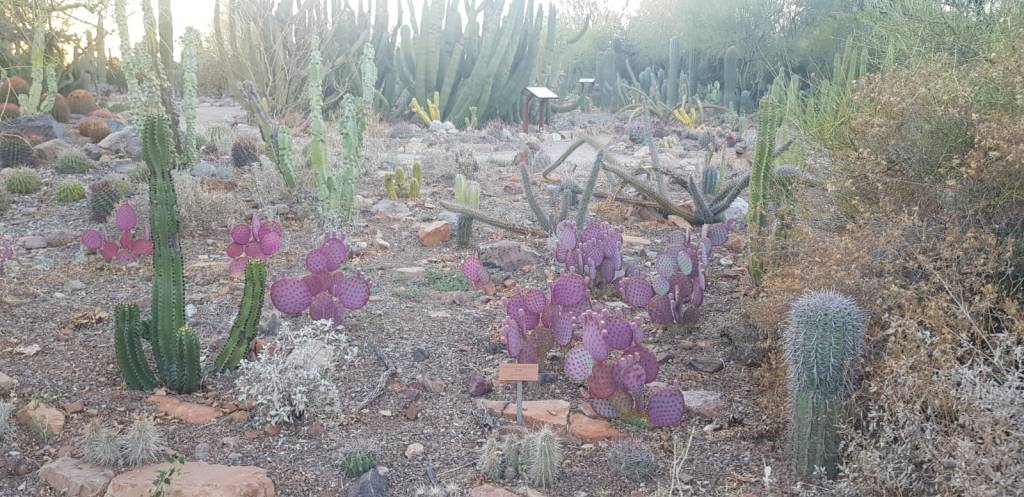
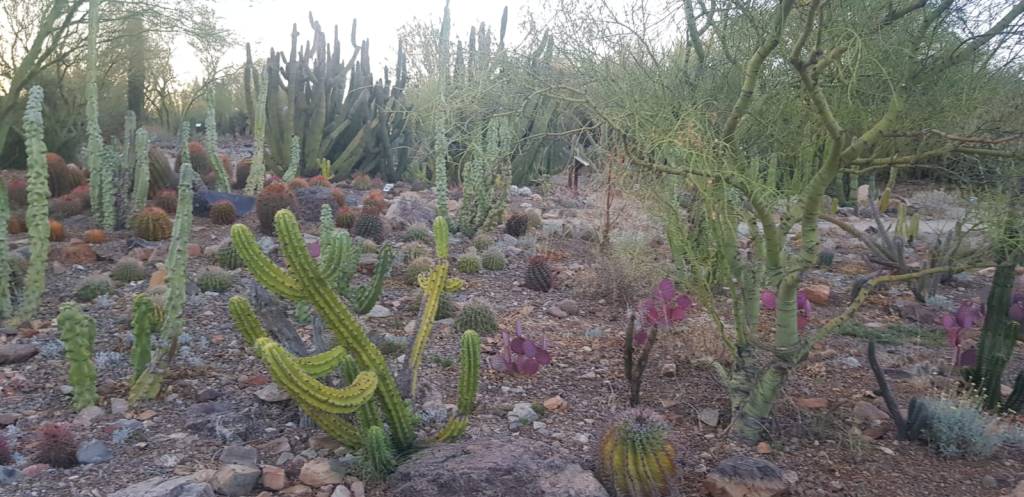
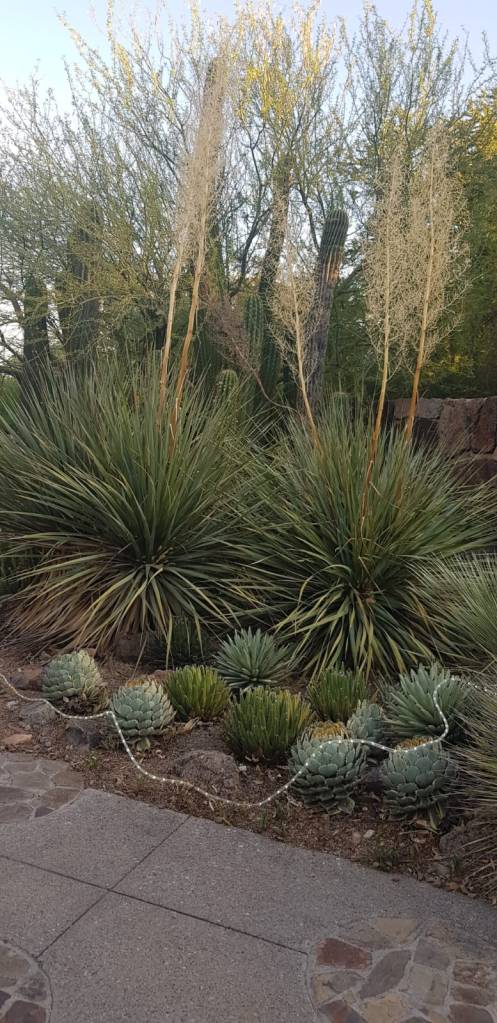
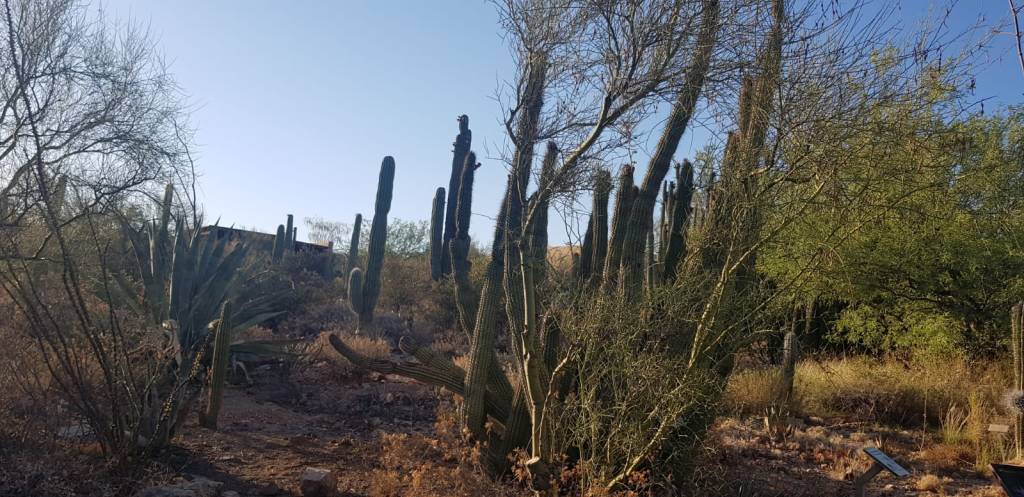
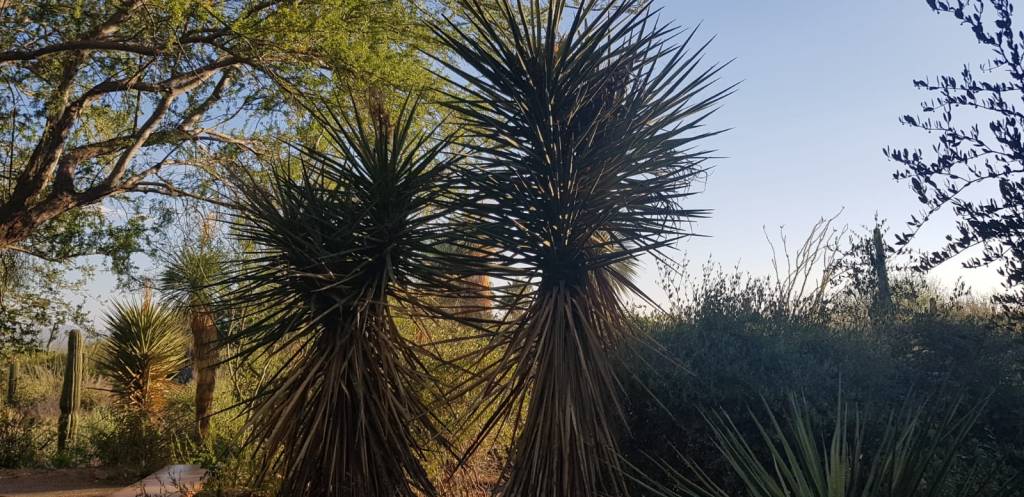
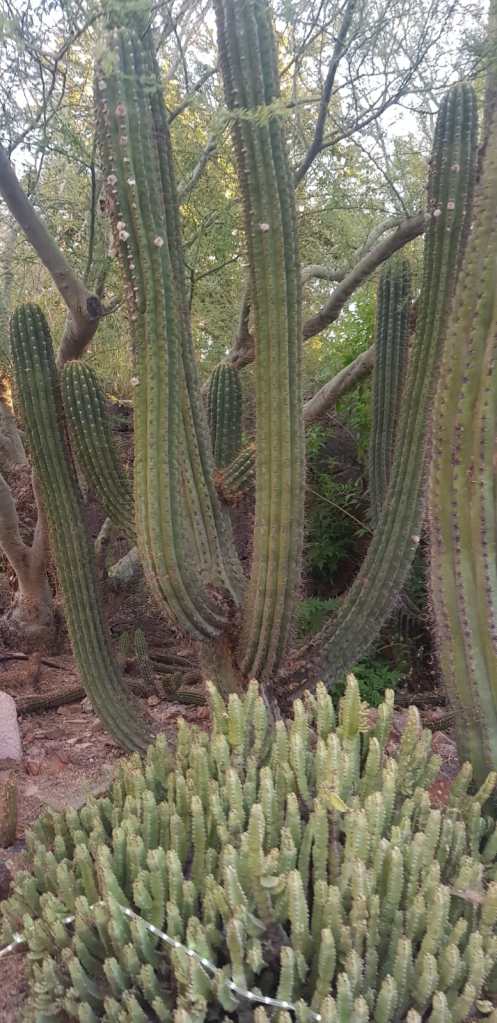
After the middle-eastern make-believe green carpet cities, Tucson comes as a breather with its beautiful bouquet of myriad cacti species, succulents you cannot keep count of, thorn bushes and creepers. Nothing seems out of place and everything fits so natural. This place is a rugged beauty: with altitudes shrouded in desert vegetation and getting chiller by twenty to thirty degrees. A mere one hour drive, there are cooler chimes to hang out for the weekends with cabins available for sleepover. Frosting at higher altitudes in the thick of desert summer is truly a wonder of nature! I am savouring the backyard gardening in the city where the best is made out of the worst available choices. The Mexican styled adobe homes I understand have cool interiors to minimize use of air conditioners. The individualistic homes are a style statement. Class with character! Spartan and minimalistic, thoroughly an understatement. In summers when temperatures can soar upto 120f the adobe homes can keep you cool the traditional way. The simple architecture without any fanfare, the neat lines, use of local construction material that are eco friendly, the efforts that go into preservation of the local vegetation, the streamlining of every single procedure that makes life easy for anyone and everyone – these are the things I have come to respect most about this place as anywhere in America. The desert vegetation is proudly nurtured – not hitched out of your sight the way it is done in the middle east. The succulents look aesthetic in the backdrop of the rocky Catalina. There are the spiked ones, the thorned ones, the branching ones, the stumps that shoot up to the sky, the fat stubs, the rounds, the thin reedy ones, the purples, the greens, the flowering ones that bloom by the evening as the sun sets down… the range is stunning. The landscape is surreal at times with the profusion of the cacti families of every single shade and shape that you can ever conjure up in your mind! The orange orchids and the bougainvilleas seem to infuse some colour into otherwise dry desert hues. The saguaro desert with its tall standalone cactus trees like proud old men is nature at its best. How many years do they live? A hundred? Or two hundred? Neighbours all. What would they talk to each other? Tens of thousands of them! I looked at the calm unfazed steadiness with which the saguaro trees dotted the protected areas. In close-knit groups in places. Spaced out at others. Miles and square miles of them. The saguaro-sonoran deserts are wild forest reserve. Bio-diversity one may find here is geo-specific to west coast of the north American continent. The desert vegetation also sustains a host of invertebrates and vertebrates such as scorpions, garden lizards, rattle snakes, javelinas, red and gray foxes, bob cats, coyotes etc. All the living species and the succulents of Arizona make the place thriving and bustling with activity all around the year! The conservation efforts are about preserving the desert vegetation elemental to the west coast rather than trying to green the sparsely fertile rain shadow region unnaturally with transplants brought over from the tropics . Monsoons are a rarity but Tucson is a lot luckier than Phoenix which is warmer than the former by four to five degrees. The pictures I have posted here hardly do any justice. Captured on my old Samsung Note 8 in the Desert Museum of Tucson, they can still be impressive.

Posted in Environment

Sea Grass Meadows: the Carbon Capturers of the Oceans.

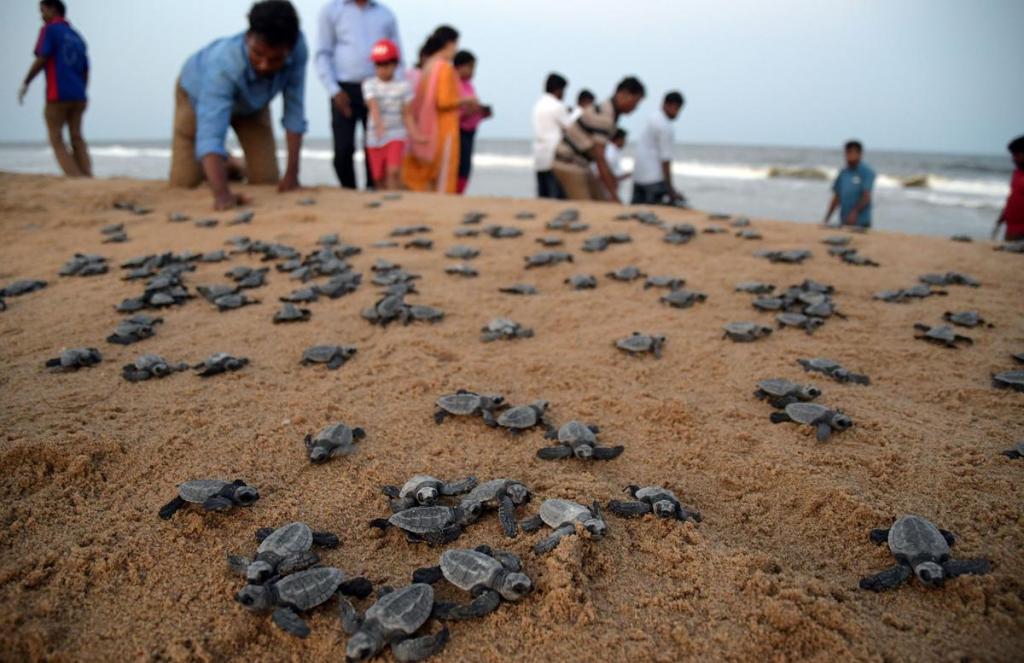
In Palavakkam, a suburb of Chennai, the stretch of beach sees Olive Ridleys laying eggs in the shore. To encourage the turtle breeding and to not confuse the hatchlings with too much illumination in the darkness of the night, the street lights are strictly switched off. This ensures that the turtle hatchlings make their way to the sea in their still unsteady tiny feat. The neighbourhood volunteer self-styled environmentalists help the stranded ones reach the waters safe. Olive Ridleys breed through stretches of the eastern Coromandel coast of India. The state pf Orissa is another popular pick for them with its pristine virgin beaches with minimum recorded human footfall. As awareness kicks in, locals now make sure that the olive ridley hatchlings survive. And therefore the south east coast of India remains the olive ridleys’ favourite destination when it comes to breeding. To encourage the adult female turtles to lay their eggs in the beach sand, the switching off of street lights is encouraged and practised. This shows that we are a responsible society willing to go the extra mile to see that wildlife is nurtured. Conflicts arise mostly when there is damage to property and/or loss of human life as it happens in the elephant corridors where human settlements bifurcate forest reserves.

Anyway, that is how my interest in olive ridleys happened. For sighting, one can plan an outing. This extraordinary adventure is open for city dwellers without pinching their pockets.

https://timesofindia.indiatimes.com/videos/news/chennai-baby-olive-ridley-turtles-emerge-from-pits-crawl-into-sea/videoshow/58098913.cms?from=mdr

It sounds implausible that the cousins of Olive Ridleys, the Green Turtles must be behind the environmental destruction caused by disappearing seagrass meadows with their mass feeding frenzy?! It comes as a shocking surprise that sometimes specific wild flora and fauna may turn out to be the agents behind driving to extinction many other co-existent wild species vying for survival in the same shared environment or eco-system. Of course, if wheat and paddy are widely cultivated and thriving crop species today, once upon a time they must have been the weed that drove to extinction better cereals/food grains. Like the poultry and cattle, maize and wheat are winners by mere mindless propagation. Green turtles to me sound like these hollow winners of the ecological war. Besides, it is news to me that the seagrass can capture and block at least eighteen percent of global carbon. It means the seagrass may be having a direct and significant role in oxygen quality in planet earth. Precisely this seagrass is fodder for dugongs, green turtles and other sea creature that mostly graze them to extinction. Reading of the green turtles in swarms feeding on the leaves and then even digging out the roots of the sea grass, one is reminded of the human greed. Green turtles have no geographic home ground. They are on the move for the entire span of their lives moving enmasse from one atoll to another, in search of seagrass, their staple food. They circumnavigate the earth thus from Cuba to Indonesia, India to Maldives and Pacific islands. In India, for a while, the Lakshadweep lagoons served as their feeding grounds before they grazed them seagrass meadows to near extinction. And then they were gone. Refer/recommend the book ‘At the feet of the living things’ yet again, authored by research scholars backed by NCF Aparajitha Dutta and others.

Seagrass meadows, the savannahs of the ocean are also the ecosystems that sustain a plethora of fish families besides supporting the turtles, dugongs and the like. Correlated to the corals and the mangroves, the seagrass meadows play a vital role in sustaining living organisms in the planet. Kudos to research scholars and NCF, India for coming up with unconventional ideas to protect and propagate sea grass and thus saving it from total extinction in this part of the world.

Mother nature maintains a delicate balance: the green turtles have to survive and the seagrass meadows also must flourish giving earth a chance to breathe. The key to Planet Earth’s survival lies under the oceans: in the profusion of seagrass meadows that absorb the excess carbon from the atmosphere and keep it all locked down fathoms beneath them cleaning up the oceans.

Wow now I do wanna go for snorkelling! I didn’t capitalize on a dozen chances I got in life, out of … er.. kind of phobia 😀 but then what a terrible loss this is. I must, the next time opportunity presents itself.

Posted in Environment

Western standard is NOT gold standard.

It is not packaged milk fortified with artificial vitamins that is good. It is the cow’s milk or buffalo milk that directly reaches your home without pasteurization, still warm from the beast’s udder that is healthy and good. Indians/Hindus have access to the latter mostly. A peeled orange fruit can never be compared to chemical orange drink with added preservatives and colours.

It is not refrigerated vegetables that are good. Pre-cut veggies are worst. It is buying your groceries on everyday basis and NOT refrigerating them that is healthy. We Indians do the latter.

It is not the frozen meat that is hygienic. It is the fresh cut meat and poultry that Indians have access to that is healthy.

It is not packaged/pre-cooked/tinned/canned food with printed expiry date that you can reheat on oven that is good. It is the freshly prepared food in your own kitchen that is best. We Indians spend hours doing that everyday at home.

All our herbs and spices and nuts and millets make for wonderful feast. Bland pizzas are insipid and tasteless. Indian food makes for gourmet cuisines anywhere and everywhere.

It is not the toilet tissue paper you wipe your asses with that is ideal. It is the water wash with health faucet that is best and most hygienic practice and we Indians do just that. Not only are not we hurting the environment with printing tonnes and tonnes of tissue paper, we are also using water which is the best medium for cleaning any surface. Water is replenishable natural resource that gets topped up with the arrival of monsoon.

Soaking in bathtub may sound luxurious but it is rinsing under a running shower that is hygienic standard.

It is not bottled water that is bacteria free. It is the running water off the tap that is best.

Swimming pools and golf courses and grazing fields for beef cattle are the worst environmental hazards. Hindus are not consumers of beef the production of which drinks up most of the surface water and scrapes earth of its greenery.

It is not sedan that is comfort. It is walking or cycling that is good.

It is not the air-conditioner that is healthy, it is rather the room temperature.

It is not the makeup that is cool, it is the natural way you look that is uber cool.

Eating with forks and spoons are not marks of sophistication or that of a civilized society. It is eating with hands that speaks of the human-food holistic connection. Eating is a spiritual experience for Hindus.

You don’t have to hit the gym at all if you are a practitioner of Hatha Yoga. When you have nothing to call your own, gym will become your refuge.

We even have the Hindu martial arts. We don’t have to take up karate or taekwondo.

It is not brands that are great. It is the ethnic weaves and motifs that I wear as an Indian so proudly that are the best clothes to wear. Our clothes represent our culture, history, heritage. I am wearing my India on my sleeve for the whole world to see.

It is not the synthetic fibre that is fashion. It is natural yarn cotton and silk that I drape myself with that are most environment friendly.

If you are hooked on to western music or western soap as an Asian/African or anyone, it means you don’t have native/desi/local talent. There is a big void – you don’t have authentic pedigree culture. You have not enough of creativity.

If you are watching only the Hollywood pictures, then again your local talent pool sucks. You don’t have ingenuity to produce even quality entertainment.

If you do not have local classical music or dance or art or literature scene, it means you are rootless. You lack imagination. You are forced to appreciate the foreign stuff for you have no alternative.

Anglicization is not culture. It is wearing a bindi in crowded New York or in Arab soil that is culture. Now that is some identity. English language has given me its share of advantages but it shall never become my Thamizh or Sanskrit or Hindi. Thamizh and Sanskrit are older than Latin and are still around. That is the antiquity of my Hindu culture.

Westernization does not make you superior to anyone. In fact it renders the opposite. It makes you a worthless duplicate.

Duplicates galore: a smatter of English words, two or three short reels from western soaps and metal/hard rock do not make anyone cultured or civilized. In fact it looks pathetic on you. A cheap imitation.

If you are Asian/African but are always clothed in western trousers and shirts, it means you have nothing original. You are a copycat who has no sense of self respect or self esteem.

If you are following Christianity or Islam, it means even your Gods were imported or thrust upon you by your barbarian invaders who destroyed your roots and rendered you bastards. I am a Hindu, a pedigree, a non convert, an original. Don’t try to talk me down. A Hindu is a Hindu is a Hindu.

We in India know what we are doing. We Hindus know what we are made of. Wherever we go, we add value to that society. We don’t tear up our adopted homelands with violent terrorism. Hindu Dharma is not here as the one and only longest surviving civilization for over ten thousand years without a break for nothing.

We in India appreciate foreign culture but we never forget what we are made of. We know our value. We know of our authenticity and pedigree. Proud Hindu anyday. We never robbed nations. The muslims and chrisitians did that for survival. We nurture wildlife and rivers and flora and fauna. We worship nature. We have not survived to this day with the sword. We usher in peace and wisdom wherever we go. SANATHANA DHARMA (HINDUISM) is a way of life. Not a violent cult that sprang up with a self appointed nomadic ‘son of god’ or ‘prophet.’ We Hindus have no founders, no founding date. That must tell you something.

Proudly brown. Happily dusky. I am Indian. I am Hindu. I am my natural self. I don’t have to pander to your definitions of beauty or class. I have both, much more than you can ever dream of. I am me. I don’t become your definition of me. In fact you smack of intense jealousy if you are preoccupied with me. Because I couldn’t care less about you. As I tan walking around the vast ancient temples of ours, my heart swells with pride. I belong. I have roots, unshakable roots. I therefore am.

India shall live to eternity and shall remain eternally Hindu. Brook no nonsense fellow Hindus. Rub commonsense into the cowards. Tell them, show them what is genuine, what is fake. Throw their rubbish to where it belongs: in the garbage bin of their closed minds.

When someone looked at my cotton washable handkerchief with disbelief having been born out of the ’tissue’ culture, I could see what the world has come to. The fakes have taken over the world. The bottled water, the canned milk, the frozen food, the tinned fruit pulp, the tissue for wiping your bum, the disposable nappies rather than cloth nappies – now all these are more appreciated and thought of to be better and hygienic substitutes to the naturals. The way we convince ourselves that the fakes are the best is what is more troubling. For we can awaken a sleeping man but not someone who pretends to be asleep.

****************

Why is India still under-developed, over populated and not anywhere near China.

You have to live in the Hindu society to learn why India is backward. It s never the bhogic life for us like the Americans. Our philosophy is Yogic, which means we spend hours in temples, puja, meditation etc – none of which the Chinese do whose only aspiration is materialistic.

This country has been lived on for tens of thousands of years as we are home to stunning range of flora and fauna, wildlife, rivers, mountains, plains, valleys, sea coasts etc., that India was one of the chief cradles of human civilization. The temples I visit each are over an acre easily, and some thousand, two thousand years old. That is our antiquity. Some streets are here for hundreds of years. Ideal geo climatic for centuries that has turned worse in recent years only thanks to global warming, the land of gold and diamonds, agrarian primarily where an array of arts and crafts were nourished by the kings, it is no wonder that India accounts for a sixth of world human population.

But then, are we asking anyone to feed us. We export rice, wheat, fruits, nuts, spices after FEEDING ONE POINT THREE BILLION MOUTHS here. Which is something. Critics of India must check whether they can just manage that simple feat.
Posted in Environment

Under Threat: Bitra: Floating Marine Reserve, India.

Ref: How the Bitra Floating Marine Reserve was born – by Rohan Arthur and T R Shankar Raman , from ‘At the feet of living things’ -edited by Aparajitta Datta

Always amazed by fish spawning frenzy spotlighted by underwater videos that we come across in Animal Planet etc. Never knew it had a scientific name: FSA (Fish Spawning aggregation). What is more surprising is learning that India has a Floating Marine Reserve (among a handful) at Bitra, Lakshadweep group of Islands falling under the Union Territory, off Kerala coast, in the Arabian sea.

Some of the books I have read on the wildlife in India were authored by wildlife research aspirants who were gathering material and evidence for their doctorate. The Bitra Reserve apparently was born thanks to the efforts of two such ambitious and enthusiastic PhD candidates of Fisheries who had chosen Bitra for their studies. I am blogging this from a series of essays on Indian wildlife conservation efforts in about a quarter century until the 1990s. Some articles lie outside the purview of the scope of the book obviously, because the Bitra scene is from very recent. One of the group of islands of the Lakshadweep archipelago, Bitra is an impoverished fishing island where naturally fishing continues to be the way of life. The two researchers Rohan Arthur and T S Shankar Raman venture into this sleepy fishing center and stumble upon the FSA off the reefs of Bitra sea. They discover in the year close to 2012 that there is the FSA (fish spawning aggregation) ritual happening under sea near the reef where the square tails aggregated in tens of thousands to spawn their litter. A rare event in Indian territory, the Fisheries guys congregate with the locals and take steps to preserve the FSA from damages of fishing.

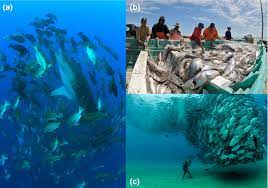
Seriously I wish they hadn’t tabled their findings! In a bid to submit their papers for their diplomas, they have given away the precious info to the locals that they seem to exploit for commercial gains. The earliest boost for their venture was the kudos that came from the Fisheries department itself that went against their grain. The department seconding to save fish is anathema to their founding principles and motto. No wonder, the plans fell flat in their face as the local fishermen refused to comply with the restrictions and started fishing vigorously in the delicately balanced marine eco system with the mother boats that made a killing catch every season of spawning (around new moon day a particular time of the year). Thus in matter of ten years the FSA fish count has dropped by over 90% . Human greed knows no bounds. Educating the local fishermen, bringing the awareness is a slow process but can work in the long run. Hopefully by the time realization dawns, there are still square tails left out in the Arabian sea/Indian ocean to make it to the Bitra reef for their annual appointed FSA.

Will the center look in and do something decisive about the protection of the Bitra reef and FSA therein? #narendramodi

I am banking on our Prime Minister Shri Narendra Modi ji on saving the floating marine reserve at Bitra and the annual FSA, saving the square tail and other fish species from extinction in near future. FSA is way of nature. We shall be making or breaking the natural cycle in Bitra shortly as frenzied fishing activity near the reef can drive the fish away from the FSA pool which for some evolutionary/geographic/scientific reason has been natural selection for the fish species since ages.

Posted in Environment

India doubles her Tiger population.

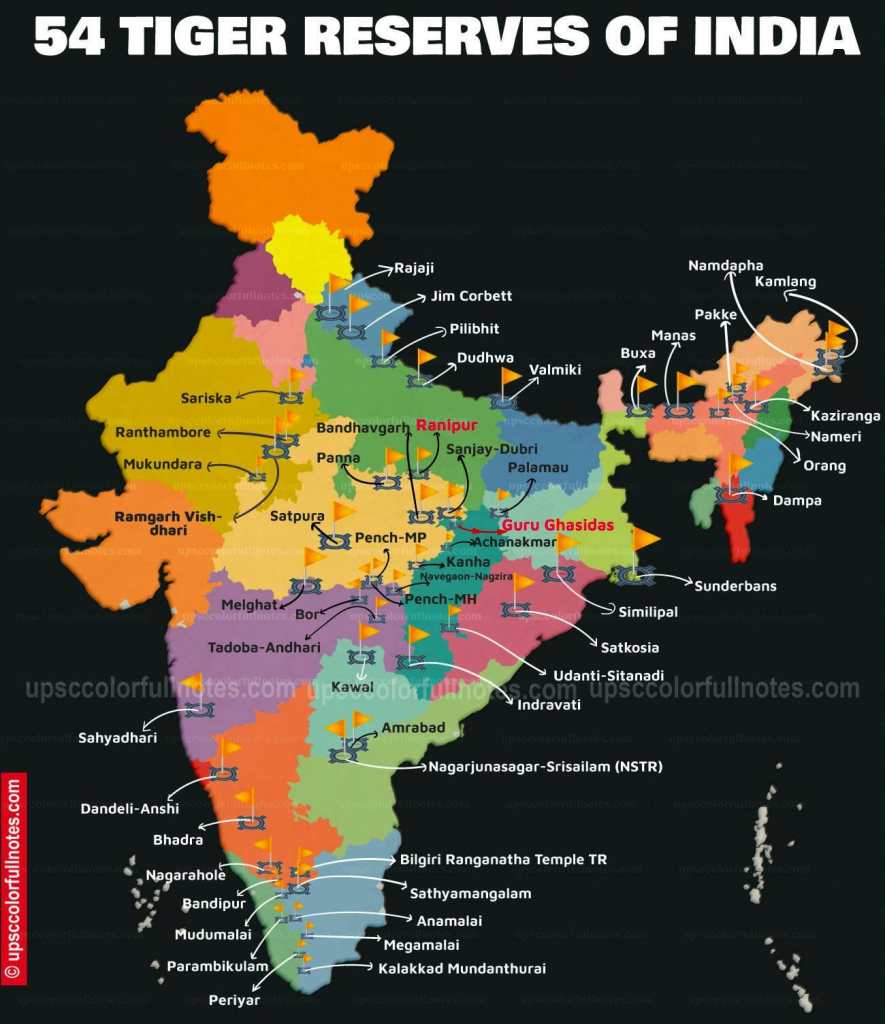
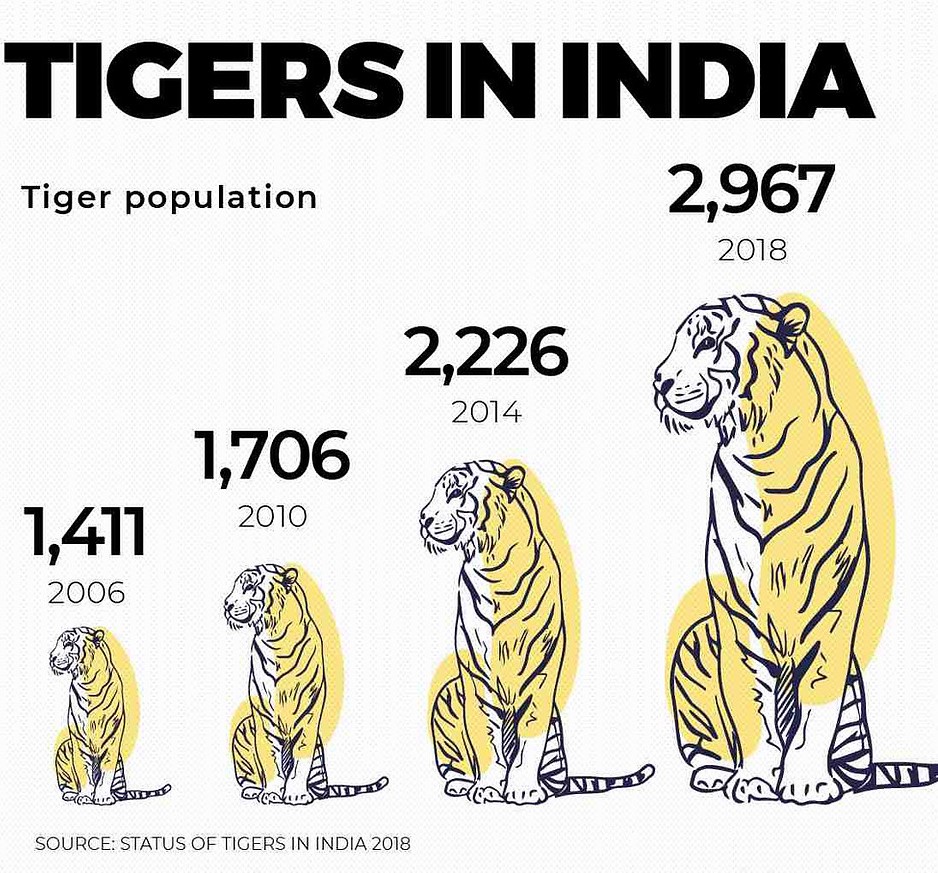
India Tiger Count tops 3000. Now pegged at 3167 as per latest census .

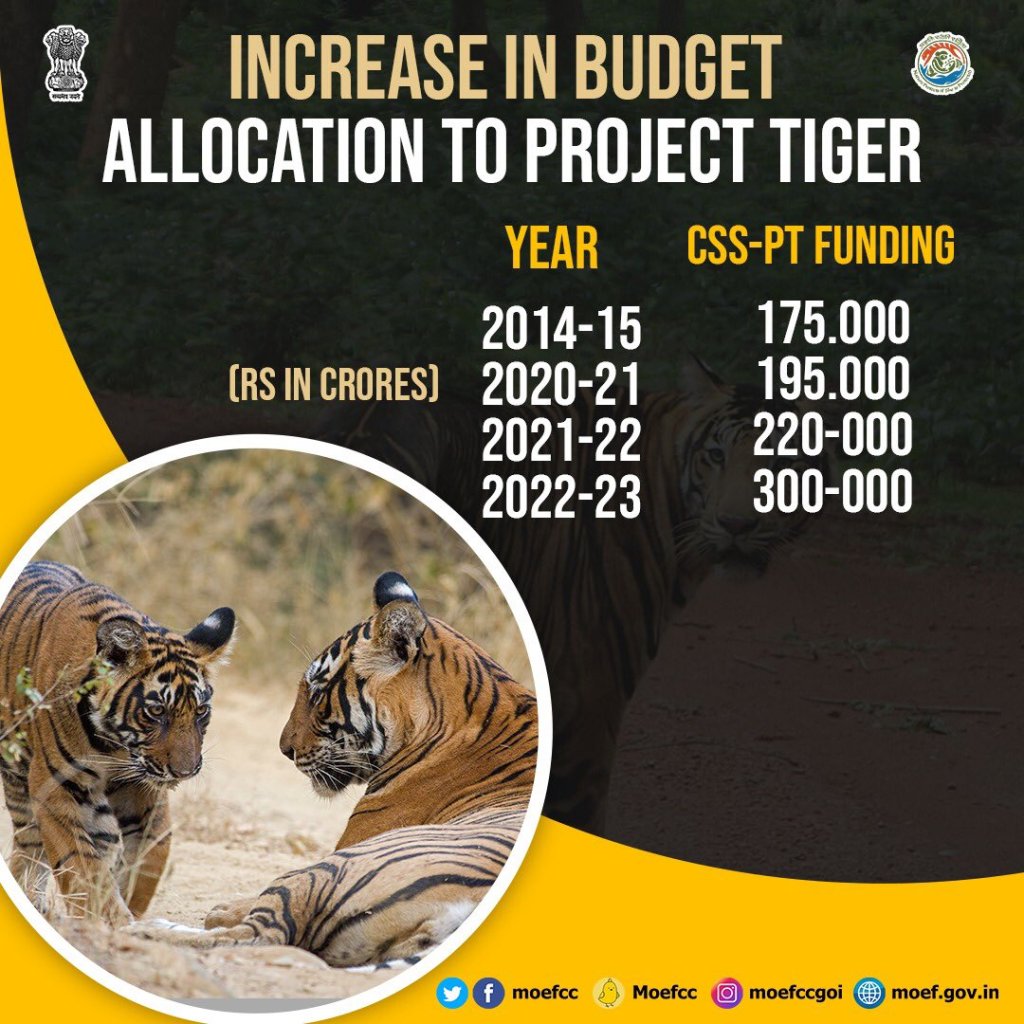
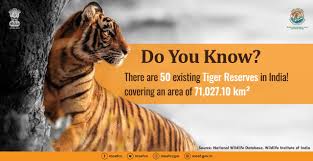
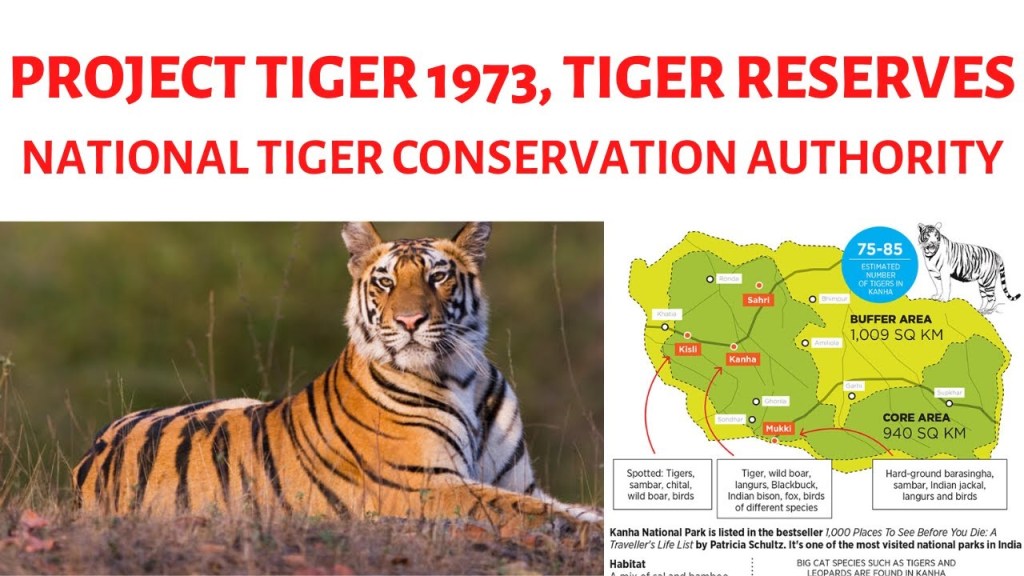
As we celebrate 50 years of Project Tiger in India that was rolled into motion way back in 1973 for conservation of Tiger the national animal, it emerges that India has recorded a doubling of the Tiger population since 2010. The thirteen tiger countries of the world met at St Petersburg in Russia at an international tiger conservation forum, the Global Tiger Summit where it was decided to boost tiger breeding doubling their count in the next twelve years by 2022. India achieved the target well within time. India accounts for 70% of the tiger count in entire world. Bengal Tigers and tigers from across India have seen a surge in headcount in the various wildlife reserves and sanctuaries spread around the country. India is also home to the native (Gir) Lions, (Indian/Asian) Elephants and a stunning array of wildlife – both flora and fauna. To those who ask why is our population 1.3 billion, this is the reason. For millennia we had the ideal weather conditions that nurtured both human race and the wildlife that helped them breed and thrive healthy and happy in this part of the world. As man and beast jostle for space in this cramped peninsular subcontinent of ours in modern times, conservation efforts are proving to be an increasingly tougher job. A highly bio-diversified country, India boasts of both the snow peaks of the Himalayas as well as the Thar deserts; the serene beaches of the south; the mangroves; the biosphere of the Nilgiris or the western ghats that are home to widest range of avian population in their rainforests as well as exotic fauna such as the sandalwood trees; the eastern jungles recording highest rainfall in the world per year. The elephant corridors and the tiger corridors of this country have been here for thousands of years, from long before recorded human history. Only in recent times they have cut short or taken over by human greed. As our prime minister visited Bandipur sanctuary in Karnataka from where he drove into Mudumalai wildlife sanctuary in Tamil Nadu right through the forests in recognition of the golden jubilee year of Project Tiger, the nation celebrates the big cats of the country with enthusiasm and vigour. Last year saw the re-introduction of Cheetah in India, brought in from Namibia. The native cheetahs of India were hunted down to extinction by the British (who are behind the extinction of many species of wild life) alongside the erstwhile royals of India.The nation mourning the loss of life of one precious fertile female cheetah was compensated with the arrival of four healthy cubs from a cheetah mom late last week.

https://www.thehindu.com/sci-tech/energy-and-environment/indias-tiger-population-in-2022-was-3167-reveals-latest-census-data-released-by-pm/article66716598.ece

adorable cheetah cubs born in India after a 70 year hiatus…

https://indianexpress.com/article/trending/trending-in-india/cheetah-cubs-born-in-india-after-more-than-70-years-8526389/

The Tiger countries of the world:  Bangladesh, Bhutan, Cambodia (locally extinct), China, India, Indonesia, Lao PDR (locally extinct), Malaysia, Myanmar, Nepal, Russia, Thailand, and Viet Nam (locally extinct).

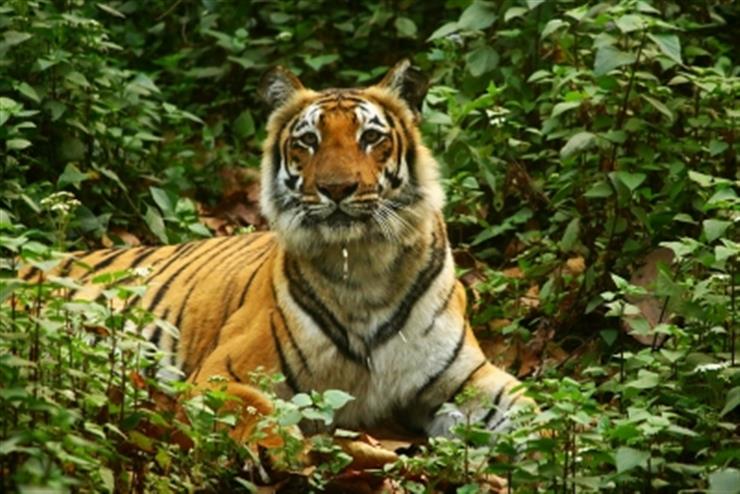
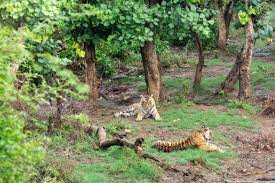
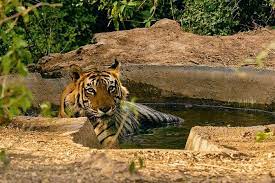
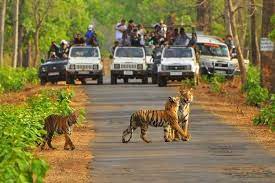
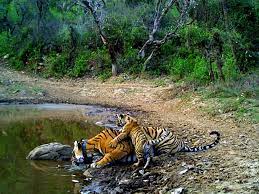
Rounding off with some adorable shots from the Tiger reserves of India. The disturbing image is that of the tourists, but then the tourists pay for the tiger conservation efforts.

Posted in Environment

What do the electric cars teach you.

Our family friend in south east Asia who is now a proud owner of an electric BMW revealed how the bonnet is EMPTY in the luxury sedan. Not a single mechanical fitting or oil tanks or exhaust. The bonnet doubles up as boot and there is enormous space saved. No smoke, no pollution. No noise. Just a 20 minute charge every night when you plug the charger into the power socket in your carpark. There are enough charging stations around the country for you to go on long drives without a headache. The electrical vehicles are here to stay.

The first time I saw an electric car was in Italy where every single two seater miniscule car (if you can call it that) was electric and there were charging points in every street. I could see quite a few of these automobiles plugged in for recharging. Entire Europe already seemed to have gone green with no pollution. Only the aviation industry functioned on fossil fuel. India too has signed the Climate change agreement and will be opting for green energy entirely by 2030. It will be a great cost cutter to the third world nation whose sizeable chunk of export bill is for oil and gas. Power shifts can take place after the phased smooth sailing into green energy when oil will lose steam in the world market. Middle eastern countries are already factoring in the inevitability and working on that. Aviation industry and shipping will be the last to exit fossil fuels. LPG or natural gas will continue to be in demand for a century or two before technology takes over.

But I would like to underscore here a different dimension that emerges with the electric cars. Tesla is not just a trend. Tesla is pathbreaking. What does the electric car teach you with the empty bonnet without the coils of tubes running around, with no radiator. Can you imagine your SUV without its fuel tank. When the extra fittings go, you save a lot on space and costs. It means, technology gets that much outpaced at a very short interval. The days of the petrol cars are almost over and we are in the last leg of fossil fuel use for automobiles in the world. This spells chaos if not disaster for the traditional automobile industry that has to gear up for a tectonic shift in the technology and industry. I can foresee the mechanical automobile sheds throughout India downing their shutters already. The electric vehicles will render the automobile engineers redundant. Electrical engineers will have their momentary spot under the sun. Electrical engineering will make a comeback, but core engineering never goes out of season. A good percentage of mechanical engineers will be out of job as well. World will adapt because we have grown out of VCRs, CDs, floppy discs etc., right in our own time. Autocad sent home the draftsmen packing. There will be a major upheaval of not just the Indian economy but of the whole global economy as the world will gradually make a conscious choice and move to green energy.

For me, the takeaway from electric cars is that, nothing is indispensable and none is too great. It takes not much for someone or something to replace you in no time and you go down the lane of the oblivion. I have been living in and out of India for a quarter century now. I have met dozens of nationalities in my life, i have been with every single race, language and culture people that you can imagine. Success no more impresses me as one after another our friends drive down in their BMW or Audi like the three wheeled auto that is popular in our Chennai roads. Success is multi faceted acquired in multiple hierarchies in diverse fields of occupation from banking to engineering to art and literature. I may not have rubbed shoulders with successful people but I am in their shadows all the time as I see how men and women excel in their accomplishments, each of which is a laurel and story worth writing about. I am in admiration of fellow Indians who have left no stoned unturned to make not only a successful life for themselves, but to contribute towards goodwill for India at the same time. Nothing nowadays impacts me: success, money, brands, glamour or glitz. You name it, I have seen it all. I am never part of that. I am in the sidelines watching and clapping hands. I have seen some greatest works of art and quite a few pieces of marvelous engineering. I guess I have traveled a bit and been exposed to all extremes. Just this week I was in -19, 09 and 9 c in mere three days. This is my life. There are the five star health centers and seven star hotels. There are these nubile nymphs and the tall brooding handsome men in all their sophistication who go about in chauffered limos. There are cruises that can take you to the high seas and there are shows and events where socializing and partying wild are the order of the day. But I know the superficiality of all that around me and where I must focus. What I do look for is that elusive strength of character that marks the real men and sets them apart. I am touched by humility in men in the face of huge success, I am drawn by elegancy and grace of someone’s persona. The aura of a good and successful man has the magnetic appeal that you know a decent man when you see one. Invariably these men know their vulnerability in the order of worldly things. They are aware that they are but a tiny speck, a spot in the galaxy of universes and nothing at all matters. Understatement always scores a quiet point.
The displacement of the fossil fuel and the ushering in of the green era is a reminder to humanity how change is inevitable and we are all helpless in the face of changing tides. Change brings with it growth as we outgrow some phases. I keep wondering whether India can live up to her word. But I guess we can, because the world wrote off India during the pandemic. We ended up mass producing the corona vaccine and supplying the poorer nations the life saving shots for free. India is thus an enigma that can surprise the onlookers. Hybrids are already in the Indian streets and I have been in hybrids in the US. I am looking forward to owning electric car in Chennai someday soon.

Posted in Environment

Welcome back Cheetah!

the fastest land animal Cheetah back in India after a 75 year hiatus.

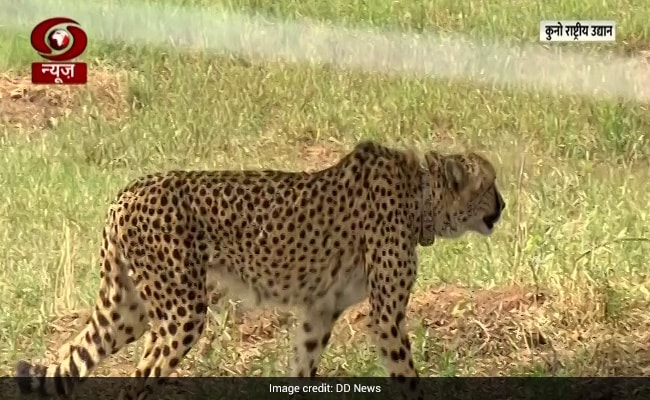
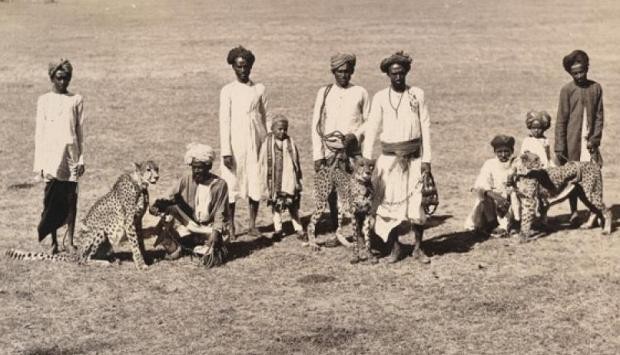
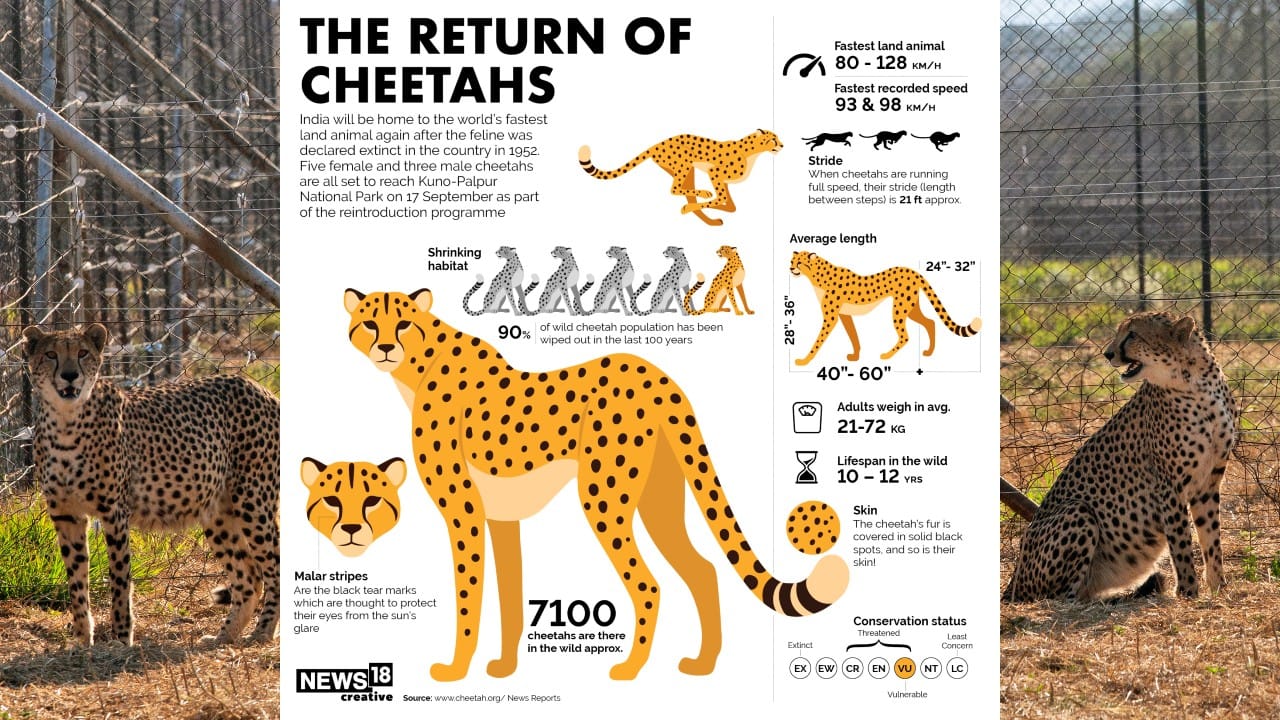
On his birthday (today), PM Shri Narendra Modi ji presented India with a gift like none other: the fastest land animal CHEETAH, long lost to the country for over 75 years now. Driven to extinction thanks to relentless hunting by the British in team with the princely state Maharajahs of pre-independent India, the Cheetah’s exit has been lamented unanimously by the wildlife lovers across the nation.

the native Indian Cheetah hunted down to extinction in the Raj

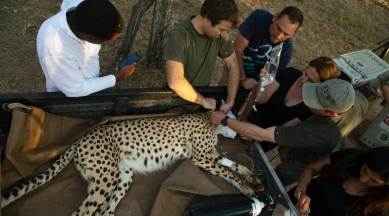
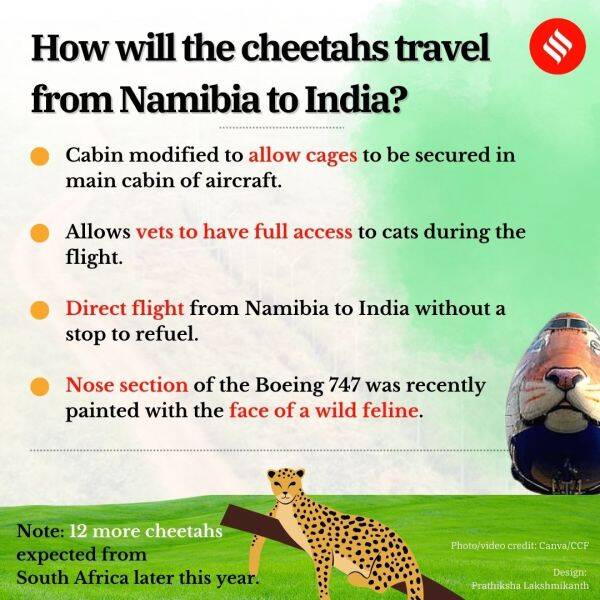
Govt of India has reintroduced the African Cheetah back in India, as eight of them have been procured from Namibia after due quarantine and bureaucratic formalities. PM Modi released the radio-collared cheetahs this morning into the Kuna National Park, Madhya Pradash that will serve as the new home (range) of the felines. India is home to other big cats such as the (Gir) Lions, the Bengal tiger and the leopard. The cheetah has been sorely missed. India is also home to the Asian/Indian Elephant (Elepha Maximus) and other exotic wild(life) flora and fauna species. The world has very few bio-diversity spheres of staggering range like we have here in India. It is all the more our responsibility to see to that the wildlife are conserved well in our country so that we need not have to show our children tiger and elephant in science text books or zoos. May generations of Indians go on jeep safaris in our national parks to savour the natural sightings of our wildlife species. That’s an unparalleled life experience – an adrenaline rush that cannot be put into words. As someone who has sighted wild elephants although in the shoulder areas adjoining our wildlife sanctuaries rather than within the contours of our national parks, I can relate to what the cheetah means for India and our wildlife enthusiasts around the country. There are park aficionados among us and committed wildlife photographers devoted to their passionate hobby whose entire annual vacations are reserved for safaris in India and Africa. There are religious wildlife wardens who take their official duties rather seriously because of whose tremendous efforts, conservation is on track. And then there are those like me! Expressing my heartfelt gratitude to PM Modi for giving us Indians back the cheetahs, and sending him my birthday wishes. Our Forest department will take the best care of the cheetahs that have come home to us. Let us wait for them to settle down in their new natural environs where they will be sharing their range with lions and tigers and elephants and leopards of India. I wonder with their bullet train speed, how many states of India will they be setting their foot in through connecting wildlife corridors. Over 50 cheetahs to be introduced to Indian wildlife sanctuaries in phased manner the first leg of which was flagged off at Kuna this morning. Welcome back home CHEETAH!

Posted in Environment

Sonepur Elephant Fair.

The Haathi Bazaar

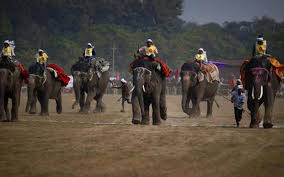
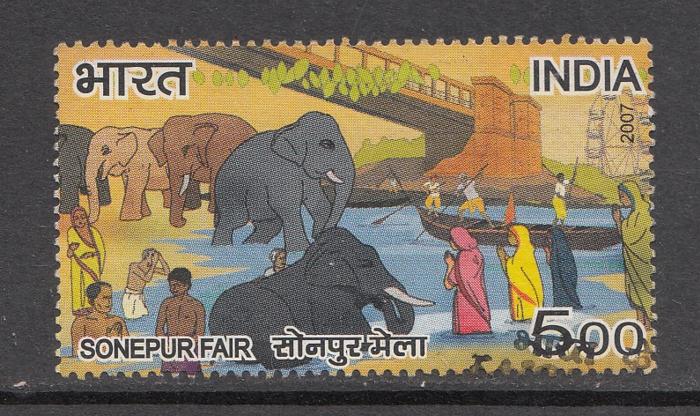
Sonepur Cattle Fair, the largest in Asia, attracts visitors and traders from all over Asia. But it is news to me that even elephants were once bought and sold in the fair. Normally the cattle fairs in India feature the bovines, the canines, the fowls with the rare camel thrown in to complete the scene. Believed to have originated in a Suryavanshi (forefathers to Lord Raam of Ayodhya) king’s time, the fair is referenced to have been held in Haripur during the reign of Lord Raam . The venue was shifted to present Sonepur at the confluence of the rivers Ganga and Ghandak presently in the state of Bihar, by the Mogul emperor Aurangzeb. Elephants were part of the fair even as early as the Chandragupta Maurya period when the world did not have Islam. Sonepur cattle fair is one more ancestral ethnic chainlink in India that has been passed on through generations without a break, having survived since the Ramayan days beating all odds. It endured the invaders from the Middle east, Turkey, Persia and Afghanistan. It was celebrated with a flourish in the British Raj when it became a highlight with the trophy hunters of the wildlife and the exotic species. The tradition of the mela continues to the present. The mela was held in the year 2018 with all the fanfare associated with it.

Haggling over prices in Indian village style hands clasped under a piece of cloth with the finger count, is some custom that has thrived over ages as well! This is how rural markets in India operate when it comes to dealings in livestock. The animals brought to the fair include dogs, Persian horses, donkeys, ponies, rabbits, cattle, sheep, goats, buffaloes, camels and elephants.

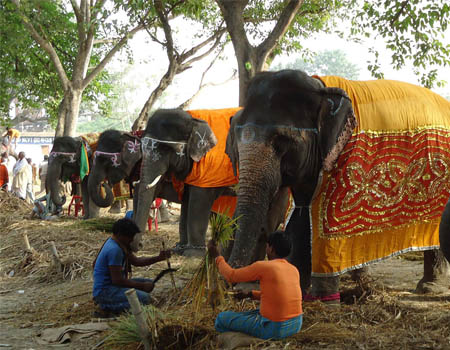
Elephants were traded in for the revenue resources they were to their owners, serviced by devoted mahouts. Captured from the wild and domesticated, they were leased to circuses and temples and festivals if not sold outright. Their tusks made for the coveted ivory, hardest over metals. A pair of ivories always made for a grand and matchless mantel piece in aristocratic homes be it the princely palace of our maharajahs or the well appointed English estate. No wonder the tuskers fetched an astronomical price. I just googled ‘ivory price today’ and there were entries screaming ‘ivory prices treble in China.’

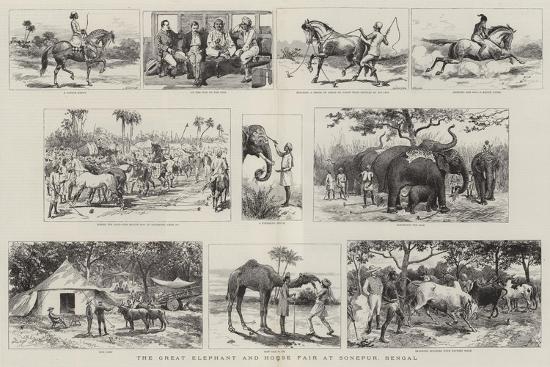
Elephants are strictly prohibited from being bought and sold in the Sonepur mela which is a good move. The last year the elephants were traded in was 2004. During British era, hundreds of elephants were brought to the mela to be bought or sold. The numbers fell with the independence. Now the elephants mostly parade for the show. But the old clippings of newspapers reveal how highly prevalent was the elephant trade practice at Sonapur and how interesting that might have been. The pachyderms were the showstoppers of the Sonepur mela.

The Sonepur Cattle Fair may be held about once in five years. The last two were held in the years 2013 and 2018. The mela’s tenure may run upto one month during November-December.

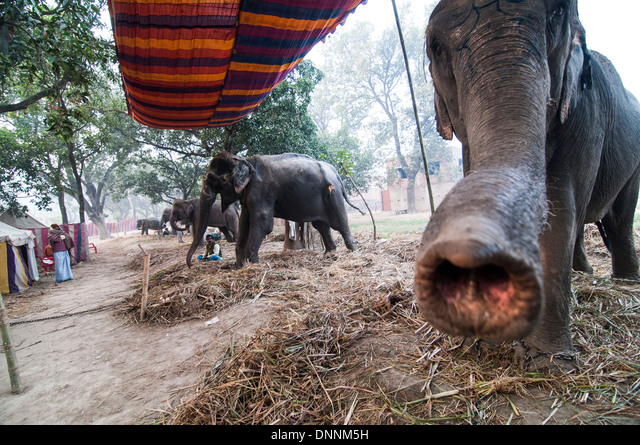
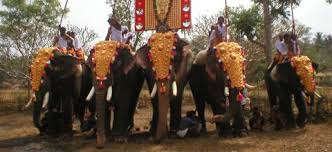
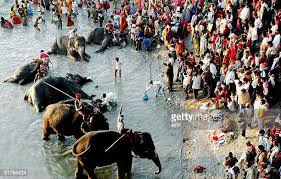
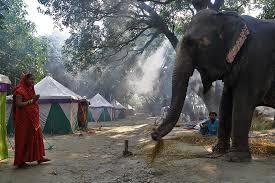
Here are some interesting pictures from the Sonepur Elephant Fair that was an integral part of the Sonepur mela until twenty years back.

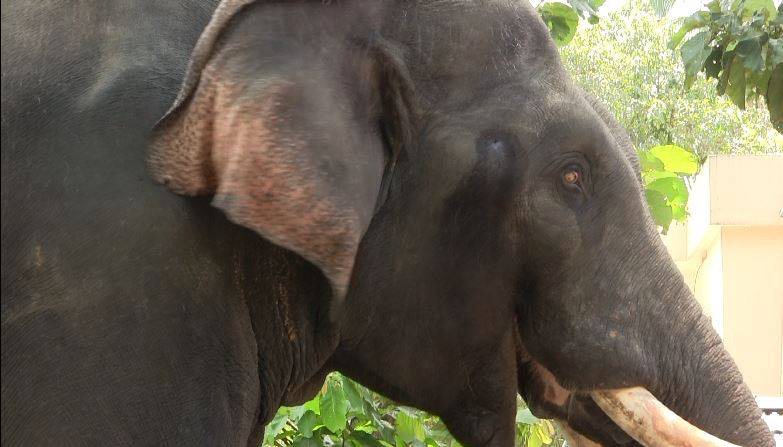
The Sonepur Mela is happening Nov-Dec right this year 2022! A grand affair, the festival now is officially government sanctioned and sponsored, generating transactions worth crores of rupees. A tourist delight, the mela is a huge crowdpuller lacking nothing by way of entertainment. However I am limiting the scope of this post to the elephants that were the highlight of the fair from time immemorial to the turn of the century. Ban on elephant trade points to conservation efforts for protecting the natural habitat of the Elephas Maximus, with a view to checking the man-elephant conflicts, preserve the elephant corridors and see to that the Indian elephant belongs in the wild and not in the temples or in festivals or circuses. All these factors can contribute to pushing up the elephant population in the country. And India without the ubiquitous elephant is hard to imagine.