The Saguaro/Sonoran deserts from Arizona to Mexico have always been on my mind ever since I got transfixed by their beauty and endurability when I got introduced to them in Natgeo. That was years ago. Imagine driving through the stretch from Phoenix to Vegas in 2017-18 when I had a chance to visit the Hoover Dam and the Grand Canyon. Both were in my bucket list of course! Hoover dam was especially the top favourite with the men in my family who are both civil and structural engineers. They wanted to check out the design of the dam and look up the engineering details, as the construction site is nearly impossible for human access perched on rocky canyons. Underneath like a thin blue ribbon runs the mighty Colorado, a bird’s eye view from the cliff tops. With luck you can pick out shapes kayaking down the river. Understandably hundreds fell to their death as the project took shape over decades. The reservoir is the chief supplier of fresh water from the river Colorado to the arid states of the US the Arizona and Nevada that are desert states as parts of California. The construction of the Hoover dam remains unparalleled in human history. Its an engineering marvel and could be easily a modern day ‘wonder of the world.’ The reservoir is the life source for the parched west coast of America. The Hoover with its architectural design is also a feast for our eyes. For me, the inspiration was the picture ‘Fools rush in!’ Anyway, looks like I have a karmic connection with the west coast! The Saguaro – Sonoran desert became a surprising reality in my life just as the Hoover dam did. I could sense the ‘deja vu’ moment because I did want to be here and I do believe the universe conspired to achieve it for me! Mexico just across the border has a state named after the Sonoran as I see from car numberplates in Arizona. Desert vegetation can be interesting and intriguing. I have been a resident of Middle east for over fifteen years now on and off. There the oil rich sheikhs import and transplant the Amazonian trees into their limestone soil that water cannot percolate. Rain water in arab countries gets surface-drained for this reason. No seepage down the limestone terra. So the transplanted trees from across the oceans, come with about twenty to thirty feet of amazonian soil with a good diameter, to ensure that the roots do not shoot into the limestone wall and die away. Watering the trees is another challenge for which the desalinated water is used. Desalination plants are already turning the sea coasts around the Arabian gulf into environmentally hazardous zones. The marine life ecosystem around the entire Persian gulf coastline is threatened as the Arab nations ramp uptheir desalination plants dumping toxic brine in international waters.

The native vegetation seems to thrive only in the open deserts in middle eastern countries as the cities and urban developments see increasingly the transplanted trees and plants from other parts of the world planted in their parks and gardens and sidewalks and homes. Date palms are an exception to grace the cityscapes from the native Arab fauna but for which the Arab cities don a fake festive green look with their manicured gardens and their impeccable lawns, flowering creepers, shady trees etc. My hometown is the monsoony Chennai from south India where sometimes the seasonal rains can lash for months together. Even here we don’t seem to boast of the kind of exotic trees and vegetation that the Arab countries seem to show off!
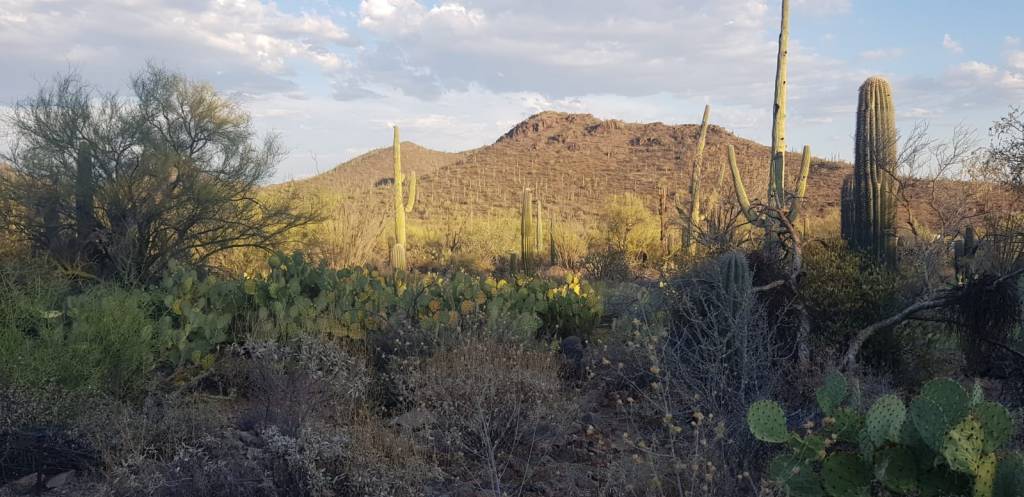
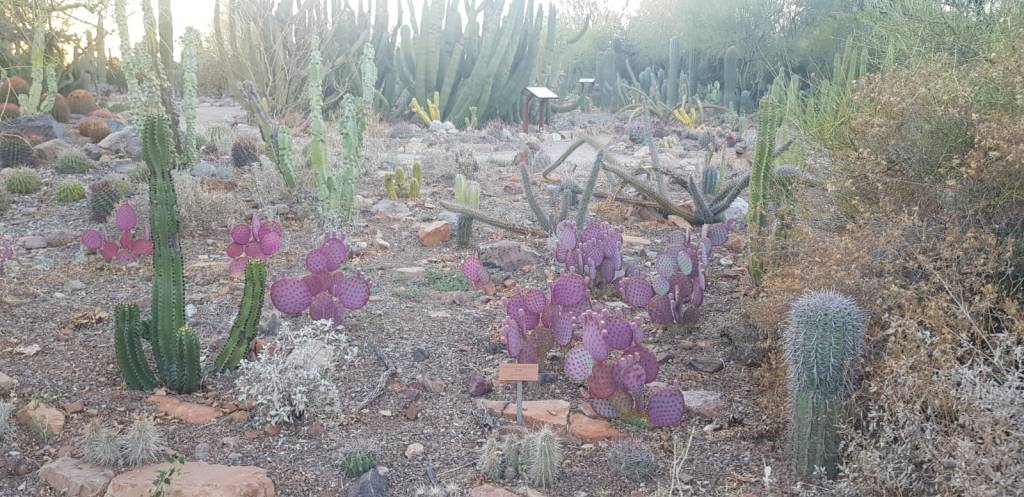
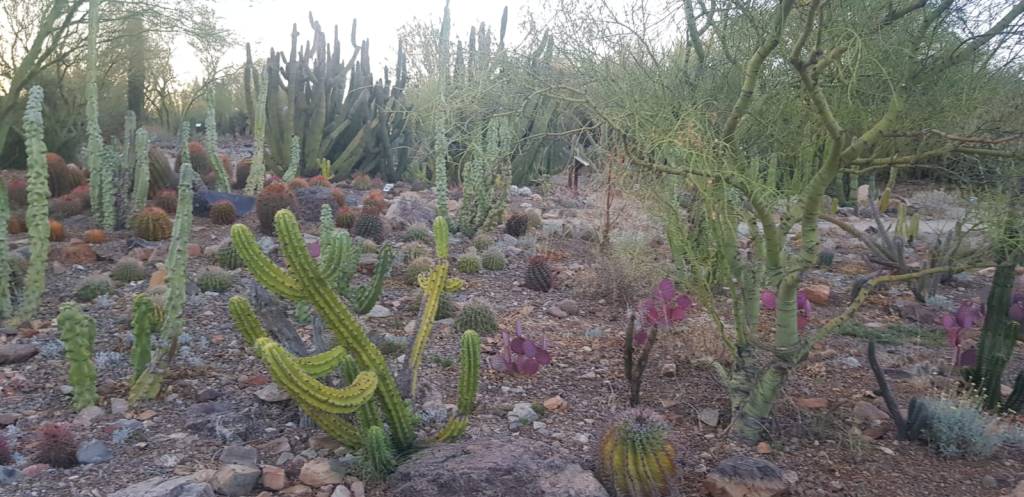
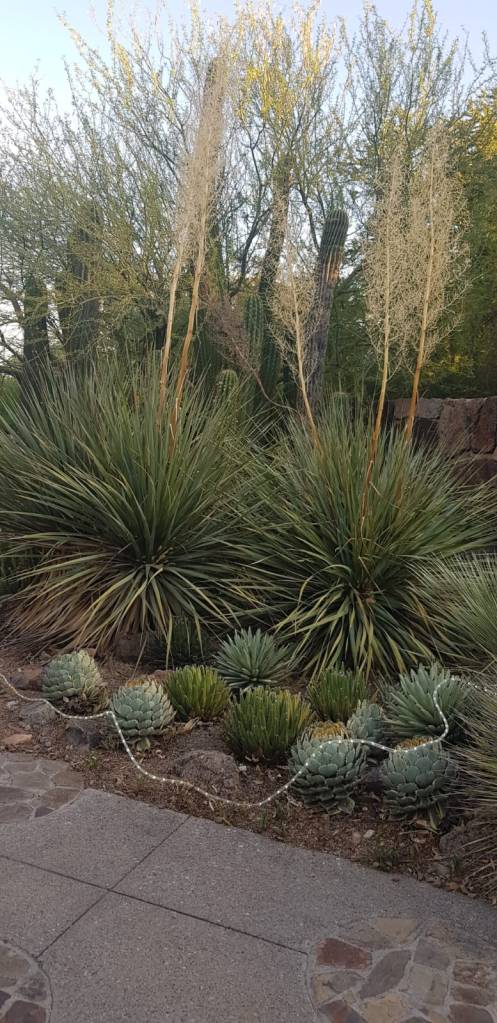
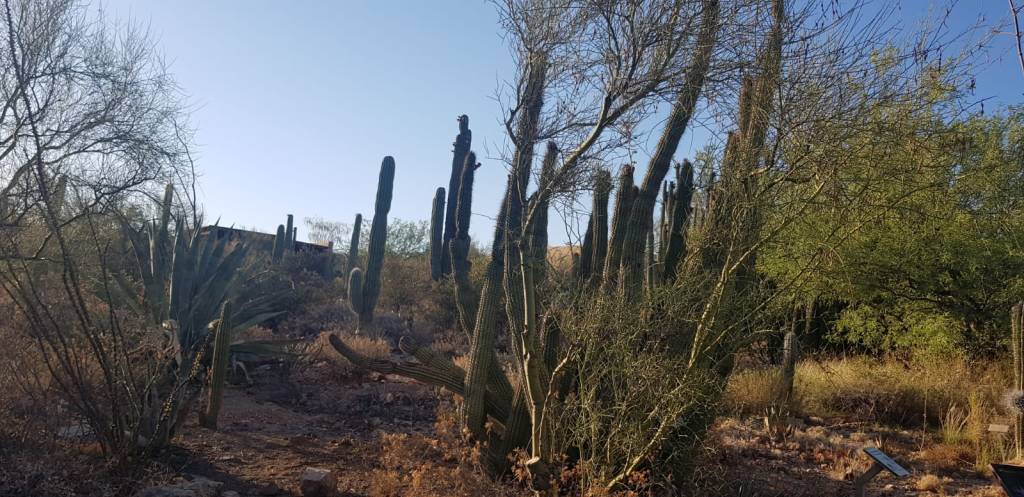
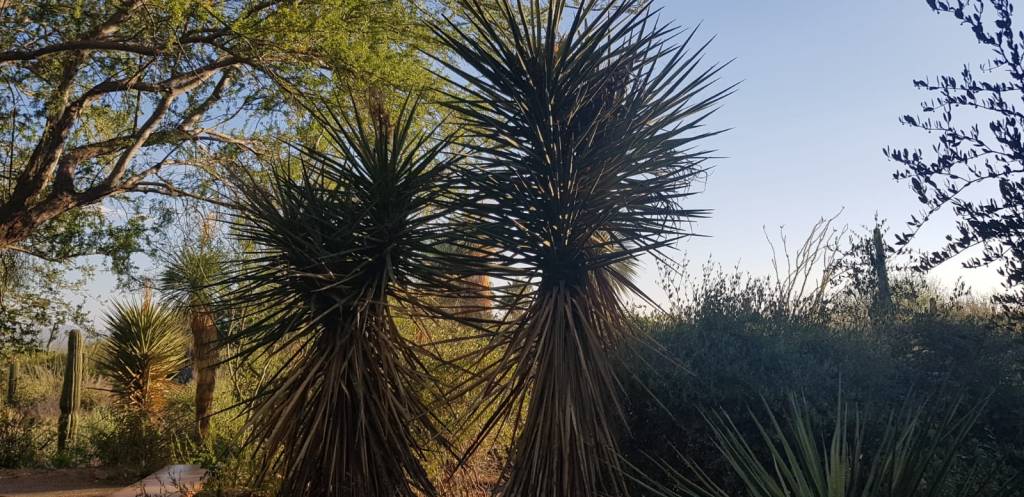
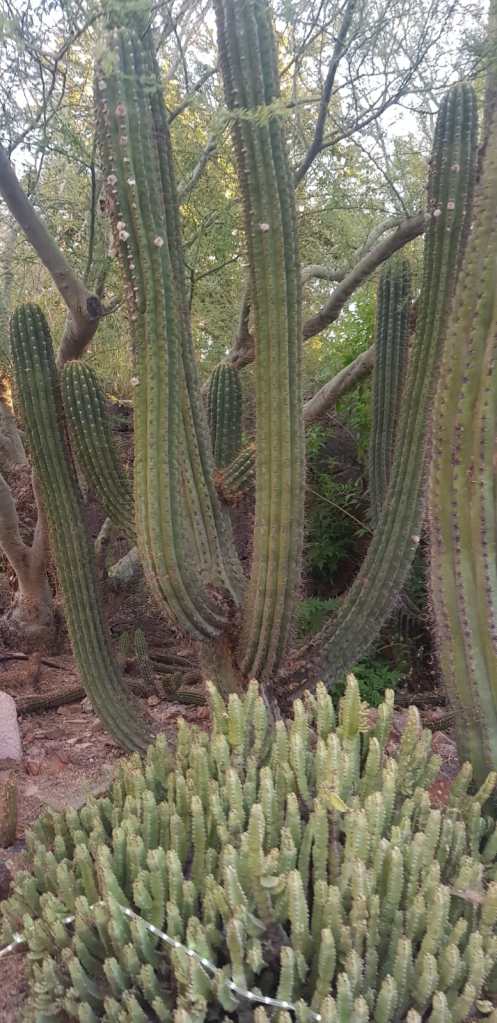
After the middle-eastern make-believe green carpet cities, Tucson comes as a breather with its beautiful bouquet of myriad cacti species, succulents you cannot keep count of, thorn bushes and creepers. Nothing seems out of place and everything fits so natural. This place is a rugged beauty: with altitudes shrouded in desert vegetation and getting chiller by twenty to thirty degrees. A mere one hour drive, there are cooler chimes to hang out for the weekends with cabins available for sleepover. Frosting at higher altitudes in the thick of desert summer is truly a wonder of nature! I am savouring the backyard gardening in the city where the best is made out of the worst available choices. The Mexican styled adobe homes I understand have cool interiors to minimize use of air conditioners. The individualistic homes are a style statement. Class with character! Spartan and minimalistic, thoroughly an understatement. In summers when temperatures can soar upto 120f the adobe homes can keep you cool the traditional way. The simple architecture without any fanfare, the neat lines, use of local construction material that are eco friendly, the efforts that go into preservation of the local vegetation, the streamlining of every single procedure that makes life easy for anyone and everyone – these are the things I have come to respect most about this place as anywhere in America. The desert vegetation is proudly nurtured – not hitched out of your sight the way it is done in the middle east. The succulents look aesthetic in the backdrop of the rocky Catalina. There are the spiked ones, the thorned ones, the branching ones, the stumps that shoot up to the sky, the fat stubs, the rounds, the thin reedy ones, the purples, the greens, the flowering ones that bloom by the evening as the sun sets down… the range is stunning. The landscape is surreal at times with the profusion of the cacti families of every single shade and shape that you can ever conjure up in your mind! The orange orchids and the bougainvilleas seem to infuse some colour into otherwise dry desert hues. The saguaro desert with its tall standalone cactus trees like proud old men is nature at its best. How many years do they live? A hundred? Or two hundred? Neighbours all. What would they talk to each other? Tens of thousands of them! I looked at the calm unfazed steadiness with which the saguaro trees dotted the protected areas. In close-knit groups in places. Spaced out at others. Miles and square miles of them. The saguaro-sonoran deserts are wild forest reserve. Bio-diversity one may find here is geo-specific to west coast of the north American continent. The desert vegetation also sustains a host of invertebrates and vertebrates such as scorpions, garden lizards, rattle snakes, javelinas, red and gray foxes, bob cats, coyotes etc. All the living species and the succulents of Arizona make the place thriving and bustling with activity all around the year! The conservation efforts are about preserving the desert vegetation elemental to the west coast rather than trying to green the sparsely fertile rain shadow region unnaturally with transplants brought over from the tropics . Monsoons are a rarity but Tucson is a lot luckier than Phoenix which is warmer than the former by four to five degrees. The pictures I have posted here hardly do any justice. Captured on my old Samsung Note 8 in the Desert Museum of Tucson, they can still be impressive.



 vijiravindran's