MILLETS THE SUPERFOOD OF INDIA
Millets are the natural and indigenous food of India consumed by our ancestors before the British popularized rice and wheat as major wholegrains in the country with their arrival. The village food was finger millet porridge that was standard breakfast throughout India especially south where we don’t have a distinct winter. Ever heard of our parents and grandparents being treated for hypothyroidism or thyroid malfunction? Hypothyroidism is found in one out of three individuals in modern times and could be responsible for delayed pregnancy in women taking time to conceive. It means, our thyroid gland functions less than normal that we have to supplement its production with external dosage. Iodine deficiency is cited as chief reason for thyroid under-function. Different countries manage the iodine issue that is commonly prevalent, in their own ways. In India, iodine is standard addition to common salt. Some western countries add iodine to their staple bread. The hypothyroid condition requires lifelong intake of thyroid dose first thing in the morning, on empty stomach. Negligence of hypothyroidism can have adverse effects on our other physiological functions and even induce depression. (Hyperthyroid, the overactive thyroid condition is rare). The typical hypothyroid symptoms are hair fall, abnormal weight gain, mood swings, inexplicable tiredness, infertility issues such as irregular or delayed periods etc.
We Indians have totally moved away in last one or two centuries, from millets that stood us in good stead against hypothyroidism and other lifestyle conditions. In recent years, the millets have found their way back to Indian diet which is a welcome relief.
While chitchatting with my gynecologist niece, I was told the following story. My niece is 35 years and is already well experienced with delivering babies both normally and by cesarian section. She deals with all fertility issues and women’s health problems in general. She is an infertility specialist albeit the old way. Not the one for IVF, she achieves good results with medical advice underscoring diet change, exercise and proper stress-free life and rest and relaxation for women to conceive naturally. She insists, natural selection works best over manipulative fertility techniques that are the reasons behind increased cases of autism, etc., in newborns/young children. Young women today also lack the patience of a would-be mother, unwilling to wait to conceive without medical assistance. They want to jump the IVF bandwagon which is not a healthy trend.
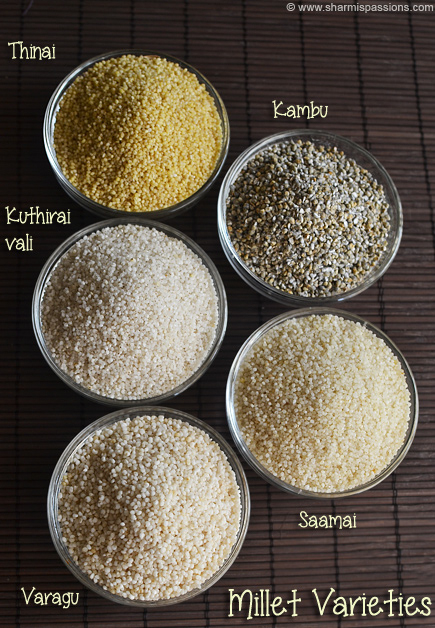
A30 year old working woman came for consultation to my niece who was advised 75 mg daily dose of Thyronorm, for her thyroid issues that were delaying her pregnancy. On thyroid regulation, after an year, the woman conceived and later delivered a healthy baby by normal delivery. My niece handdelivered her baby. For postpartum check-up when the woman came to the clinic after a 6month period, my niece inquired with her whether she was continuing with the thyroid pill. To which the woman said, she had since stopped forthwith the pill as her thyroid returned to normal. Not believing her, my niece ordered a thyroid test for her which came out negative. An allopath with more than seven years of rigorous practice, my niece asked her how this could happen. She was bewildered as a trained medico. The woman said she had totally left wholegrains and had moved one hundred percent to millet since her delivery. Foxtail millet, sorghum, pearl millet, finger millet, barnyard millet, ditch millet etc., now comprised her everyday intake. She said goodbye to the conventional rice and wheat totally and absolutely no flour (maida) in her food.
We are aware of how Ayurveda and Siddha schools of traditional Hindu/Indian medicine stress on the intake of India’s own native millets for health reasons. Gluten is mainly found in wheat and rice grains and flours which are western (American/European) food habit, thrust upon unsuspecting Asians when we were colonized. Wholegrains such as rice and wheat are also convenient and economical for nations to mass-produce. HOwever as the Indian economy picks up pace, perhaps we Indians can now afford to have millets back in our platter. Its time to get back to India’s traditional food that we our forefathers have had for millennia.
Millets now therefore have become a medical advice for my niece to share with women who consult her for infertility/pregnancy matters. She shares the story of the millet woman with everyone these days to bring forth a change in our dietary habits.
Millets already figure in our daily menu. In summers our breakfast is mostly millet porridge. When millets are there, why should we import oats? Oats too contain gluten. Oats are foreign and millets are desi/Indian. But I do see increased consumption of millets across the spectrum in India.
Millets have always been celebrated by rural Indians especially Tamils. The july-august month sees finger millet stew mixed with buttermilk distributed in all Shakthi temples, in the Tamil month of Aadi. If you pay attention, you will notice that epidemics like measles break out during this season after a harsh summer and as the south west monsoons make a landfall. At this cusp we have fertile grounds for germs to spread infections. For the body heat to cool, the finger millet porridge with buttermilk is ideal for consumption. It is also a season for murunga trees to bloom. Moringa as they are called in English is a native Indian tree that is totally power-packed. Its yield is murunga kai (drumstick like veggie). Moringa greens also are rich in nutrition. Very light on your pocket, moringa is lapped up vigorously by Tamil people. Moringa trees grow everywhere. Takes nothing to grow it. Together with millet porridge, moringa completes very healthy menu for Tamils in the months of july-august to fight the spread of heat related ailments in the neighbourhood. Moringa by the way is also No.1 natural fertility dosage. A must in our weekly menu.
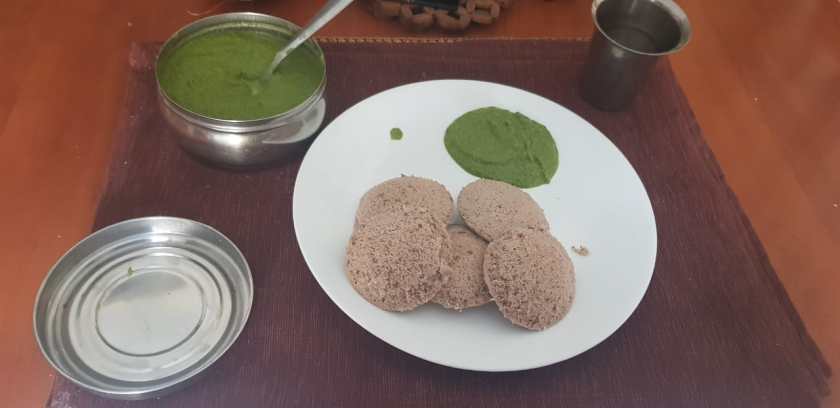
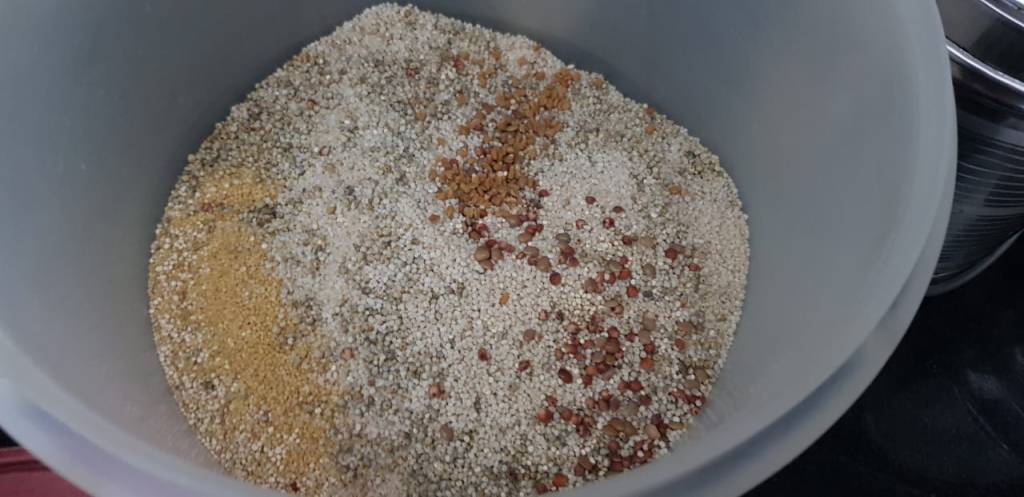
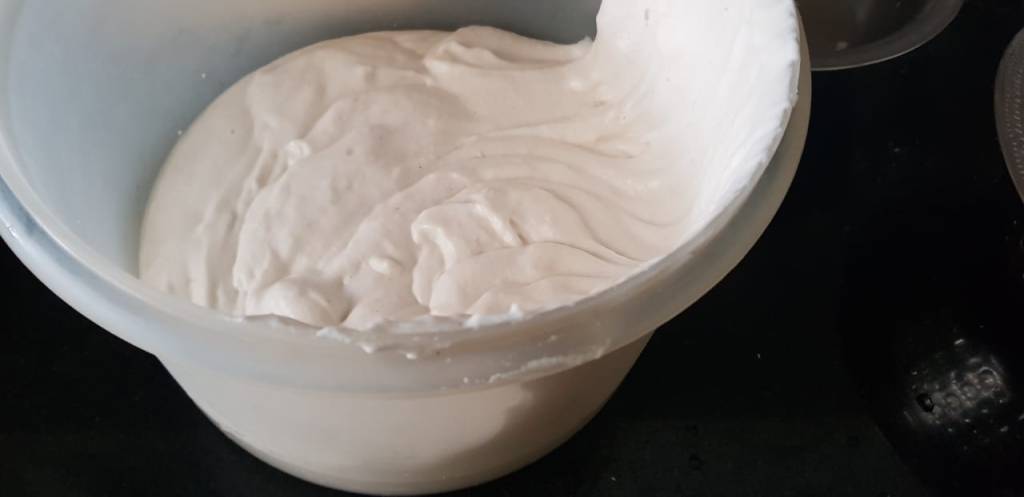
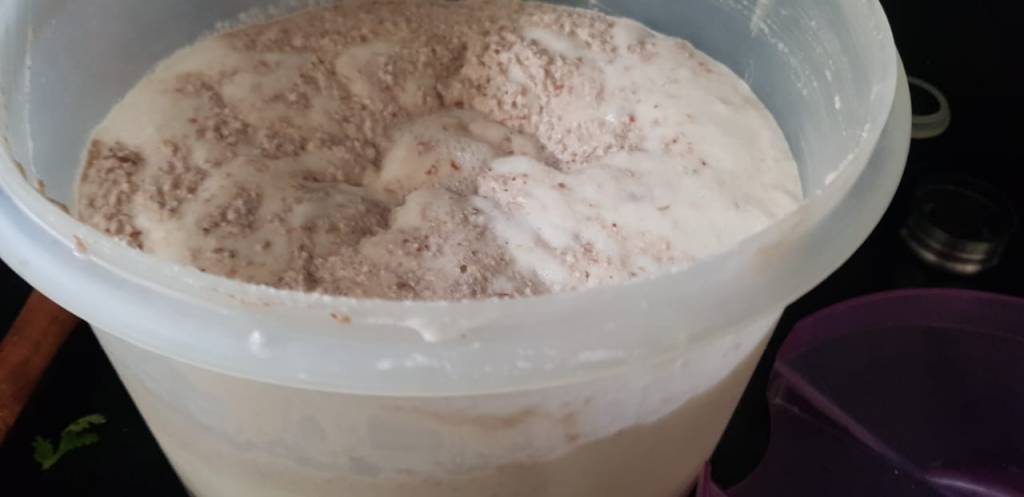
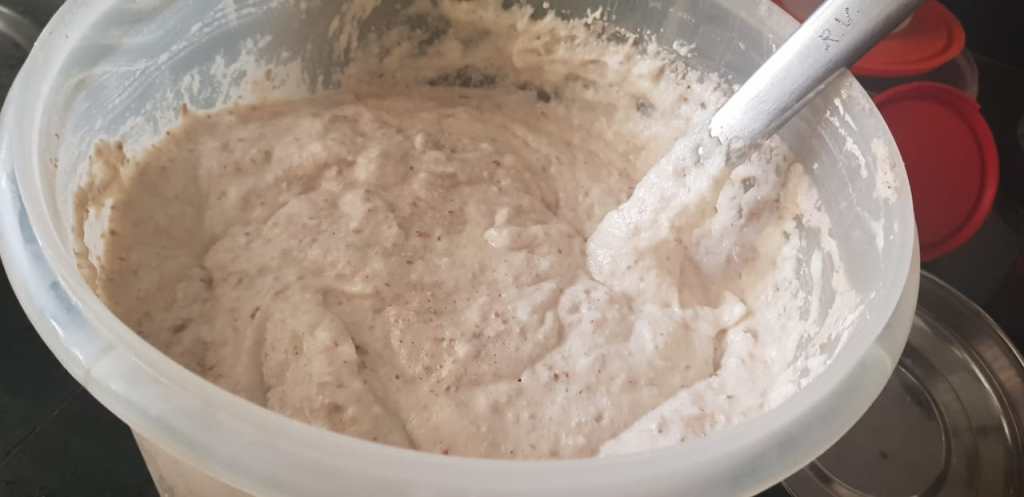
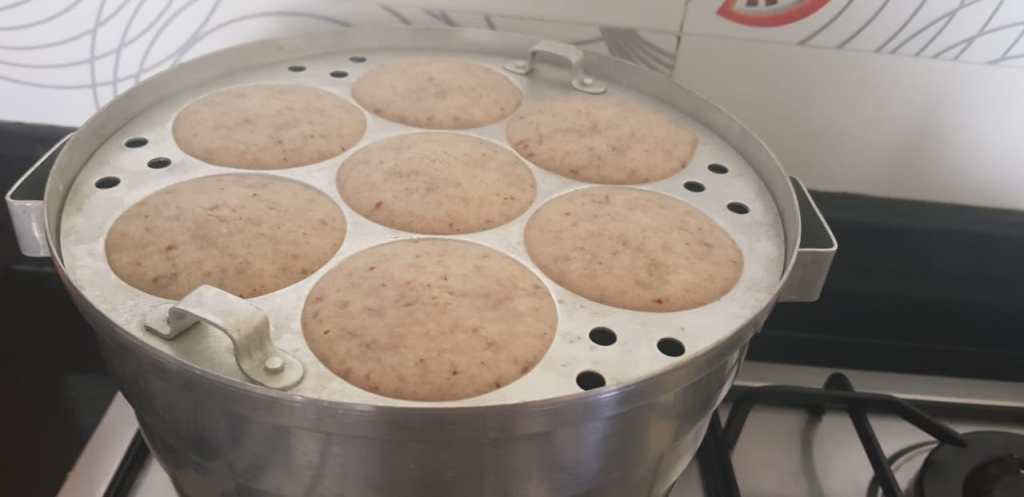
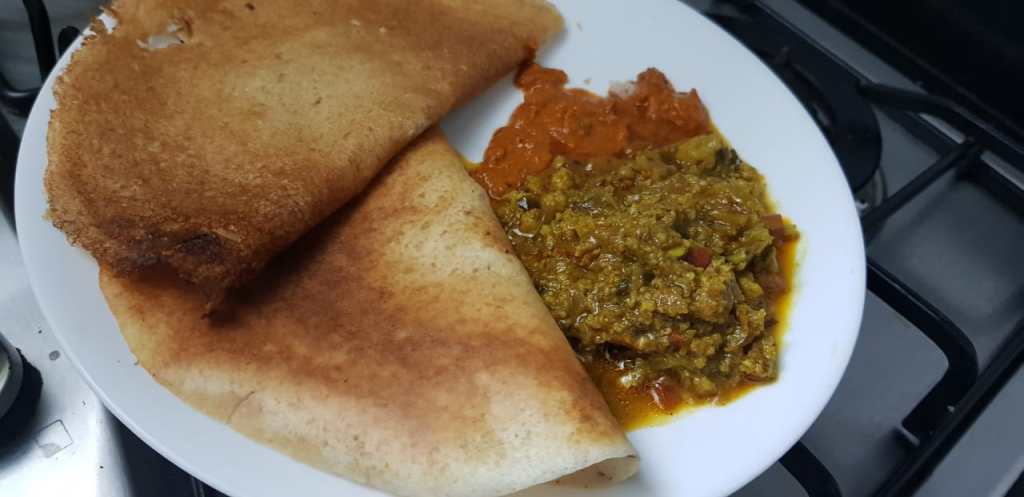
Presently I add millets to dosa/idli batter and even atta (wheat flour) to get both consistency, taste and nutrition. Suggest inclusion of millet in every form in our diet. Millet sweets (mittai) have made their beginnings replacing atta/rice in the city and millet savourites (chaklis) (murukkus) are also on the offer. Its time to gradually switch over to millets from wheat/rice to reap the benefits of the range of millets India has to offer.
In G20 held in Delhi last year 2023, India showcased the magic food of the country the Millets. Visiting dignitaries and diplomats and other guest got to savour the millet taste of India.
Its time for India to patent our native millets and also the millet-hypothyroid connection. Otherwise, expect America to do it before you like they have done with our other native foods with medicinal benefits. Moringa also is now theirs even if it does not even grow in America! Keezhanelli, the greens that work naturally against jaundice was also patented as their discovery by the west. Until they did, we had only keezhanelli for jaundice. Even today rural Indians have just that for yellow fever.
Millets also help in control and management of diabetes, hypertension and cholesterol and body weight. Suitable for all age groups, millets have made a great comeback in India in last few years as our traditional cooking oils such as mustard oil, sesame oil, coconut oil and groundnut oil are fast replacing the western propaganda sunflower oil, vegetable oil and palm oil. Olive oil does not belong with the Indian kitchen, it being the salad oil .
 vijiravindran's