As the row between Maldives and India intensifies over some useless tweets posted by insignificant political people of the island nation Maldives that is going to go down under the seas within next 100 years or even before the next tsunami strikes, I want to share a piece of my mind regarding Lakshadweep islands, off Kerala coast.
Lakshadweep islands in the Arabian sea are the union territories of Republic of India. Long back in my school days they were in news when Rajiv Gandhi vacationed there with Sonia when he was our PM. One cartoon from Illustrated Weekly on Rajiv I still remember from those days! Well that used to be my favourite weekly. Or was it fortnightly? I loved this cartoonist Mario Miranda who did caricatures on Rajiv in Lakshadweep. After that, its Modi’s turn now to step on to the islands. Lakshadweep islands also figure in Mallu pictures routinely with their fish markets, etc.
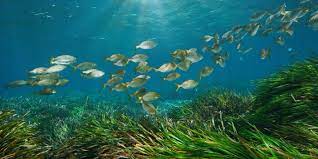
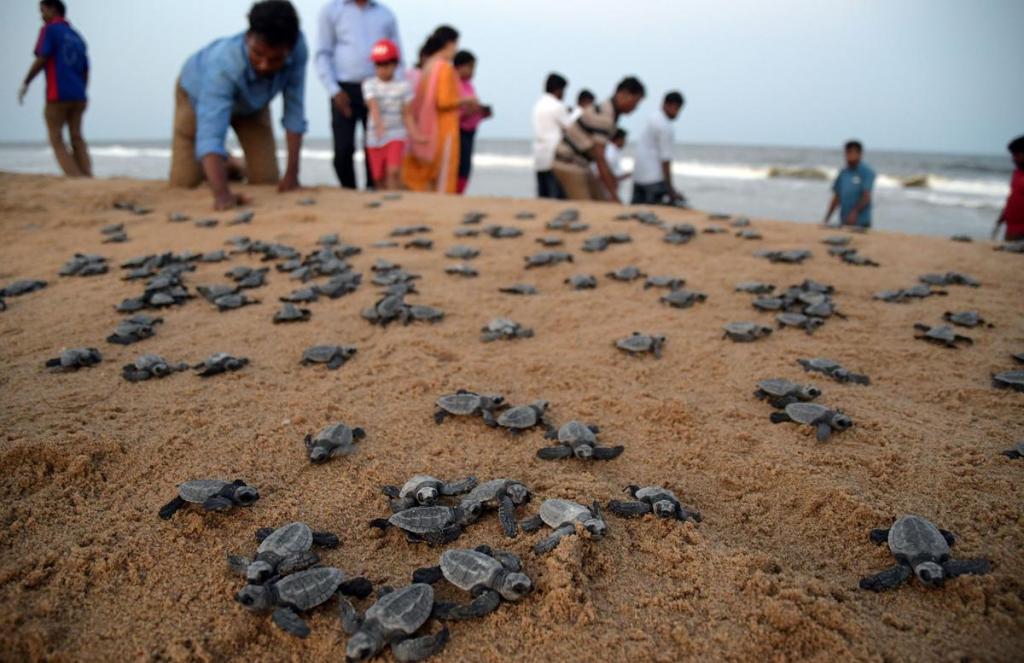
For me, Lakshadweep assumed huge prominence in my limited intellect when I read this book ‘At the feet of living things’ written by one Aparajitta Dutta and others. The book is a series of essays on 25 years of wildlife research and methodical conservation efforts in India. The published papers also include a couple on coral reefs off Lakshadweep islands that are dying a slow death like in rest of the oceans. The atolls are a total biodiverse ecological system. We have a very fragile marine ecosystem in and around Lakshadweep which could be on the verge of collapse already , thanks to relentless fishing and tourism industry that brings in environmental degradation with it. Endangered species like the dugongs too make the shelfs along the archipelago their home. Then there are the olive ridleys. These are besides the corals that are bleaching white. The bleaching of corals has been contagious now for decades in every single ocean on earth. The seagrass meadows are the carbon capturers under the oceans that clean up our atmosphere and give us the much needed breathing air. Research scholars in India go out of the way to pool funds and support nature conservation. The National Conservation Foundation (NCF) plays a vital role as an NGO helping with fundings and research which will go a long way in maintaining the precious ecological balance in India. Their prime concern is to stop forthwith or at least slow down environmental degradation that is happening at an alarming pace. At this rate, none of the future generations will be able to walk around Lakshadweep or go for snorkelling the way Modi ji was seen doing in the Lakshadweep islands.
I AM REQUESTING OUR PRIME MINISTER MODI JI TO READ THIS BOOK ‘AT THE FEET OF LIVING THINGS’ WHOLLY TO UNDERSTAND WHY I REGRET HIS LAKSHADWEEP VISIT AND THE PUBLICITY THAT SURROUNDED THE EVENT. May the Maldives win the battle. India with her conservation efforts can win the war eventually.
What a flurry of activity in social media on Maldives/Lakshadweep. Why such a reaction to Maldives comments. You may disregard and choose not to react. Why should the travel companies cancel their bookings. Whose loss is it anyway. Why the scathing attack on Makemytrip. These people are answerable to their clients. Their loyalty to their their feeding hands is business ethics.
Comments on Modi by Maldives ministers must be taken at diplomatic level. This trial by social media and mass media is not only awkward but sounds immature for a profound democracy like India.
May Lakshadweep be left alone. We have Seychelles, Maldives, Mauritius, Bali, Langkawi, Hawaii etc., etc., for beachside vacations. Lakshadweep are precious. More tourists will KILL Lakshadweep way too sooner and completely nullify the good and sustaining and consistent efforts put forth by our research scientists in conserving our ocean wealth. WHEN SHALL WE START LOOKING AT LONG TIME GAIN OVER SHORT TERM PROFITS.
Andaman and Nicobar Islands of India also enjoy a special status when it comes to conservation, with most parts protected. The Andamans also boasts of the world’s only aboriginal tribe surviving to this day even if their numbers have come down drastically: the Jarawas.
Conservation is not a single day affair. Conservation is a long term commitment requiring resources, research and dedication in equal measures.
WHY IS MAINTAINING AND UPKEEP OF A HEALTHY MARINE ECOSYSTEM IMPORTANT? For novices, it may come as a complete surprise to learn that the seagrass meadows absorb the excess carbon from our atmosphere. They are our ozone cleaners. We breathe thanks to our marine life. The oceans are our oxygen pumps.
May our government close the doors on Lakshadweep for good barring the locals and business people from Kerala with vested interests/ties in the islands. This will do India good in the long run. I did not get to see a single sensible post on Lakshadweep in the media/social media – which exposes the halfbaked knowledge of the paid journalists. For them, anything that can be sensationalized will butter their bread nicely, that’s all. News is for TRP ratings. The irresponsibility of the media and jingoistic public reaction with the social media superheroes going ballistic over Maldives is nothing short of despicable.
The chardham project already has seen a cave-in. Unlike other mountains, Himalayas rose out of volcanic eruptions on the movement of tectonic plates causing earthquakes. The Himalayan region is a very sensitive seismic spot. Go against nature, you will pay dearly with life and loss of property that shall take too much resources and time to rebuild. Kedarnath floodings are another proof.
I appreciate our PM Modi ji for his zeal and enthusiasm – after all he is human even if prime minister. It is heartwarming to see him post pictures of temples and forests and mountains and seas and missiles and parades and science labs and tech industries. He is flying sorties, he is snorkeling, he is trekking habbada! But I guess that this one time, his Lakshadweep venture backfired. May be he is not yet aware of what a damage his Lakshadweep posts could do. There will be a chain reaction: more footfalls, more crass commercial tourism and finally DEATH OF LAKSHADWEEP, DEATH OF THE CORAL REEFS OF INDIA, EXTINCTION OF ENDANGERED SPECIES SUCH AS OLIVE RIDLEYS, DUGONGS ETC., ETC. Should Lakshadweep be opened up, expect the shit to hit the fan. All will be over in under twenty years with Lakshadweep gangraped and cast off after misuse and disrespect. It runs a shiver down my spine. I feel such a sadness clutch my heart as I envision what is going to happen to Lakshadweep…
RESPONSBILITY: You know this is such a powerful word. We in this generation are eating into our next generation’s health and wealth – anybody gets it. The man who took over the elephant corridor stealing government forest lands calls himself Sadhguru. The yogi who encroached into and took over rainforests in east India for his ayurvedic multi million company calls himself a sanyasi. The jogis minting millions owning corporations can happen only in India. This is India. This is also Hindu Dharma is it not. Finally when all is done and dusted, hopefully our children and grandchildren who may never get to see a single tree or elephant will have the coins and currency notes to eat for lunch and dinner.
 vijiravindran's