Posted in Books, Environment

Review: ‘The tusk that did the damage’ by Tania James.

I am re-blogging what I did in 2015 in yet another blog of mine. Poachers is the inspiration.

Book Review: ‘The Tusk That Did The Damage’ – by Tania James

August 29, 2015

ELEPHANT POACHING RESUMES IN KERALA/INDIA?

Felt a strange ‘deja vu’ reading this book. Read the excerpts in ‘The Hindu’ over an year back I guess. The synthetic achchan, Shakti mustard oil, sambar masala, the name Ravi Verma and then the mention of (some random) blogger and a few more could be the reason. Quickly checked out the first publication date: 2015 it says.

At the outset I believed the book was authored by an American American (!) I mean a caucasian so were surprised beyond limits that tusker names like Sooryamangalam Sreeganeshan must roll out so freely from the author’s imagination/research. This is possible only if you have an intimate knowledge and familiarity with the terrain and that kept playing at the back of my mind. The exact depiction of Kerala landscape, people, culture, toddy (!), elephants, wildlife parks everything was perfect. It was only when I was in the last 10 pages I cared to look up the author. Not a surprise that Tania James is an Indian American with roots in Kerala.

Aware of elephant torture in our temples, I still believed elephant poaching was rarest in India unlike it is in Africa where rampant hunting down of the species threatens the globe with their inevitable extinction in near future. Tampering/trespassing  with forest/wildlife reserve and/or any illegal encroachment is a serious criminal offence in the country.  I have observed from an NH project how even the highways are planned and mapped taking into due consideration the habitats of the native species and the flora & fauna of the land. The impression was, poaching stopped with the British barring one or two exceptional cases here  and there. Natives have captured stray elephants to train for battles, festivals in the past but rarely for tusks – or it was so believed.

A quick googling yielded the following links:

http://www.takepart.com/article/2012/10/09/indian-elephant-poaching

http://www.hindustantimes.com/india-news/elephant-poaching-haunts-kerala/article1-1366255.aspx

http://www.theguardian.com/environment/india-untamed/2015/aug/05/poachers-stalk-elephants-kerala-after-gap-of-20-years

http://savetheelephants.org/elephant-news-service/elephant-poaching-forest-officials-subvert-probe-india/

So almost after a clean dry period of 20 years, poaching has shockingly resumed in south Indian forests with forest officers hand in glove with poachers in the inhumane, dastardly act.

Indian elephants register casualty in unnatural circumstances owing chiefly to electrocution (by electric fences installed by industrious farmers) and rail accidents but elephants being poached in India in recent times is bothersome and shocking news. Elephant death statistics have recorded a zero to bare minimum under poaching so as not to make a headline. Until I read the book, I had assumed elephants were safe from poaching in India, with only our tigers having to live under the scare.  Single-horned Rhinos of Assam for another.

So the book has arrived just at appropriate time as a caution. A thorough investigation is mandatory in the poaching issue and offenders must be brought to book. Repeat offenders must be dealt with severely and if there does exist a network as alleged/illustrated in the book upto Dubai for tusks, the angle must be explored by all means.
The story is a moving narration, first person accounts of an innocent and aspiring young man, a woman film maker and the rogue elephant itself. Reminded of the tamil film ‘Kumki’ and to a certain extent couldn’t help wondering if the picture could have been a major influence with the book. Good sense of humour the author has interspersed through out the book. That helped in lightening up tense situations as the story was otherwise like one very serious affair.

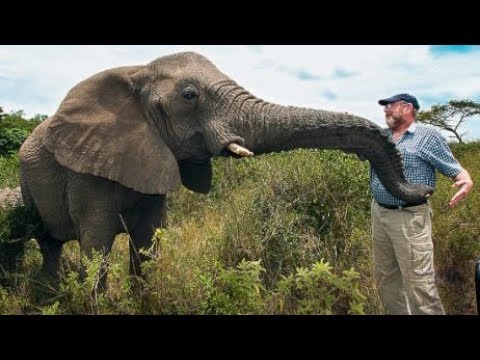
My empathy is with Indian Elephants always- such a sad species. When the ‘gravedigger’ is made an orphan, it broke my heart. Every elephant killing is like driving a spear through my heart. To fell such a magnificent but a benign beast, one has to be a monster. Evil personified. Its not a matter of will power or skill. Its a matter of one’s heart. For what I hold for the Elephant is reverence, awe, affection. An elephant as we know generally is otherwise a gracious, gentle giant. Unless provoked, it never disturbs anyone.

I have had my share of jumbo safaris, elephants bathes but now regret it very much. Never imagined, how even the ritual bathing could be torturous to the animals. Someone tweeted: ‘Imagine yourself naked in a room and being fondled by a crowd of onlookers. This is how pet animals/zoo animals must feel.’ Ever since I am thinking  about even the zoos. Zoos are not pleasant places but they are the last refuge when it comes to conservation of rare species going extinct which can be bred in safety, away from poaching threats. And zoos have to be financially viable so opening them up for tours is necessary. How the human wave pressing from all over could be disturbing not only to the pachyderms but to all zoo animals. Yes, why should we wanna go near the tuskers? We can maintain a distance with them and enjoy from afar. When I did my elephant safaris twice, I kept caressing the elephant head, for the love of it. Its long hair almost 10 cm tall in the head was so prickly and thick. It was then I understood why people wear ‘ananudi’ (elephant hair) rings. I have seen them in jewelry shops in Chennai. Even the mahout (pappan) asked me if I wanted an elephant hair as souvenir and I was utterly taken back. Plucking one from the elephant must definitely cause it a lot of pain. I touched the old lady (in Elephant Park, Munnar), gave her fruits and asked her if she would remember me. Telling her I loved her was important then. In Thekady to our bewilderment, 3 of us were put over a single male elephant. The keeper said, elephants can bear weight, can carry logs. True, the young male did not even heave a heavy breath on carrying us triplet. The burden was no issue I guess.  But it did give us a guilty feeling. In Karnataka, limited myself to giving the elephant its bath in Kaveri. Recently from some Elephant Facebook pages I have been learning how Elephant Art (paintings by elephants), Elephant Safari everything is disguised and presented to tourists as acceptable/not inhuman. Good marketing by tourism industry with a keen business mind. In truth, even these are not appreciable. Wherever and whenever possible, the calves must be returned to where they belong – the wild. Elephants are not for our amusement.

Another thing, its irritating and again bothersome that wildlife must be so much photographed or filmed for someone’s thesis (for personal gains) or selling in the media (the telecast rights). Just how much revenue does our forest dept mint out of permitting foreign crews from recording the wildlife in their natural settings with their sophisticated equipment. Wildlife photography must be totally banned in India and elsewhere. Recall this from Night Safari in Singapore where we were warned not to shoot pictures in darkness out of concern for scaring the animals. But rigorous check was not carried out to see if anyone carried a camera. Some violated the rules and its true the night creatures panicked and scurried here & other when even the shots were captured in Night-vision mode. The purpose of night safari was lost.

Photography of trained/domesticated animals is okay perhaps. In Mudumalai wildlife sanctuary in Tamil Nad, we boarded a govt jeep that screeched in maximum decibels that no wonder none of us spotted anything in the park. But in the reserve shoulder adjoining the park, we luckily spotted a herd of wild elephants browned with mud bath. It was disturbing to see that even these were used to traffic noise and human scent that the herd tore the trees and munched away the shoots and branches without sparing us a glance as if they did not care who spotted them or clicked them.

I don’t feel good watching wild tiger pictures. That jeeps drive so close to them and that humans are no strangers to the big cats is distressing. For personal victories and gloating over Twitter and Facebook and Instagram, every dude with a DSL cam heads to our national wildlife parks & sanctuaries for shooting prize winning pictures that he/she thinks are his/her trophies. Why do we want audience for everything. I find the idea unsettling.

Treetop cottages in Wayanad (Kerala) and Topslip (Tamil Nad) are always in our mind. This is a quiet and undisturbing way to observe and enjoy wildlife. I guess most sanctuaries in India including Ranthambore etc offer this facility.

Top slip reminds me of a friend’s experience. You have to return with your jeep/car by 6 pm to base cottage there, for elephants will be on prowl in the wild with sunset. The friend’s family could not. They were near the summit when they came face to face with a herd of wild elephants. The head of the family switched off the lights and the engine, downed the windows just a fraction to let in breathing air as the family huddled closer to each other in the car. They were surrounded by 10-15 big bulls and cows and calves who were feeling all sides of the car with their trunks. The family held their breath and sat immobile, going to sleep without a sound as hours clicked, hostage to surrounding inquisitive wild elephants. Wouldn’t have taken the tuskers a minute to upturn the car. Finally only around the dawn the elephants left quietly and the badly scared guys made their u-turn. Next day they were warned by the forest dept for overstaying.

The so-called wildlife photographers, in my opinion, do much more damage to nature that they say they revere. Their pictures with tigers & elephants shall encourage a lot more travelers into the parks which is not desirable. This is one ground where I would not want awareness in our people. Lesser the footfall in the forest reserves/sancturies, the better.

The tribals living at the edge of forests face not only conversion threat (by evangelists) (!) but also find themselves mired at the centre of human-animal conflict. It’s a catch22 situation no doubt. The delicate balance existing between them who have lived with nature for generations and the precious wildlife has to be maintained at any cost. One more survey to carry out: conversion rates of native tribals by foreign sponsored NGOs & missionaries. Curious why the author has not made a point on that.

The author’s fiction, even if imaginary, serves what purpose. One more filming with light flashes amid fast disappearing wildlife, one more DVD, one more research grant – filling whose pockets, boosting whose egos, to whose advantage. What did the wildlife or even the tribals benefit from the outcome. Wonder if a single rupee would have gone towards the Indian elephant that the filmmaker (or perhaps the author) professes to care for. Raising awareness is a point. There is enough awareness without having to make fresh pictures, without having to venture a further kilometer within Indian forests or hovering around frightened captured young cows & calves in nurseries.

I did like the part about reunion of separated calves with their mothers. This has to be given impetus and the ingenious way of not touching the calves with human hands during rescue is good. Even those captured/nurtured by human hands finally seem to make it to the wild which is heartening. The way it must be.

Do we have statistical data on captured elephants/strays in India. Data on temple/church/mosque elephants. Because in Kerala, even churches and mosques use elephants for processions/celebrations. What is the exact figure of temple elephants in Kerala/Tamil Nad/Karnataka or generally in India/South India. What about private ownership, licencees. Why has not the forest department come out with a table on domesticated elephant population. Why not make the figures public.

The book did make an engrossing read only next to ‘The Elephant Song’ by Wilbur Smith. The characters, the dialogues, the setting everything was natural. Tragic was the death of Mani-Mathai and also that of Manu but then by now I have had enough of fictions that I know the twist always lies in ‘punishing’ the ‘promising’ ones that shall leave the reader with a kind of longing… More tragic is the fate of the Indian elephant…
Posted in Books

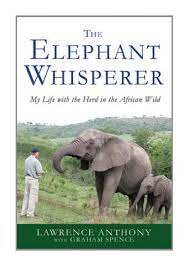
Review: The Elephant Whisperer – Lawrence Anthony.

My awareness of Lawrence Anthony’s work was purely incidental. I would be looking out for elephant news and he was always there in You tube in a time when we still did not have whatsapp or google. I am sure i have watched the video of elephants mourning his demise. What a blessed life. He could have lived longer, but the stress of running the reserve must have told upon his health. This we understand as we turn page after page of his book ‘the elephant whisperer.’

As Anthony makes it clear at the outset, the elephant whisperer is not him but the elephant in question that spoke to him. This book has been on my reading list now for years. Finally got my hands on it (kindle version). Comes second to Tanya James’ ‘the tusk that did the damage’ on the elephant scene in India that centers around the menacing poaching issue we have in the country for the precious tusks of the elephants. (Same is true of Indian single horned rhinos as well in the state of Assam, similar to the precarious situation of the double horned rhinos of Africa that are nearly hunted down to extinction already. Anthony’s ‘the last rhino’ is on the rhinos). Until this book happened I believed, the Indian wild elephant escaped poaching even if unhealthily domesticated at an alarming rate.

My introduction to the Zulus and Bantus, the native tribes of South Africa happened in my ninth standard I guess, when I read for the first time a James Hadley Chase novel ‘the vulture is a patient bird.’ It is because of the content i remember the title and the tribes. I can say this may have been a chief reason for my interests in Africa including its wildlife. Later on of course, there was Wilbur Smith. Literally every single trilogy or whatever of his I read with, mainly for the wildlife info even if it was all fiction. ‘The elephant song’ of his was special. The matriarch comes through in Smith’s works. I would like to skip his latest works that I wouldn’t attribute to him, probably penned under his name by someone else (like in the case of Sidney Sheldon). They don’t carry the same Smith stamp. If you have been reading Wilbur Smith, you must be familiar with entire Africa from Sudan, Egypt and Ethiopia to Congo, South Africa, Zaire and Zambia (both of erstwhile Rhodesia) and more. You learn of the languages such as Swahili. You discover the native tribes, the shortest men, the yellow men, the spear throwers, the trackers etc. You develop a deep respect for the dark continent that has been mindlessly exploited and now made a complete mess. I agree with Anthony on the violence aspect about Africa which has to keep with its wild nature. Apartheid is long since over. Afrikaners and the other remaining whites are doing a wonderful service to the conservation causes in Africa in the present, even if it was their ancestors who nearly brought the native wildlife to the brink of extinction in the first place. Still the current conservation efforts must not be underestimated or disrespected. This is very much the need of the hour.

Unlike fellow Indians, I am totally against domestication of our Indian wild elephants for Hindu temple service and for gala events like Navaratri-Dusshera celebrations in Mysore palace grounds in the name of culture, heritage and traditions. I have been vociferous over this capturing and taming of wild Indian elephants from the jungles, earning quite a few adversaries in the process. But here end my feeble protests. NGOs for wildlife and elephant lovers have to take the mantle from well-wishers and whistleblowers (!) like me at this stage.

My piece on temple elephants in India captured from wild for domestication, inspired by Lawrence Anthony’s ‘the Elephant whisperer’

I wish India has someone like Lawrence Anthony to save our wild elephants from poachers, regain the lost elephant corridors and conserve the population from going to extinction inevitably in a century or two.

wild Indian elephants faring no better…

The book is a treat to elephant lovers and naturalists and conservationists. It is enjoyable and good learning guide for anyone for that matter. Those of us who are keen on safaris must know what it takes to run a show.

Lawrence Anthony confirmed what I had read about the pachyderms over years: that the elephants communicate very intelligently in a unique way both physical and metaphysical, with their stomach rumblings in a very low frequency inaudible to human ears that therefore fail to pick up the jumbo communication. So that way, quite like the whales, the elephant community too may be much more evolved than us homo sapiens when it comes to tele communication. It is not without a reason that these giant mammals have survived and roamed planet earth many millions of years. The other way the elephants communicate is by tactile contact in the bush. The infrared waves of elephant whispers probably serve as transmission conduits to reach over herds spread across entire landmass of Africa which is stunning! Science may prove theories in labs but here was this dauntless conservationist living the experience to relate his story to the world. To me his well lived life and real time observation suffice as authentic proof to elephant telepathy we talk about including the long elephantine memory. The tuskers’ moving vigil for two days on Lawrence’s demise is the testimonial ultimate for what Lawrence recorded in his book: “The most important lesson i learned is that there are no walls between humans and the elephants except those we put up ourselves.

Anthony also in the course of his writing introduces us to the lush and rich spectrum of his natural reserve Thula Thula:

  • mongoose, warthog, tawny eagle, martial eagle, impala, zebra, wildebeest, kudu, nyala, baboon, black mumba, black python, bark spider, leguaan (african monitor lizard), duiker, southern white rhino, honey badgers, crocs, barbel (fish), cape buffalo … and of course elephants
  • (noctural creatures): bush pigs, giant eagle owl, vondos, bush rats, nightjars, bats, bushbabies, hyenas, leopard, lynx, serval
  • reptilians: Black mumba, puff adder, mozambican cobra
  • trees native to Africa: Acacia robusta, marula, boerbeen, fig, umbrella thorn tree
  • the winged nesters: plum coloured starlings, european rollers, bush shrike, narina trojans, gwala gwala, vultures

What a spectacular life Anthony lived! Added bonus was his elephants whispering to him accepting him as one among them. Nana and Frankie, the matriarchs in particular shared a wavelength with Anthony, able to reach him. Here i have to mention Anthony’s intention of keeping the wildlife feral and so his deliberate breaking up of connection with the tuskers so that the herd moves deeper into the bush far from human contact for their own sake. This was also necessary as Anthony felt that this way, the elephants will stay wary of poachers (or any humans for that matter).

When I was reading about the way Anthony was spending long and perilous nights in the bush to safekeep the elephants in the boma when they were traumatized, rowdy and tyrant, i couldn’t stop myself from admiring the man for not only his courage but also for his big heart that did not hesitate to sacrifice creature comforts to settle down the disturbed gang in his reserve. The herd mistrusted human beings having been subject to witnessing massacre of their family members. The move by truck and darting (with tranquilizers) had dazed them and made them more violent and edgy. Anthony however focused only on rehabilitation of the elephants on their new home winning their confidence and trust gradually. In the process he did not lose his patience or hope even for a minute. He believed sincerely, the elephants deserved a chance. It was a painstakingly done work worth its rich dividends. You have to be gifted for sharing such a compassion for wildlife to be going this extra mile. As Anthony himself says, one has to probably grow up in the bush with the right mindset to be able to work or live in this kind of nature’s setting. It is a tough but rewarding life for those with a passion for conversation. Only that, your physical fitness must match the demanding conditions of the life in the veldt. And African tribes like the Zulus of warrior blood naturally fit in their roles as armed rangers of the reserve. Having to share their living space with Africa’s rich wildlife and having a history, they are the natural choice for the maintenance and running of the Zululand sanctuary in the heartland of South Africa.

Anthony speak:

  • Living rough in the wilderness is a salve for the soul. Ancient instincts awaken; forgotten skills are relearned, consciousness is sharpened and life thrums at a rich tempo.
  • No matter how heart-wrenching the situation, we never interfered with nature. Brutal as the food chain is, that’s the balance of life in the wild.
  • Interesting observation on fright-flight distance, innovative game keeping methods, round the clock alertness and an equally enthusiastic team of rangers, merit a mention. Bush piloting and crane lifting on darting are familiar with us in India where latter methods are employed when it comes to dealing with the tuskers.

    What I consider firsthand research material about Anthony’s work may be the elephant communication information and Askari (male elephants led by an ageing patriarch) observations in particular apart from breeding habits of different fauna. Valuable input for future wildlife studies and conservationists. Kudos to his diplomacy with the native tribes. In today’s highly jingoistic egoistic material world, we need this kind of trendsetter. In another part of the book, Anthony says, it is the elephant who is the tone setter for the relationship shared between him and the herd. He goes on to narrate how each and every member of the family enriched his life and added dimensions to his perspective on the African elephant.

    Serious poaching threats from armed gangs and sharpshooters fitted to their teeth, the uneasy relationship Anthony shared with Nkosi Biyela and the Indunas in general whose ancient zululand is the reserve, the epidemics waiting to devastate wildlife if unchecked, the brutal forest fires, the rogue beasts on prowl (like the male elephant Mnumzane in musth that had to be put down) endangering not only safaris but also other wildlife (with Mnumzane shearing white female rhino to death with his tusk), natural disasters such as river flooding and breaking banks, the maintenance of full length electric fence with low voltage just to stun the wildlife from crossing over but not kill, the challenge of balancing the wildlife population that ensures the survival of the fittest in accordance with the food chain, nerve wracking dealings with the superstitious African tribes not antagonizing the sons of the oil, the law and order issues to be taken up with law enforcement, the follow up with KNZ of whatever, the wildlife departments and reserve sanctuaries of South Africa, … and much much more need to be addressed on day-to-day basis running a wildlife reserve as vast and teeming with diverse wildlife as Thula Thula.. And if the reserve is to boast of a safari lodge like Thula Thula, the challenge is many more time magnified, keeping in view the safety of the tourists. The days start well before dawn for a safari and end with the last of the tourists hitting the sack as Anthony explains. Lawrence’s wife Francoise now in charge of Thula Thula seems to have lent a French touch to the holiday resort with her exotic cuisine, a big draw with the visitors naturally. Game sighting is adventure like nothing else. Only those who have sampled this heady brew of thrill will know why nature and wildlife can be such a humbling and invigorating experience at the same time, making one even spiritual. You connect with your basal instincts when you confront all forms of life from the millipede, centipede and scorpions and spiders to the crocodiles and rhinos and bucks and antelopes and the giant elephants under trees as ancient as you can imagine, with their gnarled roots and spread branches sporting myriad coloured winged nesters. A profusion of life in the natural element. Nightlife in the wild is another symphony. What a welcome break from the cacophony of our urban materialistic life.

    birth control not for Indian wild elephants…

    Hopefully land acquisition for expansion of Thula Thula is now done with, which can provide the wildlife in the reserve more of room to amble about. Anthony also gainfully employed the local manpower which is mutually beneficial. Let’s see. I have always dreamt about a Kenya or Tanzania or even an Uganda or Zimbabwe safari, but never South African. My interest in South Africa got piqued with the Netflix serial ‘the penguin town.’ Now I have ‘Thula Thula’ too in my bucketlist! Hopefully i can make it with my entire family there in a couple of years, along with my grandchildren in tow! How i would luv to show my grandkids Nana and Frankie!

    My first ever elephant write-up. The original draft may be from over 10 years back…

    Anthony not a serious contender for Noble prize in lit still his south African lingo is something! Good sense of humour there. That supersized vacuum cleaner of an elephant trunk! Menopausal rhino!

    Rounding up with Lawrence Anthony quote: THE BEST CAGE IS NO CAGE. Om Shanthi!