Posted in food as therapy...

Its the Methi-Dhaniya-Pudina Season!

May be not a gourmet chef but I love my simple sumptuous cooking with basic desi ingredients including aromatic native spices, and array of vegetables that are the natural bounty of this vast and varied Indian subcontinent. Any woman busy in her kitchen with pots and pans can swear by this October to March season dedicated to pursuers of culinary skills and interests ! This is the time when the fenugreek leaves (methi), coriander leaves ( dhania) and the mint leaves (pudhina) look lushest and greeny green without drooping or drying up! Nothing like coriander to garnish your dishes. That is one super Indian touch to curry. Methi is India’s magic food. Or one of India’s magic foods. Methi leaves are the evergreen crush of India! – we use methi in everything from parathas to dal and rice and curry. Even dried methi or fenugreek leaves (called Kasuri methi) are used in summer or off season for flavouring our dishes. Slightly bitter, with proper mixing, the methi can lend exceptional taste to our dishes. Methi leaves are my favourite, as my signature dishes include the methi-daal a top family favourite. Enjoying this season which is also the peak time for fresh green peas harvest. Also are there the double beans, the soya beans, the rajma, the butter beans – the entire beans family none of which you need to soak. Everything comes in pods that you can peel and stock up in freezer for the months to come. So that is what I do. Never buy frozen peas. For that matter I am that housewife who can afford fresh vegetables and need not have to live by the frozen groceries. The veggies are freshie fresh in India in these 5-6 months. In fact our roadside makeshift shops over pavement don’t even have refrigeration facilities. Our street vendors with push carts and some carrying the greens etc., on their heads on woven basket have it all the freshest. In Chennai I get the day’s plucking from that very morning brought door to door by street vendors in handle carts or baskets from surrounding villages in the range of 100-200 km. We get fresh desi A2 cow milk now patented by the US (with no native cows producing A2 milk) that even on refrigeration will spoil within a few hours. Many of us opt for this milk . Fruits in this climate are inviting as they never shrink or dry up! The cherries are here in purple and blood red. Best of it all is that, all are refrigeration free even in our warmer tropical country with mildest winters. The whole of India and why, even the entire world, may be blossoming so vibrantly with a variety of yields from trees, plants, creepers and climbers in this second half of the year. Of course the except may be the icy cold snow filled regions of earth. Fragrant flowers are in full bloom in monsoon countries. India is one super flower country. We have a stunning range of scented flowers from paneer rose to jasmine and hibiscus and oleander for pujas. May be Gods descend in these six months from October to March to Earth. Which is why the entire plant is resplendent with fusion of colours. The evening walks in parks will be pleasant. Here in middle east, the weather is just right crisp chill with sun kissing our skin warmly. Beautifully outdoorsy weather, just too perfect. Restaurants have outdoor seating in this part of the world unlike the colder Europe or America when summers see the patios filling up with guests for dinner.

*************************************************

METHI IS THE LOVE OF MY LIFE HAHAHA! Methi roti, Methi Aloo curry, Methi pulav, any Methi subji for me any day any time!

Decided to add Vendhaya Keerai (fenugreek dal) Paruppu recipe which is our family favourite. In my in-laws home when I was newly married, I was taken in by surprise by the curious kind of taste they had in veggies. Their recipes were different. I picked up my love for Vendhaya keerai from them that I didn’t capitalize on earlier during my Mylapore days where the markets used to have them in loads.

This following blog post of mine is originally dated Sep 27, 2012. Here we go.

Vendhaya Keerai Masiyal (fenugreek leaves-lentil mash) (methi-dal in hindi)

September 27, 2012

This is one of my tastiest dishes and most cooling and nutritious dish i must say.   Most healing one too.   Because if anyone has stomach ache or cramps due to body heat, we normally gulp a spoon of fenugreek seeds here with water that instantly reduces the body heat.   Fenugreek leaves with lentils (methi-dal in hindi and vendhaya keerai masiyal in tamil) is a yummy way to keep cool always!

Ingredients:   6-8 small bunches of cut Methi leaves (small size) (see picture)  (we can also sow the fenugreek seeds in a pot and water it daily and keep in the sun.   In days we will have small sprouts of methi leaves at home that also can be made use of.  i normally buy off store shelves or from a street spinach seller).

1/2 a measuring cup of tuar dal (lentils)

1 mid size onion

1 mid size tomato

1 green chili

4-5 garlic cloves

For garnishing:   1/2 tsp mustard seeds, 1/2 tsp cumin seeds, 1 dried red chili torn and de-seeded

a tsp of oil for sauteing.

a pinch of turmeric powder

salt to taste

water
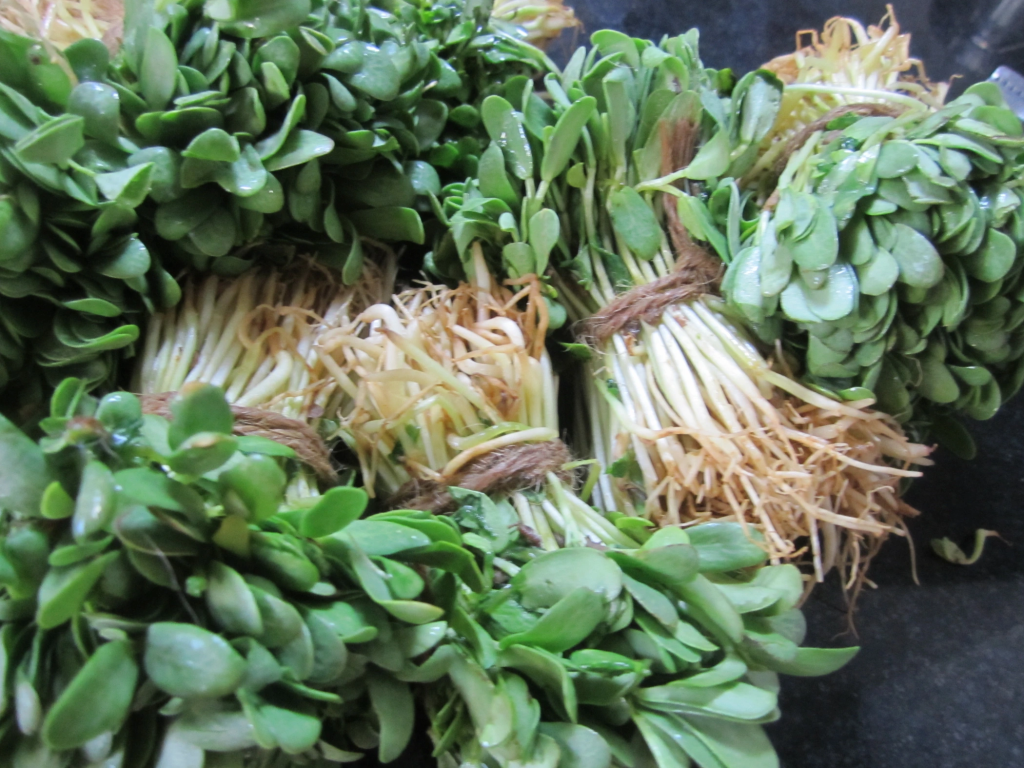
baby fenugreek leaf bunches (can also use regular fenugreek leaves available as one big bunch)
tuar dal or red gram/lentils

onion, tomato, garlic, green chili
adding the chopped onions, tomatoes, green chili and garlics to the dal/lentils in the pressure cooker
rinsing the methi/fenugreek leaves thoroughly in water
thorough rinsing of over 4-5 times…
adding the fenugreek/methi leaves on top of dal and onion, etc in pressure cooker..
pressure cooking until the dal is done…
pouring the contents into an earthern pot,,
mashed ! Fenugreek greens with Thoor dal
mash while the dal-methi is still hot…
mashing to a smooth consistency…
mashing the natural way…

Vendhaya Keerai Masiyal/Fenugreek leaves-lentil mash/methi-dal is almost ready for garnishing..
seasoning with a torn and de-seeded red chili, mustard and cumin seeds in 1 tsp of oil- so this is the maximum oil we use in this dish.
adding the seasoning and salt to the dal-methi

Vendhaya Keerai Masiyal/Fenugreek leaves-lentil mash/methi-dal

Vendhaya Keerai Masiyal/Fenugreek leaves-lentil mash/methi-dal is ready to serve…

Method:

Wash and immerse 1/2 a cup tuar dal (lentils) in adequate water in a small pressure cooker.   Chop the onion and tomato and add it to the tuar dal.   Add the garlic flakes and the green chili.  Sprinkle 1/2 tsp turmeric powder.

Cut the small bunches of fenugreek leaves (methi leaves) in a fine manner leaving out the soft stalks and taking out the leaves alone (with a bit of stalk otherwise).   Methi leaves or fenugreek leaves carry lots of soil dust which need thorough rinsing.   Rinse in 2 large bowls alternately and cleanse by hands atleast 4-5 times draining the soil-water everytime.   Repeat the process for more number of times until you are satisfied that the leaves are maximum free of soil particles.  (refer to the pictures)

Now add the washed fenugreek leaves to the dal and onion-tomato in the pressure cooker.    Give 4-6 whistles to ensure that the dal and the leaves are cooked smooth.   Wait for pressure release and open the cooker lid after ensuring its safe to open.

Take the cooked contents out.   Pour the same into an earthen pot.  Mash with a wooden masher to a fine thick consistency.

Transfer the mashed fenugreek leaves-lentil (methi-dal) (vendhaya keerai) into a bowl.

Garnishing:   Heat a tsp of oil in a shallow pan.   Add 1/2 tsps of mustard seeds, cumin seeds and a torn and de-seeded dried red chili.  When the seeds splutter, take out and pour this into the mashed dal.  Salt finally.

Now we have most nutritious and yummy Fenugreek leaves-lentil mash (Vendhaya Keerai masiyal in tamil and Methi-dal in hindi) to go with both rotis as subzi and with rice.

ABOUT FENUGREEK LEAVES:

This is readily available in small bunches (baby leaf bunches) in Chennai and in most parts of south India.  In rest of India, methi leaves are available rarely as small baby bunches but like any regular greens.

Homegrowing fenugreek leaves is best option.   Sow the fenugreek seeds in a pot and water it daily keeping it in direct sun. Within a week or two, you can see small fenugreek leaves/methi leaves sprouting up.   Take care to pluck the small leaves delicately.  This is the easiest way to get small baby fenugreek leaves.

(PS:  Can also do the same dish using regular fenugreek leaves or bigger vendhaya keerai leaves/greens.  the bitter taste associated with baby fenugreek leaves is totally absent with mature vendhaya keerai leaves/regular fenugreek leaves, but that does change the taste significantly.) 

**************************

About Fenugreek seeds and Fenugreek leaves I want to add this now: Native to India, Methi or fenugreek holds an important place in Indian native medicine the Ayurveda. Food as therapy – this is the ancient Hindu wisdom.

I just googled and have this as copy-paste job on Methi leaves: #IndianCurry #methisuperfood

  • Keeps Your Heart Fit.
  • Controls Diabetes.
  • Relief from Menstrual Cramps.
  • A Good Brain Food.
  • Prevention from Cancer.
  • Good Gut Health.
  • Helps in Weight Control.
  • Methi Benefits for Hair.
Posted in food as therapy...

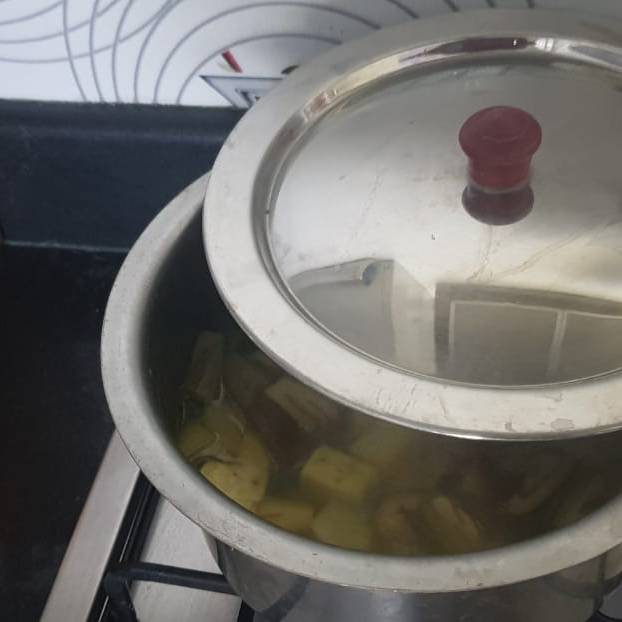
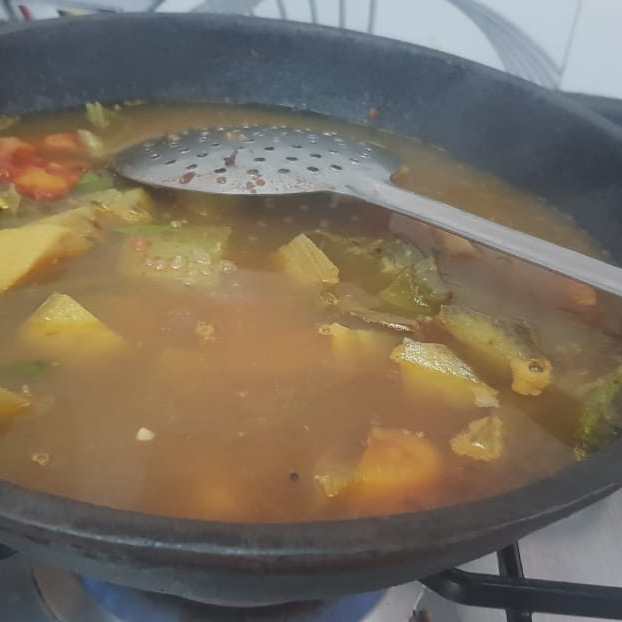
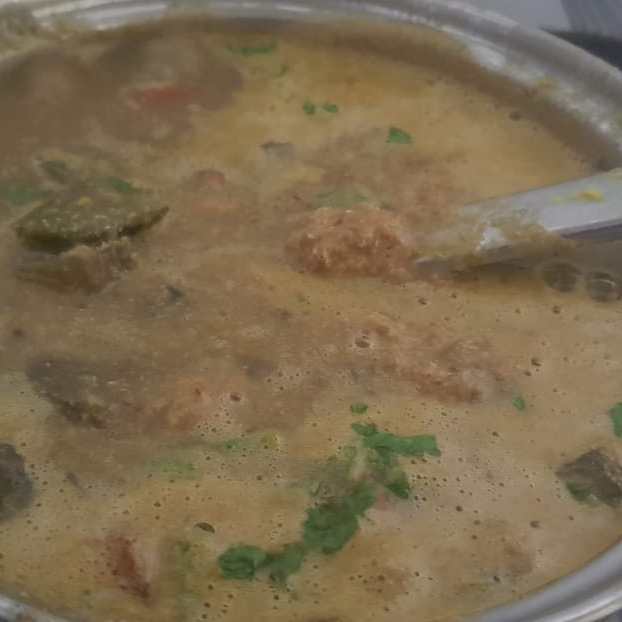
7 Thaan Koottu (Aarudhra Special)

The 7 vegetable spicy south Indian stew with coconut and lentils

Aarudhra is the day Lord Shiva is in His dancing best. Very special occasion every Margazhi month during which time anyway along with Perumal temples, Shiva Stalas too open by morning 4 am. I used to hear the bell toll before dawn in Mylapore home right from Kapali temple as once upon a time, me too used to draw ‘kolams’ in the street in front of our house.

Aarudhra special neivedyam for puja at home is this 7 thaan koottu (a stew with 7 native vegetables – or more like 9, 11) along with Jaggery Kali. My patti used to make mouthwatering kali and koottu omg! I don’t know whether I can ever match her but i give it my best shot.

I saw some You tube videos on the koottu but i got disappointed because, many of them were using carrots, cabbage, cauli flower etc in preparation. Nothing wrong. But the significance of the recipe lies in using only native vegetables. We in our family with roots in Arni also repeat this recipe for Maattu Pongal (a day after Pongal/Sankranthi which is the harvest festival of India). In certain things I stick with traditional recipes, in some I add variations. However the 7 thaan koottu is something I never would alter from original recipe.

Ingredients.

Native vegetables – 7 (I used Raw banana 1, Ash guard, yellow Pumpkin, broad Beans, Mochai (fresh peeled) (this is totally native to India/Tamil Nadu that there is no English equivalent name I guess), Yam and Tapioca (valli kizhangu) and Brinjal (actually ended up using 8)! Total weight of the vegetables was over 1 kg. Variations that can be used are: Drumstick, Colacasia, Mango etc that are also native.

Tomato 3 or 4 big size

Shallots (peeled) (I skipped onion on the day of Thiruvadhirai/Aarudhra but otherwise generally add)

Curry leaves and coriander leaves for seasoning

Tuar dhaal – 1 cup

Tamarind – lemon size (or little less if you want the koottu to be little less tangy)

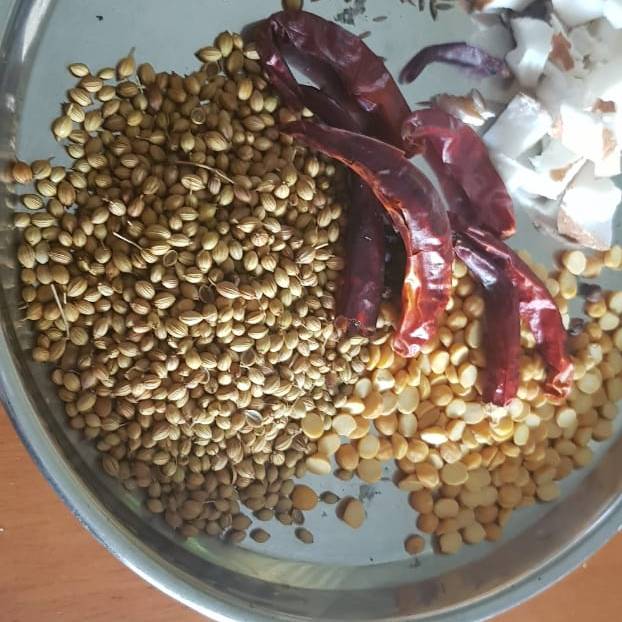
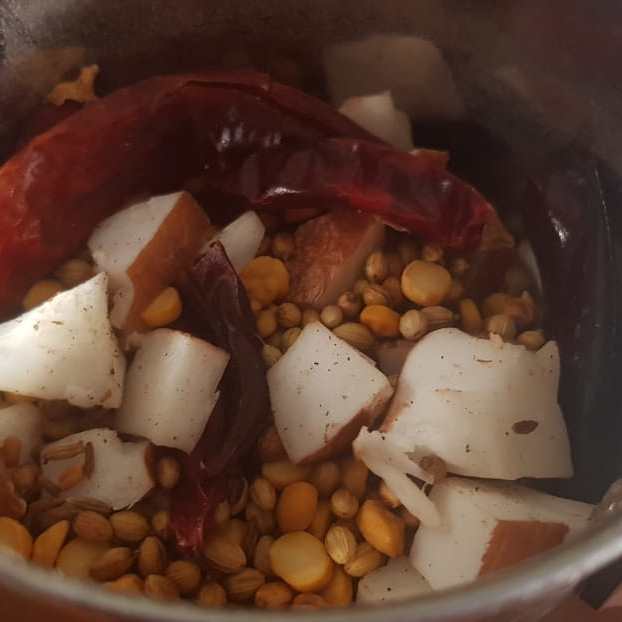
For spice mix: Dhania seeds 2 tbsp, channa dal 2 tbsp, red chili 6 to 8, cumin seeds – 2 tsp, fenugreek 1/2 tbsp, coconut shelled 2 tbsp, (kopra was in use in place of coconut. we never used fresh coconuts in kootu/kozhambu/curry in my granny’s days. only the dried kopra. the fresh coconut usage is a recent phenomenon. we do get dry kopra scrapes in Pazha Mudhir Nilayam in the nuts section. this dry kopra can also be used for payasams).

For tempering: mustard seeds 1 tsp, cumin seeds 1 tsp, fenugreek seeds 1/4 tsp

Gingely oil 2 tbsp

Turmeric poweder 1/2 tsp

Asafoetida

Water

Salt

Method:

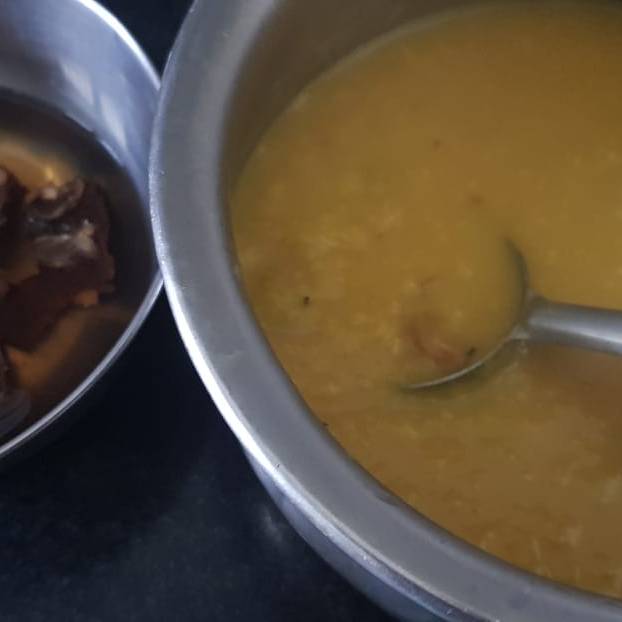
As you peel, wash, cube and boil the 7 vegetables in water in a thick bottomed pan with lid closed, pressure cook tuar dal separately to smooth mashy consistency. Remember to add the peeled fresh green Mochai along with the dal. Add turmeric powder to the dal.

Soak tamarind in warm water before you start so that when you have to squeeze the tamarind you get good tamarind juice. Do not throw the boiled water in which the vegetables are cooked. Do not overcook vegetables to too soft.

Dice the tomatoes.

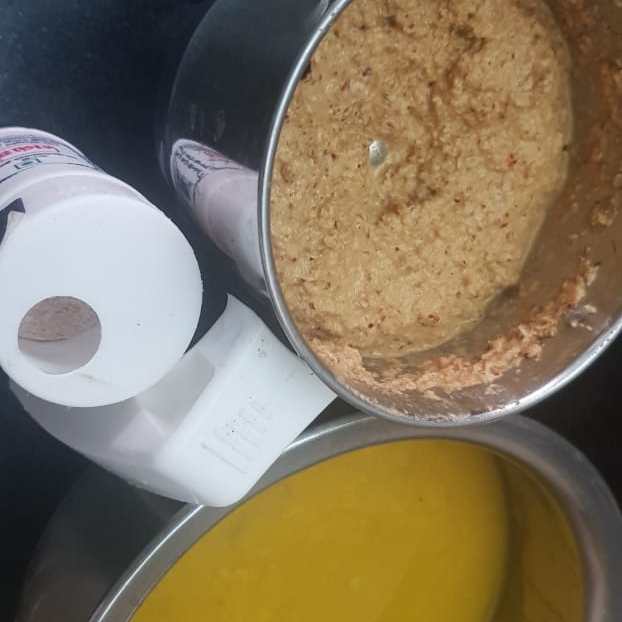
Roast the spice mix ingredients lightly and grind to smooth paste.

Heat the gingely oil in a thick bottom cast iron kadai and when it starts smoking, temper with mustard, cumin and fenugreek seeds. When these splutter add tomatoes that are cubed and rinsed curry leaves. In case you have shallots peeled, first add shallots to the oil and fry to golden brown and then add the tomatoes. When the tomatoes are mushy, add the cooked vegetables along with the water. Squeeze the soaked tamarind and add the juice to the kadai now and stir well. After thorough mixing add the spice blend to the Koottu that is cooking. Add salt. Finally add the cooked dal and season with asafoetida and washed coriander leaves. Do not over cook. I let the Koottu to be in Sambhar consistency. If you want, let it thicken more to actual Koottu padham BEFORE you add the dal.

We have the 7 Thaan Koottu ready, hot and steaming. Best with Arudhra Kali first, but also very good with rice, ven pongal, roti or anything. One of the most yummiest traditional original native recipes. No onion/garlic/ginger but I would love to have the shallots in it. Perhaps, next time on a less auspicious occasion.

Very filling and nutritious vegan/vegetarian stew – the Ezhu Thaan Aarudhra Kootu. My fave since when I was a little girl.

Seriously don’t bother about calorie count or cooking time. So long as food is healthy and hearty, it is good enough for me and family.

Posted in food as therapy...

My kinda Atta Roti

Little twist in whole wheat Atta can make a lot of difference to our health.

I do it this way:

To make 6 regular size rotis:

8 tbsp whole wheat Atta (grind it monthly) (whole wheat flour)

1 tbsp Ragi (finger millet) (pearl millet is another substitute)

1 tsp Flax seed powder

1 tsp crushed Kasuri Methi leaves (dried fenugreek leaves)

1/2 tsp Omam (caraway seeds/Ajwain in Hindi)

2 tbsp curd

Salt to taste

Water

Ajwain aids in digestion and Flax seeds are Plant Omega 3 rich. Ragi is glutten-free. Kasuri methi is rich in iron. I mostly use it for taste though. Curds help in fermentation and digestion. Adding garam masala or ginger-garlic paste is optional. As I go for hot and spicy gravies always with rotis, I prefer simple rotis.

Make a smooth chapathi dough of all the above ingredients and roll into rotis with the rolling pin and toast both sides in tawa, preferably with desi ghee. Little bit softer result because of ragi addition. Not too crispy. Makes for a filling lunch/dinner along with any subji (sidedish). Leave the dough to rest for at least 30 minutes before rolling into rotis for toasting.

Posted in food as therapy...

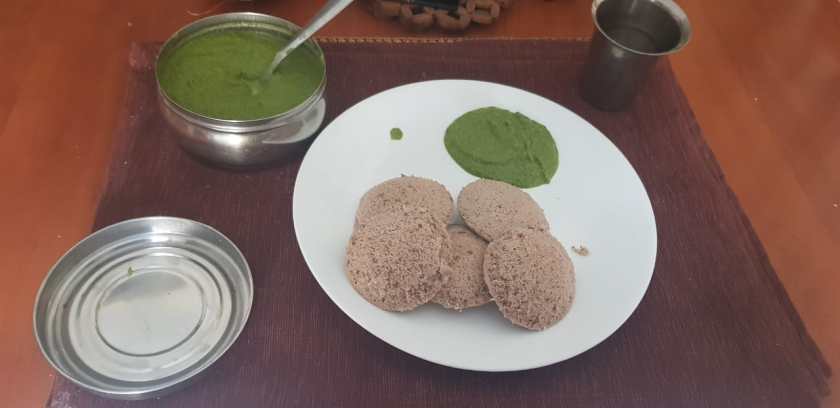
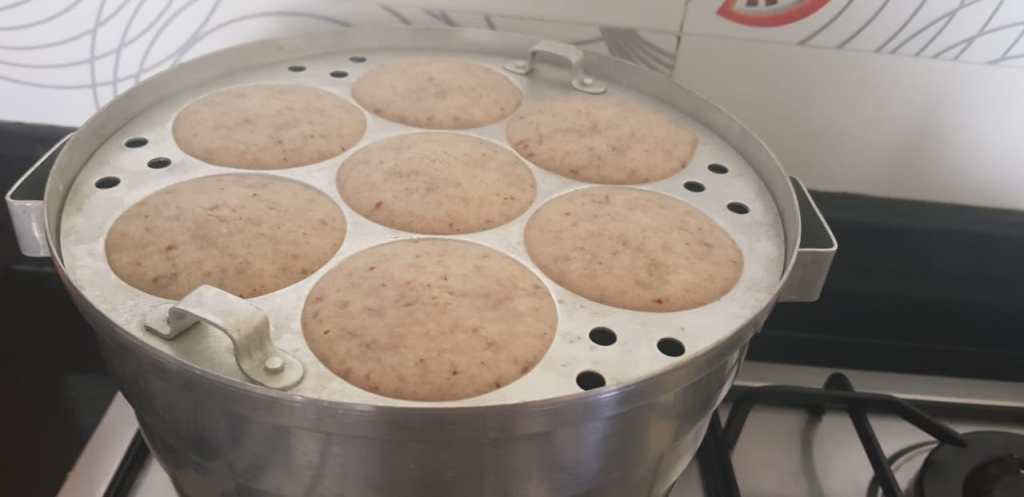
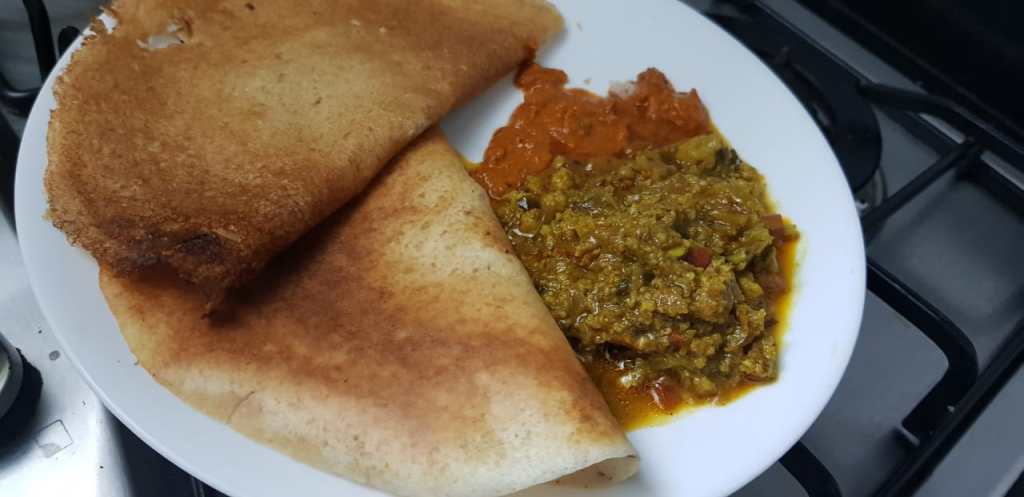
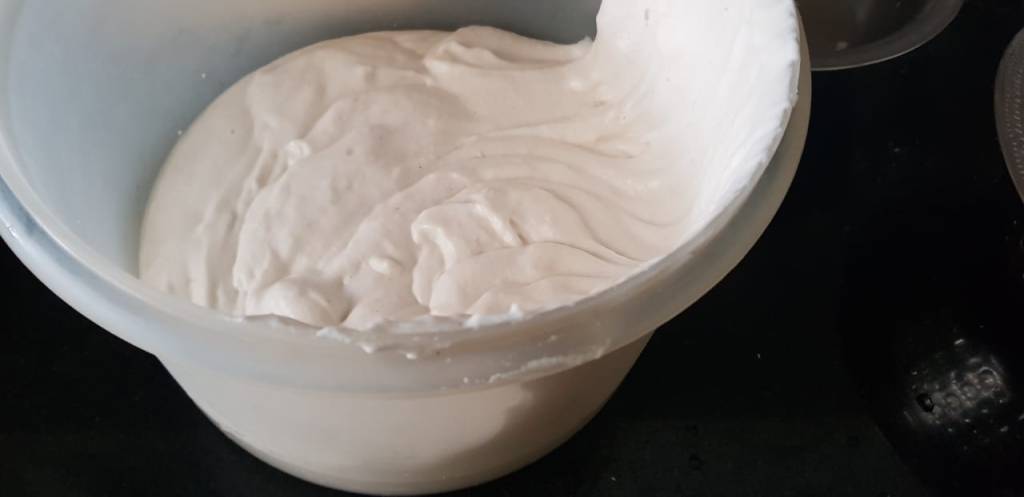
Mixed Millet Idli & Dosa

Mixed Millet Idli & Dosa

Ingredients for batter :

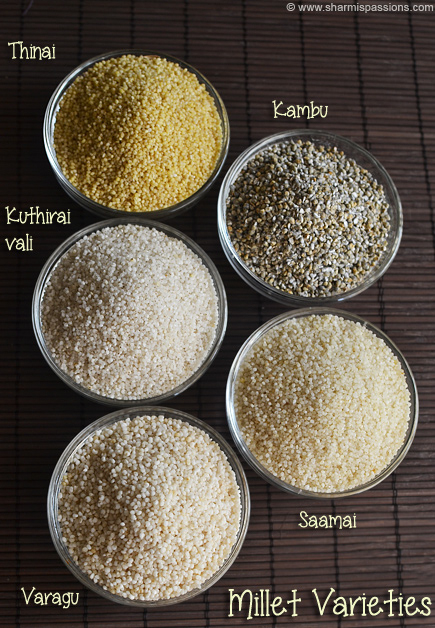
Varagu (Kodo Millet) (Kodra) – 1 cup

Kudiraivali (Barnyard Millet) (Jhangora) – 1 cup

Saamai (Little Millet) (Kutki) – 1 cup

Quinoa (Seemai Thinai) – 1/4 cup

Thinai (Foxtail Millet) (Kangni) – 1/2 cup

Kambu (Pearl Millet) (Bajra) -1/2 cup

Cholam (Sorghum) (Jowar) – 1/4 cup

Urad Dal – 1 and 1/4 cups to be soaked with 1 tsp Fenugreek (Methi) (Vendhayam) seeds.

Salt to taste (Pink Himalayan Rock/Crystal salt used)

Water for grinding

All millets used in this recipe are organic. Only Urad dal is not certified organic. All these listed millets are also native to India except for Quinoa. Before rice and wheat consumption became fashionable this century, our forefathers mostly ate millet three times a day. Even now, villagers in India have millets for main course. Ragi Mudde is popular in Karnataka and Tamil Nadu peasants have Kezhvaragu koozh for breakfast.

I left out Ragi/Kezhvaragu (Finger Millet) (Mandua in Hindi) because, mostly in roti flour I mix Ragi flour 1 tsp and flax seed powder 1/2 tsp. Moreover, Ragi will make Idli appear very darker. Consistency also may not be upto mark on grinding the batter. May be a handful can be added.

How to grind the batter?

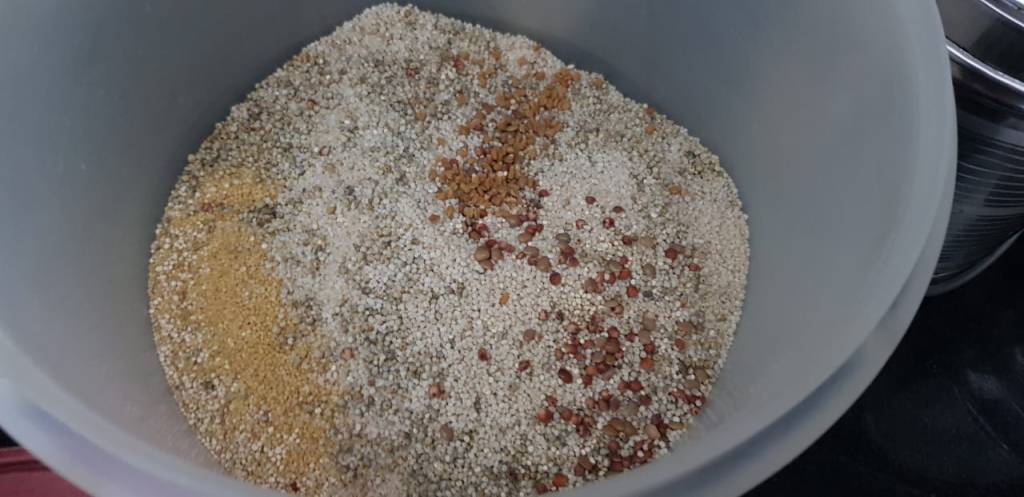
Mix all millets together and rinse clean. Leave standing water for soaking overnight. (Eight hour soaking recommended)

Soak urad dal and methi seeds together.

Grind to buttery consistency the urad dal first.

Grind to coarse consistence, the mixed millets. Little millets may remain unground, but it is fine.

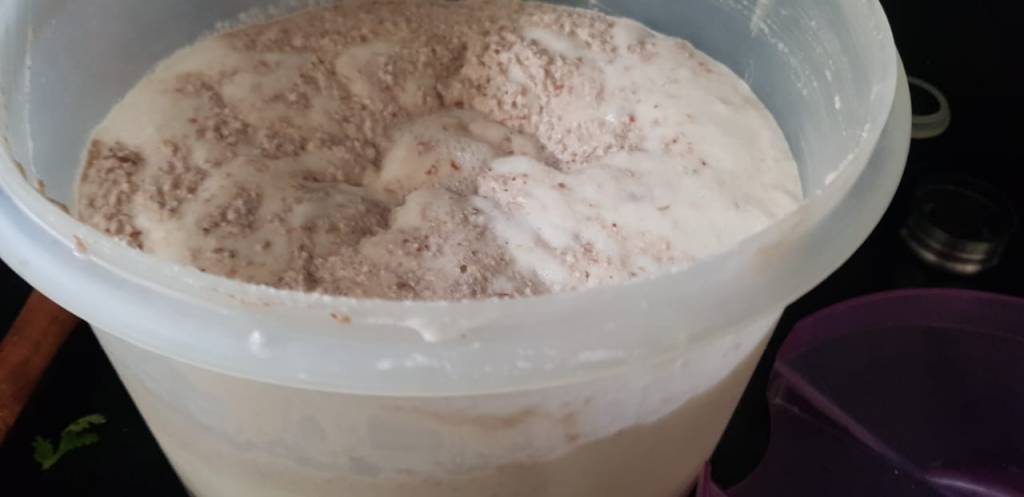
Pour the mixed millet batter on top of ground urad dal and stir well. You can salt at this stage.

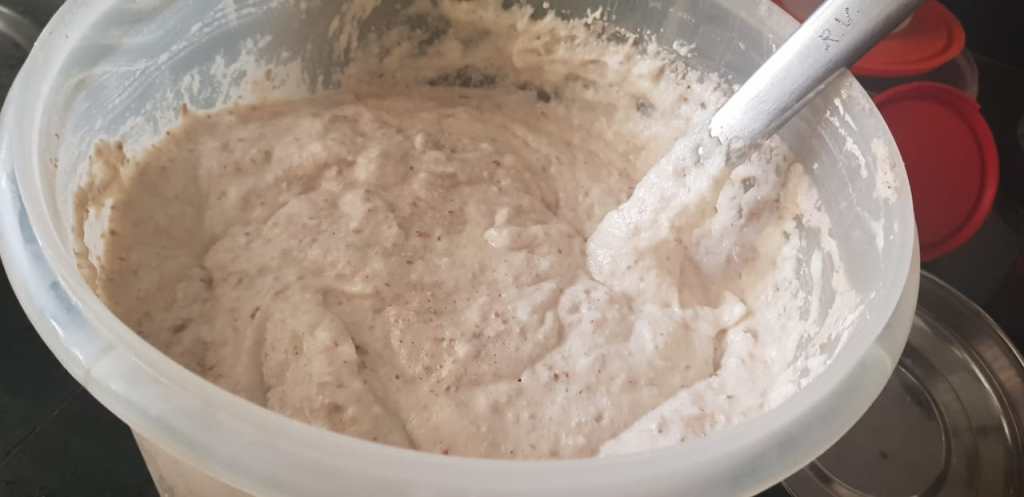
Keep aside. No need to add baking or cooking soda or yeast.

Batter will ferment and raise well on its own just like regular Idli/dosa batter in a couple of hours (or more).

Refrigerate and make Idli/Dosa like regular Idli/Dosa.

Millets are rich in vitamins and minerals. Totally gluten-free and are slow to digest. Therefore ideal for the diabetic or pre-diabetic. However, Millets may be consumed with caution in case of thyroid malfunction. Perfect weight-loss diet.

Power breakfast to kickstart your day with! Sumptuous, nutritious, filling, lighter at the same time. Soft, fluffy, melting in mouth. Best served with Mint-Coriander (Pudina-Dhaniya) Coconut Chutney and Lentil Sambhar and Urad Dal Vada.

Posted in food as therapy...

Murungai Keerai Pirattal (Moringa Leaf Curry)

This is very basic, still I thought this must have a spot in my blog.

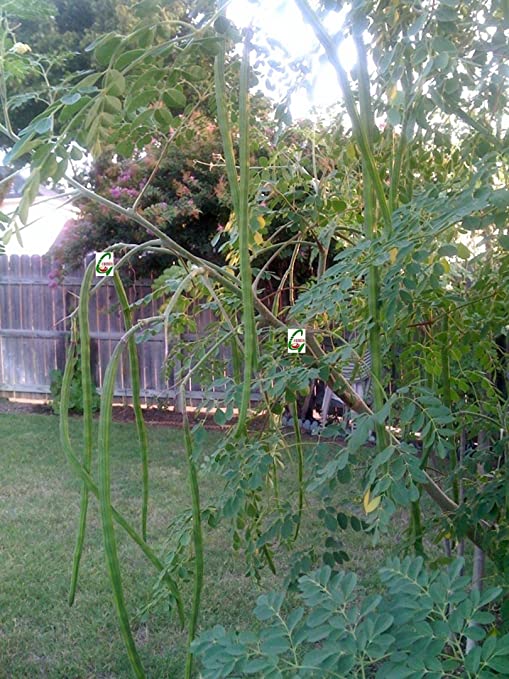
Murungai or Moringa is poor man’s vegetable in south India. Moringa is our native tree. Lower middle class homes have the tree almost always in their backyard or frontyard. Hence there is an abundance of murungakai (Moringa veg) and murungai keerai (moringa leaf) supply anyday in local markets.

In my case, my street has many homes with Mururgai tree so i get both Murungai keerai and Murungai kai free most of the times.

Moringa is also considered auspicious vegetable! No wedding feast without Murungaikai sambar.

Murungai health properties are well documented. Besides being a terrific immunity booster, the murungai family is rich in essential nutrition that keeps cancer away. Cheap and best, Murungai is naturally an integral part of south Indian cooking. Kirumi nashini (germ killer).

My interest in Moringa grew manifold when I started noticing Moringa based beauty products in Bodyshop in Doha. Ever since, of course, I started including Moringa more into my food routine. (As we Indians continue to sleep, many of our traditional medicinal recipes are being patented for profit in the west).

Although many of us have Murungai sambhar and Murungai poriyal pretty often, not everyone has an appetite for Murungai Keerai. However, it is mainstay of my kitchen always.

For Murungai Keerai Pirattal, I took a big bunch of Murungai branch leaves that my housemaid plucked for free (!) from a neighbour’s tree!!!

Here are the ingredients:

Murungai Keerai bunch

Onion medium -1

Garlic – a few pods

Dry Red chili – 2 or 3

Coconut scraped – 1 or 2 tbsp (optional)

Peppercorn – 1/2 tsp

Salt to taste (used Himalayan Pink Rock/Crystal salt)

Water a little (optional)

Oil for tempering: I use either Gingely oil or Coconut oil both coldpressed 2 tsp

For tempering: 1 tsp mustard seeds, 1 tsp broken or whole urad dal

Method:

Pluck the Murungai or Moringa leaves carefully from the stems. Rinse in running water and keep aside.

Grate onion fine

Crush the garlic. I use a stone pound (what we call ‘ammi’ in Tamil)

Break the dry red chili and de-seed.

Crush the pepper corn. You can do this while crushing the garlic.

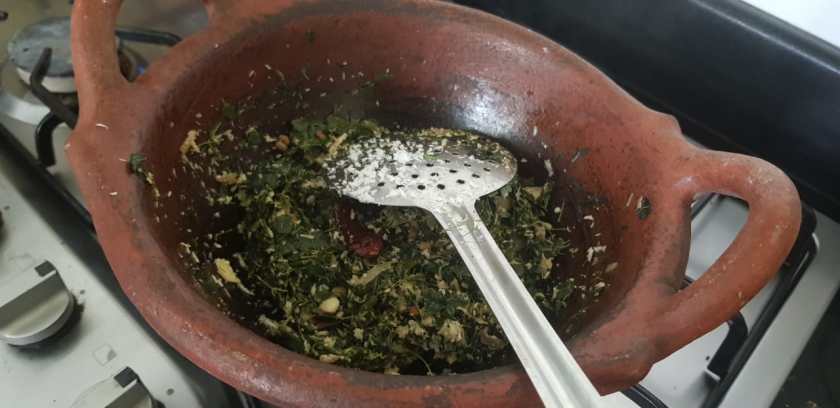
Heat the oil in a kadai (I use either cast iron kadai or clay kadai only)

When the oil is about to smoke, temper with mustard seeds and urad dal and dry red chili.

When the seeds splutter, add the onion and saute to golden brown.

Add next the crushed garlic-pepper corn.

Finally add the rinsed moringa leaves.

Add little water but mostly not needed.

Cover and cook to a crispy tender. Won’t take more than a few minutes. Under 10 min precisely.

When the murunga keerai has no more water retention, add the grated coconut.

Salt to taste.

Stir well and switch off fire.

Result: the Murugai Kai Keerai Pirattal (pic) which can be had as a subji or be mixed with rice for main course. Serve with a tsp on ghee with rice.

A must for teenage children. Moringa is a staple vegetable in our families always. But of late, our traditional vegetables and greens are hardly appreciated by the younger generation. Today we see many women in twenties with ovarian cysts etc. Infertility is on rise. Moringa is one tree that is truly organic because, it grows right in your backyard. It is pesticide and chemical fertilizer free. One good reason to make Murugai keerai and Murungai Kai poriyal/sambar a compulsory part of your weekly diet. Moringa or the Murungai family is credited with natural fertility properties and other medicinal values as per Ayurveda. It is not without a reason that our families have traditionally made Murungai a vital part of our everyday menu.

So is Murungai Keerai yummy? Not sure about that! Mostly it is acquired taste for us hahaha! But today’s Murungai Keerai Poriyal was too good which is the reason I am posting it here in my blog.

PS: Btw I just loved the subtle fragrance of Moringa moisturizer in Bodyshop !!! Was like none other! So original! I can’t believe the MNCs took the Moringa out of India to make cosmetics from face creams to perfumes!