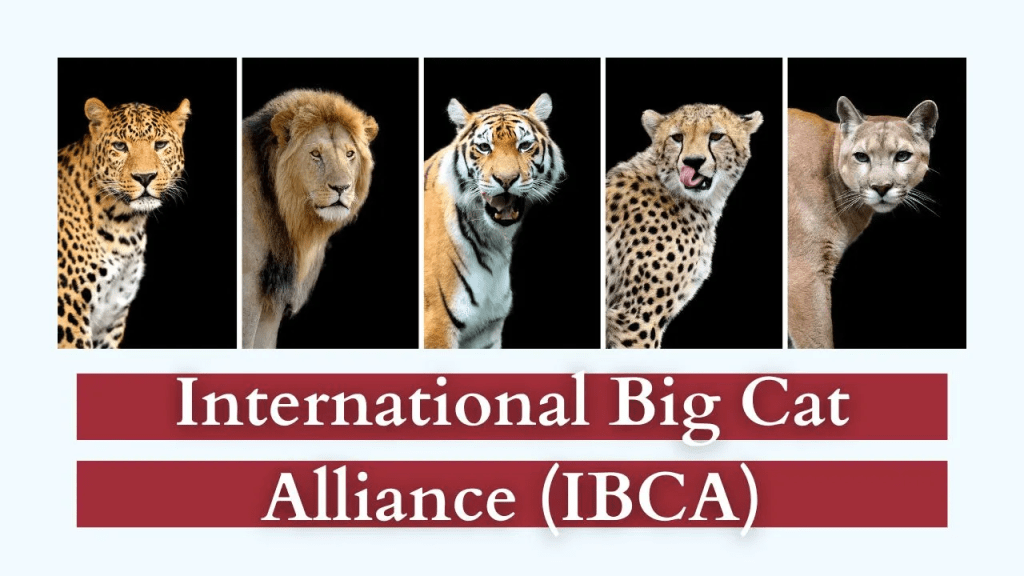
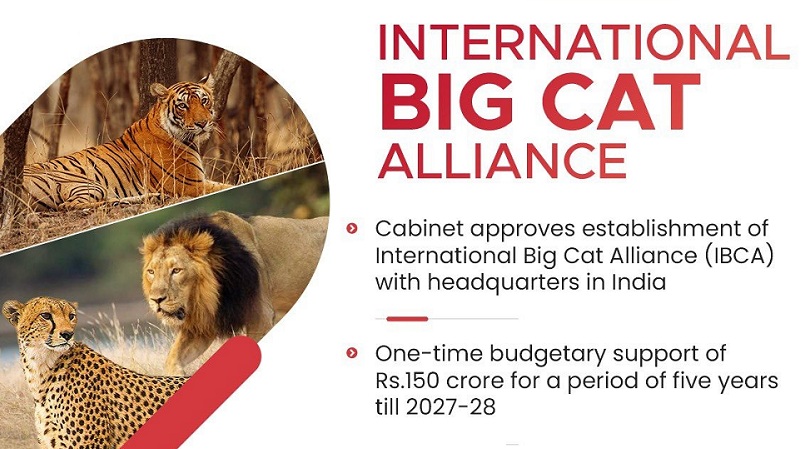
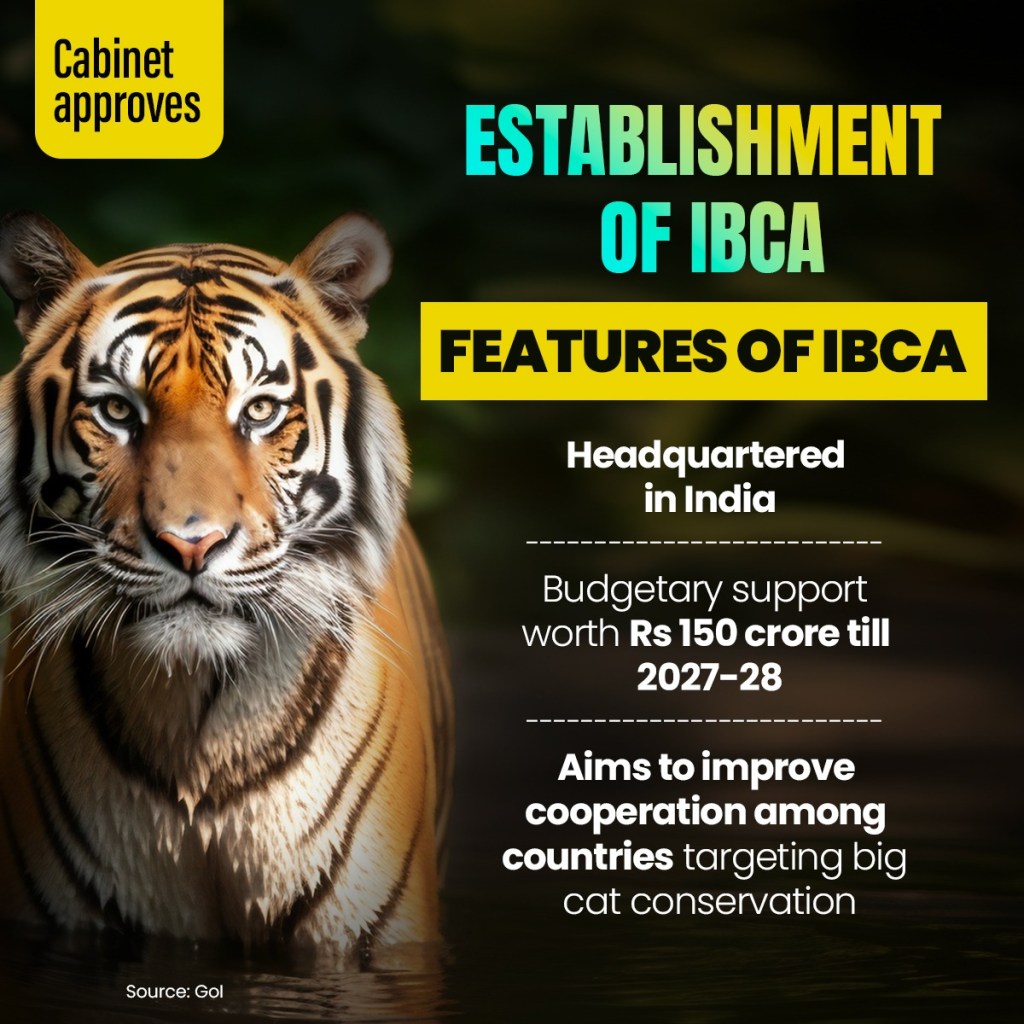
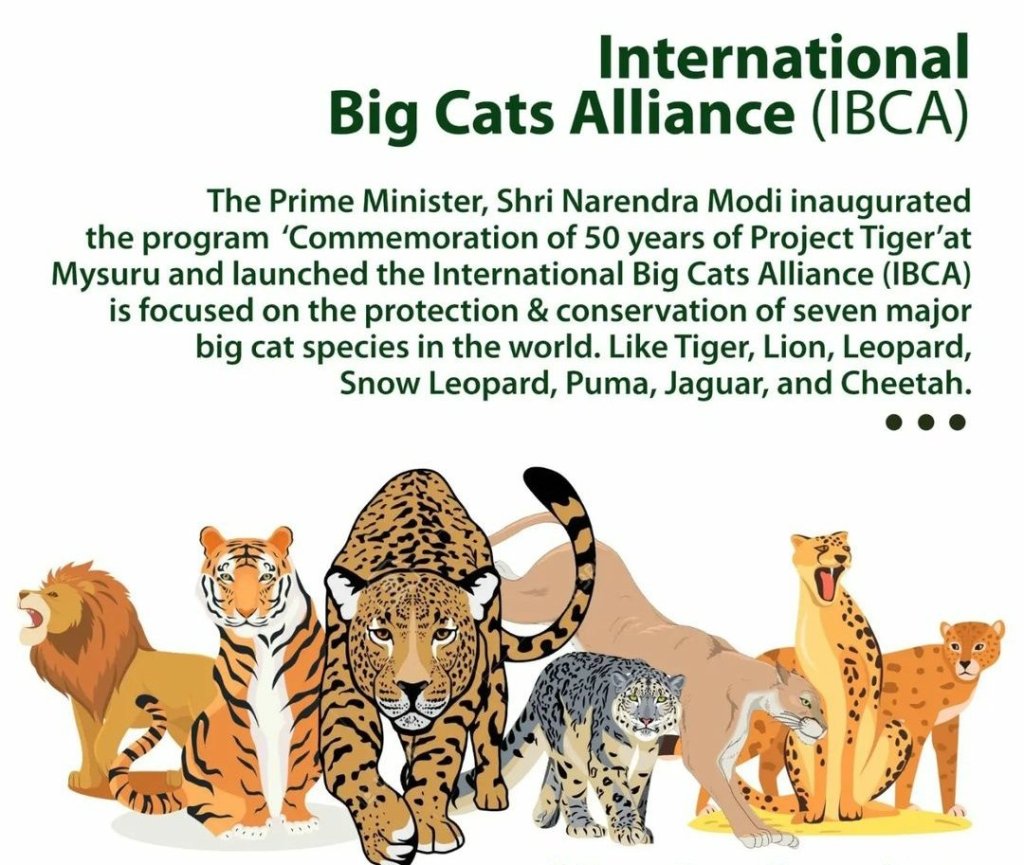
India is home to world’s largest number of tigers, Asiatic lions, leopards, snow leopards and cheetahs (revived-sourced from Africa). India is also the only country in the world to be the home to all the thee big cats viz., the lion, the tiger and the cheetah. A total of 15 big cats call India their home including the elusive lynx found in POK, Sikkim etc. Indian cabinet approved the establishment of IBCA to be headquartered in India. Along with the jaguars and pumas, a total of seven big cats that are endangered species will be protected by the alliance that will focus on playing effective role in preventing the big cats family from going to extinction.
Ref: How the Bitra Floating Marine Reserve was born – by Rohan Arthur and T R Shankar Raman , from ‘At the feet of living things’ -edited by Aparajitta Datta
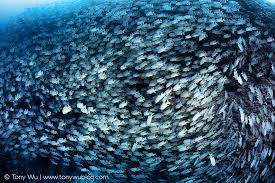
Always amazed by fish spawning frenzy spotlighted by underwater videos that we come across in Animal Planet etc. Never knew it had a scientific name: FSA (Fish Spawning aggregation). What is more surprising is learning that India has a Floating Marine Reserve (among a handful) at Bitra, Lakshadweep group of Islands falling under the Union Territory, off Kerala coast, in the Arabian sea.
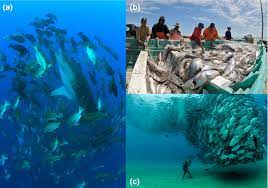
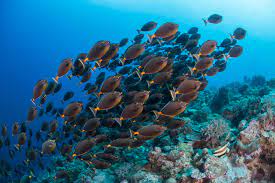
the greed of the fishermen: catch from FSAa glorious FSA near a coral reef
Some of the books I have read on the wildlife in India were authored by wildlife research aspirants who were gathering material and evidence for their doctorate. The Bitra Reserve apparently was born thanks to the efforts of two such ambitious and enthusiastic PhD candidates of Fisheries who had chosen Bitra for their studies. I am blogging this from a series of essays on Indian wildlife conservation efforts in about a quarter century until the 1990s. Some articles lie outside the purview of the scope of the book obviously, because the Bitra scene is from very recent. One of the group of islands of the Lakshadweep archipelago, Bitra is an impoverished fishing island where naturally fishing continues to be the way of life. The two researchers Rohan Arthur and T S Shankar Raman venture into this sleepy fishing center and stumble upon the FSA off the reefs of Bitra sea. They discover in the year close to 2012 that there is the FSA (fish spawning aggregation) ritual happening under sea near the reef where the square tails aggregated in tens of thousands to spawn their litter. A rare event in Indian territory, the Fisheries guys congregate with the locals and take steps to preserve the FSA from damages of fishing.
Seriously I wish they hadn’t tabled their findings! In a bid to submit their papers for their diplomas, they have given away the precious info to the locals that they seem to exploit for commercial gains. The earliest boost for their venture was the kudos that came from the Fisheries department itself that went against their grain. The department seconding to save fish is anathema to their founding principles and motto. No wonder, the plans fell flat in their face as the local fishermen refused to comply with the restrictions and started fishing vigorously in the delicately balanced marine eco system with the mother boats that made a killing catch every season of spawning (around new moon day a particular time of the year). Thus in matter of ten years the FSA fish count has dropped by over 90% . Human greed knows no bounds. Educating the local fishermen, bringing the awareness is a slow process but can work in the long run. Hopefully by the time realization dawns, there are still square tails left out in the Arabian sea/Indian ocean to make it to the Bitra reef for their annual appointed FSA.
Will the center look in and do something decisive about the protection of the Bitra reef and FSA therein? #narendramodi
I am banking on our Prime Minister Shri Narendra Modi ji on saving the floating marine reserve at Bitra and the annual FSA, saving the square tail and other fish species from extinction in near future. FSA is way of nature. We shall be making or breaking the natural cycle in Bitra shortly as frenzied fishing activity near the reef can drive the fish away from the FSA pool which for some evolutionary/geographic/scientific reason has been natural selection for the fish species since ages.
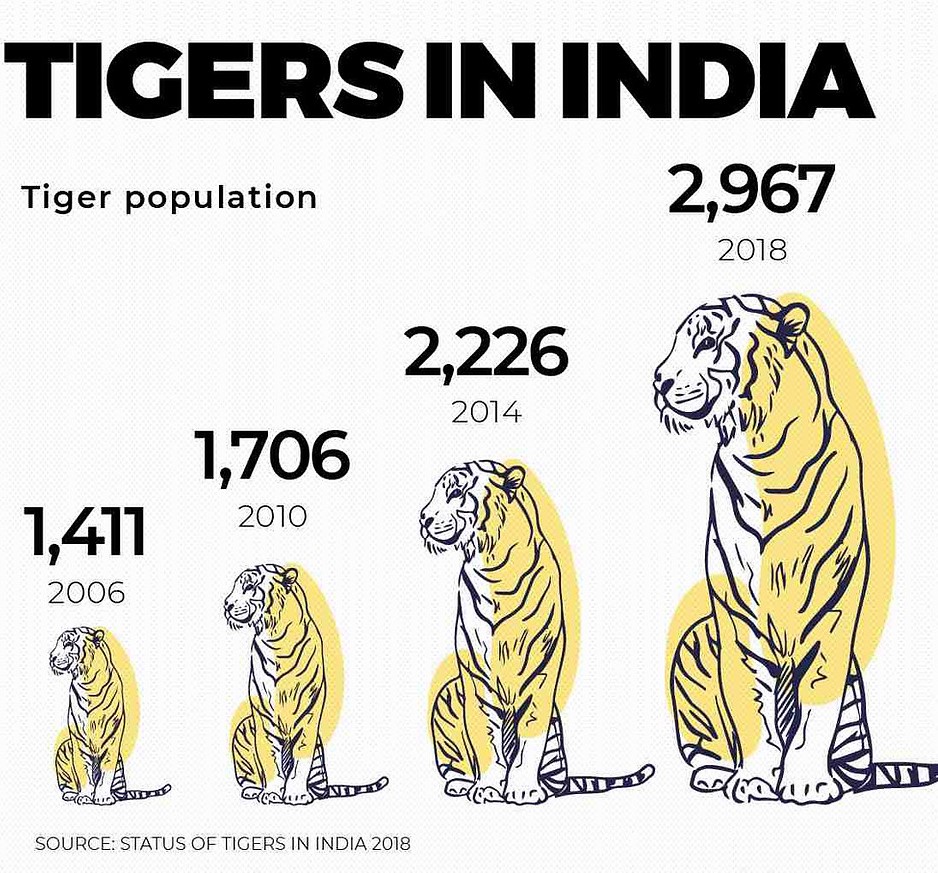
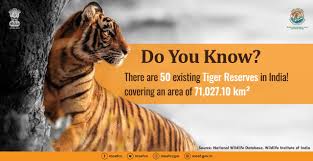
India Tiger Count tops 3000. Now pegged at 3167 as per latest census .
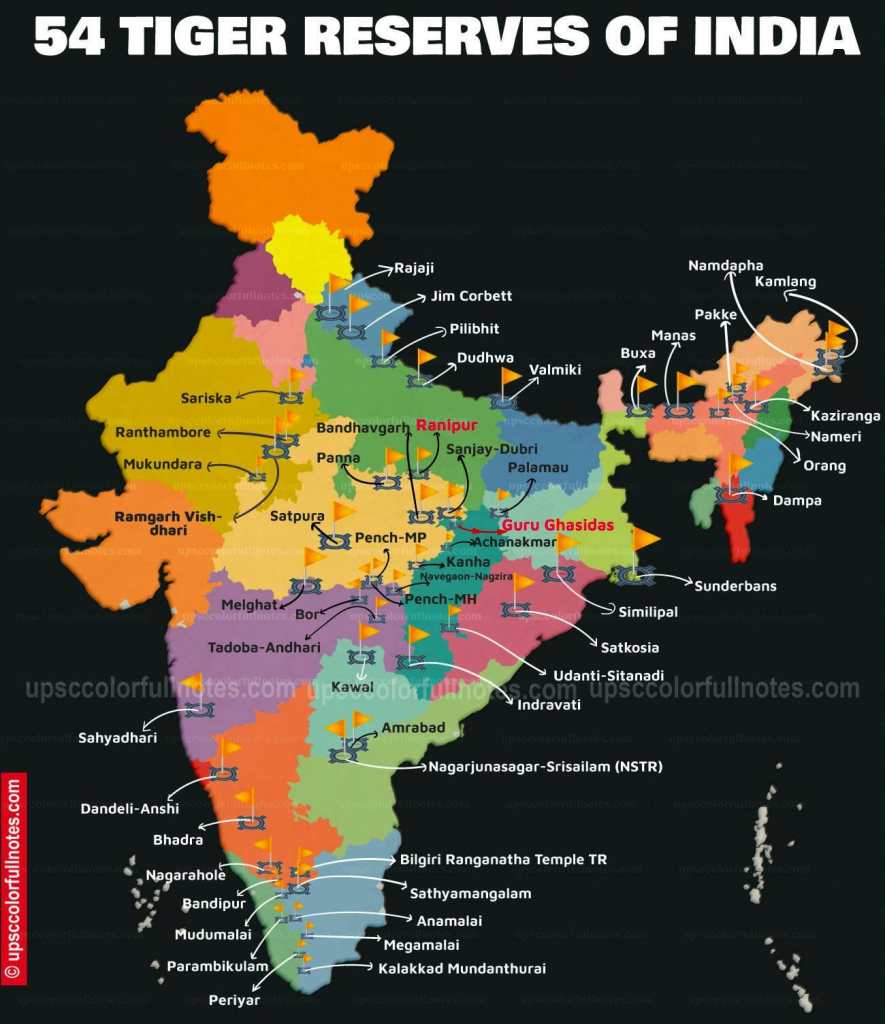
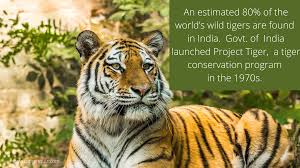
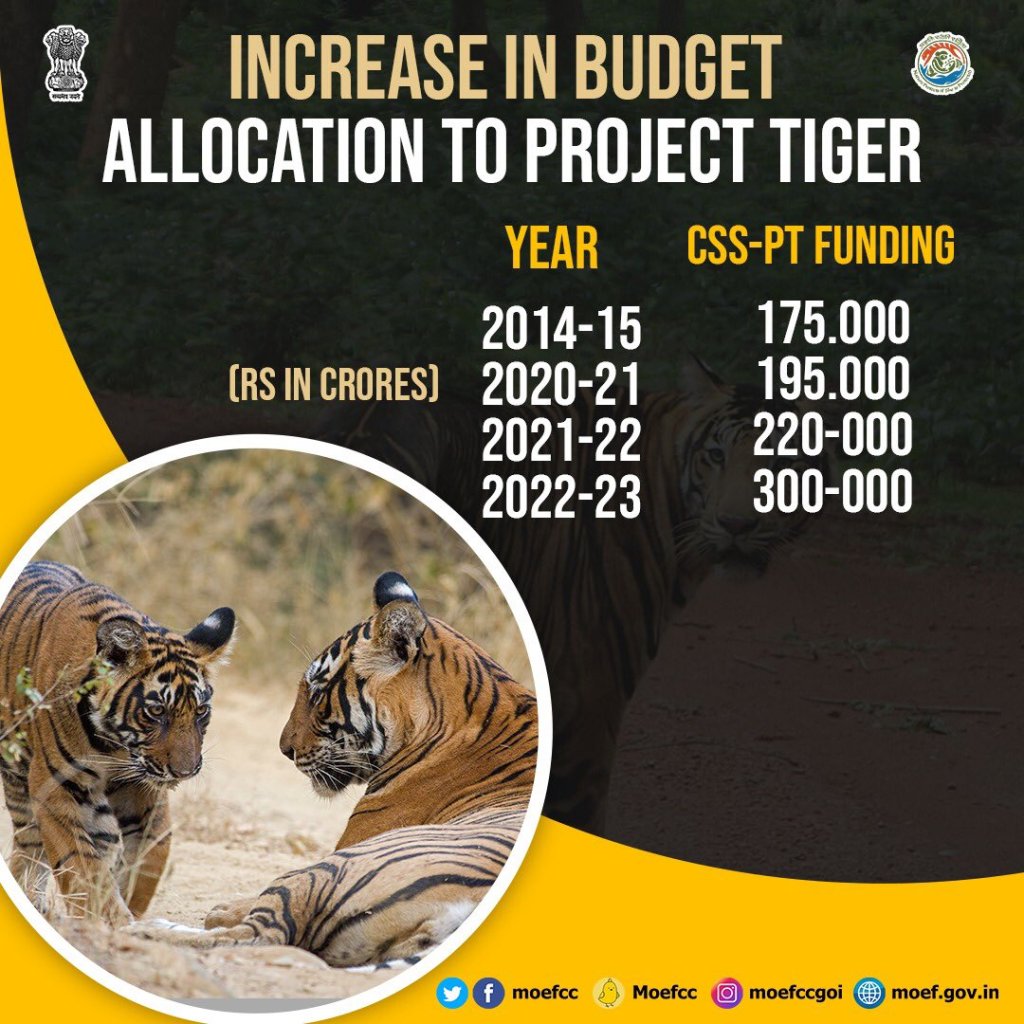
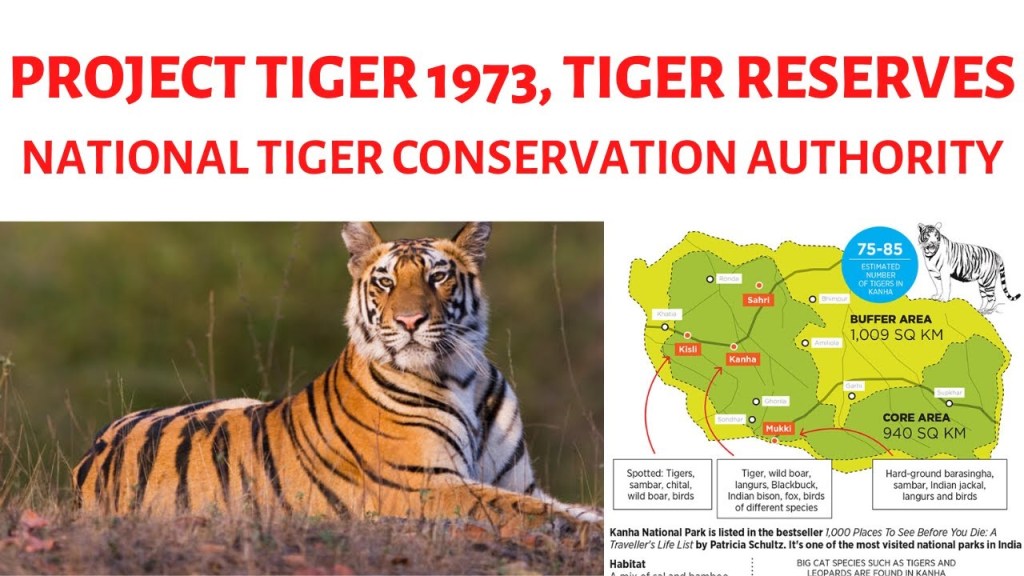
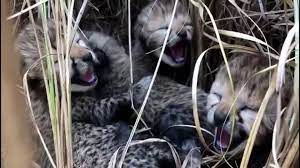
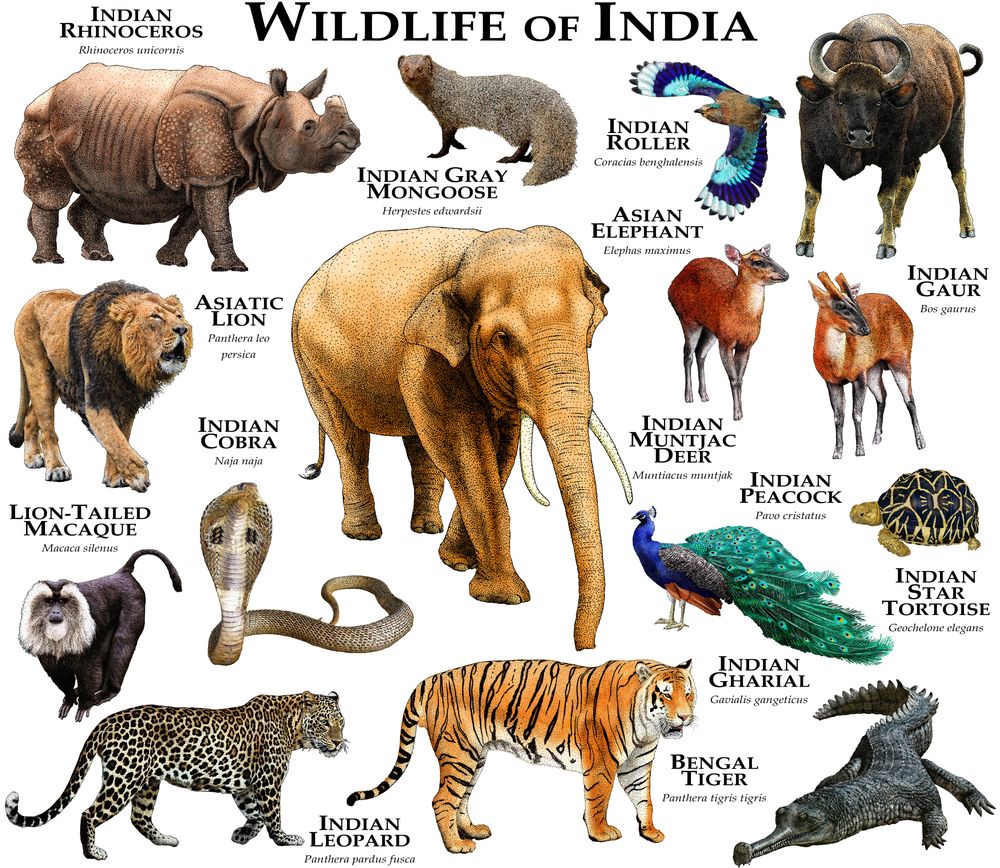
As we celebrate 50 years of Project Tiger in India that was rolled into motion way back in 1973 for conservation of Tiger the national animal, it emerges that India has recorded a doubling of the Tiger population since 2010. The thirteen tiger countries of the world met at St Petersburg in Russia at an international tiger conservation forum, the Global Tiger Summit where it was decided to boost tiger breeding doubling their count in the next twelve years by 2022. India achieved the target well within time. India accounts for 70% of the tiger count in entire world. Bengal Tigers and tigers from across India have seen a surge in headcount in the various wildlife reserves and sanctuaries spread around the country. India is also home to the native (Gir) Lions, (Indian/Asian) Elephants and a stunning array of wildlife – both flora and fauna. To those who ask why is our population 1.3 billion, this is the reason. For millennia we had the ideal weather conditions that nurtured both human race and the wildlife that helped them breed and thrive healthy and happy in this part of the world. As man and beast jostle for space in this cramped peninsular subcontinent of ours in modern times, conservation efforts are proving to be an increasingly tougher job. A highly bio-diversified country, India boasts of both the snow peaks of the Himalayas as well as the Thar deserts; the serene beaches of the south; the mangroves; the biosphere of the Nilgiris or the western ghats that are home to widest range of avian population in their rainforests as well as exotic fauna such as the sandalwood trees; the eastern jungles recording highest rainfall in the world per year. The elephant corridors and the tiger corridors of this country have been here for thousands of years, from long before recorded human history. Only in recent times they have cut short or taken over by human greed. As our prime minister visited Bandipur sanctuary in Karnataka from where he drove into Mudumalai wildlife sanctuary in Tamil Nadu right through the forests in recognition of the golden jubilee year of Project Tiger, the nation celebrates the big cats of the country with enthusiasm and vigour. Last year saw the re-introduction of Cheetah in India, brought in from Namibia. The native cheetahs of India were hunted down to extinction by the British (who are behind the extinction of many species of wild life) alongside the erstwhile royals of India.The nation mourning the loss of life of one precious fertile female cheetah was compensated with the arrival of four healthy cubs from a cheetah mom late last week.
The Tiger countries of the world: Bangladesh, Bhutan, Cambodia (locally extinct), China, India, Indonesia, Lao PDR (locally extinct), Malaysia, Myanmar, Nepal, Russia, Thailand, and Viet Nam (locally extinct).
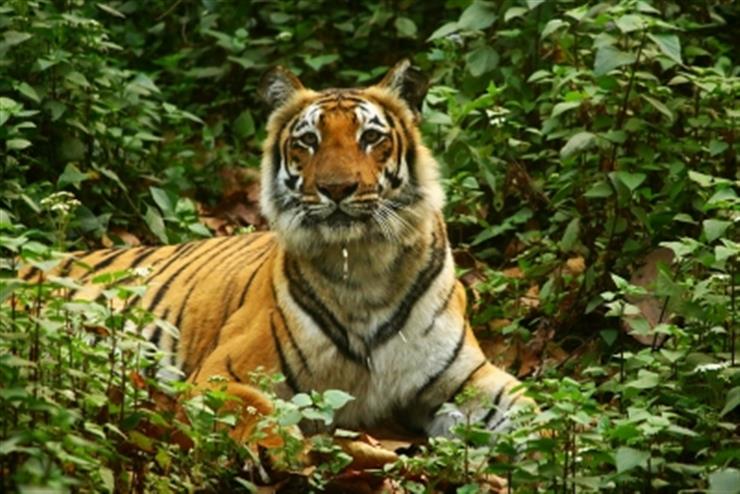
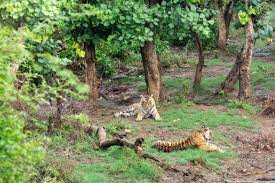
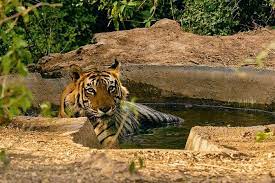
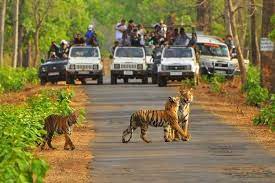
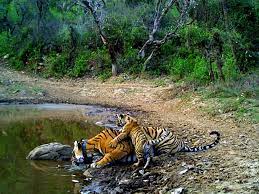
Rounding off with some adorable shots from the Tiger reserves of India. The disturbing image is that of the tourists, but then the tourists pay for the tiger conservation efforts.
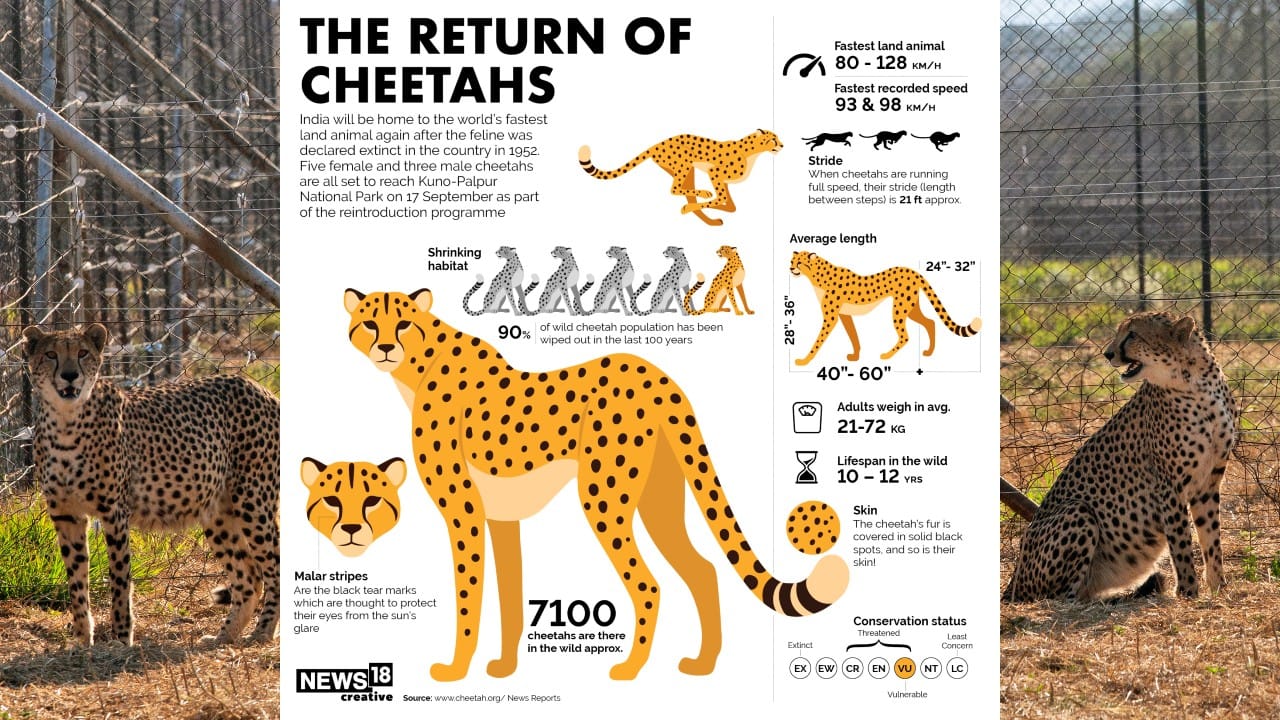
the fastest land animal Cheetah back in India after a 75 year hiatus.
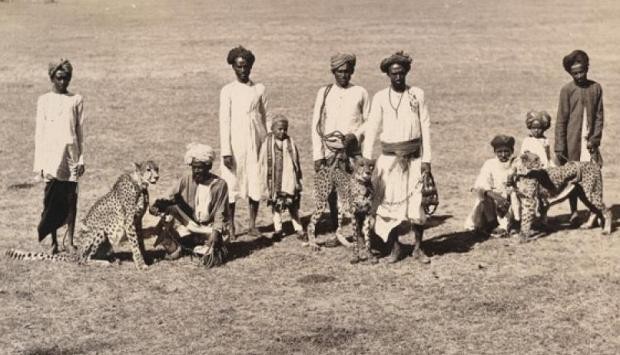
On his birthday (today), PM Shri Narendra Modi ji presented India with a gift like none other: the fastest land animal CHEETAH, long lost to the country for over 75 years now. Driven to extinction thanks to relentless hunting by the British in team with the princely state Maharajahs of pre-independent India, the Cheetah’s exit has been lamented unanimously by the wildlife lovers across the nation.
the native Indian Cheetah hunted down to extinction in the Raj
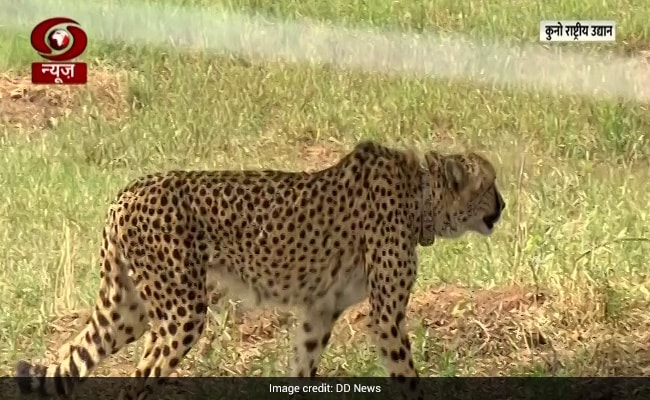
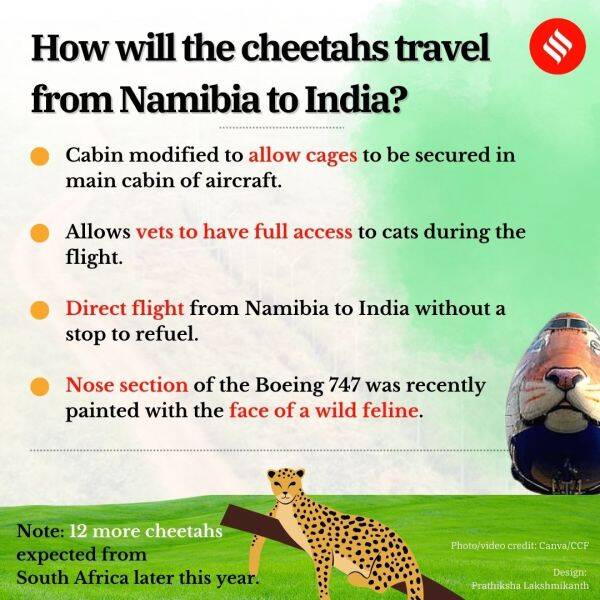
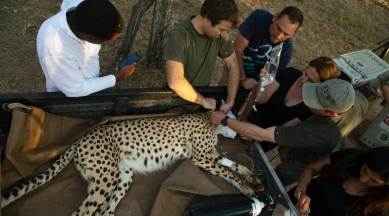
Govt of India has reintroduced the African Cheetah back in India, as eight of them have been procured from Namibia after due quarantine and bureaucratic formalities. PM Modi released the radio-collared cheetahs this morning into the Kuna National Park, Madhya Pradash that will serve as the new home (range) of the felines. India is home to other big cats such as the (Gir) Lions, the Bengal tiger and the leopard. The cheetah has been sorely missed. India is also home to the Asian/Indian Elephant (Elepha Maximus) and other exotic wild(life) flora and fauna species. The world has very few bio-diversity spheres of staggering range like we have here in India. It is all the more our responsibility to see to that the wildlife are conserved well in our country so that we need not have to show our children tiger and elephant in science text books or zoos. May generations of Indians go on jeep safaris in our national parks to savour the natural sightings of our wildlife species. That’s an unparalleled life experience – an adrenaline rush that cannot be put into words. As someone who has sighted wild elephants although in the shoulder areas adjoining our wildlife sanctuaries rather than within the contours of our national parks, I can relate to what the cheetah means for India and our wildlife enthusiasts around the country. There are park aficionados among us and committed wildlife photographers devoted to their passionate hobby whose entire annual vacations are reserved for safaris in India and Africa. There are religious wildlife wardens who take their official duties rather seriously because of whose tremendous efforts, conservation is on track. And then there are those like me! Expressing my heartfelt gratitude to PM Modi for giving us Indians back the cheetahs, and sending him my birthday wishes. Our Forest department will take the best care of the cheetahs that have come home to us. Let us wait for them to settle down in their new natural environs where they will be sharing their range with lions and tigers and elephants and leopards of India. I wonder with their bullet train speed, how many states of India will they be setting their foot in through connecting wildlife corridors. Over 50 cheetahs to be introduced to Indian wildlife sanctuaries in phased manner the first leg of which was flagged off at Kuna this morning. Welcome back home CHEETAH!
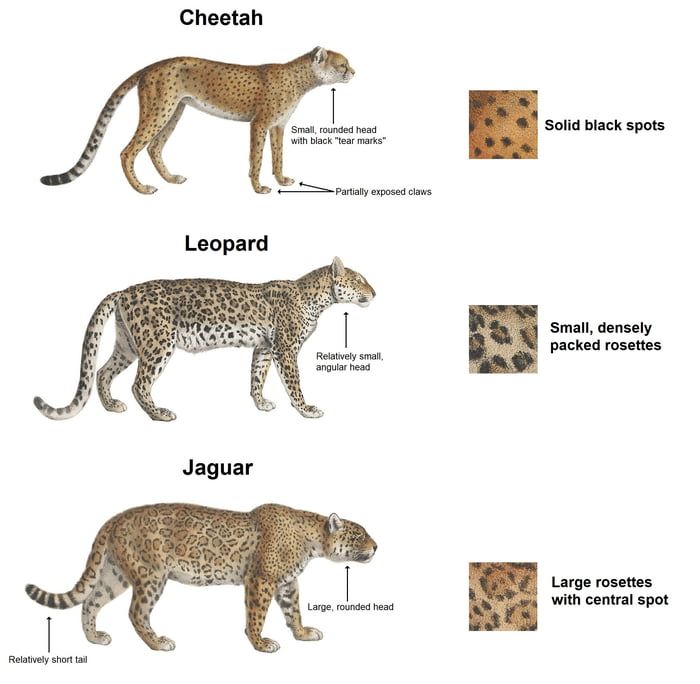
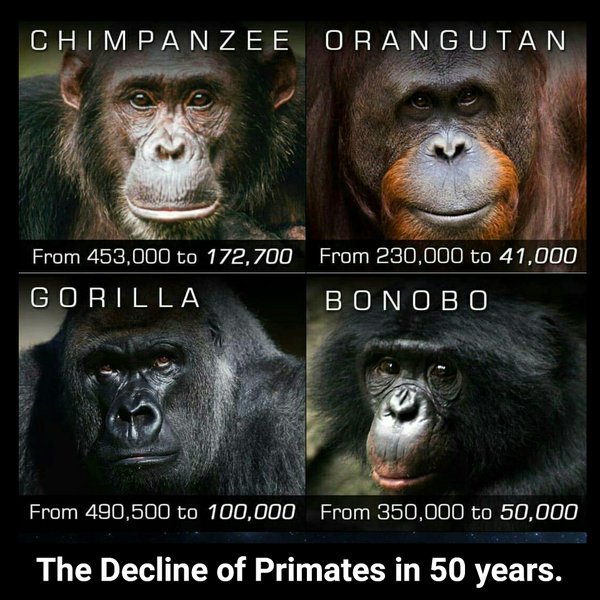
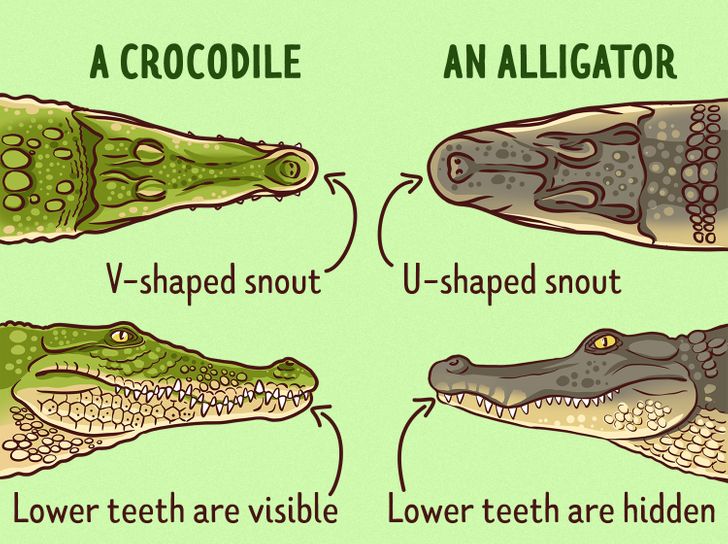
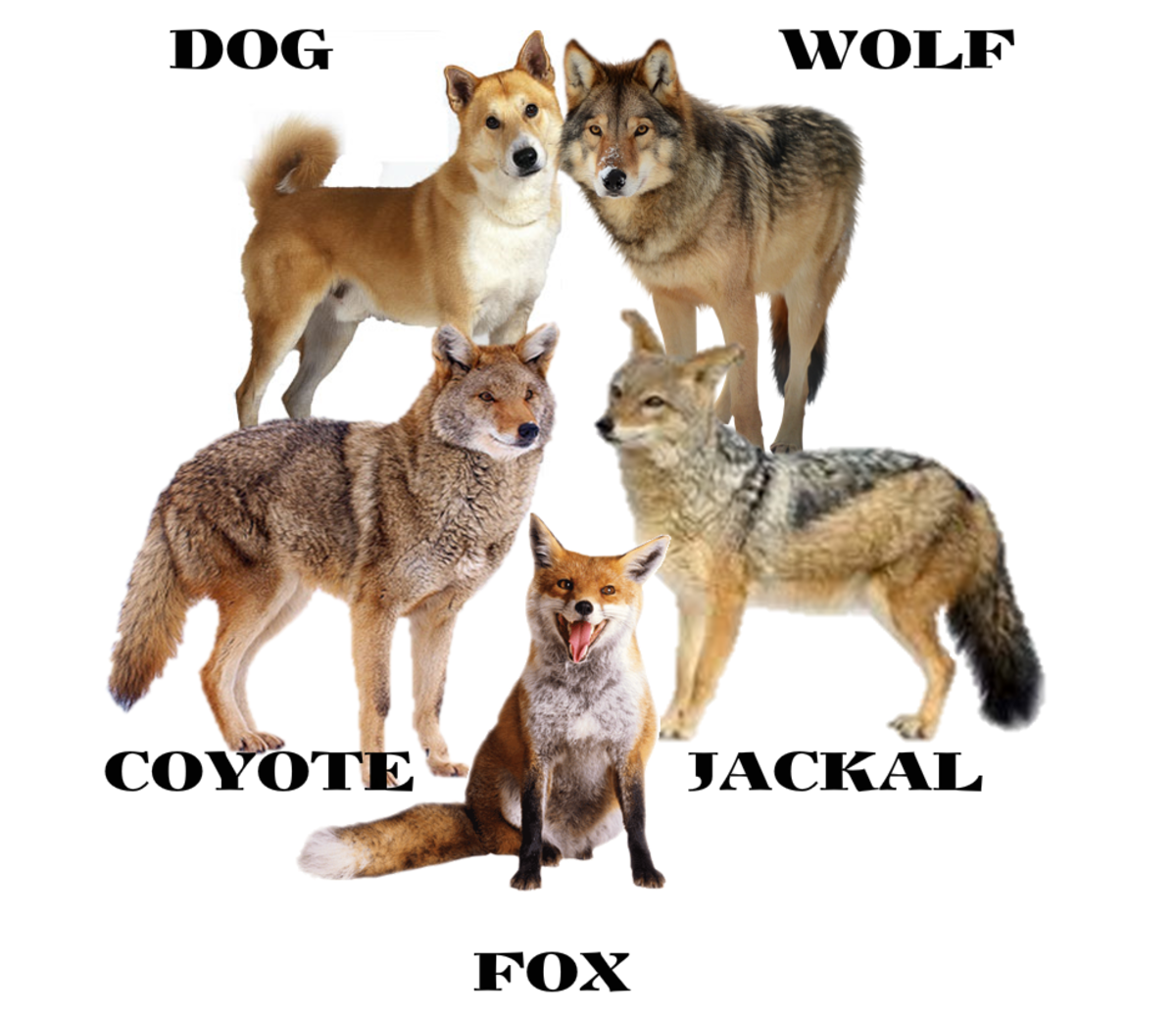
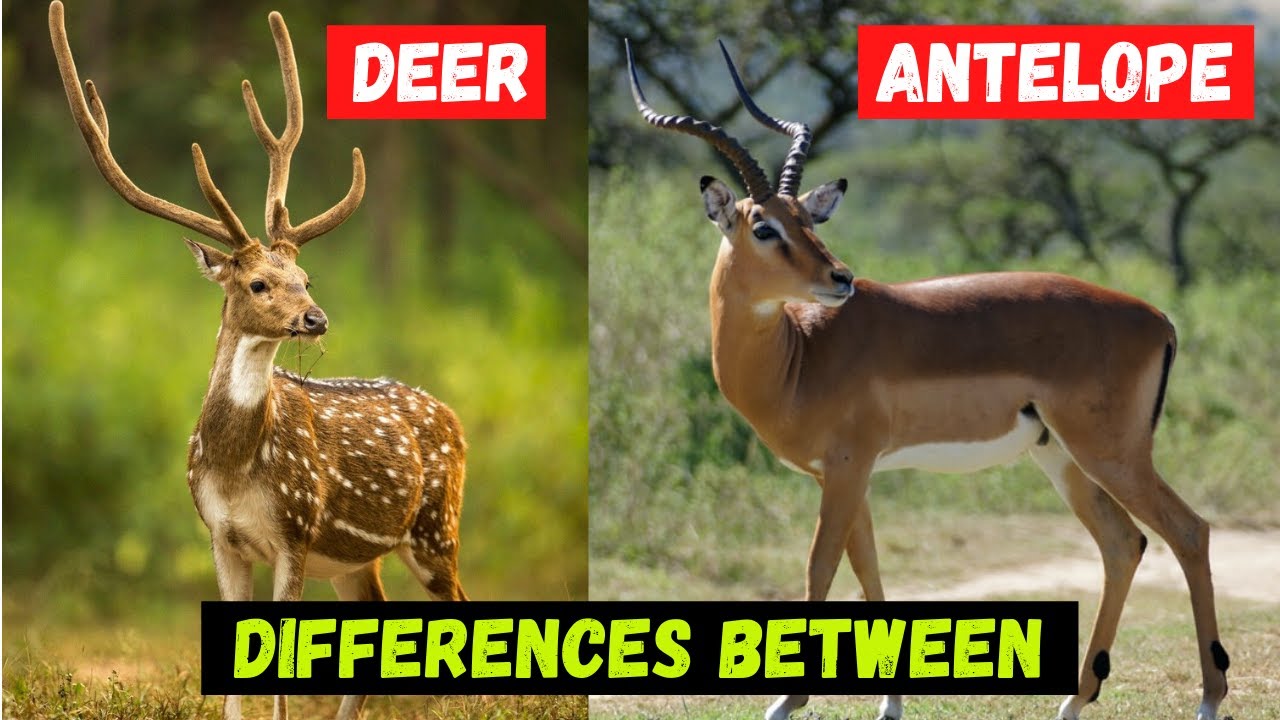
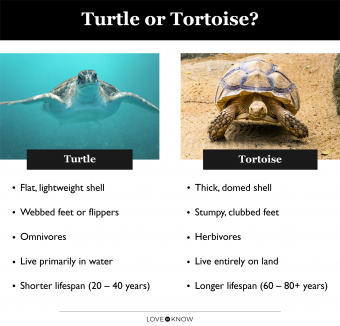
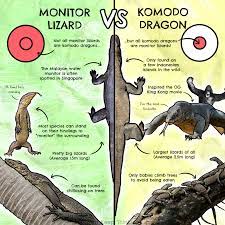
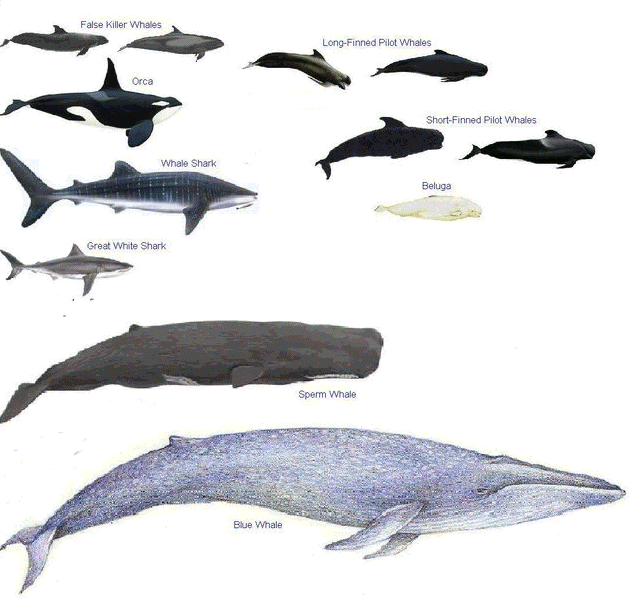
Does a leopard change his spots? Or was it the cheetah or jaguar or tiger. Leave alone the panther and puma, they are a different cat family altogether where they belong with the lion. For that matter how many of us know the crocodile from alligator or the gharial. Whale from shark and dolphin and porpoise. Comodo dragon from the monitor lizard. Ant eater and the tapir? By the way, I never expected tapir to be sooo huge, and another surprise was that its natural habitat is Malaysia (or south east Asia). Up close with the tapir in Seattle zoo for the first time ever 😀 How different are the deer, antelope and the gazelle? Eagle, vulture, kite, buzzard, falcon? Can you tell between the turtle and the tortoise. Wolves and foxes? And oh, the (siberian) husky I believe is the closest domesticated living relative to the wolf. What about the gorilla, chimpanzee and orangutans. The monkey family trees are way too many. Similar are the rodents. Birds are myriad and the sky is the limit for the avian genre. Bewitched by the African pigeon that was fowl size! The animal world is truly fascinating. Even giraffe has okapi from the family although both have distinct identities. The zebras may somewhat come as closest second cousins but then they have the ass and the horse lineages to blame their genes on. Nature has worked wonders with living organisms creating a spectacular and divergent array of species, and some including us human sapiens may still be ‘work under progress’ really. Yeah, we may not be finished with as yet. One of the flipsides of the evolutionary process is that, as species may interbreed, mutations could pave way to infertility and bring to halt some bloodlines. Thus the mule is non reproductive, just as the tigon is. May be cloning is the way forward?
Zoos are not happy places, that much I know. Its pathetic to view a bored lioness tearing at nothing just as you gaze a dozen bored and soft listless Bengal tigers pacing up and down their airconditioned cells in Dubai dry heat for instance., where wildlife even makes for pets to the richest Arabs. The apes have nowhere to swing to. The winged beauties cannot flee their nettings. The otter has to keep swimming in loop just like the penguins within the glass aquarium. The rhino pair just have each other and the manmade pond to wallow in. Yet I know the value and importance of conservation when it comes to endangered species. Sometimes, zoological nurseries become the only way out to stop exotic species from going to extinction. Or on retrospect, are we doing it right. To borrow from the ‘Sapiens’, should we be allowing the rhinos to go extinct in the bush rather than save them to live a miserable life staring at space. What have we humans done to the poultry that progenerate many million times every single day. After visits to half a dozen zoos around the world, and coming from India, home to a stunning range of wildlife, I am for afforestation to increase green cover. A single lion or elephant in the wild in India may require a minimum living territory of 400 sq km for instance. This is not just the breathing space for a predator but also its prey zone. So when we shrink the wildlife habitat, the population count drops. The least we can do is NOT take over the elephant corridors for development and/or encroach upon our sanctuaries and wildlife reserves for industrial expansion or mining. Our green cover also serves as our country’s lungs. Shrinking the forests will directly dent the ozone layer over India depleting the oxygen in the atmosphere.
Heartening to learn of giraffe birthing healthy young calves in Mysore zoo and to watch the radio collared tiger mom in Panna with her newborn cubs on Mother’s day. While the former is an astonishing breeding in captivity, life in the wildlife reserve will be tough for the tigress and her brood. Managing the delicate balance between sustaining wildlife in their natural habitats and development and progress of human society is a Herculean task. Zoos may still be a last resort only. One of the unshakable memories for me is listening in alarm to the traffic noise outside the Mysore zoo even as I stood admiring the gait of the Bengal tiger almost six feet long restlessly growling and pacing down the enclosure.
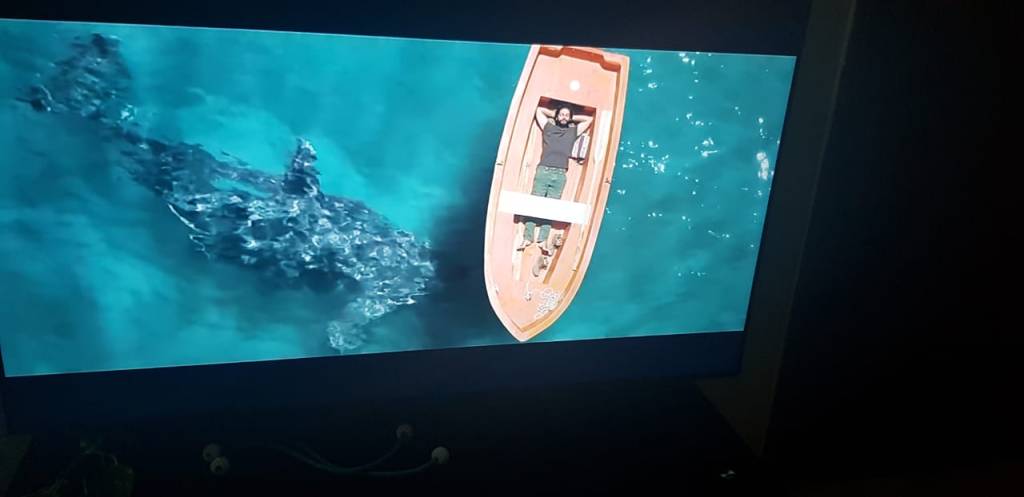
Just finished watching this heartwarming flick based on true life story of an Orca conservationist from South America and couldn’t wait to post the review. Filmed in breathtaking locales of Patagonia in Argentina, the beachside shack where the orca park ranger Beto is posted is far cry from civilization with not a telephone in vicinity or cell phone tower leave alone a decent flushable toilet. Yet the man pursues his passion, relating to the magnificent and mesmerizing sea creatures that roam the oceans in this part of the world, the Pacific. How this reserve officer, lover of wildlife, draws out the autistic Spanish boy who flew in with his mother from Spain watching him in tv show is the story. Strongly recommended. What a landscape. Tough but peaceful life. Why should everyone walk by the beaten path. Offbeat is good! I really want to see South America, as i am also concurrently watching the Magical Andes. This massive continent from southern hemisphere hardly receives its fair share of attention except when it comes to soccer. How different lifestyle is in every single part of the world. Sometimes it is irritating to listen to cultural rhetoric of fellow Indians. We need to go see the world, see it for what it is, and see how too very insignificant we petty ourselves are in this vast universe. Conservation of nature to me is the hallmark of most civilized and cultured societies that have truly evolved. Heritage is not always showcased in ancient architecture like we view in India or in masterpieces hanging in Rome or Paris or in the operas of the west. Orcas seem to be darlings of the sea and they seem to relate to Beto is a special way, just like Lawrence Anthony, the elephant whisperer of south Africa could communicate with wild elephants Wow, what a gift, like none else. As is mentioned in the flick, may be the autistic kids can pick up some very feeble vibrations from the orcas that emit low frequency communication waves just like the their terrestrial counterpart the pachyderms roaming the forests of Africa and Asia. It did seem to have helped Tristan, the boy in the picture at least..
‘In the heart of the sea’ on whaling is not about wildlife conservation yet a compelling watch.
If an orca is to approach the marina in Chennai, our guys would be drooling over orca biriyani omg! What kind of people are we. I liked the gentle hero the orca man, the survivor mom Lola who is so courageous to risk it for her special kid in a godforsaken barren place half way around the world. But that is what mothers are… aren’t we. I am familiar with autism. No, I don’t pity the autistic children, rather i guess they are merely different. As Beto says, these kids see the world through better glasses than ours. However, easier said than done. Not at all a fairytale. Patience stretched for parents and even marriages suffer. But the naivety of the autistic kids can melt your heart. With orcas they can be deadly combo! Lovable, lovable, adorable! Feelgood factor for me. World needs to hear more of this kind of stories.







 vijiravindran's