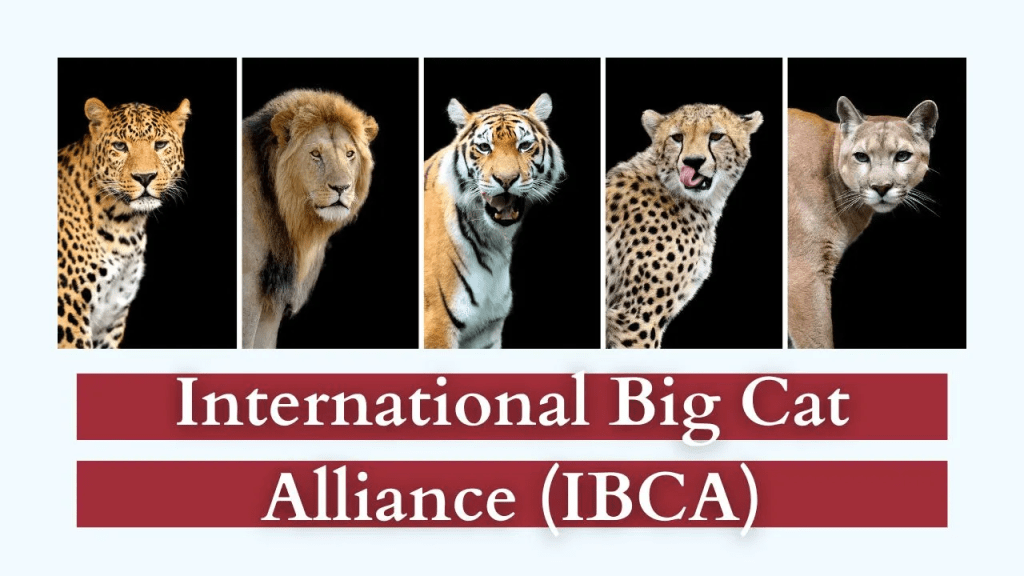
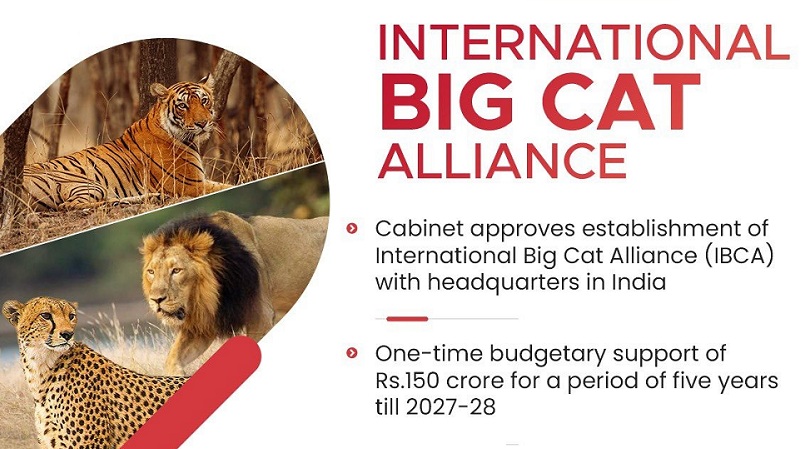
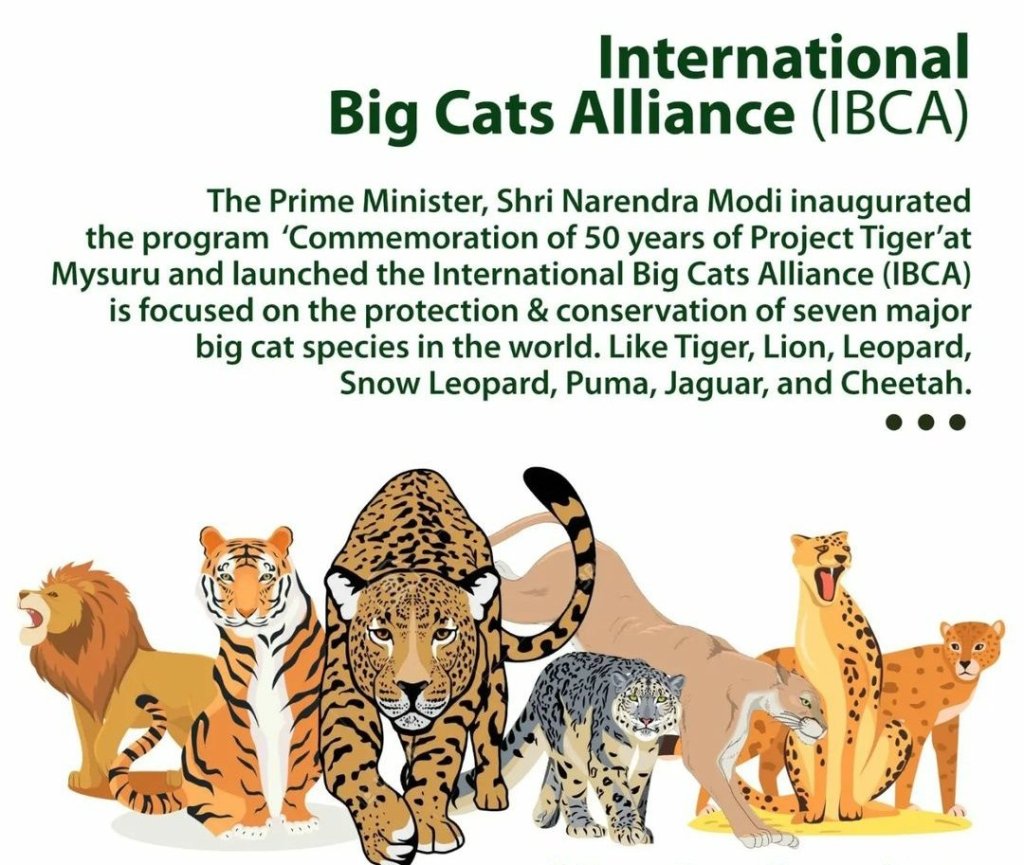
India is home to world’s largest number of tigers, Asiatic lions, leopards, snow leopards and cheetahs (revived-sourced from Africa). India is also the only country in the world to be the home to all the thee big cats viz., the lion, the tiger and the cheetah. A total of 15 big cats call India their home including the elusive lynx found in POK, Sikkim etc. Indian cabinet approved the establishment of IBCA to be headquartered in India. Along with the jaguars and pumas, a total of seven big cats that are endangered species will be protected by the alliance that will focus on playing effective role in preventing the big cats family from going to extinction.
The VAN (SANRAKSHAN EVAM SAMVARDHAN) ADHINIYAM Act
Very disheartening learning about the Forest Conservation (Amendment) Bill, 2023, passed by both the Lok Sabha and Rajya Sabha, the lower and upper houses of the Indian Parliament, that can make way for taking over of shoulder lands abutting forested areas for developmental activities of national importance (as claimed by the tenets of the bill). This means, highways can crisscross India’s forest reserves and wildlife sanctuaries in future without legal implications. Of particular concern is the virgin forestry we have in north eastern India that is home to myriad species of wildlife. The nation boasts of ecologically diverse zones from the Western Ghats (Nilgiris – the Blue Mountains) in the south with the primary rain forest reserves and the Thar desert in the west, the Sundarbans with its mangroves in the east and the mighty Himalayas in the north. Central India or the hinterland is home to a range of hills including the Vindhyaas and Satpuras and lakes and plateaus. The long peninsular coastline of India is rich with an impressive array of marine life. There are natural harbours and coral reefs and the world’s only surviving dugongs among others in our waters. Mountain ranges and valleys and passes and peaks of India together with rivers and streams and seas and islands and seasonal monsoons facilitate survival of a stunning range of flora and fauna, as next to Africa, only India has lions, tigers, leopards, elephants and single horned rhinos – the big five – in the entire world, and winged species gracing and sharing the congested land with some 1.3 billion strong human population. India is home to highest number of tigers in the world. Lion count is also on upswing. Conservation efforts are afoot but for every single step forward, the naturalists get pushed over by a dozen steps backward. What is the need for eco-tourism in a country like India where wildlife and humanity have to jostle for space and the man-animal conflict is getting worse with each passing day claiming lives on both sides. As someone has posted in the comments, this is clearly a DEFORESTATION move:
Even without the Bill, elephant corridors have been illegally but smartly taken over by those like Jaggi Vasudev in Tamil Nadu – right under the nose of both the central and state governments or perhaps under the auspices of our government. Ramdev & co., reportedly encroached on north eastern forests for Ayurvedic production unit. The environmental degradation we see in India is mindboggling with our rivers polluted and air toxic and soil poisoned. Now look at the further damage the Bill can do. Adani and Ambani can set up five star hotels without approval from Forest department right next to the wildlife sanctuaries and promote upscale tourism for celebs and page 3 socialites from India and abroad. Is it not the motive of the bill, after all? Who knows, whether Mahindra mooted the bill or any other business house. Agroforestry and afforestation are hogwash. Then there is the case of the tribals of India who have been living alongside wildlife right within our forest reserves or in settlements adjoining forest areas with their livelihood tied to the forests, traditionally for centuries. It will be piece of cake for Adani and Ambani to remove the tribes from their native lands and rehabilitate them in cramped neighbourhoods erasing their roots cleverly and systematically. A well planned strategy. Under the aegis of our prime minister himself, I hope? What a sad story. Following up NCF, Bird Count of India etc., I have been on a high noting the conservation efforts even if painfully aware that only a small percentage of it all succeeds. If I have it my way, a good portion of my meagre, petty and insignificant estate shall go to wildlife conservation in India (and NOT to temples). Its my wish and unregistered will (!) as of date. The kids can fend for themselves -god shall give them the strength.
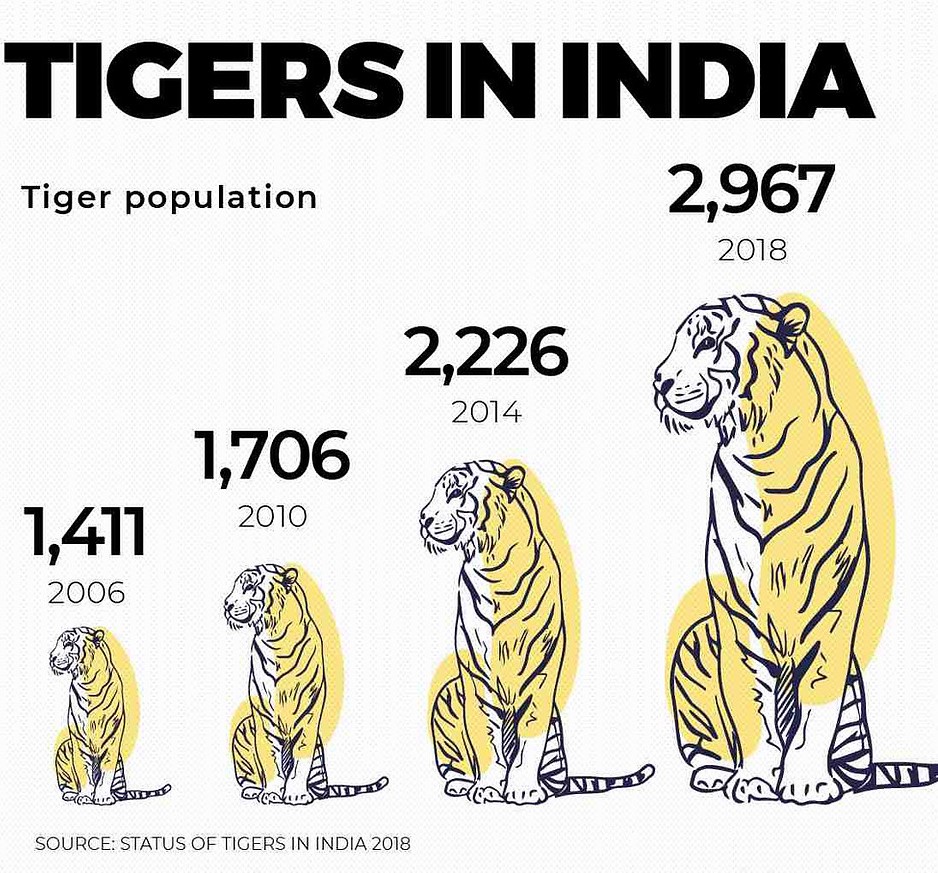
India Tiger Count tops 3000. Now pegged at 3167 as per latest census .
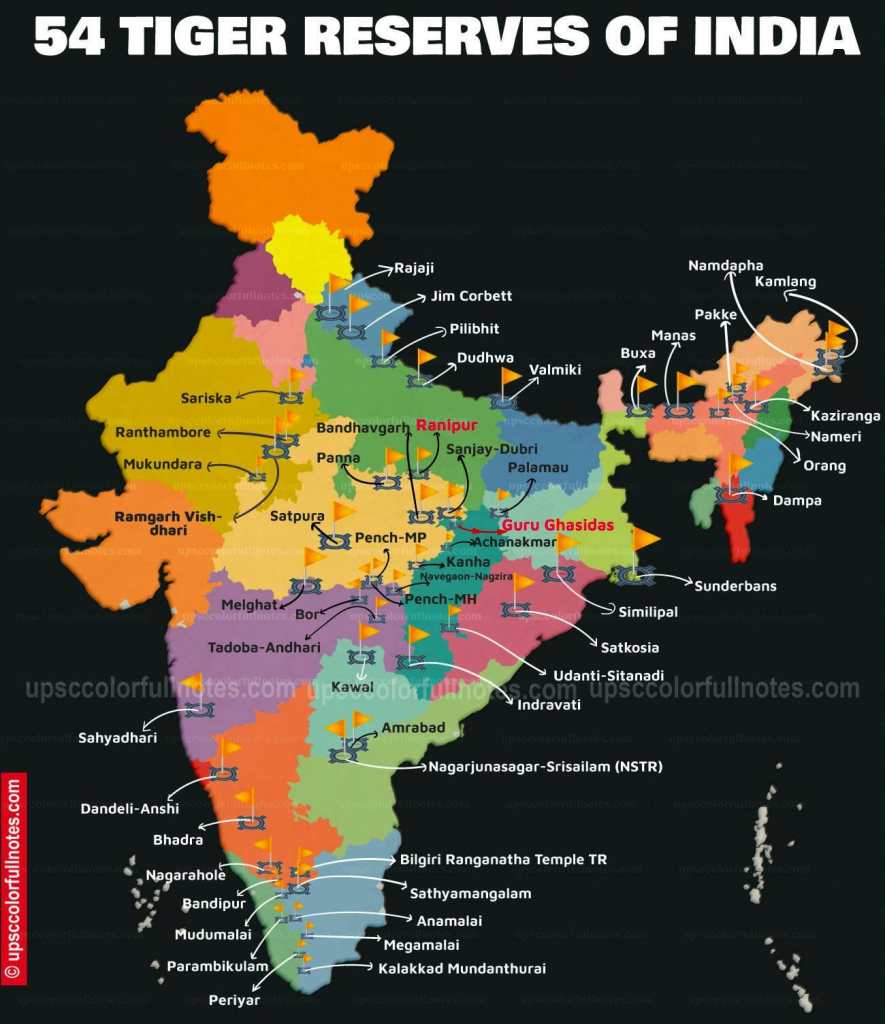
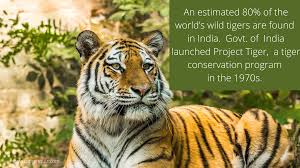
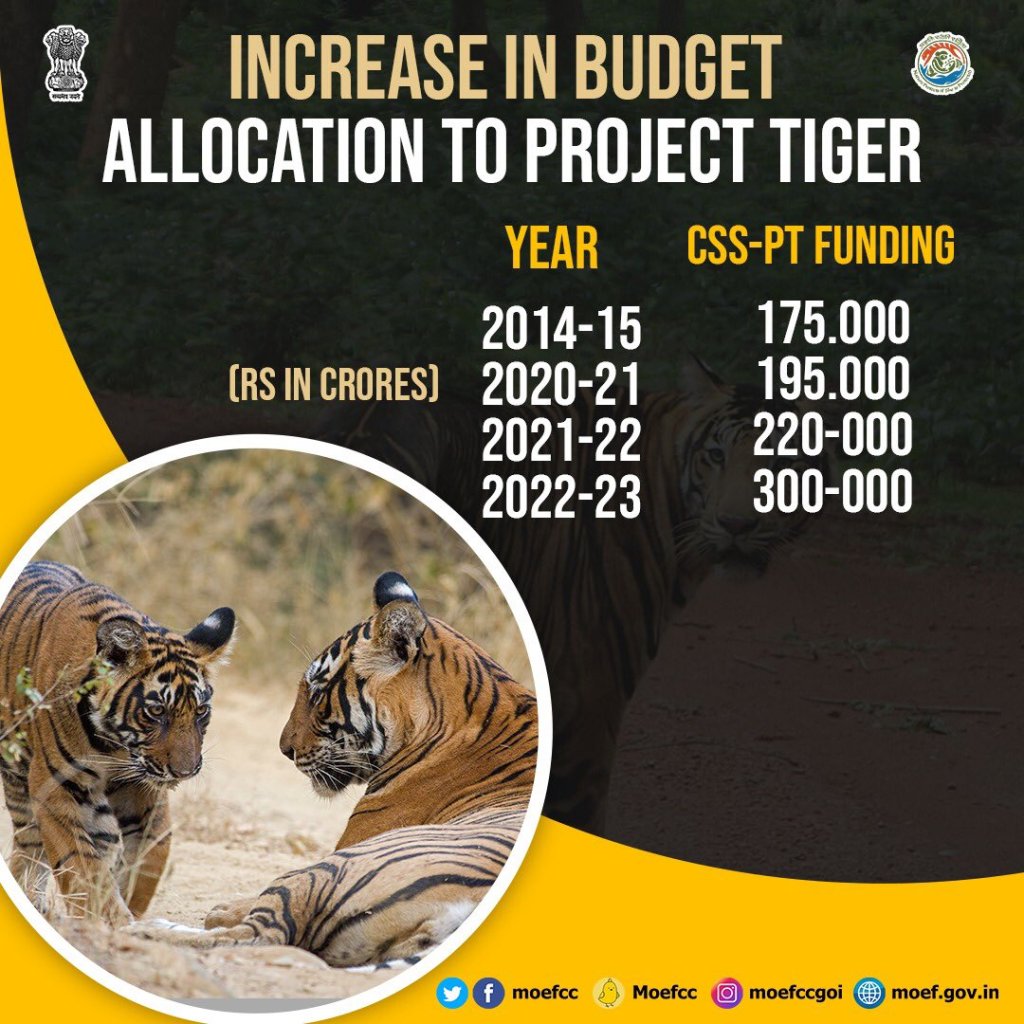
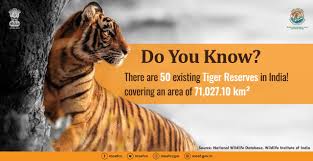
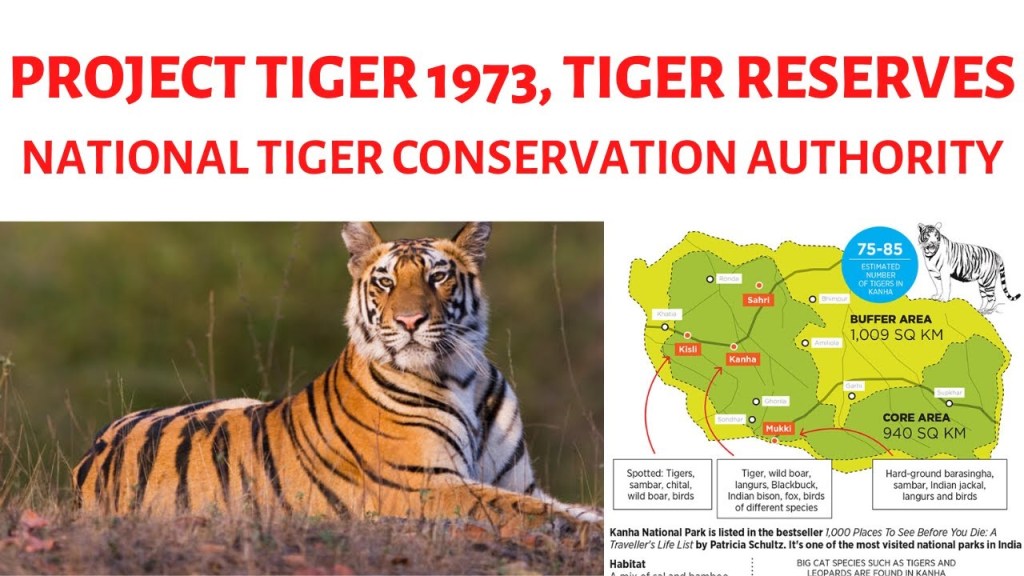
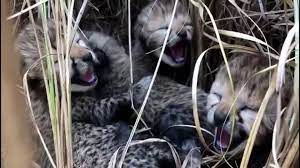
As we celebrate 50 years of Project Tiger in India that was rolled into motion way back in 1973 for conservation of Tiger the national animal, it emerges that India has recorded a doubling of the Tiger population since 2010. The thirteen tiger countries of the world met at St Petersburg in Russia at an international tiger conservation forum, the Global Tiger Summit where it was decided to boost tiger breeding doubling their count in the next twelve years by 2022. India achieved the target well within time. India accounts for 70% of the tiger count in entire world. Bengal Tigers and tigers from across India have seen a surge in headcount in the various wildlife reserves and sanctuaries spread around the country. India is also home to the native (Gir) Lions, (Indian/Asian) Elephants and a stunning array of wildlife – both flora and fauna. To those who ask why is our population 1.3 billion, this is the reason. For millennia we had the ideal weather conditions that nurtured both human race and the wildlife that helped them breed and thrive healthy and happy in this part of the world. As man and beast jostle for space in this cramped peninsular subcontinent of ours in modern times, conservation efforts are proving to be an increasingly tougher job. A highly bio-diversified country, India boasts of both the snow peaks of the Himalayas as well as the Thar deserts; the serene beaches of the south; the mangroves; the biosphere of the Nilgiris or the western ghats that are home to widest range of avian population in their rainforests as well as exotic fauna such as the sandalwood trees; the eastern jungles recording highest rainfall in the world per year. The elephant corridors and the tiger corridors of this country have been here for thousands of years, from long before recorded human history. Only in recent times they have cut short or taken over by human greed. As our prime minister visited Bandipur sanctuary in Karnataka from where he drove into Mudumalai wildlife sanctuary in Tamil Nadu right through the forests in recognition of the golden jubilee year of Project Tiger, the nation celebrates the big cats of the country with enthusiasm and vigour. Last year saw the re-introduction of Cheetah in India, brought in from Namibia. The native cheetahs of India were hunted down to extinction by the British (who are behind the extinction of many species of wild life) alongside the erstwhile royals of India.The nation mourning the loss of life of one precious fertile female cheetah was compensated with the arrival of four healthy cubs from a cheetah mom late last week.
The Tiger countries of the world: Bangladesh, Bhutan, Cambodia (locally extinct), China, India, Indonesia, Lao PDR (locally extinct), Malaysia, Myanmar, Nepal, Russia, Thailand, and Viet Nam (locally extinct).
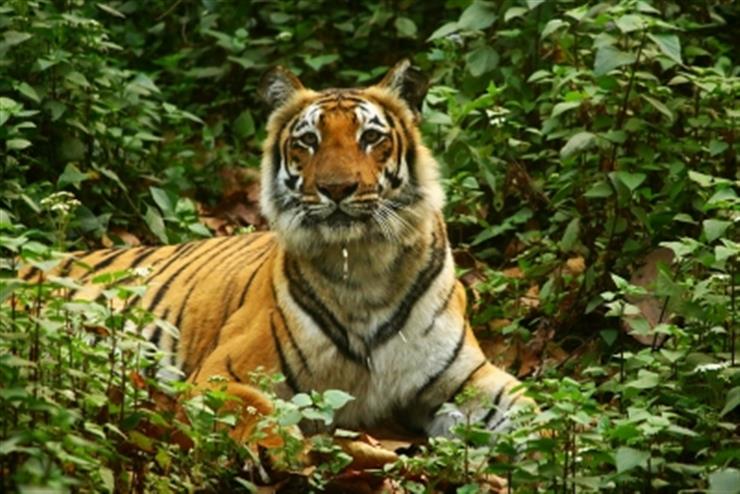
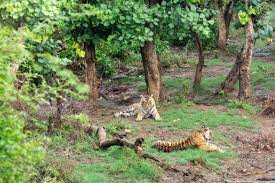
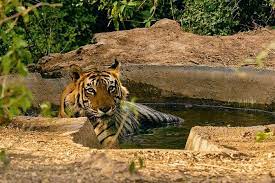
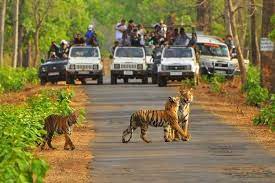
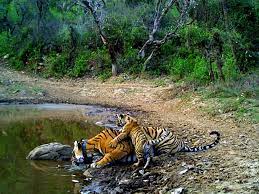
Rounding off with some adorable shots from the Tiger reserves of India. The disturbing image is that of the tourists, but then the tourists pay for the tiger conservation efforts.
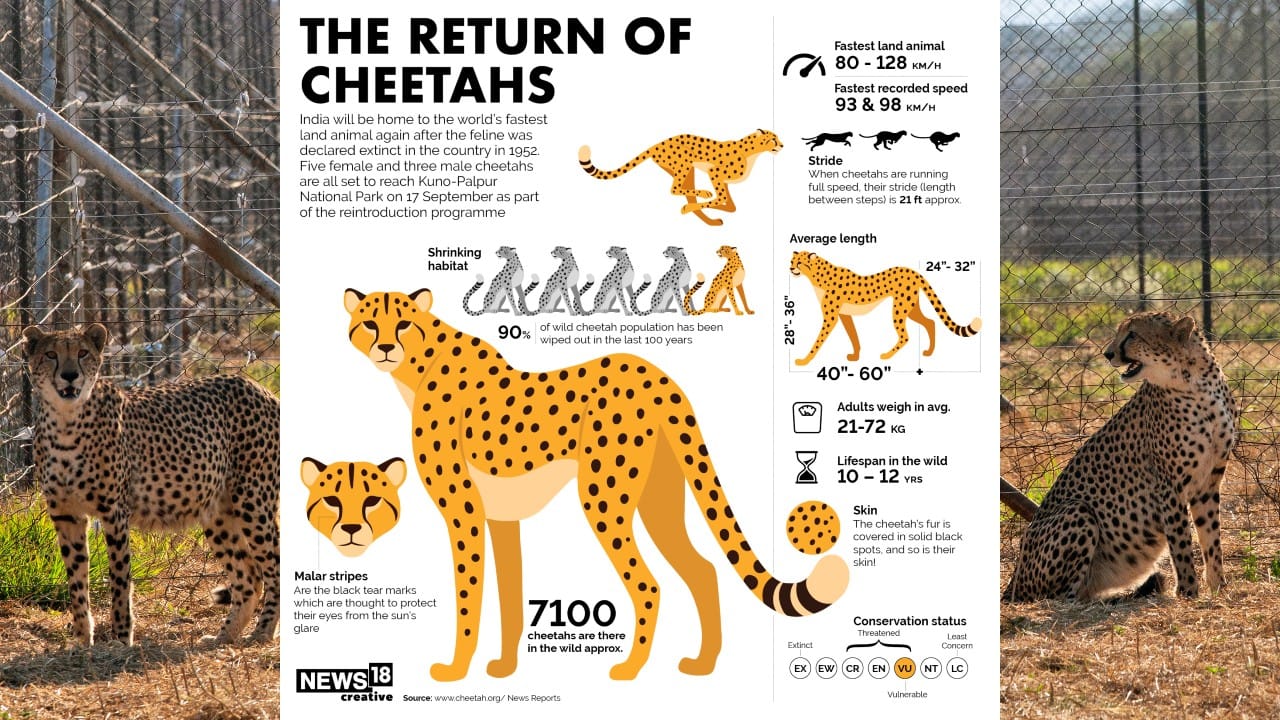
the fastest land animal Cheetah back in India after a 75 year hiatus.
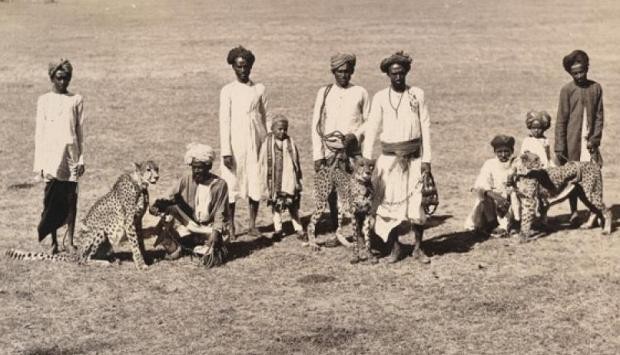
On his birthday (today), PM Shri Narendra Modi ji presented India with a gift like none other: the fastest land animal CHEETAH, long lost to the country for over 75 years now. Driven to extinction thanks to relentless hunting by the British in team with the princely state Maharajahs of pre-independent India, the Cheetah’s exit has been lamented unanimously by the wildlife lovers across the nation.
the native Indian Cheetah hunted down to extinction in the Raj
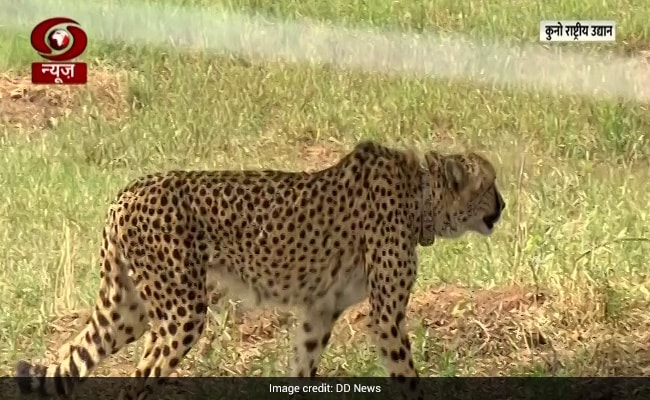
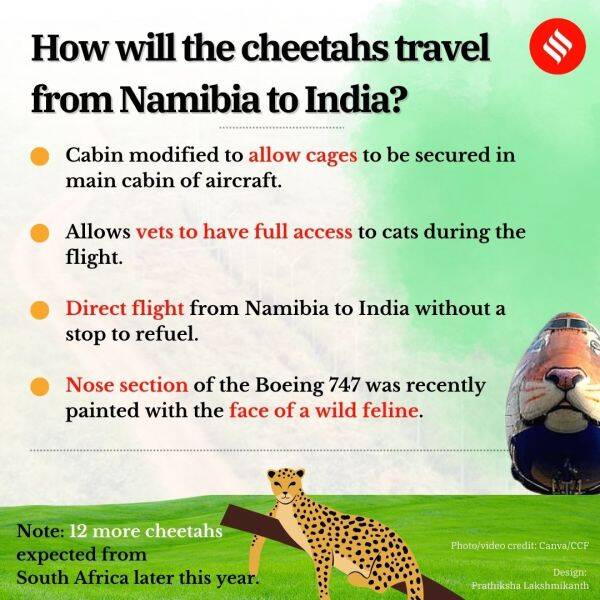
Govt of India has reintroduced the African Cheetah back in India, as eight of them have been procured from Namibia after due quarantine and bureaucratic formalities. PM Modi released the radio-collared cheetahs this morning into the Kuna National Park, Madhya Pradash that will serve as the new home (range) of the felines. India is home to other big cats such as the (Gir) Lions, the Bengal tiger and the leopard. The cheetah has been sorely missed. India is also home to the Asian/Indian Elephant (Elepha Maximus) and other exotic wild(life) flora and fauna species. The world has very few bio-diversity spheres of staggering range like we have here in India. It is all the more our responsibility to see to that the wildlife are conserved well in our country so that we need not have to show our children tiger and elephant in science text books or zoos. May generations of Indians go on jeep safaris in our national parks to savour the natural sightings of our wildlife species. That’s an unparalleled life experience – an adrenaline rush that cannot be put into words. As someone who has sighted wild elephants although in the shoulder areas adjoining our wildlife sanctuaries rather than within the contours of our national parks, I can relate to what the cheetah means for India and our wildlife enthusiasts around the country. There are park aficionados among us and committed wildlife photographers devoted to their passionate hobby whose entire annual vacations are reserved for safaris in India and Africa. There are religious wildlife wardens who take their official duties rather seriously because of whose tremendous efforts, conservation is on track. And then there are those like me! Expressing my heartfelt gratitude to PM Modi for giving us Indians back the cheetahs, and sending him my birthday wishes. Our Forest department will take the best care of the cheetahs that have come home to us. Let us wait for them to settle down in their new natural environs where they will be sharing their range with lions and tigers and elephants and leopards of India. I wonder with their bullet train speed, how many states of India will they be setting their foot in through connecting wildlife corridors. Over 50 cheetahs to be introduced to Indian wildlife sanctuaries in phased manner the first leg of which was flagged off at Kuna this morning. Welcome back home CHEETAH!






 vijiravindran's