Zelensky was asked in the White House why he couldn’t he wear a suit. Why should he? Our Prime Minister Shri Narendra Modiji hardly wears a 3 piece suit. He is wearing kind of national official dress for men. Our confidence level is good wearing comfy clothes. There is pride in wearing clothes reflecting our culture and heritage. Plus, wearing the regular national clothes puts you at ease. To give the national dress an official makeover, Modi ji throws a Nehruvian jacket over it. That completes the look. I don’t think Trump ji ever had a problem with that or referred to it. So its not the clothes that can be a problem. Its the personality that you are. Clothes are an external endorsement, that’s all. But we don’t need that if they know who you are.
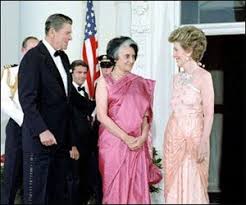
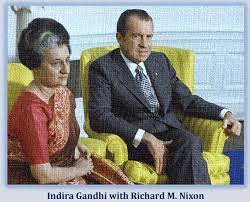
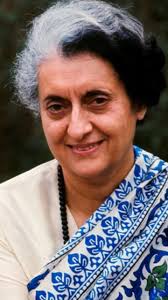
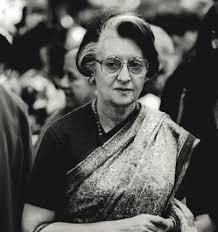
Smt. Indira Gandhi, ex woman prime minister of India draped saris and never wore the western clothes. She headed India from before Margaret Thatcher arrived on the scene. Her casual elegance in sari is what impresses me the most. As a woman I can appreciate her taste in her saris, the prints, the ethnic motifs, the weaves of India mostly handloom. She was a picture of understated elegance. I adore the statement she made as a woman of India, head of the Indian state and as a powerful presence as a woman. Sadly she was assassinated when I was still in school, after she ruled India already for over 17 years. She made a mincemeat of the US president Nixon and Henry Kissinger and neatly cut Pakistan into 2 pieces. Iron lady, the original one. I miss her era and don’t miss her at the same time because she was authoritarian. But the power she held was immense. For me, its the Nari shakthi – the feline female power that men had to grudgingly respect and even admire. Sari is the unstitched garment of Indian/Hindu women for millennia. It has come under flak for the national fervour it represents from nothing less than NYT. Western clothes are popular but its Indian clothes that rule the Indian heart.
Me, I am an average Indian nari and I love draping the sari. Nothing comes closest to it be it in elegance or the cultural heritage equated with it. Secondly, the salwar kameez dupatta ensemble, the Indo-Mugal dress comfortable work clothes for Indian women next to sari, is my choice. Its the typical office wear of Indian women mostly who ride 2 wheelers to work as staple practice. Its easy and practical and breezy wear. Western clothes I wear so as not to stick out in a group and draw attention to myself when I am abroad. The main purpose of me wearing the jean and the t shirt is that: to mingle with the crowd for my own safety and security. But I do enjoy the western clothes as well. Unless I am comfortable in something I don’t wear it.
Its sickening to read that the sari, that has been around for not less than 10,000 years, is easily dubbed as ‘nationalistic symbol’ by the NYT, promoted deliberately in India (by the BJP).

First you lose your native clothes, then your native languages, your native FAITH, then you lose your native culture, you lose your native cuisine – and then finally you lose your ORIGINAL IDENTITY, self respect, self esteem, dignity, honour and at last the sense of belongingness and nationhood. Just look at Pakistan. Clothes are not mere clothes. Indian netas REFUSE TO WEAR WESTERN CLOTHES IN PUBLIC.


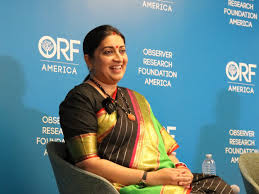
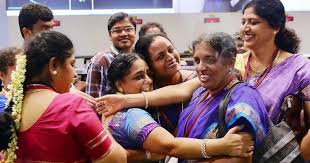
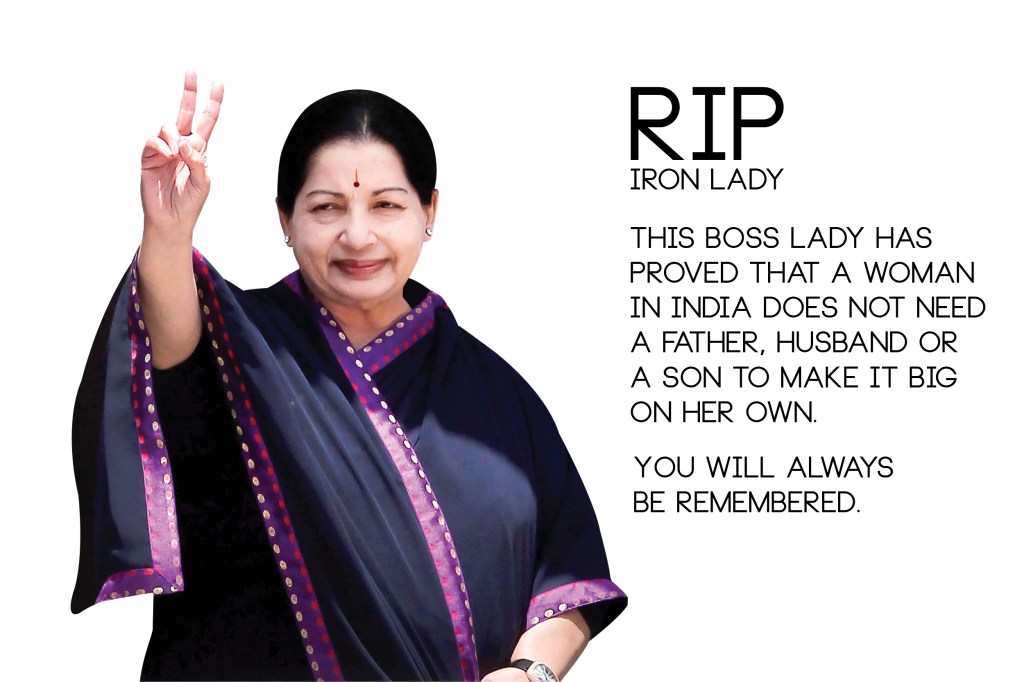
To me, my saris are mostly hand woven, printed with national/ethnic motifs, with vegetable dyes. I am head over heels in love with handblocks.. My clothes are of natural fibres such as cotton or Kanchi or Benarasi or Tussar silk from India, the finest on earth. The cottons and weaves of India are of myriad threads. District to district, state to state, they vary and I enjoy best my Indian cotton. My kurtas are the Indian cotton, bit coarse and at times softest like the mul mul. Anything but the imported lawn cotton from across the border. My Indian clothes cannot stand machine wash or dryer mostly. They need handwash. They will bleed colours initially because of the vegetable dyes used in them – not to be judged for quality by that. They will have imperfections natural to manual labour. But I believe my Indian clothes have a strong unflinching character about them, that is lacking in my expensive branded western attire that are standardly mill or machine made in batches and with not much of uniqueness about them. The finishing of the western clothes is what makes them special. They are neatly tailored and can be least clumsy. The perfect fit of the branded western wear is the other highlight about them. Fast colours lend them the durability. Indian clothes require maintenance care. Western clothes I wear are all synthetic fibre such as rayon, polyester etc. Even if these artificial fibres flood Indian market too, they are not too popular. Western clothes are easy maintenance, no doubt. Their imported cotton can be pricey. Western wear are machine washable and suited for dryers. My Indian clothes are my soul. Represent the real me. My western clothes may be the global contemporary me keeping with times. Its transient me but not the permanent me.
 vijiravindran's