Wildlife enthusiast, it gives me adrenaline rush to learn of how well our big cats are doing. Here are two updates. Cheetahs in India were hunted to extinction by the British (who have also done to extinction many native tribes in Australia and America). PM Modiji, conceding to the wishes of a billion Indians, finally brought home some cheetahs from Africa a couple of years ago. Cheetahs that rarely drank from waterholes in Africa are now superbly adapting to Indian environments that now we say, ‘cheetah bhi peetha he!’
I am yet to watch this you tube video on our national animal the tiger. India boasts of the largest population of tigers on earth.
I am with Shri Rajarshi Nandy totally on this. Missed a golden opportunity to go to Kamakhya with my guru last year. Its in my bucket list. For Shakthi marg followers, Kamakhya is basic. Our spiritual guru conducted homams/yagnas/havan there last year with shishyas. The group also worshiped the Dasa Mahavidhyas who are extremely important for those who have taken diksha or vow for Shakthi Upasana. So the Kamakhya temple corridor case is very much relevant for us as we can understand what it is about. Only someone who is spiritually elevated and someone like Shri Nandy who is doing Bhairav Sadhana and is also a presence at the powerful Kamakshya temple can know about the significance of leaving the shrine undisturbed.
One of the Shakthi peeths, Sati’s yoni fell in this part of Assam. Mother Goddess bleeds therefore a few days (in red) every month even now in Kamakhya. This is rivulet or stream that branches off from the mountains into the temple’s garbagraha (sanctum sanctorum). We don’t know how this is possible as was facilitated by our ancestors. Or by Mother Herself. But until today this is a reality.
Shakthi peeths are most powerful. They determine the destiny of a nation as Shri Nandy ji says in another video. Disturb Kamakhya who is looking after North East, be ready to lose North East. As Nandi ji says, the Mother Goddess will leave Her abode in that case. Without the deity, the pitah will cease to matter.
Some of us are just at the base of the pyramid when it comes to Shakthi Upasana. We have a whole lot of mountain to climb in front of us. Yet Mother’s presence is something we feel deep in our soul. We experience strongest of vibes. So one can imagine the level of spiritual elevation of those like Shri Nandy ji. I am not an expert in anything. I listen to many online. Many online gurus too for me who have been shaping up my thinking for years now. Shri Nandy ji is by far the best and most sincere and is reachable at grass roots level. Very accessible and also so genuine, real. Bhairava energy flowing out of him is unmistakable.
May our PM Shri Narendra Modi ji get some time to look into this matter personally once the Indo-Pak conflict emergency is over. The temple’s eco system needs to be preserved.
Varanasi corridor is an entirely different matter that has got no connection with Kamakhya environment. There it was necessary given that entire Kashi boasts of some 84 ghats. The cleaning up and restoration work was absolutely necessary.
Today I heard another shocking news: that an aerodrome is planned for Sabarimala – at the top of the western ghats. What madness is this. That is totally an elephant country where even tigers roam freely. A heaven for the wildlife of India. Such a biodiversity as in western ghats, you cannot find in more than a handful of places in the world. Bird species count alone exceeds over 200. Western ghats is the LUNGS of India somewhat along with the Himalayas. Already enough damage has been done. Even Lord Aiyappa shall walk out of Sabarimala permanently if this airport materializes. The communist state government of Kerala don’t have it in them to factor in these valid points. You don’t have to kill a 1000 elephants and precious-precarious ecology to make room for temple devotees. What kind of religiosity is this. I can never understand this destructive streak when it comes to nature in our countrymen. I am even against the Char Dham corridor through Himalayas. Anything against nature can never please Shiva or Shakthi. Already Jaggi Vasudev, in the name of Shiva, encroached a vital elephant corridor robbing our pachyderm families of their rightful home of tens of thousands of years. He speaks of enlightenment through crash courses (such as Inner Engineering for this precise reason: If he could only see that Shiva is that elephant… ) How much more must we destroy nature in the name of our deities you bloody fools. Did they ever ask you to do that?! That kind of spirituality I simply cannot figure out. I directly appeal to my PM: Modi ji please STOP plans for any aerodrome for Sabarimala. Don’t send away our deities permanently out of India. They will never return if we turn against nature.
Anyone who by chance comes across my blog, I request to contribute generously to the court case for fighting the proposed Kamakhya commercial infrastructure corridor to promote tourism. This kind of development we just DON’T need around our shrines.
I am waiting for a link that can enable one to make a monthly/regular contribution for Kamakhya corridor case.
A request to Nandy ji too. Please also ascertain whether any aerodrome is proposed for Sabarimala in Kerala and if so, please address this issue as well. You can take up the discussion in your you tube channel. Thank you.
August 12th is the World Elephants Day. I don’t have to say much. I have blogged enough out of love for elephants of India, especially the domesticated ones. May be in my previous janam I was a temple elephant. My elephantine love also has earned me a pet name from my friends, some of who happen to call me only by that name for years now! The Indian elephant: Such a gentle giant. Sweet and wise. Elephants are also very emotional creatures. Their communication in low frequency with their herd makes them a very intelligent mammal species. We may be the last few generations lucky to see the pachyderms in flesh and blood. If you are Indian, you may see a domesticated temple elephant walking casually alongside the road in heavy traffic! Cows, elephants and all at the green lights: that is India for you! The Indian elephants may go extinct by the turn of the century. Very recently was witnessed, the Wayanad landslide tragedy that buried villages. In the same river where a pregnant elephant stood dying having eaten a pineapple stuffed with explosives fed by villagers, at a different point in Wayanad, floated hundreds of lifeless bodies and torn homes. That is the power of nature. Karma is real. When the last elephant is gone, it shall take away the bees and the trees with them. Who is Shiva. Shiva is the elephant. Elephant is Shiva. Imagine barring elephants from elephant corridors that they walked and knew by instinct for millions of years. Destroying nature and doing your bit for quickening the extinction of a mammoth and distinctive species from the face of earth hardly counts to me as faith. Brutal inhumane treatment of the tuskers in our temples by those who swear by vegetarianism hardly makes sense. You know what is meant by halaal? Killing in one stroke going for the jugular – making it painless for the beast. What makes people judge races on their food habits. Its those who rear elephants in Guruvayur who are cruel and heartless. Not the beef eaters. The breaking of the will of the elephant calf – this can be heartwrenching. The calf that shall grow into a fine male tusker to bear the deities on his back starts believing that the chains are his limits. Broken psychologically. India has a chance if the temple elephant culture comes to a close. India can hope about adding a decade or more years to the elephants of the subcontinent if the Dasara parade of the elephants may come to an end. There is no point otherwise in the prime minister going on record about the world elephants day. It is still in the government power to do something about it. For those in power, everything unfortunately is about vote bank. They can never go against their vested interests. Such a sad day really.
Meanwhile every elephant that walks on earth to me is saakshaath Ganesha! Cannot imagine our Vinayaka bound by chains, can you.
I am re-blogging what I did in 2015 in yet another blog of mine. Poachers is the inspiration.
Book Review: ‘The Tusk That Did The Damage’ – by Tania James
August 29, 2015
ELEPHANT POACHING RESUMES IN KERALA/INDIA?
Felt a strange ‘deja vu’ reading this book. Read the excerpts in ‘The Hindu’ over an year back I guess. The synthetic achchan, Shakti mustard oil, sambar masala, the name Ravi Verma and then the mention of (some random) blogger and a few more could be the reason. Quickly checked out the first publication date: 2015 it says.
At the outset I believed the book was authored by an American American (!) I mean a caucasian so were surprised beyond limits that tusker names like Sooryamangalam Sreeganeshan must roll out so freely from the author’s imagination/research. This is possible only if you have an intimate knowledge and familiarity with the terrain and that kept playing at the back of my mind. The exact depiction of Kerala landscape, people, culture, toddy (!), elephants, wildlife parks everything was perfect. It was only when I was in the last 10 pages I cared to look up the author. Not a surprise that Tania James is an Indian American with roots in Kerala.
Aware of elephant torture in our temples, I still believed elephant poaching was rarest in India unlike it is in Africa where rampant hunting down of the species threatens the globe with their inevitable extinction in near future. Tampering/trespassing with forest/wildlife reserve and/or any illegal encroachment is a serious criminal offence in the country. I have observed from an NH project how even the highways are planned and mapped taking into due consideration the habitats of the native species and the flora & fauna of the land. The impression was, poaching stopped with the British barring one or two exceptional cases here and there. Natives have captured stray elephants to train for battles, festivals in the past but rarely for tusks – or it was so believed.
So almost after a clean dry period of 20 years, poaching has shockingly resumed in south Indian forests with forest officers hand in glove with poachers in the inhumane, dastardly act.
Indian elephants register casualty in unnatural circumstances owing chiefly to electrocution (by electric fences installed by industrious farmers) and rail accidents but elephants being poached in India in recent times is bothersome and shocking news. Elephant death statistics have recorded a zero to bare minimum under poaching so as not to make a headline. Until I read the book, I had assumed elephants were safe from poaching in India, with only our tigers having to live under the scare. Single-horned Rhinos of Assam for another.
So the book has arrived just at appropriate time as a caution. A thorough investigation is mandatory in the poaching issue and offenders must be brought to book. Repeat offenders must be dealt with severely and if there does exist a network as alleged/illustrated in the book upto Dubai for tusks, the angle must be explored by all means.
The story is a moving narration, first person accounts of an innocent and aspiring young man, a woman film maker and the rogue elephant itself. Reminded of the tamil film ‘Kumki’ and to a certain extent couldn’t help wondering if the picture could have been a major influence with the book. Good sense of humour the author has interspersed through out the book. That helped in lightening up tense situations as the story was otherwise like one very serious affair.
My empathy is with Indian Elephants always- such a sad species. When the ‘gravedigger’ is made an orphan, it broke my heart. Every elephant killing is like driving a spear through my heart. To fell such a magnificent but a benign beast, one has to be a monster. Evil personified. Its not a matter of will power or skill. Its a matter of one’s heart. For what I hold for the Elephant is reverence, awe, affection. An elephant as we know generally is otherwise a gracious, gentle giant. Unless provoked, it never disturbs anyone.
I have had my share of jumbo safaris, elephants bathes but now regret it very much. Never imagined, how even the ritual bathing could be torturous to the animals. Someone tweeted: ‘Imagine yourself naked in a room and being fondled by a crowd of onlookers. This is how pet animals/zoo animals must feel.’ Ever since I am thinking about even the zoos. Zoos are not pleasant places but they are the last refuge when it comes to conservation of rare species going extinct which can be bred in safety, away from poaching threats. And zoos have to be financially viable so opening them up for tours is necessary. How the human wave pressing from all over could be disturbing not only to the pachyderms but to all zoo animals. Yes, why should we wanna go near the tuskers? We can maintain a distance with them and enjoy from afar. When I did my elephant safaris twice, I kept caressing the elephant head, for the love of it. Its long hair almost 10 cm tall in the head was so prickly and thick. It was then I understood why people wear ‘ananudi’ (elephant hair) rings. I have seen them in jewelry shops in Chennai. Even the mahout (pappan) asked me if I wanted an elephant hair as souvenir and I was utterly taken back. Plucking one from the elephant must definitely cause it a lot of pain. I touched the old lady (in Elephant Park, Munnar), gave her fruits and asked her if she would remember me. Telling her I loved her was important then. In Thekady to our bewilderment, 3 of us were put over a single male elephant. The keeper said, elephants can bear weight, can carry logs. True, the young male did not even heave a heavy breath on carrying us triplet. The burden was no issue I guess. But it did give us a guilty feeling. In Karnataka, limited myself to giving the elephant its bath in Kaveri. Recently from some Elephant Facebook pages I have been learning how Elephant Art (paintings by elephants), Elephant Safari everything is disguised and presented to tourists as acceptable/not inhuman. Good marketing by tourism industry with a keen business mind. In truth, even these are not appreciable. Wherever and whenever possible, the calves must be returned to where they belong – the wild. Elephants are not for our amusement.
Another thing, its irritating and again bothersome that wildlife must be so much photographed or filmed for someone’s thesis (for personal gains) or selling in the media (the telecast rights). Just how much revenue does our forest dept mint out of permitting foreign crews from recording the wildlife in their natural settings with their sophisticated equipment. Wildlife photography must be totally banned in India and elsewhere. Recall this from Night Safari in Singapore where we were warned not to shoot pictures in darkness out of concern for scaring the animals. But rigorous check was not carried out to see if anyone carried a camera. Some violated the rules and its true the night creatures panicked and scurried here & other when even the shots were captured in Night-vision mode. The purpose of night safari was lost.
Photography of trained/domesticated animals is okay perhaps. In Mudumalai wildlife sanctuary in Tamil Nad, we boarded a govt jeep that screeched in maximum decibels that no wonder none of us spotted anything in the park. But in the reserve shoulder adjoining the park, we luckily spotted a herd of wild elephants browned with mud bath. It was disturbing to see that even these were used to traffic noise and human scent that the herd tore the trees and munched away the shoots and branches without sparing us a glance as if they did not care who spotted them or clicked them.
I don’t feel good watching wild tiger pictures. That jeeps drive so close to them and that humans are no strangers to the big cats is distressing. For personal victories and gloating over Twitter and Facebook and Instagram, every dude with a DSL cam heads to our national wildlife parks & sanctuaries for shooting prize winning pictures that he/she thinks are his/her trophies. Why do we want audience for everything. I find the idea unsettling.
Treetop cottages in Wayanad (Kerala) and Topslip (Tamil Nad) are always in our mind. This is a quiet and undisturbing way to observe and enjoy wildlife. I guess most sanctuaries in India including Ranthambore etc offer this facility.
Top slip reminds me of a friend’s experience. You have to return with your jeep/car by 6 pm to base cottage there, for elephants will be on prowl in the wild with sunset. The friend’s family could not. They were near the summit when they came face to face with a herd of wild elephants. The head of the family switched off the lights and the engine, downed the windows just a fraction to let in breathing air as the family huddled closer to each other in the car. They were surrounded by 10-15 big bulls and cows and calves who were feeling all sides of the car with their trunks. The family held their breath and sat immobile, going to sleep without a sound as hours clicked, hostage to surrounding inquisitive wild elephants. Wouldn’t have taken the tuskers a minute to upturn the car. Finally only around the dawn the elephants left quietly and the badly scared guys made their u-turn. Next day they were warned by the forest dept for overstaying.
The so-called wildlife photographers, in my opinion, do much more damage to nature that they say they revere. Their pictures with tigers & elephants shall encourage a lot more travelers into the parks which is not desirable. This is one ground where I would not want awareness in our people. Lesser the footfall in the forest reserves/sancturies, the better.
The tribals living at the edge of forests face not only conversion threat (by evangelists) (!) but also find themselves mired at the centre of human-animal conflict. It’s a catch22 situation no doubt. The delicate balance existing between them who have lived with nature for generations and the precious wildlife has to be maintained at any cost. One more survey to carry out: conversion rates of native tribals by foreign sponsored NGOs & missionaries. Curious why the author has not made a point on that.
The author’s fiction, even if imaginary, serves what purpose. One more filming with light flashes amid fast disappearing wildlife, one more DVD, one more research grant – filling whose pockets, boosting whose egos, to whose advantage. What did the wildlife or even the tribals benefit from the outcome. Wonder if a single rupee would have gone towards the Indian elephant that the filmmaker (or perhaps the author) professes to care for. Raising awareness is a point. There is enough awareness without having to make fresh pictures, without having to venture a further kilometer within Indian forests or hovering around frightened captured young cows & calves in nurseries.
I did like the part about reunion of separated calves with their mothers. This has to be given impetus and the ingenious way of not touching the calves with human hands during rescue is good. Even those captured/nurtured by human hands finally seem to make it to the wild which is heartening. The way it must be.
Do we have statistical data on captured elephants/strays in India. Data on temple/church/mosque elephants. Because in Kerala, even churches and mosques use elephants for processions/celebrations. What is the exact figure of temple elephants in Kerala/Tamil Nad/Karnataka or generally in India/South India. What about private ownership, licencees. Why has not the forest department come out with a table on domesticated elephant population. Why not make the figures public.
The book did make an engrossing read only next to ‘The Elephant Song’ by Wilbur Smith. The characters, the dialogues, the setting everything was natural. Tragic was the death of Mani-Mathai and also that of Manu but then by now I have had enough of fictions that I know the twist always lies in ‘punishing’ the ‘promising’ ones that shall leave the reader with a kind of longing… More tragic is the fate of the Indian elephant…
As a wildlife enthusiast and lover of the Indian elephant, I cannot thank enough the producers of Poachers (Amazon Prime), the mini series that highlights the poaching menace in Indian forest reserves. Slick and sharp, the episodes are to the point and cannot come crisper. Not a single minute of sag. Real life story. Before I proceed, all round applause to Nimisha Sajayan, who plays the Forest department cop attached to Kerala state. She is backed by a very well cast crew including the ones who play the roles of Neel Banerjee Kerala state wildlife director, and Alan, a part-time wildlife dept staff and IT person. Its heartwrenching watching this series, but is a must for wildlife lovers around the world. Following some elephant pages in social media, it was heartbreaking for me even recently to note the tragic poaching of three wild tuskers who towered to the skies, within the Amboseli national park range in Kenya, Africa. India is a natural elephant country so we know what it takes to have the wild elephants roam about our forest corridors. India without her elephants is unimaginable. I have covered quite a few reviews in my blog on wild life and especially on elephants/Indian elephants. Its no open secret that the ivory contraband smuggling goes hand in hand with underground mafia dealing in dope and/or arms. Its in national interest to see to that the nexus is thwarted. Funding terror can only be the next step away.
About Poachers, I have done this copy & paste job from Google:
The series is based on the real-life events of “Operation Shikar” that unfolded between 2015 and 2017, spearheaded by the Kerala Forest Department. Wildlife Trust of India (WTI) assisted in the investigations along with the police and others who risked their lives to unearth India’s largest poaching syndicate.
This article also may be of interest in this regard:
My takeaway from the series is the knowledge that ivory is also used to make small trinkets to instill interest in (new) (fresh) buyers hoodwinking law enforcement in broad daylight. This may be done by honing/sharpening the tusks of the temple elephants or elephants in captivity. Such a pruning of the domesticated elephant tusks may yield just enough shavings to cater to small buyers. There must be artisans devoted to the crafting art with the promise of a small/discreet market. Ultimately this may lead to sustained interest and big buyers who may be collectors of the exotic. So the only way to stop the tusk pruning of the tamed elephants is that, they may have to be let loose in the wild. NO MORE TEMPLE ELEPHANTS, NO MORE ELEPHANTS IN CAPCIVITY, NO MORE ELEPHANTS FOR ENTERTAINMENT INDUSTRY. Destroy the ivory as and when found. China, needless to say, is the first and worst international ivory market. When buyers create a demand, a supply chain can possibly be established especially in weaker territories. Its one tough job out there for our forest department officials.
It was shocking to note that the big Ambani pre-wedding party had a prop of an elephant – drumbeating about the virtues of Vantara at the same time. How hypocritic. Vantara will be zilch investment luxury forest safari lodge for the who-is-who of India, no more. Very clever Ambani marketing. Looks like they took over 200 ailing elephants for the project from all across India. Anyone who loves wildlife, will never do this:
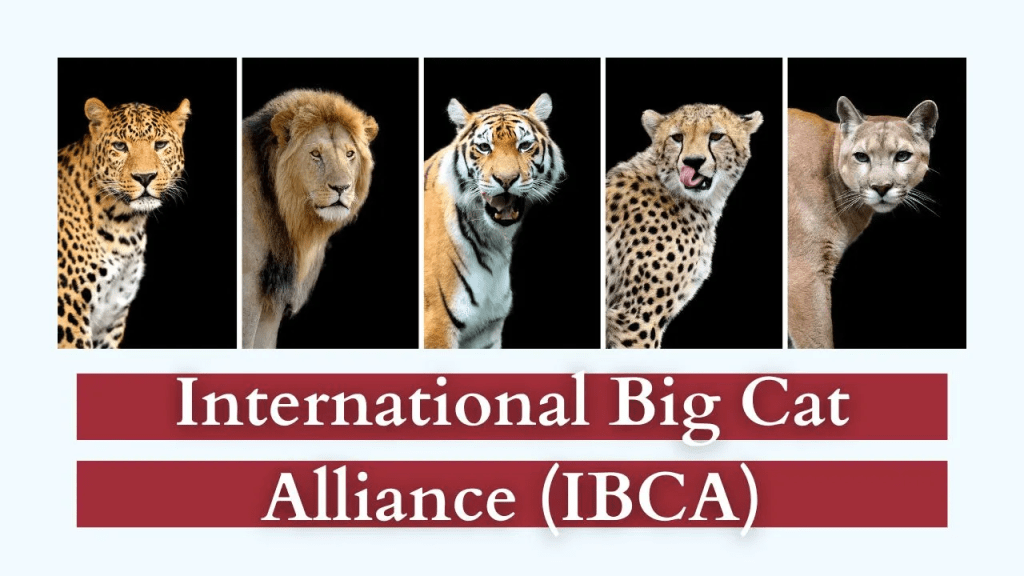
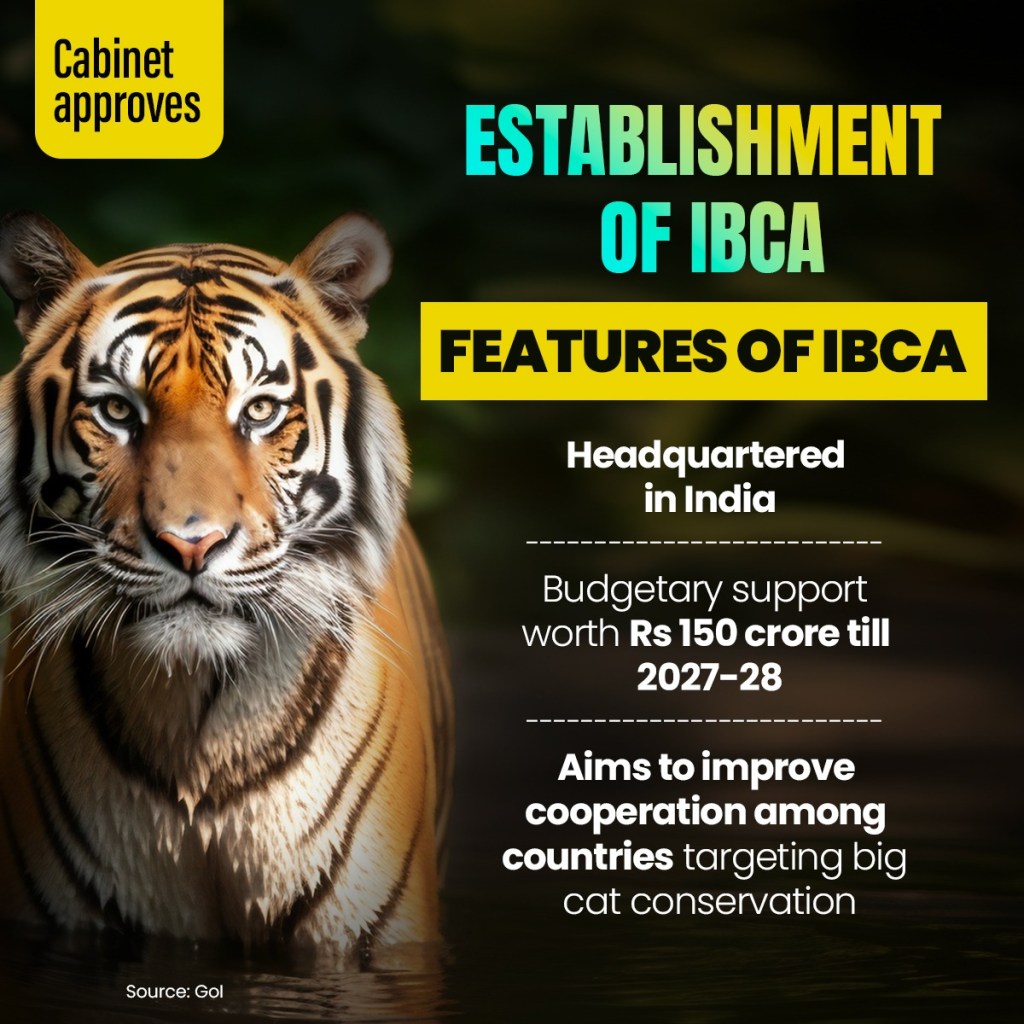
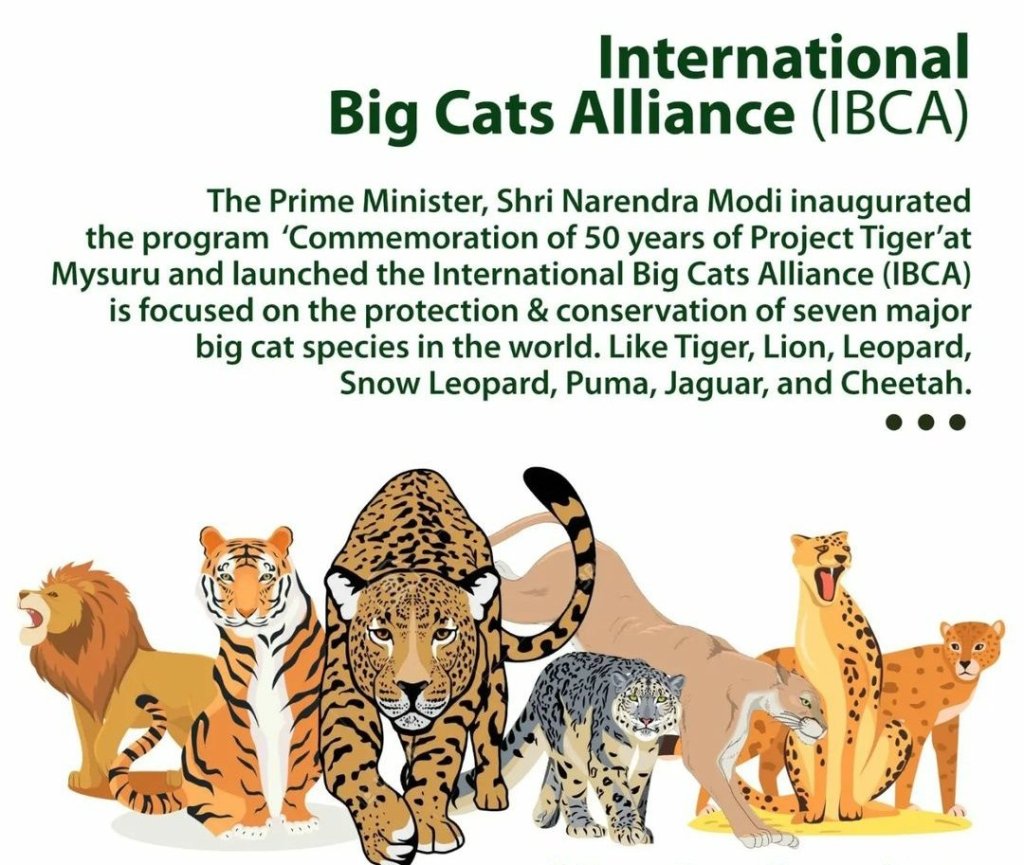
India is home to world’s largest number of tigers, Asiatic lions, leopards, snow leopards and cheetahs (revived-sourced from Africa). India is also the only country in the world to be the home to all the thee big cats viz., the lion, the tiger and the cheetah. A total of 15 big cats call India their home including the elusive lynx found in POK, Sikkim etc. Indian cabinet approved the establishment of IBCA to be headquartered in India. Along with the jaguars and pumas, a total of seven big cats that are endangered species will be protected by the alliance that will focus on playing effective role in preventing the big cats family from going to extinction.
As a wildlife enthusiast and an elephant lover, I can’t put into words what the idea of Vantara means to those like me. To anyone who hits upon my blog by chance, I have this request: please go through my write-ups on environment. I have a lot of points for your consideration. I also take this opportunity to thank India’s greatest wildlife photographers who are rendering a yeoman service, some of who I am following on social media. Apart from following the Nature Conservation Foundation (NCF) which aids research projects, I am also keeping tabs on those like Bird Count India, Season Watch and Tree Walk. My contribution is merely my interest and spreading the message. I try to raise awareness and thanks to me, many have become aware of the plight of the temple elephants.
Meanwhile Vantara is like dream come true. To me, it is the great India give back to Mother Earth for the toll we take on Her with our environmental degradation and mindless pollution denting the o zone layer. The nonprofit initiative as announced by Anant Ambani of the Reliance group, Vantara, is a wildlife rescue and rehab center which already houses myriad species of rescued wildlife from entertainment industry, abuse etc., for instance. The center will focus on research and wellbeing of rescued animals both domestic and wild in a safe haven of sanctuary spread over a 3000 acres in Gujarat, close to their oil refinery in Jam Nagar. State of art animal healthcare is on offer. Details are yet to emerge. First of all my hearty congratulations to the young man who has moved away from tradition venturing into something for the benefit of the soul. Can’t be exactly profit motivated, but cash registers must start ringing once the center is fully operational including the tourist zone and the wildlife institute. A project unprecedented in Indian history of this magnitude, Vantara is a small compensation still for the unlimited damage we are inflicting upon nature day in and day out. Not a Reliance person, NEVER SHOP AT RELIANCE RETAIL for groceries or clothing or whatever as a matter of principle. Never acquired a Reliance phone. For me Reliance always meant ‘unreliable.’ Their foray into the retail sector especially left me with distaste. So Vantara comes as a big surprise. The younger generation are far more responsible. I see a lot of youngsters say these days that they want to stay single and don’t want to become parents and add more burden by way of couple of more human beings to the planet earth.
At the same time, what if this is any preempting move by the Reliance who may have a hidden agenda for acquiring the protected forest areas of India for their ventures now that they are armed with the newly amended Forest conservation (amendment) Act , 2024. At best, it could be an afforestation plan ahead in schedule, of a conserved land acquisition. Me, forever the skeptic! Sick of politics and the wary me would never put total trust on politicians and business men. Both these people have no scruples. They will sell their soul without batting their eyelids. They are No.1 manipulators and every single move of theirs has to have a motive. Only time can prove who really is this Anant Ambani.
So with the zoological park set to open soon, you can expect ticketing; or is it free for visitors Mr. Anant Ambani? Soon you can have game lodges for VVIPs, the Kenyan style. Exotic holiday for India’s elite and rich is in the making where elephants can walk in to the resort in search of water. Yet as the wildlife are treated on rescue in nature’s setting, for the moment let us go with the young tycoon.
As far as rehab of wildlife is concerned, and especially when it comes to the elephants, all you may need can be experienced mahouts with a little tech knowhow. The traditional methods of conservation of wildlife were what that have preserved our forest wealth for centuries. The 2022 Oscar winner ‘The elephant whisperers’ shot in the Nilgiris is about the rehabilitation of orphaned young elephant calves. India’s tribes are seasoned when it comes to sharing spaces with wildlife. No ultra modern laboratory in the world can replace our traditional nature conservationists. So why the needless sophistication. Our expertise must be honing our own inherited strengths and pluses. If you put your faith in India’s wise, you will be able to take better care of our wildlife. Remember Yoga, Meditation and Ayurveda have not international.
A lot can be done without it all being a pompous and mega show. Anant Ambani can also refer to NCF and try sponsoring their projects. This is what conservation is all about. It takes much more than the grandeur; it takes real physical efforts to be monitoring wildlife 24 hours, compiling data and matching, and following up with conservation methods with locals in an effort to protect the endangered species. This is not to undermine Ambani’s efforts to bring in a change in our landscape. But India has dedicated wildlife conservationists doing a stupendous job without making waves about it for decades. It will be worth it even if you stop the likes of Salman Khan and Saif Ali Khan from poaching our blue bucks.
As the row between Maldives and India intensifies over some useless tweets posted by insignificant political people of the island nation Maldives that is going to go down under the seas within next 100 years or even before the next tsunami strikes, I want to share a piece of my mind regarding Lakshadweep islands, off Kerala coast.
Lakshadweep islands in the Arabian sea are the union territories of Republic of India. Long back in my school days they were in news when Rajiv Gandhi vacationed there with Sonia when he was our PM. One cartoon from Illustrated Weekly on Rajiv I still remember from those days! Well that used to be my favourite weekly. Or was it fortnightly? I loved this cartoonist Mario Miranda who did caricatures on Rajiv in Lakshadweep. After that, its Modi’s turn now to step on to the islands. Lakshadweep islands also figure in Mallu pictures routinely with their fish markets, etc.
For me, Lakshadweep assumed huge prominence in my limited intellect when I read this book ‘At the feet of living things’ written by one Aparajitta Dutta and others. The book is a series of essays on 25 years of wildlife research and methodical conservation efforts in India. The published papers also include a couple on coral reefs off Lakshadweep islands that are dying a slow death like in rest of the oceans. The atolls are a total biodiverse ecological system. We have a very fragile marine ecosystem in and around Lakshadweep which could be on the verge of collapse already , thanks to relentless fishing and tourism industry that brings in environmental degradation with it. Endangered species like the dugongs too make the shelfs along the archipelago their home. Then there are the olive ridleys. These are besides the corals that are bleaching white. The bleaching of corals has been contagious now for decades in every single ocean on earth. The seagrass meadows are the carbon capturers under the oceans that clean up our atmosphere and give us the much needed breathing air. Research scholars in India go out of the way to pool funds and support nature conservation. The National Conservation Foundation (NCF) plays a vital role as an NGO helping with fundings and research which will go a long way in maintaining the precious ecological balance in India. Their prime concern is to stop forthwith or at least slow down environmental degradation that is happening at an alarming pace. At this rate, none of the future generations will be able to walk around Lakshadweep or go for snorkelling the way Modi ji was seen doing in the Lakshadweep islands.
I AM REQUESTING OUR PRIME MINISTER MODI JI TO READ THIS BOOK ‘AT THE FEET OF LIVING THINGS’ WHOLLY TO UNDERSTAND WHY I REGRET HIS LAKSHADWEEP VISIT AND THE PUBLICITY THAT SURROUNDED THE EVENT. May the Maldives win the battle. India with her conservation efforts can win the war eventually.
What a flurry of activity in social media on Maldives/Lakshadweep. Why such a reaction to Maldives comments. You may disregard and choose not to react. Why should the travel companies cancel their bookings. Whose loss is it anyway. Why the scathing attack on Makemytrip. These people are answerable to their clients. Their loyalty to their their feeding hands is business ethics.
Comments on Modi by Maldives ministers must be taken at diplomatic level. This trial by social media and mass media is not only awkward but sounds immature for a profound democracy like India.
May Lakshadweep be left alone. We have Seychelles, Maldives, Mauritius, Bali, Langkawi, Hawaii etc., etc., for beachside vacations. Lakshadweep are precious. More tourists will KILL Lakshadweep way too sooner and completely nullify the good and sustaining and consistent efforts put forth by our research scientists in conserving our ocean wealth. WHEN SHALL WE START LOOKING AT LONG TIME GAIN OVER SHORT TERM PROFITS.
Andaman and Nicobar Islands of India also enjoy a special status when it comes to conservation, with most parts protected. The Andamans also boasts of the world’s only aboriginal tribe surviving to this day even if their numbers have come down drastically: the Jarawas.
Conservation is not a single day affair. Conservation is a long term commitment requiring resources, research and dedication in equal measures.
WHY IS MAINTAINING AND UPKEEP OF A HEALTHY MARINE ECOSYSTEM IMPORTANT? For novices, it may come as a complete surprise to learn that the seagrass meadows absorb the excess carbon from our atmosphere. They are our ozone cleaners. We breathe thanks to our marine life. The oceans are our oxygen pumps.
May our government close the doors on Lakshadweep for good barring the locals and business people from Kerala with vested interests/ties in the islands. This will do India good in the long run. I did not get to see a single sensible post on Lakshadweep in the media/social media – which exposes the halfbaked knowledge of the paid journalists. For them, anything that can be sensationalized will butter their bread nicely, that’s all. News is for TRP ratings. The irresponsibility of the media and jingoistic public reaction with the social media superheroes going ballistic over Maldives is nothing short of despicable.
The chardham project already has seen a cave-in. Unlike other mountains, Himalayas rose out of volcanic eruptions on the movement of tectonic plates causing earthquakes. The Himalayan region is a very sensitive seismic spot. Go against nature, you will pay dearly with life and loss of property that shall take too much resources and time to rebuild. Kedarnath floodings are another proof.
I appreciate our PM Modi ji for his zeal and enthusiasm – after all he is human even if prime minister. It is heartwarming to see him post pictures of temples and forests and mountains and seas and missiles and parades and science labs and tech industries. He is flying sorties, he is snorkeling, he is trekking habbada! But I guess that this one time, his Lakshadweep venture backfired. May be he is not yet aware of what a damage his Lakshadweep posts could do. There will be a chain reaction: more footfalls, more crass commercial tourism and finally DEATH OF LAKSHADWEEP, DEATH OF THE CORAL REEFS OF INDIA, EXTINCTION OF ENDANGERED SPECIES SUCH AS OLIVE RIDLEYS, DUGONGS ETC., ETC. Should Lakshadweep be opened up, expect the shit to hit the fan. All will be over in under twenty years with Lakshadweep gangraped and cast off after misuse and disrespect. It runs a shiver down my spine. I feel such a sadness clutch my heart as I envision what is going to happen to Lakshadweep…
RESPONSBILITY: You know this is such a powerful word. We in this generation are eating into our next generation’s health and wealth – anybody gets it. The man who took over the elephant corridor stealing government forest lands calls himself Sadhguru. The yogi who encroached into and took over rainforests in east India for his ayurvedic multi million company calls himself a sanyasi. The jogis minting millions owning corporations can happen only in India. This is India. This is also Hindu Dharma is it not. Finally when all is done and dusted, hopefully our children and grandchildren who may never get to see a single tree or elephant will have the coins and currency notes to eat for lunch and dinner.
Two years back when my husband told me that his builder friend who was living in an apartment complex of six flats in Ashok Nagar had to vacate the premises because the whole building was infested with termites, I found it unbelievable even if it came from informed persons. All the families moved out as the entire edifice succumbed to relentless termite invasion as colonies of white ants took over wall to wall, ceiling to ceiling. Now the only hope lies in pulling down the hardly twenty year old structure and go in for reconstruction after due chemical termite treatment, completely eliminating the roots of the termites from the soil. The termite story sounded farfetched to my ears. It was bizarre, the kind of which we have not come across in the city. Termites do occur but go away on proper treatment. Afterall, India is a monsoon country. Chennai is wet for months every year although we don’t have intense rains every single day. But it keeps pouring every late evening during monsoons and the wall dampness is there for half an year. The moistness combined with our wooden furniture and fittings make for a fertile ground for termites to breed in uncontrolled.
I met with a friend who is a resident of Nungambakkam for last forty years. I was taken aback when she said, in all these years as resident of central Chennai, her residence was never so eaten by termites. She has lost her living showcase and wardrobes to the termites spreading like wildfire to the upper floors.
My friend in Saligramam said she has lost both her bathroom doors to termites.
My apartment block is under attack from termites for over two years now. A fairly recent construction a mere 12 years old, it took us by shocking surprise. We have since been treating the termite engaging pest control services in vain. Finally hopefully right this moment, we have the termites under control. In my home, the termites devoured an entire wardrobe in one of the bedrooms. My neighbours have lost doors, windows and wardrobes to termites. One has lost the entire carpentry from the wardrobes in all the three bedrooms along with the kitchen cabinets. This kind of massive termite invasion within a very short time, we are seeing for the first time in our lives.
I have seen termites in the second floor terrace bedroom of my old Mylapore house when I was a little girl. That was because we had rain water stagnation in the roof that seeped into the wooden rafters. Even then the termites could not eat the Burma teak wardrobes hand chiseled by a carpenter my grandfather had engaged for the work. The teak cot and the rosewood dresser too escaped the termite assault under the same roof. The teak cot was with me for years before I gave it up for a new one. The dresser I still have, over a hundred year old and going strong. It almost feels like steel. Fearing termites, I got it painted instead of varnish. I regretted it immediately but at that point of time, saving it was my only concern.
Our joint family flats in Mylapore, also fairly new and not older than ten to twelve years, came under termite attack but the menace was immediately tackled. The termites have been routed out without a trace but that has made us wary. We keep looking out for the pest all twenty four hours.
So what could be reason for exploding termite problem in the city in the last few years? Someone said, it could be the 2017 deluge from historic monsoons that Chennai witnessed. It was as if the city was going under the sea. The water levels rose two floor levels high. Buildings remained submerged in stagnant water in some parts of the city for weeks before being drained completely. Loss of life and loss to property was enormous. Someone distantly related to me had teak investments worth over ten million rupees stocked in his stores for future carpentry. He lost everything to the deluge as the wood, even being the Kerala teak, wasted. Its just a guess, but we suppose the termites must be having a free run since then. The city also has two monsoon seasons. We get scanty rains from the south west monsoons in May-Aug season that can keep our earth wet for months. This is the monsoon that feeds the rest of India. It leaves just the east Coromandel coast free or with little downpour. The second spell is vigourous for us in Sep-Dec quarter. The moisture in the walls and the earth gets precipitated during this time. It means for a good six month period, our structures may retain dampness. But Chennai also has harsh summers when our temperature may touch 40 c. Plus we only could be hot, hotter, hottest. We don’t have a chilly winter at all. Normally that may offset the spread of termites. But the unprecedented floodings of the 2017 monsoons must have taken the lid out of the contained termite infestations. Ever since the city is seeing termite spread like wildfire building to building wrecking severe damages. Its almost like an epidemic now.
Kerala is teak country wherefrom we used to get our hardwood mostly. The strength of teak lies in resisting termites as the trees mostly grow in rainforests that are primary. My Kerala friends homes have impressive woodwork the kind of which I have not seen anywhere in the world, given my limited travel exposure. The durability and density of teak is the reason. Even so, my friend from Kerala was surprised to note termite colonies making a beeline to her bathroom doors. It may help to remember that Kerala too saw unprecedented floods in 2019 or so that plunged most of the state in stagnant waters for weeks. After Chennai, could it be a reason for Kerala to see an explosive expansion of the white ant colonies?
I am normally someone who routinely goes for pest control. I went for added termite treatment before moving in that was good enough for first five years. Early this year I noticed termites creeping in that I got arrested immediately. I got the whole place drilled and treated for termites and got my house repainted. Within three months, the termites still made it to one of my wardrobes and almost ate it completely from within. I understand, it came from my neighbour who neglected it first to the detriment of everyone’s property.
Does India have anything along lines of research on termite invasions? Just wondering. I just googled and found that over 150 trees in Anna University were treated for termite infestation in the year 2020. While replacing my lost woodwork, I considered going in for aluminium or PVC wardrobes but ruled against them because they don’t look aesthetic. Somehow having metal at home for storage than minimal does not appeal to me. My modest woodwork was completely my selection, choice and designing. I went for termite-free MDF plys even the last time. But the experienced carpenter who I have engaged now says the life of treated MDF also cannot be over ten years and after that they lose all the chemicals and start attracting white ants (termites) and borers. My latest two wardrobes I have gone for second grade teak that is stated to be a little more resistant to termite attacks. But we don’t get the original Burma teak anymore in India. Even the Kerala teak is not the primary forest teak in last many years. I understand we now have African teak imported into India or Malaysian/Indonesian teak which are weaker than our original Indian teak that we have almost completely lost to deforestation. So the teak now we use is a poor substitute to the original teak our parents homes came with. For the plys for the racks, I have gone for branded termite and borer proof MDF plywood. One thing eludes my understanding: I found waterproof MDF plys and termite-borer proof plys that were not necessarily mutually inclusive of features. Why do we need waterproof plys in bedroom wardrobes. I can reckon their relevance in our kitchens.
The termites issue is not a trivial matter. From what I hear, almost every single area/locality in the city is now infested with colonies of white ants (termites) that are relentless in their attacks, taking down building after building. The very earth under our foot seems to be infested as a friend told me. For her the termite invaded right from ground level climbing floors.
This mandates regular and extensive termite treatment in all our homes and neighbourhood and office spaces if we have to save on future damage control bills or replacements/reconstruction of lost furniture/woodwork. I wish some environmentalist looks into this as well and give us an idea on the problem and how to go about it. First of all I would like to know where we stand. Is there any government department that takes stock of this kind of pestilence in our city/state/country.





 vijiravindran's