Posted in Indian Art Culture Music

What a veritable online feast… December/Margazhi Music Festival of Chennai

As an NRI i get to watch only the online kutcheris as the Margazhi/December Music festival is in full bloom in Madras/Chennai. But whatever is available is already plateful and even this I am unable to consume wholly! Simply no time and then there is the time zone difference. Today for instance they were all the same time – Sri Rangam Venkata Nagarajan, Prince Rama Varma, Dushyanth Sridhar everyone. Stunning range to cater to all your senses, most overwhelming that we have to choose and ration time. Thanks to webcasters I am enjoying the treat from the confines of my home from OUTSIDE INDIA. I am in particular tuned in to Mudhra and Madhuradhwani and Ragamalika tv to who I want to give credit. They lend a class to our lifestyle so effortlessly! Great job! Feel refreshed totally and recharged. Soul stirring instrumental music without whose mention the post shall be incomplete. This is true of both solos/duets as well as accompaniments. My pick of the season: Amrutha Venkatesh. Soon the classical dance programs are to start – from Bharat Natyam and Kuchipudi to Kathak and Mohiniattam. Carnatic season is including healthy share of discourses (Upanyasams) this year. Of course this trend is seeing a steady rise in recent years. Love listening to newbies who all seem to be outperforming. Young talent is new blood, that longstanding cultural traditions need to be necessarily infused with year after year. Not that I am a pro in anything. Just a connoisseur of good music – music understandable to me , which is why western is ruled out for me. I enjoy anything/everything desi be it classical or folky and ofcourse filmy. You don’t need to know the a,b,cs of the classical to savour the best of it. You don’t have to be a qualified all-knowing rasika at all. Just relax and go with the flow, enjoy the sensation. That is the beauty of the Indian classical musical renditions be that vocal or instrumental. The bhakthi component is indispensable to Indian classical. As much as I love the Thyagaraja keertans, I am also at the same time partial to Muddhuswamy Dikshithar’s kirtans. Favourite composers include Papanasam Sivan (for Tamil renditions), Gopalakrishna Bharathi among others.

Soul-soothing, soul calming, soul enriching, soul awakening: this is how I describe God given gift of classical musical forms of India: Carnatic (of the south) and Hindustani (of the north). Not very familiar with Hindustani though but I have to thank RaGa sisters for introducing us audience to a slice of the spread with selective Abangs.

This is why retired life in India is BEST. Classical music, looming ancient temples that are over 1000-2000 years old spread over hundreds of acres, fresh flowers, monsoon madness, life-throbbing cities and small towns and dusty villages besides the variety of regionwise authentic matchless cuisine. No other nation on earth can come even a close second. Heat and crowd and mosquitoes are small incoveniences. You don’t burn the house to get rid of a pest. Of course, you settle for other pleasures when you don’t have to bother too much about your soul. SOUL FOOD: this you get only in India.

Jai Bharat. Hindu Dharma ki jai.

Posted in History-Culture, Indian Art Culture Music

This is why I stopped shopping at Farida Gupta

FG is my favourite brand and I have an account with her. But she got on my nerves repeatedly referring to Diwali as ‘festival season.’ I stopped shopping at her totally. I still look at hers sometimes but I know I will never again shop with her UNLESS SHE REFERS TO DIWALI AS DIWALI. And apologize for even unwittingly committing a mistake. You don’t send me season’s greetings for Diwali. You greet me PROPERLY ‘Happy Deepavali.’ You refer to sale as proper DIWALI SALE. You refer to Oct-Nov as Diwali season or (Navratri) Puja season or Dusshera season. Or simple, fold up your business, QUIT INDIA and start a boutique in downtown Dubai. GOOD RIDDANCE. We need to get rid of this kind of so-called benign tumours first. This is what shall later develop as malignant cancer. No, none of these manipulators are secular.

There are even more sinister attempts to secularize Diwali in some quarters by NON REFERRING THE FESTIVAL BY NAME AND REFERRINNG TO IT AS ” FESTIVAL OF LIGHTS’ OR EVEN ‘JASHN E RIWAZ’ . The nerve. We need to address this kind of cultural onslaught on warfooting basis.

Today in news is the London Khan trying to similarly remove Christmas from the celebrations. You tube has videos.

Now Diwali aka Deepavali is declared as an intangible world heritage by UNESCO. Its celebrated from time immemorial, from the day Ram and Sita returned to Ayodhya from Sri Lanka, literally in another plane of time. Fireworks were in full display welcoming them as Valmiki Ramayana mentions. Organic though.

https://ich.unesco.org/en/RL/deepavali-02312

This move also serves to authenticate the history antecedents and cultural roots of Hindus dating back by some 10,000 years (even if we need no certificate from any authority whatsoever).

https://timesofindia.indiatimes.com/india/historic-moment-as-diwali-makes-it-to-unesco-list-deepavali-joins-yoga-durga-puja-among-intangible-cultural-heritage-full-list/articleshow/125883637.cms

DIWALI/DEEPAVALI IS PROBABLY THE WORLD’S OLDEST/MOST ANCIENT FESTIVAL THAT IS IN CONTINUUM UNTIL THIS DATE. JAI SHRIRAAM. May Ram Rajya return to India to eternity.

Posted in Indian Art Culture Music

What is in our clothes.

Zelensky was asked in the White House why he couldn’t he wear a suit. Why should he? Our Prime Minister Shri Narendra Modiji hardly wears a 3 piece suit. He is wearing kind of national official dress for men. Our confidence level is good wearing comfy clothes. There is pride in wearing clothes reflecting our culture and heritage. Plus, wearing the regular national clothes puts you at ease. To give the national dress an official makeover, Modi ji throws a Nehruvian jacket over it. That completes the look. I don’t think Trump ji ever had a problem with that or referred to it. So its not the clothes that can be a problem. Its the personality that you are. Clothes are an external endorsement, that’s all. But we don’t need that if they know who you are.

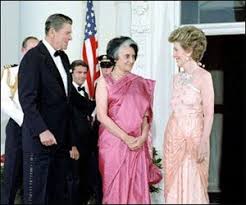
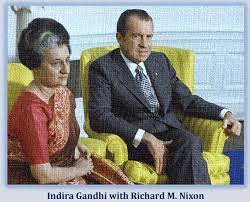
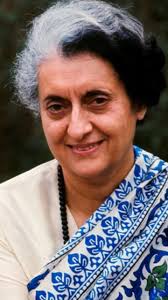
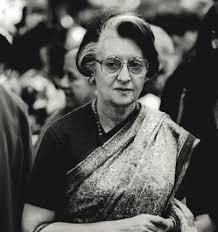
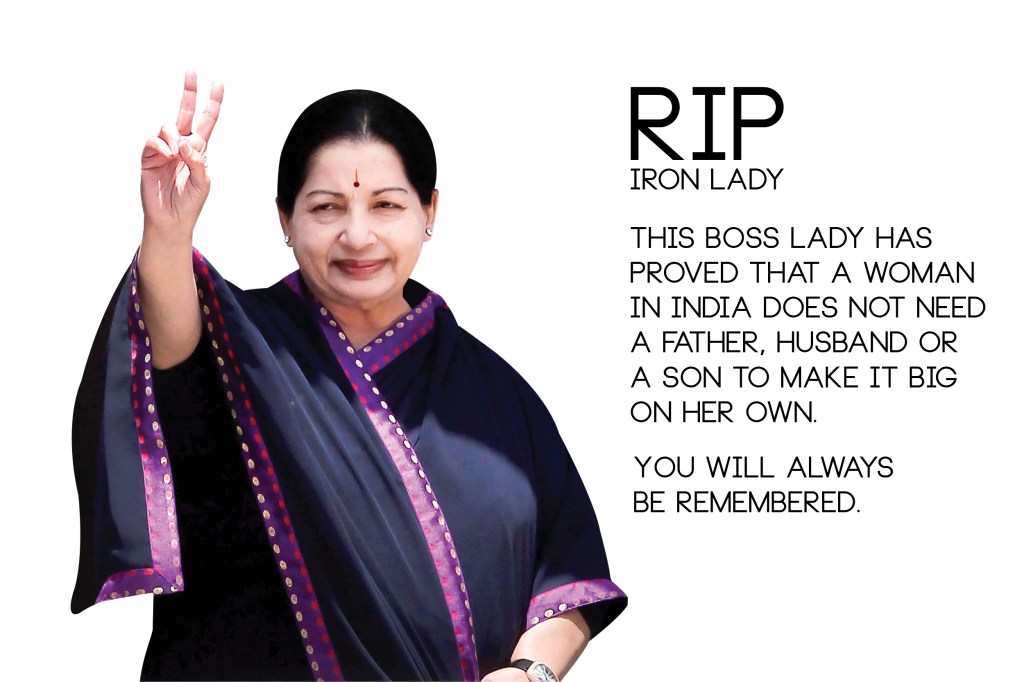
Smt. Indira Gandhi, ex woman prime minister of India draped saris and never wore the western clothes. She headed India from before Margaret Thatcher arrived on the scene. Her casual elegance in sari is what impresses me the most. As a woman I can appreciate her taste in her saris, the prints, the ethnic motifs, the weaves of India mostly handloom. She was a picture of understated elegance. I adore the statement she made as a woman of India, head of the Indian state and as a powerful presence as a woman. Sadly she was assassinated when I was still in school, after she ruled India already for over 17 years. She made a mincemeat of the US president Nixon and Henry Kissinger and neatly cut Pakistan into 2 pieces. Iron lady, the original one. I miss her era and don’t miss her at the same time because she was authoritarian. But the power she held was immense. For me, its the Nari shakthi – the feline female power that men had to grudgingly respect and even admire. Sari is the unstitched garment of Indian/Hindu women for millennia. It has come under flak for the national fervour it represents from nothing less than NYT. Western clothes are popular but its Indian clothes that rule the Indian heart.

https://timesofindia.indiatimes.com/india/nyt-cuts-a-sari-figure-after-attack-on-indian-attire/articleshow/61651281.cms

Me, I am an average Indian nari and I love draping the sari. Nothing comes closest to it be it in elegance or the cultural heritage equated with it. Secondly, the salwar kameez dupatta ensemble, the Indo-Mugal dress comfortable work clothes for Indian women next to sari, is my choice. Its the typical office wear of Indian women mostly who ride 2 wheelers to work as staple practice. Its easy and practical and breezy wear. Western clothes I wear so as not to stick out in a group and draw attention to myself when I am abroad. The main purpose of me wearing the jean and the t shirt is that: to mingle with the crowd for my own safety and security. But I do enjoy the western clothes as well. Unless I am comfortable in something I don’t wear it.

Its sickening to read that the sari, that has been around for not less than 10,000 years, is easily dubbed as ‘nationalistic symbol’ by the NYT, promoted deliberately in India (by the BJP).

First you lose your native clothes, then your native languages, your native FAITH, then you lose your native culture, you lose your native cuisine – and then finally you lose your ORIGINAL IDENTITY, self respect, self esteem, dignity, honour and at last the sense of belongingness and nationhood. Just look at Pakistan. Clothes are not mere clothes. Indian netas REFUSE TO WEAR WESTERN CLOTHES IN PUBLIC.

To me, my saris are mostly hand woven, printed with national/ethnic motifs, with vegetable dyes. I am head over heels in love with handblocks.. My clothes are of natural fibres such as cotton or Kanchi or Benarasi or Tussar silk from India, the finest on earth. The cottons and weaves of India are of myriad threads. District to district, state to state, they vary and I enjoy best my Indian cotton. My kurtas are the Indian cotton, bit coarse and at times softest like the mul mul. Anything but the imported lawn cotton from across the border. My Indian clothes cannot stand machine wash or dryer mostly. They need handwash. They will bleed colours initially because of the vegetable dyes used in them – not to be judged for quality by that. They will have imperfections natural to manual labour. But I believe my Indian clothes have a strong unflinching character about them, that is lacking in my expensive branded western attire that are standardly mill or machine made in batches and with not much of uniqueness about them. The finishing of the western clothes is what makes them special. They are neatly tailored and can be least clumsy. The perfect fit of the branded western wear is the other highlight about them. Fast colours lend them the durability. Indian clothes require maintenance care. Western clothes I wear are all synthetic fibre such as rayon, polyester etc. Even if these artificial fibres flood Indian market too, they are not too popular. Western clothes are easy maintenance, no doubt. Their imported cotton can be pricey. Western wear are machine washable and suited for dryers. My Indian clothes are my soul. Represent the real me. My western clothes may be the global contemporary me keeping with times. Its transient me but not the permanent me.

Posted in Indian Art Culture Music

We all grew up on ‘Wah Taj’

Will miss Zakir Hussain who I was following on Instagram.

What a maestro. Absolutely down to earth and divine. His jugalbandhi with Vikku Vinayakram and others took my breath away. Huge loss for India.

The ‘wah Taj’ commercial that captivated India:

the grammy winner

Of course my personal favourite is Hussain’s Tabla in jugalbandhi with Jayanthi’s Veena.

Posted in Indian Art Culture Music

Review: Kamalakshi (Music-Dance Drama)

I’ve never penned a review hot, hot. A first time for me. Forgive me for errors because I am not any authority in classical music or dance forms of INdia inspite of having touched the Veena for a few years of my early life (that I failed to capitalize on owing to family conditions). Anyway here it is:

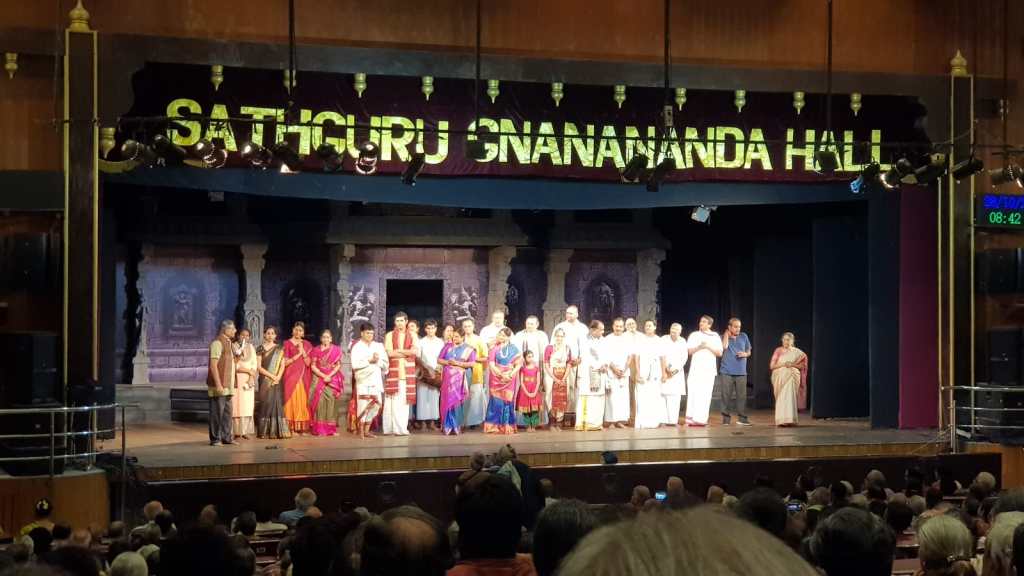
Today is Aippasi Pournami and we have Annibhishegham in all Shiva temples across India. So I dashed to my street temple, had a peek at Him when the veil was lifted for a second by the archaka and made it in time to the musical dance drama in Naradagana Sabha this evening titled ‘Kamalakshi.’ But not before stopping at my tailor’s. Its rare for those like me to go straight to destination without getting fatigued running some errands on way to anywhere! So when I arrived, the hall was full already and I had to search for a seat. But I guess I probably missed only the opening scene – because time then was still only 6.35. Or may be I missed nothing and that was the opening.

Being a Mylaporean, I grew up watching live stage dramas in RR Sabha, Bharatiya Vidya Bhavan, Mylapore Fine Arts etc., as my parents were members of these sabhas. We attended year round most cultural events. Our house was also in proximity to Kapaleeshwara and Valleeshwara temples which meant we listened to free kutcheris (Karnatic concerts) round the year. Rarely had the treat of watching even those like Ilayaraja and K J Yesudas I think. So my affinity for stage dramas in Tamil is so much. My last live stage play was in Rani Seethai Hall, in Parrys corner, Chennai screened by Crazy Mohan (I think) (or SV Shekhar) and that was before I married! So imagine, watching a play after over 30 years! Live! Dance drama is something that my school specialized in. It was a permanent feature in our annual day and cultural day. So I am also kind of familiar with this art form of merging Bharatnatyam with Karnatic music. The pioneer award actually must go to my school as I have watched almost everything from Dasavatharam to Ramayana, Mahabharat, Nala-Damayanthi and other sub =stories etc., from younger years. In fact this is the main reason I wanted to watch the show today. It was like returning to my roots. So many memories flashed back from my teens in Mylapore.

Still I was not prepared for the quality entertainment that enriched my soul treating every sense of mine to finest art this evening. The music-dance drama exceeded my expectations. Kamalakshi is the best that could have happened to the evolving traditional art scene in Chennai in recent times. Even for laywoman like me, the kritis flowed like nectar to ears. I counted upto four: Thyagaraja yoga vaibhavam, Sri Kamalambike (Shree ragam), Teruvil varuvano , Hiranmayeem Lakshmim (raag: Lalitha). I am having problem recalling the one on Thyagesa, a rare one. Its ‘ruchelu?’ New to me. The Shringara rasam is always magnetic over the Bhakthi rasam is it not? The live renderings were awesome by Sikkil Gurucharan. I am listening to him in last one year only. This is why I would want to go for stage shows as well. They are way too different from recorded You tube uploads. You tube hardly does justice to a classical artiste. Unless Gurucharan’s kind of Bhakthi is there for Devi, art makes no sense to me. His bharatnatyam consort (!) I mean the dancing partner Sumitra Nithin was equally good but I must admit I am blank both on Carnatic and Bharatnatyam. Not exactly qualified to do this review but then this is my blog and its entirely upto me what to do and what not to do here! Standing ovation to entire cast who were so natural on stage. Every single character stood out in performance carving a niche for himself/herself. Neela’s rendering was equally great. I liked her slightly husky voice that sounded a bit like Harini. I prefer that kind of throaty voice to too very sweet tones like KS Chitra for instance. The dictionldialogue delivery of the play got me: crystal clear without a confusion. No mix-ups, picture perfect – which means terrific practice. I wouldn’t give any other reason for success. The length of the play was that of a celluloid flick: running just a little over 2 hours. Some editing can help.

The plot was predictable and as such looked like a lift from Thillana Mohanambal or it could be the other way around: it is possible that the 60s classic cult Tamil picture was based on Kamalakshi (if the legend is true). The destiny of Devadasis! But in real life I knew a family. They were originally from Thirumullaivoyal. When the system was legally abolished during the time of independence, the daughter of the family who lived to a hundred years married a wealthy cardiac surgeon in those days. The late matron left behind dozens of beautiful daughters, granddaughters and great granddaughters highly accomplished and serving as doctors and software engineers in India, Malaysia, UK and the US. They are all classic beauties even today. You have to watch their body language. Strangely not a single male progeny for generations in that family! Nobody would believe their roots today but my family (parents and in-laws) alone is privy to their origins. Sincerely it is not a shame at all and I do regret that they have to still hide their origins. Whatever remains of them as of now as family in the city is stinking rich, but class. They maintain a low profile but their past history hardly matters in present day context. What now I am remember is that the grandma of the family got bunch of season tickets for December Music festival of Chennai for decades, driving from one sabha to another. It made sense to me only when I grew older.

Pat on the back to the Mirasudhar who captivated the audience with his stellar performance. Although the play was in English language, the accent was so Tamil that I believed it was Tamil almost! A word on settings and lightings: muted and subtle appealing to your finer senses, no wonder because PC Ramakrishnan was behind the scenes literally! Smooth transition of the stage scenes with no hick-ups. The Thiruvarur sannadhi set looked surreal – I mean too real! Took very little but added precious backdrop to the drama. Acoustics weren’t to be left behind. Good audio infused the much needed life to the programme. Just the right frequency so as not to screech at your ears or echo.

Of course, I hope to be in Thiruvarur before the end of this year. The cross-legged Kamalamba is my all time favourite. I do notice the Yogic poses of our deities. My Lalitha dangles Her left leg and has Her right folded. Mookambika and Kamakshi sit in lotus pose. Bhuvaneshwari has Her right leg dangling and left folded! Kamalamba is the only one with that curious Yogic posture of Hers. My other favourite is Badra Kali. I don’t curse but I tell my Kali always this: whoever harasses a woman, write down his Karma like he watched his mother changing! To that extent, I converse with my Devis/deities. I feel the goosebumps, vibes at opportune moments for decades now.

I wasted a ticket that I was to gift my friend who is into classical. Very recently she even flew to Trivandrum to watch a live concert in Navratri Mandapam. But she took ill so couldn’t attend. I wish she had because she is an exponent in Carnatic. And she is precisely someone who could have given the technical comment. I am just a connoisseur of good art – classical that is. I am sick of commercial cinema that is going third rate. Maintaining uncompromising standards is also important in a society but I do agree, masses need their share of entertainment too.

Delighted to find the auditorium packed. Still shocked to observe people packing bonda after bonda into their mouths when the screens were down and even when I entered the sabha! Had i had a friend, I would also have nibbled at a bonda over a cuppa! Missed my friend Sundu really.

I want to close the post sharing the strongest vibe that I felt in the climax. Only Shakta followers can get me. When Kamalakshi drops lifeless swirling to Sivaguru’s vocal in the sanctum of Thyagaraja (Shiva) in the Tiruvarur temple, involuntary tears welled up my eyes and rolled down my cheeks. I felt a strong vibe that I occasionally do in my pujas or temples or at other rare times. As I sense that the cast and production unit may be Shaktha followers or at least ardent followers of Shakthi, I am sharing this vibe of mine with you. I thought Kamalakshi was there this evening. For a moment I doubted if it was Thyegesa Himself. Because I got a doubt whether Kamalakshi was fictional character or real life character as this is a story penned by one Mrs. Sujatha Vijayaraghavan that could be based on inputs from hearsays. Is there a temple edict for evidence. I need clarification on this. I can tell this much to Sumitra and Sikkil Gurucharan: believe me I felt strongest vibe of whoever it is in that last scene. I found myself whispering quietly, ‘is it you Kamalakshi or is it Thyagesa. who among you is here this evening. My vibes tilted mostly towards Kamalakshi. Even as I type this, my face has lost its sense for 45 sec or so and i feel like my head is bobbing in space. I just got a confirmation right this moment. Someone WAS there! But who will believe me if I tell them this – other than my guru and fellow Shaktha maarga shishyas.

Karnatic music is divine. Bharatnatyam is divine. As an ardent devotee of Devi Shakthi I sense this every single day of my life as I listen to Navavarana kritis or any Devi krithi. We all must treat the traditional art forms of India with utmost reverence and desist from smudging the arts for personal gains. Of the Trimurthis of the Karnatic, I am partial to Muthuswami Dikshithar because he composed/ sang most of my favourite Devi kritis (in my limited knowledge that is) so when most go gaga over Thyagaraja, I have a soft spot for Dikshithar.

Posted in Indian Art Culture Music

Secularizing and Trivializing the Hindu.

A Hindu voice heard across the spectrum was talking about how everything Hindu is diminished systematically that over years, even Deepavali has been rendered secular: Gone were the flowers, diyas, puja mandaps, gods and goddesses, bright colours, lehengas and finally even the bindi from the Deepavali season sale. New age Diwali ads propped up bindiless plain faces celebrating green Diwali without the sparkling fire crackers. Newspaper magazines screamed how unhealthy Diwali sweets were. Everything about Diwali polluted planet Earth. And this is not just about Diwali. Navratri is the women-centric nine day Hindu festival of India where and when womanhood is celebrated. Out came this tweet a couple of years back: ‘this Navratri let us see to that NO DURGA/GIRL IS RAPED, NO PARVATHI/WIFE IS BEATEN, NO SATI/WOMAN IS BURNT ALIVE, NO LAKSHMI/HOUSEWIFE HAS TO PROSTITUTE, NO SARASWATHI/TEEN IS SCHOOL DROPOUT, NO GODDESS/LADY IS ALCOHOLIC OR UNDER INFLUENCE OF SUBSTANCE etc., etc. You cannot demonize Hindu festivals more than this. This year we are seeing less of this drama. Probably because our guys have been coming up with good retorts: such as how this Christmas you MUST NOT BINGE ON HIGH CALORIE CAKES, how its cruel to kill turkey for thanksgiving, how for Eid you must not cull animals in consideration of rights issues. The greatest Ozone depleter is in fact beef-cattle raising. Substitute the Durga-Lakshmi-Saraswathis with Biblical characters. You have a script ready! That seems to be working kind of. Now menacing the Hindu festivals is finally easing. Its not just about Hindu festivals, everything Hindu is getting either neutralized as secular or trivialized ever so slowly yet steadily over years. A cultural appropriation is already taking place with churches in India playing a vital role in ‘taking over Hindu religious customs and incorporating them in Christian way of life in India.’ Kerala churches have Jayastambhas now and that’s just the tip of the ice berg. They have started observing all Hindu festivals in churches now claiming Hindu ancestry starting with Sankranthi/Pongal. You have the Christian Rangolis, Mantras and every other paraphernalia that is Hindu neatly fit into Christianity so cleverly. Christianity is already trying to absorb the Sanatana Dharma in its entirely in the very land of Dharma and its happening right under our noses. You see how Yoga is now practised doing away with Om chanting and they even have the Christian yoga lately. Meditation is also secular and no more a Hindu concept. You have to keep in mind that Gautam Buddha was first and foremost a Hindu. Dharma is a passive way of life. Proudly and unapologetically and unabashedly a Hindu. One of the profound things to happen to human civilization is Hindu Dharma. The day Dharma dies, god forbid, it won’t be long before Mother Earth ends her life. So wherever and whenever there is a violation/disregard/misappropriation of/for Hindu way of life and culture, voice it. Move mountains to see that Dharma prevails.

Posted in Indian Art Culture Music

Mood changer: Some fatfriend songs :D

Fat people or nice. They have no ‘vanjam’ in their heart. They eat to their heart’s content doing justice to their taste buds and appetite. Mostly people who are obese are sweet and without malice. I have some songs on this subject.

My first fave is ‘kathirikka kathirikka gundu kathirikka, endha kadaiyila nee arisi vaangura? ‘ ((hey) eggplant eggplant motu eggplant! in which shop do you buy rice??’

Luv this one from the 70s ‘nitham nitham nellu soru’ (daily daily grain (of) rice). This is my top karaoke favourite.

From an old type kitchen from the ’80s:

Personal favourite: Am I the salt or sugar in your kitchen. Am I the eyes or the book in your reading room.

Finally the legend from the ’50s from ‘Maya bazar’ (a story from Mahabharat). Kadodhgaja, son of Bheem is a very popular Hindu epic hero for his insatiable appetite. Its Hollywood inspired although I am not familiar with the original. Originally a b&w picture now colour.

Posted in Indian Art Culture Music

An Emotion Called SPB

There are very few memories that I carry from my parents’ times to this day…. I mean, most common things I shared with them are already lost… very few are surviving today but are running out fast into oblivion… so why I like SPB, Ilayaraja etc., is for an entirely different reason. SPB was one of the connecting dots to me with my parents. Whenever I would listen to his old songs of late 1970s, i would be transported back to my happy home when i was carefree kid like everyone else… In my teens, SPB became synonymous with unforgettable melodies, that being the Mike Mohan era ! In my middle age I continued to be drawn to SPB’s versatility with his glitzy chartbursters! Throughout my memorable part of life, SPB remained a steady component, taken for granted. Where will those like me find this comfort level ever. I liked his consistency. His soothing voice. His adaptability. I viewed him as a mature artist who cut through generations. Most importantly I saw him in a paternal role. May be never did I get to meet him but he was always there singing to my ears. I have drawn inspiration and happiness from him. And peace. I wish I had attended his Doha concert. Tickets were there. Mostly we skip these events never having the curiosity to get to know or see celebrities in person. However SPB is one enigmatic genius i wish I hadn’t missed out on…

It must have been the year 1980. The picture ‘Raja Parvai’ was entirely filmed in my mother’s school. Kamal Hassan was the hero, Madhavi the heroine. While my mom taught the deaf and the dumb kids (we used no euphemism in those days to mask the stark truth. truth was spoken straight to one’s eyes and ears), the film was shot in the blind section. Everyday my mother would come back with stories about the cast and the crew. When the film was released, ‘andhi mazhai’ became my mom’s top fave song that she got recorded in a sony cassette. After she passed away, for over 10 years i held on to the cassette and replayed her selections. There were those like ‘aaghaya gangai’, ‘sippi irukkudhu muthum irukkudhu’ all in the mellifluous tone of SPB as if soaked in honey. He was already a star by then.

My personal favourites became his ‘nandha en nila’ and ‘kamban emandhan’ and ‘ilakkanam maarudho’ that were not from Ilayaraja stable. MS Viswanathan was equally a legend in those days preceding Ilayaraja. However, I discovered these gems much later in life when I had the time to reminisce the 80s filmy music. By now I was addicted to Azhagan songs ‘sangeetha swarangal’ , ‘mazhaiyum neeye’ and ‘saathi malli poocharame’ – these remain my lifetime faves, gems from music director Maragatha Mani (who recently scored music for Bahubali when I thought he was lost and forgotten). The 80s were peppered with Mike Mohan’s sweetest melodies that were given gentlest treatment by SPB sir, with Ilayaraja scoring the music. 80s teens must know. Every single number by SPB from ‘ilaya nila pozhigiradhu’ to ‘nilave vaa’ balmed my heart in those years when I going through a personal crisis.

The unending saga of SPB superhits through late 70s to mid 90s upto the time of Roja with AR Rehman was golden period for us girls who went through school and college in those times. ‘Pani vizhum malar vanam’ oh my god! SPB-Ilayaraja-Vairamuthu combo was nothing short of fireworks starting with ‘idhu oru pon maalai pozhudhu’ to ‘vaa vennila’ just to name a couple. My bosom buddy from school Shobi would regale us by singing ‘vandanam en vandanam’ and ‘devi sri devi’ during our free classes and school excursions. By college time she graduated to ‘mandram vandha thendralukku.’ To this day for our school friends, these numbers are etched in heart in SPB and Shobi’s voices! Again for me, all these eased pain. Life became bearable.

Sweet Mylapore childhood memories include crooning of such numbers as ‘singari sarakku’ and ‘ilamai idho idho’ in our terrace. I recall these incredibly funfilled moments with my friend Rupa’s bro Satish, father of 2 kids now hahaha. Those were his faves as he also danced like Kamal to the songs!

One day in the year 1989 or whatever I am not sure, my father’s side relatives were asking me to watch the picture ‘Keladi Kanmani.’ They said it was made for those girls like me. I didn’t quite understand. It was a heavy subject as I found out. SP Balasubramanyam played the rare hero role in the film as a widower. He sings nonstop a song holding his breath for over a minute in the movie, which became a record in those days. His daughter in the picture stops him from remarrying. Obviously this is what my relatives were trying to relay to me. The film hurt me immensely but SPB’s offbeat romance with Radhika showed to me how love can be so mature. SPB turned out to be a natural actor fitting the role perfectly.

Post marriage, I happened to see repeat of this picture many times. Over years, my take on life too has changed. From confused angry teenager/young woman, I have also aged to accept things as they are and grow more tolerant and accommodating. One more SPB picture ‘Sigaram’ was like Part II of ‘Keladi Kanmani.’ For this one, SPB scored the music himself. Class. A very mature storyline. I always wondered why SPB chose to act in these two pictures. They were out of the ordinary no doubt. Of course the compelling script and story telling must have been the reasons.

In the year 1993, SPB numbers were superhit in ARR musical Roja which was dubbed into Hindi. The same year before I got married, I watched the first picture ‘Marupadiyum’ with my would be-hubby in cinemas. A remake of ‘Arth’ from Hindi. ‘Nalam vaazha ennalum’ was a beautiful meloncholy but with that one, we left the theatre. So much for watching a film for the first time as a couple! Wrong choice but the music made it worthwhile. Around this period I believe SPB peaked in his career as the threshold to Tamil cinema music was broken open and we had more aspiring playback singers flooding and trying their luck in Indian film industry. However to my knowledge, none has been able to breach SPB’s top spot to this day. I could detect some copycats of SPB in fact who would not focus on originality! SPB went on with his musical odyssey unperturbed by new developments but learning to adapt to new technology and new producers (people) and new audience. That is something we all have to learn from him. In the process he antagonized none. The more successful he proved, the more humble and down to earth he transformed into.

I loved SPB’s ‘Saajan’ songs that I knew by heart and sang to myself in the 90s. His ‘Ek duje ke liya’ did not impress me much probably because I didn’t feel at ease with his hindi. In Saajan he had turned around. But i love to bits his ‘valaiyosai galagalavena’ that he sung with Latha Mangeshkar in Tamil. His another beautiful number is ‘pallavi illamal paadugiren’ for Laxmikanth Pyarelal. In ‘Shankarabharanam’ from late 1970s SPB proved to us that mastering classical music need not have to be a qualifying criteria for aspiring musicians. You can be a natural without cultivated practice. Sometimes I think may be this is the secret formula for his success. ‘Kaadu madhiri control pannadha valarchi.’ As someone who was not a trained singer, SPB knew no bounds and had nothing to hold him back. His ‘Kaadhal oviyam’ renditions for instance. Every single one in this album keeps reverberating in the background of my mind pretty often, decades after it was composed and recorded.

Even until very recently SPB enthralled us with his sunny ‘sahana saaral thoovudho’ and ‘ballelakka’ lending voice for Rajni Kanth. Ballelakka especially with its tongue twisting lyrics used to amaze me. His trademark was that he was much emotive vocally, laughing and crying and rejoicing as the lyrics/verses and situation demanded. Voice modulation was his greatest asset.

In this middle age, I also play SPB’s ‘Lingashtakam’ and other devotionals every other day. SPB’s Arunalachala renderings move me to tears along with Ilayaraja’s own. We started going to Thiruvannamalai in the year 1997 before my husband took up his first foreign posting. Roads were crude then. One lane. And the temple town used to be empty for Pournamis! Throughout the trip in that eerie quiet and dark of the night when we would return, this is what we heard. Until today for temple visits etc., we play mostly this kind of music over slokas during long drives. Mantras demand concentration. SPB and Ilayaraja devotions are as breezy. Some verses can touch a chord in you as you weave your way through that spiritual journey…

A few years back when my aunt was admitted in a hospital for knee replacement, i got to learn that the adjacent suite was SPB’s for months, vacated only days earlier. I was attending to my aunt for 3 days. Apparently SPB had had his bariatric surgery. For those 3 days I tried to quiz the nursing staff as much as possible for any info on SPB the legend. They told me, in the hospital he was just like any other patient. Fair enough. I wanted to see the suite by myself and actually walked through it hahaha! I pictured him there and came back to tell my aunt about it! My aunt wished SPB had waited until her knee surgery so that both of us could have shaken hands with him. My hubby as usual teased me that i narrowly missed the photo opp and the chance to update my profile pic in FB with SPB! I don’t have the celebrity craze but SPB was different. For him, I had respect and reverence. I was in awe of him. It was not his star value that attracted me but his s0-called gentle manners, his sweet bubbly persona. He was my mother’s generation and that somehow mattered to me.

In every phase of my life, this man had a presence like in most of my girls’ – the 70s & 80s teens… we can’t put it into words how exactly we felt then… but we realize now that SPB is an emotion for us… We connect him with so many, many happy memories…

Dear SPB sir, you are leaving us with a very sweet lingering aftertaste you know. Will there ever be anyone like you again? I even loved your first one ‘aayiram nilave vaa’ for MGR. I used to wonder what kind of young man you must have been to have sung it for the doyen of Tamil film industry then in that adolescent voice of yours. I would think your voice broke out right after that recording! I have read about your humility, a rarity especially in the face of such a huge Himalayan success, i have followed your concerts world wide on and off without really consciously keeping track of you. You just were there all the time. What a phenomenal journey yours must have been. A life well lived sir, hats off to you! Gentle sweet soul.

I just lost one more dot that connected me to my parents…

Posted in Indian Art Culture Music

The Hindu Gift To World Music: Classical Music Instruments

CARNATIC AND HINDUSTANI

Very few cultures in human race are gifted with rare acumen of producing, creating soulful music. Hindus are one such a gifted and unique species which is why India is home to not just one but two genres of Desi Classical Music: the Hindustani stream of the north and Carnatic classical of the south (apart from native classical dance forms from every other state that merit a separate write-up in their own right).

The aim of this post is to make a brief, if not complete, record of Hindu contribution to world music (by way of music instruments only). So this list is not exhaustive. There is scope for future additions.

India’s native classical instruments comprising the Stringed ones (like Sitar and Veena), Percussion (drums such as Mridangam and Tabla) and Wind (like the Bansuri) command a special place in global music stage, with Sitar and Tabla adapted by a wide range of western music followers. An array of other instruments vastly remain unpopular, although thriving in local scene, with the music tradition dying a slow death in some cases as in rural/folk country.

Hindus revere musical instruments which find a place in ritual worship by way of ‘puja’ (service), the highest respects, tributes, mankind can ever give these finest creations of God who gifted us the basic ‘Sapta Swaras’ (the seven notes of scale) that form the core of all sounds/tunes and beats (raags and taals) in universe. Simply everything is contained in ‘Sapta swaras.’ There is no sound or vibration that is out of scope of ‘Sa Re Ga Ma Pa Da Ne’ right?

musical instruments along with books and other tools find a venerable place in Hindu worship; this is Saraswathi Puja aka Ayudha Puja celebrated on the 9th day of Navrathri in the south.

We Hindus believe, Veena is the instrument of the very Goddess of learning/knowledge/wisdom Mother Saraswathi. If Saraswathi reigns supreme, Lakshmi, the Goddess of wealth/fortunes and Shakthi, the Goddess of power/energy/strength cannot be far behind.

Lord Ganesha is revered as the master of drums.

India thus is this divine home where we view everything – including inanimate objects like music instruments, as life.

Our classical traditional instruments have less and less number of learners, teachers (gurus) and followers these days which is a big concern. This precarious situation endangers the transition of our native and pedigree music passed on over the millennia from our ancestors, to next generation. The music scene in Chennai, the gateway to Indian culture, is vibrant. Chennai is home to Carnatic  attracting thousands of classical music exponents and disciples from around the world during the famous December Music Season (Margazhi). But of late, even here we see vocal music gaining an overwhelming predominance over instrumental music which is kind of sad. Very few youngsters take to Indian instruments these days and interest is waning.

In Hindu culture, music translates to spirituality. Music is essentially a form of ‘bhakthi.’ Bhakthi and Music intertwine in search of the ultimate bliss: Nirvana.  That is why we have Meera Bhajans for instance or even the Thiruppavai-Thiruvembavai (in Tamil Nadu). The ‘Divine Being’ for Hindus revels in soulful music.’ Meera sang to her eternal love Krishna and her renditions are timeless.

Bansuri, the flute, is also the instrument of Lord Krishna, played in India for eons. The western flute version differs slightly from original desi version.  Called ‘Pullankuzhal’ in tamil, the south Indian flute is also a tad different from the northern Indian bansuri. Thus there is not a thing that Hindus did not discover or invent in an ancient civilization that pre-existed the current one.

The amazing north-south sync in the Indian classical music versions north & south of Tropic of Cancer is brilliant: The Sitar of north’s equivalent in the south is Veena. The Mridangam from down under finds a mate in Tabela (tabla) up north. The Nadaswaram (nagaswaram) played in south Indian weddings is substituted with Shehnai or Shenoy without which there is no north Indian wedding.

‘Yaazh’ (as proncounced in ‘Yaazhpaanam’ a Tamil city in Sri Lanka) is a unique ancient Thamizh stringed musical instrument. ‘Jalatharangam’ also specific to India played with bowls of varied sizes with different levels of water, gives a rare musical vibration.


Pranaams to Hindustani/Carnatic Classical and Folk Music traditions of Bharath (India)!

Computerized synchronization is killing traditional and native classical instruments of India in such an obscene fashion. Art is dying, artisans are dying because of electronic synthesis of our musical reverberations, even if it can be argued that this is one more step in evolution of music. Is it really possible to produce the ‘ghamaka’ of Veena cent percent with computers? No way! The finest nuances of Veena can be produced only in the instrument.

There are deliberate, steady and systematic designs and manipulations to trivialize, devalue, discredit and even disinherit (us of) and usurp anything and everything Hindu by gene, culture & heritage by some quarters, which is highly alarming. Aryabhatta was indeed the world’s first astronomer. Sushrutha was the world’s first plastic surgeon unquestioningly. Bhaskara did give the world Calculus and Trigonometry and Hindus did invent the Zero concept. Ayurveda to Yoga and Meditation, there is not a field ancient Hindus did not touch or pioneer in. Everything ground to a standstill by 7th century CE. Why. We Hindus never bother about patents either. Vasudeiva Kudumbakam, World is one family for us.

I have a request before I close: Dear Indian parents, PLEASE ENROLL YOUR KIDS FOR CLASSICAL INDIAN MUSIC INSTRUMENT TRAINING rather than aspire for Dance shows in television channels. You will be rendering yeoman service to Bharat Matha, Mother India.