Posted in Economic

Sheer harassment awaits you on Arrival at Chennai Airport.

ATTENTION PRIME MINSTER SHRI NARENDRA MODI JI PMO

When I flew in the first week of September, things were as usual at Chennai International. I got picked up comfortably at the terminal arrival T2. When I returned to Chennai Domestic after a local trip by the last week, already dead tired, I had no awareness what a nightmare awaited me.

I was asked to take a buggy to the multistory parking lot a km away. Sounded simple. Now this is the new pickup point for Ola, Uber, pre-paid airport taxis or even private cars. Those who want to transfer to Chennai Metro Rail can always do so from within the airport without having to step out – whether domestic or international. Both have direct connectivity to Metro.

But the problem is, you reach your destination after a tiring travel. There is not a regulated queue for the buggy. I was a lone traveler. I have health issues, I am middle aged, and I can never haul weights. Maximum I can pull up my bags from the conveyor belt and shift them to the low level trolleys. Mostly at this, I am helped at by fellow passengers. The buggy line is long, if at all there is one. People rush to get into the buggy not wanting to wait their turns. Absolute chaos with no discipline or order. Those with light cases manage easily to board the buggy flinging their bags to the holdall in the back. I had a great difficulty hauling my bags on to the back of the buggy that cannot hold big suitcases. Mine had to be put on top jutting out and shaking all the way. Moreover mixed luggages of passengers are piled up precariously one on top of another. I saw ladies struggle to haul their bags to the buggy and get in at the same time. By the time some women successfully placed their trolley bags over the buggy, their seat in the buggy was taken. With the buggy full and leaving without them but with their bags, the women were perplexed. After over 20 minutes of trying to get into one, I summoned someone probably in-charge there to help me. Finally a kind man hauled my luggages to the back of the buggy and I could take a seat in the buggy at the same time. But not after a terrible argument with the driver of the buggy. That by itself was a feat. It took me over 30 minutes just to get from outside the terminal to the parking lot. Here you have multistorey parking and the cars are parked at various levels. You have to take an elevator to reach whatever floor, in case of prepaid taxis. God knows where to wait for Uber. I was told the waiting place was the same as the uber/ola drivers only could drive through. Such a confusion and MESS. Totally harassed.

I thought the international terminal would be different. My husband who traveled last month went through the same nightmare on landing at T2. Early morning, no buggy was available. Trolleys cannot be wheeled beyond a point. He called his cabbie who thankfully walked upto the terminal from the parking. Both of them wheeled the suitcases for over a good half to one km to the parking lot at morning 3 am. It totally drained his energy. Is this what to expect on landing in our hometown after a tired journey. In my case, even if the buggy may be available, I just can’t haul the bags to that height of the buggy holdall. My international flight bags weigh over 18 to 20 kg each. What am I going to do. What brainless people have put such a harrowing system into place? Its not only impractical, it is sheer harassment, nightmare. This is now going on for over 2 months and I wonder whoever has registered an official complaint.

If for security reasons the government wants to keep the taxies and cars at bay at the parking lot, then something like a shuttle bus must be arranged where there must be conductors to handle luggages. I have seen such a system in place in the US. One can board the shuttle to reach parking lots as far as few kilometers without hassles.

Hopefully by the time I return the old way of exiting airport is back. I give up, I just can’t. Wonder how the wheelchair passengers cope up. Its not a straight level ride with their carts to the parking at all. A lot of work needs to be done on warfooting basis. Airport authority need not have to turn our airport into 5 star hotel. At least the basics they must take care of. What is the use of building a swanky new airport and putting passengers through sheer harassment on arrival. Basic amenities must be covered first. You see the airports in the US. They keep the artefacts there in museums not in airports. Airport can be plain but functional and user-friendly. Arrival in Chennai is now a big headache be it international or domestic.

Posted in Economic, Socio-Cultural, Socio-Political

No more IT exemption to Catholic clergy in India

In a landmark decision the Supreme court of India upheld the waiving of exemption from income taxes to nuns and priests of the Catholic church serving in educational institutions, thus bringing the practice from the British era to an end. The catholic clergy in all filed over 93 appeals seeking reversal.

https://www.ucanews.com/news/indian-court-ends-tax-exemption-for-catholic-priests-nuns/106944

Posted in Economic

Why I changed my mind on Amazon and Swiggy.

In Middle east where we are based, I was struck with a very severe viral fever when I ran a temperature of 108 F for a continuous 10 day period. I needed at least two IV injections. Even so, my temperature would be back within 2 hours. I don’t know where I picked up this virus early this year = whether from mall or from our walking in the parks. Later I was told that most of the residents had received a vaccination for this mysterious virus that I didn’t. Many were falling sick and some required hospitalization.

In this period I was asked to have ORS for regaining my lost strength, being a vegetarian. My problem is that I am borderline diabetic. I am not on any pill but I am not supposed to take direct sugar as much as possible = and that too something equal to glucose. I try to keep control by adopting lifestyle changes. Sugarfree ORS was not available over the counter or by order anywhere in Middle East. I was forced to have the ORS with sugar pumped in in generous millies ! The doctor who attended me told me that ORS sugarfree possibly was available in India. Market in India is vast that there is nothing that is not available. I made a mental note to get it during my next home visit.

I asked for sugarfree ORS in pharmacies but nobody had it including the Apollo. There I placed my order, just in case, because they normally source it from others if they don’t stock it. The pharmacist told me only the tetrapacks of 100 ml were available. ORS tetrapack sounded funny even if priced at 45 bucks one pack. Again, you cannot take liquids abroad beyond 1 liter by air. The tetrapacks came in handy whenever I came home from a harsh sun, chilled in my fridge.

During this visit I searched the Amazon and was surprised as well as shocked to note that a whole long list of sugarfree ORS is available as sachets to be dissolved in a glass of water – just the like the sugared ORS sachets I found in Doha. More than delighted. We don’t take the Glucon D kind of thing regularly but when we feel extremely week after travel etc., drained of our energies, this can come in handy.

I don’t regularly order food from Swiggy but their Instamart definitely benefits me. Even the quality of vegetables and fruits is good. Within 10 to 20 minutes maximum on order, I get the subji. We can order the veggies after turning on the gas stove! Living in a polluted metro like Chennai which is also dug up entirely for Metrorail expansion plans facing the wrath of the monsoons at the same time, Instamart is a godsend with quickest service time. For working couples, it can’t get better.

Ten to fifteen years back, I used to order kurtis (rarely) online from those like Jabong. My books were ordered from Flipkart. Flipkart sold out to Walmart. Myntra is owned by Flipkart. Jabong sold out to Myntra. Why should these desis sell out to Amazon and Walmart and bow out. They make a quick profit and then they make a beeline for exit. Big global brand thrive on REINVESTMENT, not on selling the business once you make a landfall. Ploughing back of profits into the trade is the business mantra that our Indian entrepreneurs fail to grasp.

Compared to Ola I have also felt that Uber has better discipline and working ethics. Learn what is best from others.

I have reached the age where comfort and service matter to me most for which I am willing to pay the right price. If the Indian service providers fall short of standards, it is their problem.

Tata’s used to be grotesque car 15-20 years back. But both Tata and Mahindra upgraded themselves and they are the fastest selling India=made sedans and suvs in India today that are also being exported. Their steel and safety features have earned them 5 star rating.

https://www.acko.com/car-guide/safest-cars-in-india/

At least 5 of the top 10 safest cars in India are now India made.

I also notice that Amazon sources its supplies from numerous small sellers and traders. India Mart is there as well but here, you have to bulk-order. India Mart is mostly for wholesalers. Amazon allows for lowest unit of order.

Would rather put my faith and trust on Amazon and Walmart than on Ambani and Adani!

Posted in Economic

Ratan Tata leaves behind a matchless legacy.

Ratan Tata is no more. A son of India like none other. A visionary who took India forward step by step. His global conglomerate employs millions across the world. The legacy he leaves behind is immense and matchless. A huge fan of Tata both for his ETHICAL business ways and for the humanitarian he was. Men like these are born once in a millennium. After looking at the likes of Elon Musk etc., you reckon why men like Tata matter more for not just India but for the entire universe. An aspect called decency: that sets apart Tata from crude others. We have also had the Ramdev kind of so-called spiritual entrepreneurs. We have witnessed in recent past the rise and fall of the Patanjali Ayurved he founded as a practising yogi! Tata to me was also a yogi, only not in saffron robes. Men like Ratan Tata won’t have a punar janam (rebirth) but if he must, may he be reborn in Bharat/India again and again. Thank you so much Tata ji for what you gave back our ancient motherland. Words cannot describe what I feel from the bottom of heart, for you. Go in peace. But bless Bharat from wherever you are. A life so well lived in public service. Patriotism can take different shades. Like Tata’s for instance. What a selfless life! Business tycoons need not have to be always as brash as the Ambanis and as selfish as the Adanis who are profit motivated and nothing more. Industrial corporations need not have be as ruthless. Somewhere there can be a middle ground. There are those like the Tata group who still engage in ethical businesses who are the reason Bharat is still ticking. My heart feels heavy losing you Ratan ji even if I am aware, all of us have to come to this day sometime. Losing you is like losing a precious diamond. A real Ratan. There is not an area of economy that you have not touched. Its news to me that Tata even brought out the first CBS India cassette recording Nazia and Zoheb Hassan from across the border bringing them international fame. You brought respectability to this country, acquiring foreign manufacturing industries and firms. From TCS (Tata consultancy service (IT company)) and Air India to star hotels to Tata manufactured sedans with Tata buying out international brands like Jaguar of UK and Tetley tea, to Tata steel (that acquired Corus steel) to Tata telecom – and even those like Tata tea, Tanishq (designer jewelry brand) and Westside (fashion and accessories), you have carved a niche for yourself (Tata brand) in (gold) standard in the business world. You leave behind big shoes hard to fill. You are inspiration Ratan ji for generations of Indians. The biggest take away from you for all of us is that, you can keep your ethics and still make it a viable trade; you can engage in selfless public service and still run industrial corporations and manufacturing industries. You can transform societies if you have the will.

Posted in Economic

Work stress takes it toll.

When 26 year old Anna Sebastian Peraiyil, a chartered accountant working for EY India, succumbed to work stress, it shed light on the prevailing toxic work culture we have in India. Not long ago, Infosys chairman Shri Narayana Murthy went on record saying that Indian youth must be ready to work for 70 hours a week. The founder of Infosys which became the first INdian MNC to be listed in Nasdaq is under fire ever since he made his controversial statement. There can’t be a better time to rethink the work-life balance that is precariously titled so far as careers with Indian corporates are concerned. Anna worked for over 12-15 hours a day including during weekends. She complained of a chest congestion and died within minutes on her way to hospital in an ambulance. Overworked and underpaid being the destiny of hundreds of thousands of young men and women, currently we have the most disillusioned generation in the history of the country who have lost the light in their eyes with early burnout syndrome. We have the younger people opting out of marriage and parenthood and putting material welfare ahead of personal life. Work stress and nonstop chasing of deadlines have driven the IT engineers especially towards dope culture which is an open secret. Social and economic development at what cost? Ambitious young Indians are dropping dead like never before to heart attack and cardiac arrest thanks to the toxic work culture that is the prevailing norm. We have PG medical interns and IITians committing suicide unable to cope up with burgeoning stress. It is time to streamline not only the corporate work culture in India but also take a second look at the grueling routine of interns and freshers in other fields of employment, with effective government policies put in place.

https://indianexpress.com/article/cities/pune/after-pune-ca-dies-mother-alleges-work-pressure-firm-denies-9575175/lite/?fbclid=IwY2xjawFaV1ZleHRuA2FlbQIxMQABHdboOsHGenv_geGthMKHY52_2E-4vzL5jmrujGEmbWYNvZM8kPHGR4zKXw_aem_PNkn-T4OyGHaVPyUqTExdA

Posted in Economic

GDP matters over GDP Per Capita

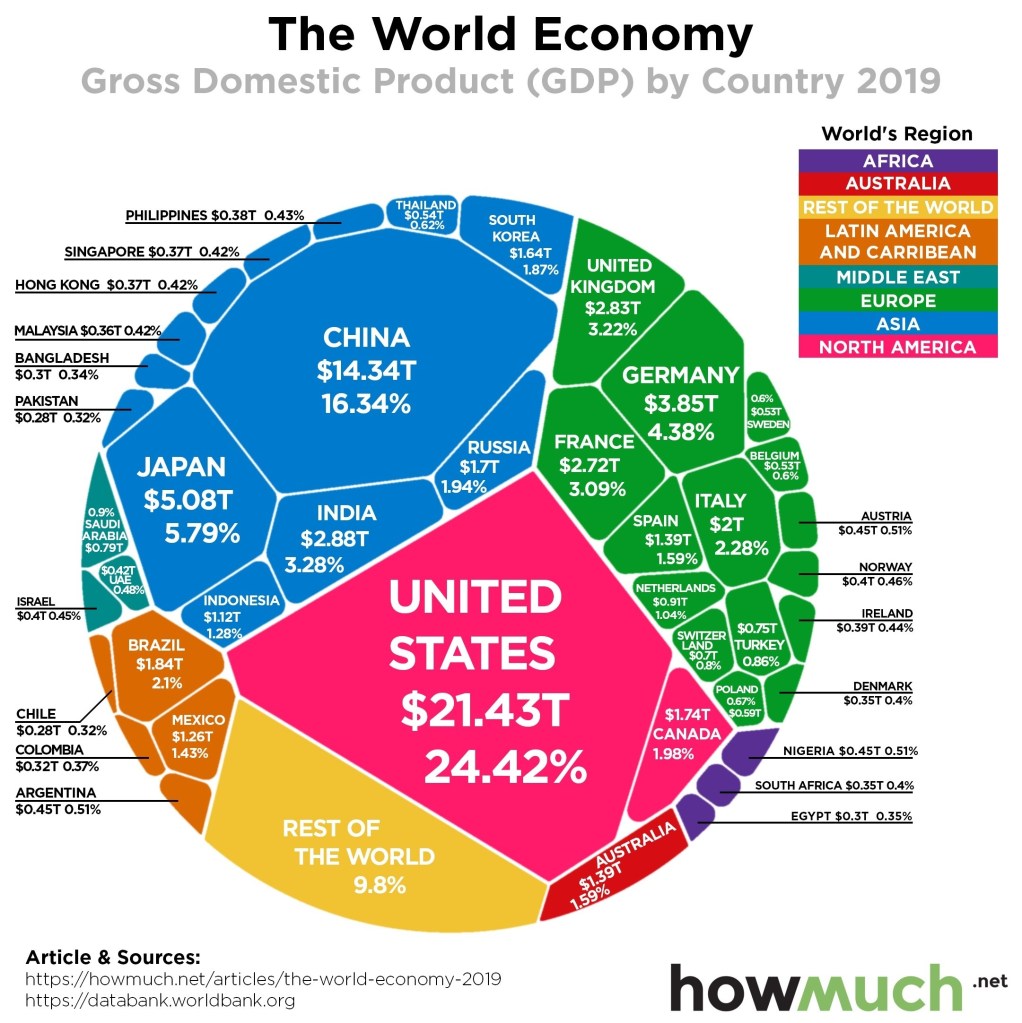
The Gross Domestic Product GDP of a nation matters over the individual Per Capital Income (GDP Per capita). GDP is networth of a nation often in fact underestimated, typically as in the case of India. Per capita income is income per head. Oil based economies boast of highest PCIs in the world. Whereas USA, China, India, Germany, France, Russia and Japan are the leading world economies when it comes to sum total Gross domestic product.

INdia is very much underestimated in this list. America holds world’s largest bullion reserves and China is a feverish buyer for sometime now. But the gold held by Hindu temples and Hindu homes never is accounted for, which may exceed entire gold holdings of America and China and Middle east put together. Hindu temples are immensely wealthy flush with diamonds and gold coins and gold jewelry. Indian homes hold caches of gold and diamond jewelry passed over for generations as well as designer ones from present. Official bullion holding by govt of India may be far less.

https://www.forbes.com/sites/jimdobson/2015/11/13/a-one-trillion-dollar-hidden-treasure-chamber-is-discovered-at-indias-sree-padmanabhaswam-temple/?sh

https://www.thearchaeologist.org/blog/the-1-trillion-padmanabhaswamy-temple-treasure

https://www.hindustantimes.com/india-news/tirupati-temple-s-assets-include-over-10-tonnes-of-gold-cash-worth-rs-15938cr-101667732525942.html

https://www.business-standard.com/article/current-affairs/temples-hold-about-4-000-tonnes-of-gold-116032400306_1.html

https://www.mygoldguide.in/4-breath-taking-gold-temples-india

Golden Mahalakshmi temple at Sri Puram, Vellore, Tamil Nadu, India.

India is dotted with architectural marvels – our Hindu temples – millions of them, most of which are easily 2000 years old. These ancient sculptural feats hold within them panchaloka (5 metal), brass, bronze, silver statues worth billions of dollars. Most expensive silks of the world Benarasi and Kanjivaram are woven in India. World’s best mangoes grow in India. We are the world’s largest exporters of rice, wheat, milk, poultry products, beef. We export softwares and hardwares and automobiles and cell phones. Local manufacturing is strong. Even oil and gas are mined in India but we import both to cater to our industrial and domestic needs. We in India are looking forward to fossil fuel free world – that will forever liberate us from dependency on our oil imports. We welcome the green era with electric cars. That is bound to do wonders for a nation like India. These are the reasons I believe India is rightfully the 3rd largest economy in the world (not taking into account our natural resources, our farm bounties, our rivers, our mountains etc. One of the most blessed nations in the world that is timeless and ageless: that is my Bharat, India. We, some 1.3 billion Indians, share our motherland with native lions, tigers (highest count in the world again), Asian elephants and myriad species of other wildlife (including India’s own exclusive single horned rhinos) and flora and fauna and the avian families. Who will put a bill on all of this?)

Gulf nations are very tiny compared to vast countries like India or America or Canada or China or Russia. So concentration of wealth is in one or two or three cities that make them look richer. In my country India, wealth is SPREAD. Widespread. INdia’s wealth is not constituted out of her natural resources such as oil and gas. India’s wealth is MANMADE – acquired with the hardwork and dedication of our masses.

Which is why, its the GDP of nations that matters. The wholesome output of an entire nation and its share in the world market matters over individual per capita income. Even if we compute PCIs, at least two Indians are among the world’s 20 richest: the Ambanis and the Adanis. Adanis are among the world’s top 10. Their wealth is entirely based on production oriented manufacturing industries.

The quality of wealth, the ways and means of acquisition of wealth – all these matter. The wealth of India also lies in the manuscripts in Sanskrit, Tamil etc., that date back by thousands of years.

There is a deliberate miscalculation of dates and wrongful and willful misrepresentation of history and wars. This was the biggest mischief committed by the British. For instance, the British put the date of Adi Shankaracharya by 7th century CE. Whereas Hindu history reveals that Adi Shankara turned the river Poorna with his pleas and prayers so that his mother could have her ritual bath every day in her old age. Carbon dating now points to river Poorna diverging from original course to 3rd century BCE – which means the British made a huge error of judgment in charting Adi Shankara’s birth and history. Hindu history is easily 10000 years old. Most Hindu saints were born before the birth of Christ. Tamil and Sanskrit literature we read even today are from 500 BCE minimum. Advance grammar and standard of prose and poetry can have no precedence.

Our GDP also may include our railway networks, airports, shipping, defence, space industry, infrastructure including highways, investments in tech parks, metros in every city, mining, farming, fishing etc. World economies hardly take into account such a grand picture.

Only nation on earth to have Brahmos missiles now exported to the Phillipines:

India’s space agency ISRO, a chief contribution to Indian economy, launching for foreign clients:

India’s software exports:

Worth of Indian railway network alone:

https://www.ibef.org/industry/indian-railways

Indian economy is very diverse. We don’t keep all eggs in one basket. Our pharmaceutical industry, health care industry, textiles, food industry, dairy, leather industry everything is a high performer. In Information technology (IT(n we are pioneers.

So it really shocks me that those in the west see only what they want to see like the Indian slums and put us down. The truth is: INDIA IS THE THIRD RICHEST COUNTRY IN THE WORLD after China and the US.

UK story is over since long. One reason for BBC to degrade India by propaganda is this: bitter envy. Dear BBC, even the Kohinoor of your Buckingham palace is originally STOLEN from Hindu temple of Mother Badrakali in Warrangal in India. UK lived a fancy rich life with stolen wealth from India, Asia, Africa. Now Brits are high on welfare aren’t they!

India is an all round robust economy, very well balanced. We look forward to shifting over completely to green gases in 10=20 years that shall cut down our oil and gas (fossil fuel) consumption. This can do wonders for the Indian economy and our environment.

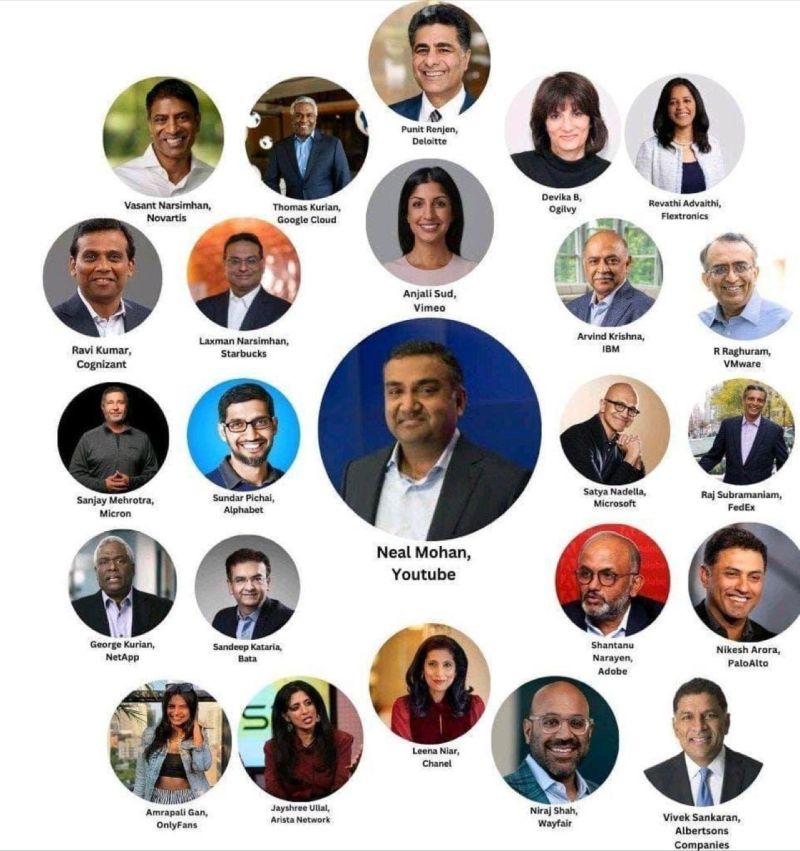
My nation also exports GLOBAL CEOS!

THE GLOBAL CEOS FROM INDIA:

Posted in Economic

New T Cell Therapy for Cancer Treatment Affordable for World patients in India.

Finally having our own gene therapy or the T cell therapy is in India that has cut down costs from INR 4 crores to under 40 lakhs of rupees, making it affordable for not only cancer patients from India but for those from around the world. One medical practitioner has claimed to have come up with a vaccination that can cost a mere 100 bucks to prevent cancer! In any case, the race to inventing the cancer vaccine is on and India is a co-runner in the pack with America, China, Russia and other European nations. The T cell therapy that is now selectively available in US and European hospitals for treating cancer, is finally available in India as local hospitals warm up to the new idea. Unlike chemotherapy, the established standard medical treatment for cancer that is sold over-the-counter like ‘one size fits for all’, the T cell therapy has to be customized for each and every patient which will make it complex to administer. The success rate with volunteers so far is promising.

The miracle breakthrough was realized at Tata Memorial Hospital in Mumbai very recently. Kudos to our medical researchers and oncologists and the entire medical fraternity that shall be rendering very soon chemotherapy redundant. In a third world nation like India, this means a lot to the masses. As we pioneer in the newly developed medical technology, the costs of treatment are bound to go down. India will be seeing more or perhaps heavy load of foreign patients, we being a well established medical tourist destination already.

https://pib.gov.in/PressReleasePage.aspx?PRID=2017169

Posted in Economic

Gomudra is odourless and bitter.

Got to sample Gomudra, the cow urine, during my recent temple tour to the Kumbakonam-Mayavaram belt. We Hindus normally do ‘prokshanam’ (one or two drops on our head) with river water or sea water or cow urine for cleansing (if not bathing). But there are friends of mine who may gulp down a glass of gomudra (!) without batting their eye lids – for their medicinal properties (as well as spiritual). As per Hindu culture and traditions and as per Ayurveda, the Hindu medicine system, gomudra is anti-cancer and has potential to cure many severely debilitating diseases and improve our immunity at the same time. So then came the Americans who as usual patented the cow urine benefits stealing one more Hindu practice and announcing it to the world that it is their discovery. What Hindus have been observing for thousands of years is just like that American invention now. So much has been stolen from our Vedas and claimed to be invention by Europeans and Americans, so what is this really. First they ridicule you, then they study your works and ways of life and then they present it as research papers and patent Asian ways. I have to add here that the NRI Americans are the No.1 culprits who are good at backstabbing India.

Anyway, Gomudra did not have odour! It tasted bitter. I just had a gulp that’s all. More than that I could not manage. Walking on barefoot on the goshala (cow shed floors), I was asked not even to wash my foot or my hands (after handling the gomudra stainless steel tumbler that had stains). I didn’t. The very old caretaker and his wife who took care of the goshala asked us not to rinse our hands and retain the goodness as long as possible. I believe in ancient Hindu wisdom. A motherless calf won my heart. We fed heartily the cow mothers and calves and even one or two bulls, all pure Indian strains.

A Hindu temple is a complete eco-system supporting goshalas (cow sheds), gardens with stala vrukshas (maintained gardens with local tree as flagship tree for the temple), performing stages for artistes such as vocalits, instrumentalists and dancers, sales counters for holy items such as rudraksha (prayer beads) etc., madappalli (kitchens where Neivedya (food for offering) may be prepared for the Gods and later for the ‘Prasad’ to be distributed to devotees), dining halls for free lunch for devotees (financed from temple collections/donations). In front of the temple or within temple complexes will be one or two or even three water tanks with steps from four sides leading to the water, minimum an acre in size. This is how ancient Hindus raised their temples: acres huge with a life on their own. The ancient Hindu temples boasted of a self-sustaining economy with trades executed within the temple walls. The temples even had granaries/barns within them.The temples had four grand entrances with towers raising to several hundred feet with marvellous architecture in four different streets east, west, north, south. Jewelry of the gods and goddesses invited the moslem invaders and the British who engaged in mindless looting and destruction. Even today many ancient temples down south stand erect, easily thousand to two thousand years old. They still function to be repository of vast information and wealth. The intrinsic wealth of India even after centuries of onslaught by the muslims and by the British cannot be estimated in figures. One has to see it to believe it. You need years to undertake a complete tour of the ancient Hindu temples of India. The bronze and gold and ‘panchaloka’ figurines themselves along with stone sculptures cannot be given a price tag. And imagine, this is after the destruction of everything Hindu for centuries by muslim invaders. The British simply shipped so much of our Hindu wealth including gems and jewelry and sculptures to Britain. Yes, including the Kohinoor diamond that belongs to Badrakali, the fierce goddess of Warangal. Whoever stole the gemstone from her will stand to be destroyed. This is why Queen Elizabeth never wore it. UK will become the first European caliphate within a century.

North is left with hardly a grand temple structure because the moslems razed everything Hindu to dust. Taj Mahal is believed to be a razed Hindu marble temple typical of north, going by name Tejo Shivalaya. It has a kumbh sitting atop and it has water in the front, which is synonymous with Hindu temples. Qutb Minar in Delhi still has Hindu temple pillars standing and supporting the islamic place. Every single Hindu temple was struck down by islamists who raised their mosques and worse still, mausoleums over the rubbles. But look at Afghanistan now. Look at Islamic nations in general. Karma.

Without ablutions, devotees were never allowed into temples until a century or two ago. You had to take the mandatory shower and enter the temple sanctum only in wet clothes. Which is why, Hindu temples were always located by sea side or river side. Even so, they came with the customary water tank holdings that improved underground water levels in the surrounding areas and served as storage in summers. For instance, the city of Chennai alone has at least 15 one acre water tanks attached to Hindu temples, each storing valuable rain water harvest and recharging the ground water table of Chennai. This is why I as well as fellow Hindus never hesitate when it comes to taking a sip of the cow urine from our temple goshalas or even outside it. Our forefathers knew what they did. The Indian cow milk is also rich with A2 minerals, something not found in the Jerseys or other strains from Europe. Next to mothers’ milk, only A2 milk can be digestible to newborn babies and can be used as a substitute. Hindus never introduce babies to A1 or the buffalo milk until 2 or 3 years as family practice. Now A2 is also patented by America and A2 milk is sold in cartons. Every single Indian cattle genetic line is fused with European bulls ensuring maximum destruction of A2 productivity in Asian nations. Already we are at the stage where an Indian cow cannot reproduce on her own but can only be impregnated via IVF with the semen from the imported Jersey bull. Not only India, every other Asian nation is caught in this trap. America and Europe produce only A1 milk whereas A2 milk helps in brain growth and is supposed to be a reason for the children’s smartness in India. Tamil Nadu, my home state, fought a terrible battle against PETA, etc., to retain certain local customs that engaged in bull racing but protected and stopped the native strains from going to extinction. The foreign NGOs had imposed a court ban on Indian traditional life, how is this?! We in India try our maximum to save native breeds of cattle apart from saving native food grains and seeds without contamination from the western strains imported from America or Europe.

Cow urine has been granted US Patents (No. 6,896,907 and 6,410,059) for its medicinal properties, particularly as a bioenhancer and as an antibiotic, antifungal and anticancer agent.

This is intellectual theft in broad daylight from Hindus who have been saying this for thousands of years. India never cared for patents because we believe, we have no need as this is our natural way of life for centuries, millennia – until the Europeans and Americans came along and started patenting everything native and Hindu as theirs! Lost a lot and losing lot more. Lost neem patent for poxes, lost some herbal patents for jaundice, etc., etc. Now we cough up in dollars to the international pharmaceuticals that sell us in capsules our own formula. India is fighting a losing battle.

Very recent addition to the list is the Turmeric latte sold by Starbucks. While it is everyday Indian bedtime drink, I don’t think Starbucks ever attributed the recipe to Hindus/Indians. Especially in winters or when we run a cold or sore throat, having a hot mug of turmeric milk, with or without ground peppercorn added, is our typical home remedy. Turmeric is added to every single Indian recipe and there is simply no Indian cuisine without turmeric. Now world knows Turmeric latte as American/Starbucks’ invention.

Posted in Economic

Digitalization drive: transforming rural India like never before.

Time to take stock of UPI payments enabled in India. This came close on the heels of demonetization. Paperless transactions may never have amounted to this magnitude in days before demonetization. It was quick and easy for petty shopkeepers and even street hawkers to seamlessly switch over to UPI payments because, even the villagers and rural artisans who have not have received elementary education have turned out to be tech savvy today when it comes to smart phones and can follow maps and keep track of bill payments etc. Digitalization therefore materialized in India more out of necessity as the nation ran out of cash overnight with demonetization. Recently I was in Kerala. As we thronged the streets of Guruvayur, I and my friend found that we did not carry enough cash and our cards were not being accepted anywhere. We were not exactly shopping for big brands whose franchisees had opened posh showrooms or chains in the backstreets. The petty shops, arguably, may not have impressive volumes of turnover. We shopped for papads, nendram (a kind of banana) chips (deepfried in coconut oil) (that Kerala is famous for), lamps, sweets etc. Our bills in the snacks shops couldn’t have exceeded 200-300 bucks. The shopowners too were not the kind to wait for credit card payments settlements. As we know, the credit cards have a window of 3 months for final bill honour and settlement from merchant banks. Running cash remains crucial for small businesses. Plus since I have a phone from Middle east where some features in Playstore are disabled, I do not have Gpay. I have though downloaded desi Phonepe that the shopowners did not have even if they did have the universal payment method Gpay. In which case I had to scan the QR code and make instant payment. The places were not as crowded as the fastfoods in Mumbai that may necessitate speaker announcements for payments received. But the billing clerk and the salesmen did verify and confirm with each other on the spot in the shops in the Guruvayurvappan temple Sannadhi street whether payments were received. Before anyone left the shop,t the verifications were done superfast. These are small things that do not come packaged with qr codes printed in the merchandise to emit the beep sound if someone left with a stolen item. The shopowners needed to be super alert given that the chips packets, pickles and other nibbles and edibles were displayed right through the small shop and were also hanging from roof in suspenders. It must be tough to keep track. But they seemed to have perfected a way to keep track of sales and payments. It would be interesting to see what they would do should there be a crowd. When we were shopping, there weren’t more than a dozen shoppers that made it easy for the petty shopkeepers to keep an eye on every transaction. Even so, the small shops seemed to be stuffy. Its true, from the tender coconut vending woman in the street side to the pani puri wala hawking everything from bhel puri to sandwiches and steamed dimsums in busy market places, everybody has gone cashless. Last two years I have been paying bills for all labour thro UPI. These include the plumber, the electrician, the tailor, the janitor etc. All you have to do is make a phonepe payment or scan the qr printed in the push cart or wherever to make a payment. I haven’t witnessed this level of digitalization even in Middle east where normally tech facilities are enabled better especially when it comes to banking. The advantage with digitalization and cashless economy is that, there is more transparency than ever before and the black market shrinks significantly. More incomes and individuals under taxable net as transactions leave an electronic trail that you cannot erase or refute. With the Aadhar (national/personal) ID linked to our bank accounts alongwith PAN (permanent account number for income tax), when you make a UPI payment, like the credit card payment these minor bills are accounted for. Which was never the case earlier when you bought something or anything from the street stall or an icecream during the park stroll or when you took the giant wheel ride in the fair or sometimes as simply as chewed pan outside the restaurant you dined in. Now the paan vendors have UPI qr code displayed on their stand and would rather prefer you to scan and pay. So what happens? You leave a record of your lifestyle, your habits, your preference, your tastes etc., so far not covered by the credit cards. This can give a totally different perspective to the ways of spending by netizens. The more you make digitalized payments, the more white is the national currency from black. I insist on making cash payments sometimes for groceries because I want to make use of cash – as I have to necessarily swipe my cards at least once in 6 months to keep them active. Otherwise frankly, I have no need for cash at all.

Where Gods and Goddesses accept UPI : In all temple hundis, qr scan code is printed for donations, for special puja services etc! The last time I visited Kapali temple in Mylapore, there was a queue so I opted for a shorter queue for which I had to buy a ticket for 50 bucks. The receipt with qr code was scanned in the queue by a temple worker before I was allowed a darshan of Kapali-Karpagambal! You no more can sneak into any queue even in temples!

The far reach of the digital payments: now its possible to go cashless in the remotest corners of the country where your credit cards may not be accepted but where UPI payments are more than welcome for the safety and security and convenience they present. As good as cash, UPI payments have cut down the ATM precipitation especially in rural areas.

I visited the PDS (public distribution shop) last month where there is smart card in use for 4-5 years now. The latest addition is thumb impression verification matched with your Aadhar to prevent misuse of govt rations. Its a good move and can check corruption – provided the state govt fat rats and central govt don’t eat into the rations literally (pun intended).

How many loopholes has PM Modi plugged. Quite a few. Very smart. Yet it agonizes me that the common man is made to sacrifice whereas those like the Adanis can get away with it all.

Posted in Economic

Great Going!

how one brand captured the lion’s share in the leggings market in India and became a household name in a remarkably shorter time…

One of the most promising starts in recent times, smart entrepreneurship with high yields on low cost investments could be the GO COLORS chain of legging shops that have sprung up in every nook and corner of the city and perhaps entire India. Starting like a typical kirana shop abutting the street corners, not a square inch over the size of a walk-in closet, Go colors boldly sold the lycra stretch pants (leggings) exclusively to go with kurtis, limiting their scope (initially) to mere leggings which was a courageous move that at that point of time could have been considered foolish. There were established brand names doing good business that majorly sold kurtis when Go colors made a modest entry in the sector. Matching the pants was the natural corollary for retailers, so the shopper felt no need to step out of the air-conditioned environs to pair a matching pant/legging to go with the top/kameez. Leggings thus were an add-on and never an entity by themselves, at least until Go colors gave them their due. Leggings market in India also was new and limited in volume mostly because, harem pants, baggies, jeggings, culottes etc., were yet to make a splash if not a proper beginning in the country where mostly the favoured trouser for womenfolk was the unimaginative and simple stringed shalwar. The bigger the better it got, with the Patialas remaining top pick uncontested, complementing too very well the short kurtis. We Indian ladies would not even adapt easily to the elastic waistbands. Traditional Indian clothes continue(d) to be the preferred formal attire. So why should anyone want to open a shop that sold only the leggings that were a curious mix of the east and the west. They went well with the kurtis. They went well with short tops. But then lycras are lycras, aren’t they. One conjured up images of fitness routines with leggings. To connect them to traditional clothing was out-of-box thinking if not vulgar. The boundary was breached but market stayed unexplored. In summers, why would girls want to wear the spandex tights over cool ballooning shalwars. To go for the close intimate fit for outdoor wear, the pair of leggings needed to be real good. Go Colors captured the market with quality fabric, desired length (like ankle length rather than mostly gatherings that was one weak point with brands like Biba or Twin birds), neat finish, thinner strength of material that made it more stretchable, lasting elastic and neutral colours even if pricing was at par with ruling brands. As one of their earliest patrons, what made me go for them was their stretch quality, durability and chic shape and fit. Ankle length suited petite me and the elastic waist band held fast without twisting back or rolling down. Machine washes were fine and the fabric fit exactly into your body contour. To me this is what made Go colors get a sizeable share in the market pie in a hitherto unexplored line of business. From the shelves of mall outlets and retailers as an innocuous ‘also ran’ brand (as I first discovered them years back), the chain took baby steps opening up closet-sized nooks from ceiling to floor pigeonhole display racks neatly and nicely stacked with convenient sizes xs, s, m, l, xl, xxl, xxxl etc. Both gatherings (like churidhar) and ankle lengths were available but the ankle lengths were a massive hit. Even today mostly of the Go color outlets operate out of walk-in closet size nooks only. The trial rooms may be a 1×1 square foot space. Go colors are now simply everywhere: a cubicle in the center of a busy market to open stall in the lookout gallery down the corridor of a posh shopping mall. Curiously the brand is not sold any more by other retailers making it available only in the brand outlets. This single move to me makes Go colors an exclusive club. Only very lately Go colors have expanded floor space wise as slightly larger showrooms surface in shopping districts, strictly catering to ladies bottoms segment. A big risk by the venturer but the gamble paid off in my opinion. Today, Go colors is here to stay and a label to reckon with when it comes to ladies pants. The brand outlets have mushroomed in dozens. Whether they are the chain or franchisees – I have no idea. Whatever, the market share of Go colors has been steadily climbing, as is clearly evident. From leggings, they have now cautiously diversified into jeggings, nightwear, culottes, three fourths, seven by eights and even denims but the bottomline stays the same (pun intended)! There are then the elasticated shalwars and straight pants. The colour range includes sheers and shimmers. For anything and everything to pair with your kurta or kurti – the single brand that comes to your mind these days is GO COLORS. The rules are unlaid: you don’t have to sell designer brands or lacy lingerie or plush accessories to carve a niche in women’s retail. You can do just what Go Colors did, restrict yourselves to a specialized service and excel in the limited scope. Wherever I go now, I try to look for a street or thoroughfare without Go colors! I spotted the brand in Thrissur. In Tirupathi. In Kumbakonam. Where not? In a world where increasingly perfection is deplored to be a weakness, Go colors is living proof as to how perfection is key to success.