Posted in Books, Environment

Review: ‘The tusk that did the damage’ by Tania James.

I am re-blogging what I did in 2015 in yet another blog of mine. Poachers is the inspiration.

Book Review: ‘The Tusk That Did The Damage’ – by Tania James

August 29, 2015

ELEPHANT POACHING RESUMES IN KERALA/INDIA?

Felt a strange ‘deja vu’ reading this book. Read the excerpts in ‘The Hindu’ over an year back I guess. The synthetic achchan, Shakti mustard oil, sambar masala, the name Ravi Verma and then the mention of (some random) blogger and a few more could be the reason. Quickly checked out the first publication date: 2015 it says.

At the outset I believed the book was authored by an American American (!) I mean a caucasian so were surprised beyond limits that tusker names like Sooryamangalam Sreeganeshan must roll out so freely from the author’s imagination/research. This is possible only if you have an intimate knowledge and familiarity with the terrain and that kept playing at the back of my mind. The exact depiction of Kerala landscape, people, culture, toddy (!), elephants, wildlife parks everything was perfect. It was only when I was in the last 10 pages I cared to look up the author. Not a surprise that Tania James is an Indian American with roots in Kerala.

Aware of elephant torture in our temples, I still believed elephant poaching was rarest in India unlike it is in Africa where rampant hunting down of the species threatens the globe with their inevitable extinction in near future. Tampering/trespassing  with forest/wildlife reserve and/or any illegal encroachment is a serious criminal offence in the country.  I have observed from an NH project how even the highways are planned and mapped taking into due consideration the habitats of the native species and the flora & fauna of the land. The impression was, poaching stopped with the British barring one or two exceptional cases here  and there. Natives have captured stray elephants to train for battles, festivals in the past but rarely for tusks – or it was so believed.

A quick googling yielded the following links:

http://www.takepart.com/article/2012/10/09/indian-elephant-poaching

http://www.hindustantimes.com/india-news/elephant-poaching-haunts-kerala/article1-1366255.aspx

http://www.theguardian.com/environment/india-untamed/2015/aug/05/poachers-stalk-elephants-kerala-after-gap-of-20-years

http://savetheelephants.org/elephant-news-service/elephant-poaching-forest-officials-subvert-probe-india/

So almost after a clean dry period of 20 years, poaching has shockingly resumed in south Indian forests with forest officers hand in glove with poachers in the inhumane, dastardly act.

Indian elephants register casualty in unnatural circumstances owing chiefly to electrocution (by electric fences installed by industrious farmers) and rail accidents but elephants being poached in India in recent times is bothersome and shocking news. Elephant death statistics have recorded a zero to bare minimum under poaching so as not to make a headline. Until I read the book, I had assumed elephants were safe from poaching in India, with only our tigers having to live under the scare.  Single-horned Rhinos of Assam for another.

So the book has arrived just at appropriate time as a caution. A thorough investigation is mandatory in the poaching issue and offenders must be brought to book. Repeat offenders must be dealt with severely and if there does exist a network as alleged/illustrated in the book upto Dubai for tusks, the angle must be explored by all means.

The story is a moving narration, first person accounts of an innocent and aspiring young man, a woman film maker and the rogue elephant itself. Reminded of the tamil film ‘Kumki’ and to a certain extent couldn’t help wondering if the picture could have been a major influence with the book. Good sense of humour the author has interspersed through out the book. That helped in lightening up tense situations as the story was otherwise like one very serious affair.

My empathy is with Indian Elephants always- such a sad species. When the ‘gravedigger’ is made an orphan, it broke my heart. Every elephant killing is like driving a spear through my heart. To fell such a magnificent but a benign beast, one has to be a monster. Evil personified. Its not a matter of will power or skill. Its a matter of one’s heart. For what I hold for the Elephant is reverence, awe, affection. An elephant as we know generally is otherwise a gracious, gentle giant. Unless provoked, it never disturbs anyone.

I have had my share of jumbo safaris, elephants bathes but now regret it very much. Never imagined, how even the ritual bathing could be torturous to the animals. Someone tweeted: ‘Imagine yourself naked in a room and being fondled by a crowd of onlookers. This is how pet animals/zoo animals must feel.’ Ever since I am thinking  about even the zoos. Zoos are not pleasant places but they are the last refuge when it comes to conservation of rare species going extinct which can be bred in safety, away from poaching threats. And zoos have to be financially viable so opening them up for tours is necessary. How the human wave pressing from all over could be disturbing not only to the pachyderms but to all zoo animals. Yes, why should we wanna go near the tuskers? We can maintain a distance with them and enjoy from afar. When I did my elephant safaris twice, I kept caressing the elephant head, for the love of it. Its long hair almost 10 cm tall in the head was so prickly and thick. It was then I understood why people wear ‘ananudi’ (elephant hair) rings. I have seen them in jewelry shops in Chennai. Even the mahout (pappan) asked me if I wanted an elephant hair as souvenir and I was utterly taken back. Plucking one from the elephant must definitely cause it a lot of pain. I touched the old lady (in Elephant Park, Munnar), gave her fruits and asked her if she would remember me. Telling her I loved her was important then. In Thekady to our bewilderment, 3 of us were put over a single male elephant. The keeper said, elephants can bear weight, can carry logs. True, the young male did not even heave a heavy breath on carrying us triplet. The burden was no issue I guess.  But it did give us a guilty feeling. In Karnataka, limited myself to giving the elephant its bath in Kaveri. Recently from some Elephant Facebook pages I have been learning how Elephant Art (paintings by elephants), Elephant Safari everything is disguised and presented to tourists as acceptable/not inhuman. Good marketing by tourism industry with a keen business mind. In truth, even these are not appreciable. Wherever and whenever possible, the calves must be returned to where they belong – the wild. Elephants are not for our amusement.

Another thing, its irritating and again bothersome that wildlife must be so much photographed or filmed for someone’s thesis (for personal gains) or selling in the media (the telecast rights). Just how much revenue does our forest dept mint out of permitting foreign crews from recording the wildlife in their natural settings with their sophisticated equipment. Wildlife photography must be totally banned in India and elsewhere. Recall this from Night Safari in Singapore where we were warned not to shoot pictures in darkness out of concern for scaring the animals. But rigorous check was not carried out to see if anyone carried a camera. Some violated the rules and its true the night creatures panicked and scurried here & other when even the shots were captured in Night-vision mode. The purpose of night safari was lost.

Photography of trained/domesticated animals is okay perhaps. In Mudumalai wildlife sanctuary in Tamil Nad, we boarded a govt jeep that screeched in maximum decibels that no wonder none of us spotted anything in the park. But in the reserve shoulder adjoining the park, we luckily spotted a herd of wild elephants browned with mud bath. It was disturbing to see that even these were used to traffic noise and human scent that the herd tore the trees and munched away the shoots and branches without sparing us a glance as if they did not care who spotted them or clicked them.

I don’t feel good watching wild tiger pictures. That jeeps drive so close to them and that humans are no strangers to the big cats is distressing. For personal victories and gloating over Twitter and Facebook and Instagram, every dude with a DSL cam heads to our national wildlife parks & sanctuaries for shooting prize winning pictures that he/she thinks are his/her trophies. Why do we want audience for everything. I find the idea unsettling.

Treetop cottages in Wayanad (Kerala) and Topslip (Tamil Nad) are always in our mind. This is a quiet and undisturbing way to observe and enjoy wildlife. I guess most sanctuaries in India including Ranthambore etc offer this facility.

Top slip reminds me of a friend’s experience. You have to return with your jeep/car by 6 pm to base cottage there, for elephants will be on prowl in the wild with sunset. The friend’s family could not. They were near the summit when they came face to face with a herd of wild elephants. The head of the family switched off the lights and the engine, downed the windows just a fraction to let in breathing air as the family huddled closer to each other in the car. They were surrounded by 10-15 big bulls and cows and calves who were feeling all sides of the car with their trunks. The family held their breath and sat immobile, going to sleep without a sound as hours clicked, hostage to surrounding inquisitive wild elephants. Wouldn’t have taken the tuskers a minute to upturn the car. Finally only around the dawn the elephants left quietly and the badly scared guys made their u-turn. Next day they were warned by the forest dept for overstaying.

The so-called wildlife photographers, in my opinion, do much more damage to nature that they say they revere. Their pictures with tigers & elephants shall encourage a lot more travelers into the parks which is not desirable. This is one ground where I would not want awareness in our people. Lesser the footfall in the forest reserves/sancturies, the better.

The tribals living at the edge of forests face not only conversion threat (by evangelists) (!) but also find themselves mired at the centre of human-animal conflict. It’s a catch22 situation no doubt. The delicate balance existing between them who have lived with nature for generations and the precious wildlife has to be maintained at any cost. One more survey to carry out: conversion rates of native tribals by foreign sponsored NGOs & missionaries. Curious why the author has not made a point on that.

The author’s fiction, even if imaginary, serves what purpose. One more filming with light flashes amid fast disappearing wildlife, one more DVD, one more research grant – filling whose pockets, boosting whose egos, to whose advantage. What did the wildlife or even the tribals benefit from the outcome. Wonder if a single rupee would have gone towards the Indian elephant that the filmmaker (or perhaps the author) professes to care for. Raising awareness is a point. There is enough awareness without having to make fresh pictures, without having to venture a further kilometer within Indian forests or hovering around frightened captured young cows & calves in nurseries.

I did like the part about reunion of separated calves with their mothers. This has to be given impetus and the ingenious way of not touching the calves with human hands during rescue is good. Even those captured/nurtured by human hands finally seem to make it to the wild which is heartening. The way it must be.

Do we have statistical data on captured elephants/strays in India. Data on temple/church/mosque elephants. Because in Kerala, even churches and mosques use elephants for processions/celebrations. What is the exact figure of temple elephants in Kerala/Tamil Nad/Karnataka or generally in India/South India. What about private ownership, licencees. Why has not the forest department come out with a table on domesticated elephant population. Why not make the figures public.

The book did make an engrossing read only next to ‘The Elephant Song’ by Wilbur Smith. The characters, the dialogues, the setting everything was natural. Tragic was the death of Mani-Mathai and also that of Manu but then by now I have had enough of fictions that I know the twist always lies in ‘punishing’ the ‘promising’ ones that shall leave the reader with a kind of longing… More tragic is the fate of the Indian elephant…

Posted in Environment, Pictures Desi

Tele series: Poachers (Prime)

As a wildlife enthusiast and lover of the Indian elephant, I cannot thank enough the producers of Poachers (Amazon Prime), the mini series that highlights the poaching menace in Indian forest reserves. Slick and sharp, the episodes are to the point and cannot come crisper. Not a single minute of sag. Real life story. Before I proceed, all round applause to Nimisha Sajayan, who plays the Forest department cop attached to Kerala state. She is backed by a very well cast crew including the ones who play the roles of Neel Banerjee Kerala state wildlife director, and Alan, a part-time wildlife dept staff and IT person. Its heartwrenching watching this series, but is a must for wildlife lovers around the world. Following some elephant pages in social media, it was heartbreaking for me even recently to note the tragic poaching of three wild tuskers who towered to the skies, within the Amboseli national park range in Kenya, Africa. India is a natural elephant country so we know what it takes to have the wild elephants roam about our forest corridors. India without her elephants is unimaginable. I have covered quite a few reviews in my blog on wild life and especially on elephants/Indian elephants. Its no open secret that the ivory contraband smuggling goes hand in hand with underground mafia dealing in dope and/or arms. Its in national interest to see to that the nexus is thwarted. Funding terror can only be the next step away.

About Poachers, I have done this copy & paste job from Google:

The series is based on the real-life events of “Operation Shikar” that unfolded between 2015 and 2017, spearheaded by the Kerala Forest Department. Wildlife Trust of India (WTI) assisted in the investigations along with the police and others who risked their lives to unearth India’s largest poaching syndicate.


This article also may be of interest in this regard:

https://www.theweek.in/theweek/leisure/2024/03/02/the-real-story-behind-the-amazon-prime-series-poacher.html

My takeaway from the series is the knowledge that ivory is also used to make small trinkets to instill interest in (new) (fresh) buyers hoodwinking law enforcement in broad daylight. This may be done by honing/sharpening the tusks of the temple elephants or elephants in captivity. Such a pruning of the domesticated elephant tusks may yield just enough shavings to cater to small buyers. There must be artisans devoted to the crafting art with the promise of a small/discreet market. Ultimately this may lead to sustained interest and big buyers who may be collectors of the exotic. So the only way to stop the tusk pruning of the tamed elephants is that, they may have to be let loose in the wild. NO MORE TEMPLE ELEPHANTS, NO MORE ELEPHANTS IN CAPCIVITY, NO MORE ELEPHANTS FOR ENTERTAINMENT INDUSTRY. Destroy the ivory as and when found. China, needless to say, is the first and worst international ivory market. When buyers create a demand, a supply chain can possibly be established especially in weaker territories. Its one tough job out there for our forest department officials.

It was shocking to note that the big Ambani pre-wedding party had a prop of an elephant – drumbeating about the virtues of Vantara at the same time. How hypocritic. Vantara will be zilch investment luxury forest safari lodge for the who-is-who of India, no more. Very clever Ambani marketing. Looks like they took over 200 ailing elephants for the project from all across India. Anyone who loves wildlife, will never do this:

Posted in Food Porn

Millets for Hypothyroidism

MILLETS THE SUPERFOOD OF INDIA

Millets are the natural and indigenous food of India consumed by our ancestors before the British popularized rice and wheat as major wholegrains in the country with their arrival. The village food was finger millet porridge that was standard breakfast throughout India especially south where we don’t have a distinct winter. Ever heard of our parents and grandparents being treated for hypothyroidism or thyroid malfunction? Hypothyroidism is found in one out of three individuals in modern times and could be responsible for delayed pregnancy in women taking time to conceive. It means, our thyroid gland functions less than normal that we have to supplement its production with external dosage. Iodine deficiency is cited as chief reason for thyroid under-function. Different countries manage the iodine issue that is commonly prevalent, in their own ways. In India, iodine is standard addition to common salt. Some western countries add iodine to their staple bread. The hypothyroid condition requires lifelong intake of thyroid dose first thing in the morning, on empty stomach. Negligence of hypothyroidism can have adverse effects on our other physiological functions and even induce depression. (Hyperthyroid, the overactive thyroid condition is rare). The typical hypothyroid symptoms are hair fall, abnormal weight gain, mood swings, inexplicable tiredness, infertility issues such as irregular or delayed periods etc.

We Indians have totally moved away in last one or two centuries, from millets that stood us in good stead against hypothyroidism and other lifestyle conditions. In recent years, the millets have found their way back to Indian diet which is a welcome relief.

While chitchatting with my gynecologist niece, I was told the following story. My niece is 35 years and is already well experienced with delivering babies both normally and by cesarian section. She deals with all fertility issues and women’s health problems in general. She is an infertility specialist albeit the old way. Not the one for IVF, she achieves good results with medical advice underscoring diet change, exercise and proper stress-free life and rest and relaxation for women to conceive naturally. She insists, natural selection works best over manipulative fertility techniques that are the reasons behind increased cases of autism, etc., in newborns/young children. Young women today also lack the patience of a would-be mother, unwilling to wait to conceive without medical assistance. They want to jump the IVF bandwagon which is not a healthy trend.

A30 year old working woman came for consultation to my niece who was advised 75 mg daily dose of Thyronorm, for her thyroid issues that were delaying her pregnancy. On thyroid regulation, after an year, the woman conceived and later delivered a healthy baby by normal delivery. My niece handdelivered her baby. For postpartum check-up when the woman came to the clinic after a 6month period, my niece inquired with her whether she was continuing with the thyroid pill. To which the woman said, she had since stopped forthwith the pill as her thyroid returned to normal. Not believing her, my niece ordered a thyroid test for her which came out negative. An allopath with more than seven years of rigorous practice, my niece asked her how this could happen. She was bewildered as a trained medico. The woman said she had totally left wholegrains and had moved one hundred percent to millet since her delivery. Foxtail millet, sorghum, pearl millet, finger millet, barnyard millet, ditch millet etc., now comprised her everyday intake. She said goodbye to the conventional rice and wheat totally and absolutely no flour (maida) in her food.

We are aware of how Ayurveda and Siddha schools of traditional Hindu/Indian medicine stress on the intake of India’s own native millets for health reasons. Gluten is mainly found in wheat and rice grains and flours which are western (American/European) food habit, thrust upon unsuspecting Asians when we were colonized. Wholegrains such as rice and wheat are also convenient and economical for nations to mass-produce. HOwever as the Indian economy picks up pace, perhaps we Indians can now afford to have millets back in our platter. Its time to get back to India’s traditional food that we our forefathers have had for millennia.

Millets now therefore have become a medical advice for my niece to share with women who consult her for infertility/pregnancy matters. She shares the story of the millet woman with everyone these days to bring forth a change in our dietary habits.

Millets already figure in our daily menu. In summers our breakfast is mostly millet porridge. When millets are there, why should we import oats? Oats too contain gluten. Oats are foreign and millets are desi/Indian. But I do see increased consumption of millets across the spectrum in India.

Millets have always been celebrated by rural Indians especially Tamils. The july-august month sees finger millet stew mixed with buttermilk distributed in all Shakthi temples, in the Tamil month of Aadi. If you pay attention, you will notice that epidemics like measles break out during this season after a harsh summer and as the south west monsoons make a landfall. At this cusp we have fertile grounds for germs to spread infections. For the body heat to cool, the finger millet porridge with buttermilk is ideal for consumption. It is also a season for murunga trees to bloom. Moringa as they are called in English is a native Indian tree that is totally power-packed. Its yield is murunga kai (drumstick like veggie). Moringa greens also are rich in nutrition. Very light on your pocket, moringa is lapped up vigorously by Tamil people. Moringa trees grow everywhere. Takes nothing to grow it. Together with millet porridge, moringa completes very healthy menu for Tamils in the months of july-august to fight the spread of heat related ailments in the neighbourhood. Moringa by the way is also No.1 natural fertility dosage. A must in our weekly menu.

Presently I add millets to dosa/idli batter and even atta (wheat flour) to get both consistency, taste and nutrition. Suggest inclusion of millet in every form in our diet. Millet sweets (mittai) have made their beginnings replacing atta/rice in the city and millet savourites (chaklis) (murukkus) are also on the offer. Its time to gradually switch over to millets from wheat/rice to reap the benefits of the range of millets India has to offer.

In G20 held in Delhi last year 2023, India showcased the magic food of the country the Millets. Visiting dignitaries and diplomats and other guest got to savour the millet taste of India.

Its time for India to patent our native millets and also the millet-hypothyroid connection. Otherwise, expect America to do it before you like they have done with our other native foods with medicinal benefits. Moringa also is now theirs even if it does not even grow in America! Keezhanelli, the greens that work naturally against jaundice was also patented as their discovery by the west. Until they did, we had only keezhanelli for jaundice. Even today rural Indians have just that for yellow fever.

Millets also help in control and management of diabetes, hypertension and cholesterol and body weight. Suitable for all age groups, millets have made a great comeback in India in last few years as our traditional cooking oils such as mustard oil, sesame oil, coconut oil and groundnut oil are fast replacing the western propaganda sunflower oil, vegetable oil and palm oil. Olive oil does not belong with the Indian kitchen, it being the salad oil .

Posted in Environment

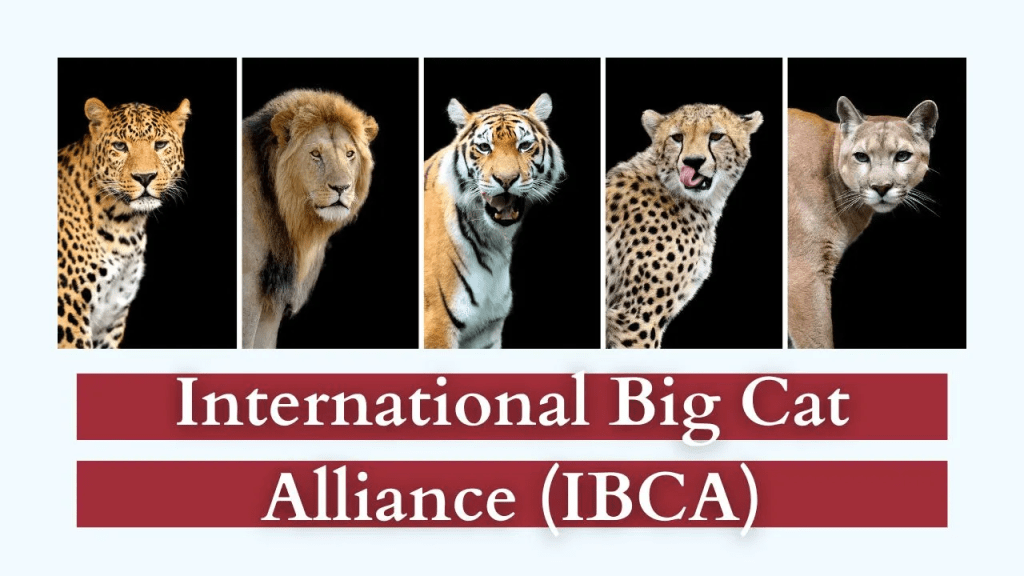
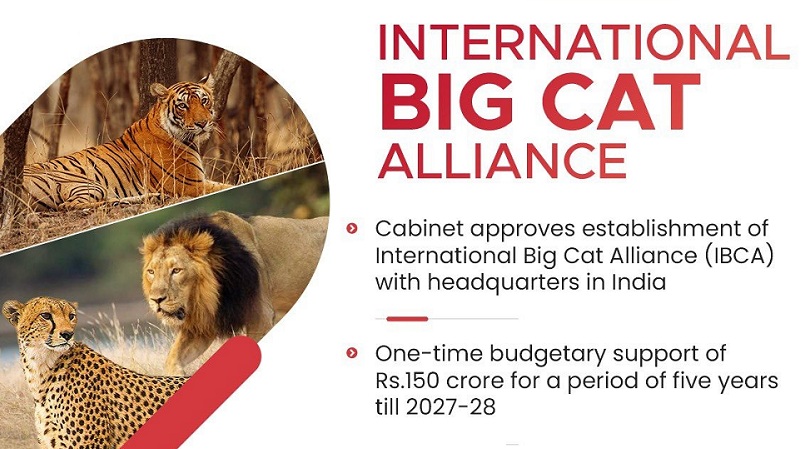
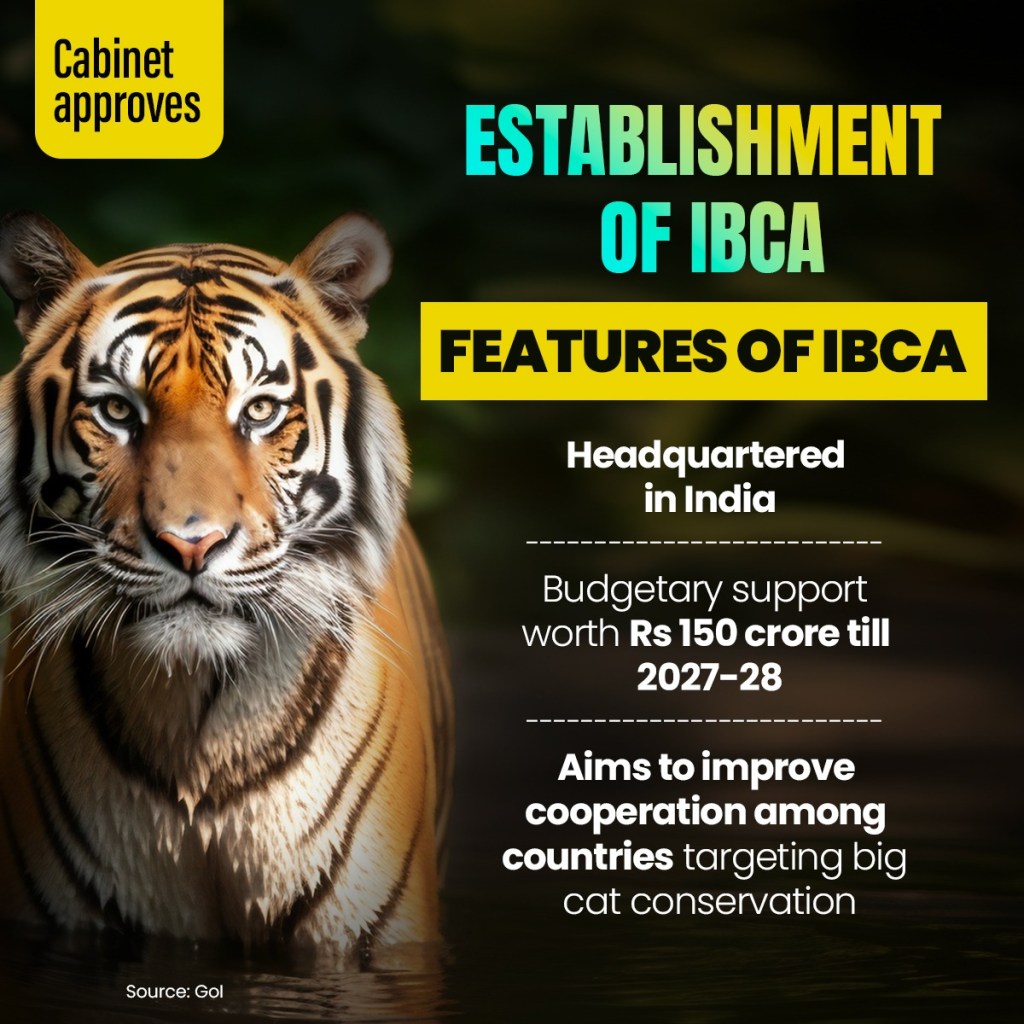
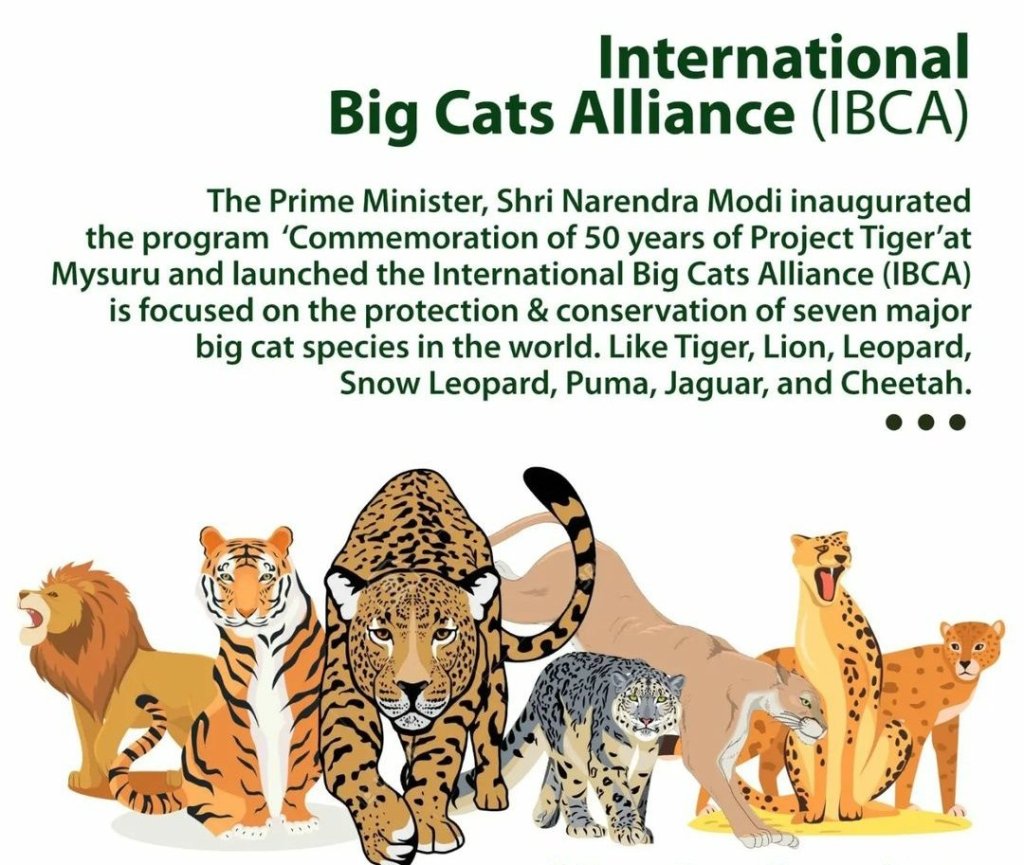
International Big Cat Alliance IBCA, India

India is home to world’s largest number of tigers, Asiatic lions, leopards, snow leopards and cheetahs (revived-sourced from Africa). India is also the only country in the world to be the home to all the thee big cats viz., the lion, the tiger and the cheetah. A total of 15 big cats call India their home including the elusive lynx found in POK, Sikkim etc. Indian cabinet approved the establishment of IBCA to be headquartered in India. Along with the jaguars and pumas, a total of seven big cats that are endangered species will be protected by the alliance that will focus on playing effective role in preventing the big cats family from going to extinction.

https://indianexpress.com/article/india/cabinet-announces-international-big-cat-alliance-9189173

https://timesofindia.indiatimes.com/india/16-nations-and-9-international-organisations-join-india-led-big-cat-alliance/articleshow/108139059.cms

Posted in food as therapy..., Welcome to my blog!

what do we eat in India.

Before going to whole grains, I am making a list of veggies we consume around the year. Our Hindu meals include atleast three to four veggies or more every single day. Everything fresh from market or grocery stores.

Onion, tomato, ginger, garlic, green chili. Shallots or the baby onions are southern special

Carrots, beetroots

Cabbage, cauliflower and now even broccoli (for soups)

Okra (ladies finger), Brinjal all colours, drumsticks (not the chicken drumstick; this one grows on trees) (the poorman’s viagra)

Cucumber, radish, turnip

Capsicum or bell pepper all colours especially green

Potato, yam, sweet potato, colacasia

Broad beans, cluster beans

Fresh green peas, double beans, butter beans, soya beans – no need for soaking if you live in India. They come fresh round the year

Raw banana, banana flower, banana stems,

Rajma (red kidney bean), Channa (chick pea both brown and white)(these have to be soaked) though Rajma also comes fresh with no need to soak overnight

Corn, babycorn, mushrooms, soya chunks, lemons, gooseberries

Panneer the cottage cheese and tofu

Coconut, raw mango, jack fruit seed

Black gram, bengal gram etc.

Bitter gourd, snake guard, ash gourd, bottle gourd, ridge gourd, yellow pumpkins, chayote. Bitter gourd is good for diabetes control. Must in our food.

Greens: methi (fenugreek) leaves, mustard leaves, amaranth both red and green, drumstick leaves, spinach, mint, coriander, curry leaves, etc., just to sample. Keezhaanelli leaves are natural cure for jaundice but America patented it as we never claimed it as ours.

I shall add more as and when I recall. All these we eat atleast once in 20 days. That is how rich and sumptuous a Hindu meal/food can be.

Seasoning used in every day cooking : mustard seeds, cumin seeds, fenugreek seeds, black peppercorn, fennel seeds, dried fenugreek leaves, dry red chili, bay leaf, cinnamon, cardamom, cloves, asafoetida, etc.

Other natural seasonings/taste enhancers: tamarind, turmeric powder (for colouring and for its antiseptic qualities) (there is NO Indian cuisine without the turmeric)

For protein for vegetarians: all kinds of lentils and pulses.

Whole grains and others: broken wheat, wheat, brown rice, white rice, original Basmati rice, red rice, broken rice, atta 0r the whole wheat flour, rice flour

Millets: this is the native food of India. Finger millets, pearl millet, jowar, bajra etc., are making a come back in Indian cuisine.

Oils of India: groundnut oil, coconut oil, mustard oil, sesame oil . Sunflower oil is very much affordable. Palm oil is for the nation’s poorest being our bulk import from Malaysia.

Coffee and tea are alien to us but they have such a profound presence in India.

So this is how we raise our children in India.

Fruits native to India are mangoes, jack fruit, banana among others. Seetha pazham, vilaam pazham – I don’t know the English names. Have to google. These are found to have cancer fighting properties. Elantham pazham. Apple and oranges are believed to be imported but they might also have been growing in the higher altitudes of India like in the Himalayas and the Nilgiris that the plains people remained unaware of for centuries.

The stunning variety of the veggies we Hindus could be a reason for our global success in most of our opinion. Our breakfast Idlis which are pancakes from urad dal and rice get made from fermented batter that are natural probiotics. No Indian meal is complete without the intake of curd (Indian yoghurt). Similarly we use ghee or the clarified butter in daily food.

Hindu vegetarians lose no nutrition because of their picky food habits. My greatest regret is my son losing on the kind of vegetables and greens I used to cook for him after migrating from India.

I may be vegetarian from birth, but I learnt to cook meat for my family. WE always got fresh chicken and fish, never the frozen ones. My family loved king fish and hover’s carp. Staples for my son every week. Indian mutton too is rated highly over Australian mutton. Twice a week minced meat or mutton or chicken with a fish was in my son’s menu. On rare occasions father and son cooked for themselves sea crab. Fresh sea prawns also featured in the monthly diet list. I always rotated the menu and saw to that nothing was left out from our table. Eggs of course was like a pickle. Constant presence. Even so I would try to order country eggs. Instead of broiler chicken, I went for country chicken. We attached great importance to organic nature of food and nutritional quality. Frozen food except for panneer or the cottage cheese, was 100% ruled out. NO AERATED DRINKS AT HOME. If Indian cuisine is No.1 success story around the world, the reason could be the infusion of so many vegetables and greens in our food.

Sadly sometimes, our superduper food gets branded as curry by those who prefer the KFC nonsense and bland and stale and unimaginative food. This is the fate of anything too good to believe in this world. The kind of food we serve everyday in our family can be billed easily at 500$ in the US for instance. I know what I am eating.

After a gap I returned to Doha to join my husband. Our lunch yesterday was cabbage koottu – a stew made with cooked lentils 2 types. I added coconut milk to it ground with green chili and soaked jeera or coriander seeds along with a slice of ginger. I garnished the stew with madras sambar powder made of red chili-coriander seed-black peppercorn powder. I sauteed some mustard seeds, cumin seeds with split red chili, added asafoetida a bit freshly ground, curry leaves in a tablespoon of heated coconut oil. I added this to the stew bringing to a boil. Seasoned with freshly cut coriander leaves. For curry I made a roast of double beans shelled fresh, roasted with tomato, garlic, onion. Sauteed with mustard seeds with cumin seeds in heated groundnut oil. Seasoning was with curry leaves, coriander leaves. The beans got the spice from madras curry powder – a mix of dry red chili, coriander seeds and black peppercorn roasted and ground. For crispies I deepfried some dried tapioca pearl chips that are sold by homemakers. I got some packets from India. A simple rasam, a juice of tamarind and tomato with black peppercorn powder and curd completed our homemeal. This is normal Indian cooking. I did nothing special. In fact, my cooking yesterday was minimal and very simple. I cooked brown rice to go with it. Breakfast was millet stringhoppers sold by some Indian shops. Its best for sugar control. We watch very much what we eat. If you don’t want gluten, then you may as well go to sleep on empty stomach.

Hindu food is rich in content. EXcepting for meat, Hindu food is mostly SATWIK. Satwik food is the reason for the Hindu temperament.

I am blessed to be born a Hindu, blessed to be a vegetarian from birth and blessed to live in the great ancient nation Bharat/India. Hindu culture is the one and only unbroken and continuous civilization in the world for over 10,000 years now.

I see so many addicts to Indian range of cuisine around the world. If Indian food is priced exorbitant in foreign countries, it is for this reason: its exotic and the ingredients have medicinal values. ‘Food as therapy’ as we Hindus call it. Chewing betel leaves with areca nuts was custom to enable our ancestors get their continuous supply of calcium when they were vegetarians.

Years of living in foreign countries got my eyes opened to what really is quality of life: whether it is something to do with highways and malls and casinos and brands. Or something holistic , no way materialistic but that which leaves you with profound contentment. Where others see heat and dust, I see what really matters in life.

Posted in Science Engineering Technology

Project Gaganyaan.

ISRO showcased the four Bharatiya astronauts who will be part of India’s Gaganyaan in near future.

Remember India has lost over 2500 scientists and researchers who chose to live and work in the country rather than migrate to America, in the last six to seven decades. They met with mysterious deaths. If we succeed as a nation despite these sabotages, it is a marvel.

Its premature to delve into the subject at this stage. Let us catch up when things heat up. Winding up the post with best wishes to the four astronauts. Jai Hind!

Posted in Environment

Vantara: the great India give back to Mother Earth.

As a wildlife enthusiast and an elephant lover, I can’t put into words what the idea of Vantara means to those like me. To anyone who hits upon my blog by chance, I have this request: please go through my write-ups on environment. I have a lot of points for your consideration. I also take this opportunity to thank India’s greatest wildlife photographers who are rendering a yeoman service, some of who I am following on social media. Apart from following the Nature Conservation Foundation (NCF) which aids research projects, I am also keeping tabs on those like Bird Count India, Season Watch and Tree Walk. My contribution is merely my interest and spreading the message. I try to raise awareness and thanks to me, many have become aware of the plight of the temple elephants.

https://vijiravindran.com/category/environment

Meanwhile Vantara is like dream come true. To me, it is the great India give back to Mother Earth for the toll we take on Her with our environmental degradation and mindless pollution denting the o zone layer. The nonprofit initiative as announced by Anant Ambani of the Reliance group, Vantara, is a wildlife rescue and rehab center which already houses myriad species of rescued wildlife from entertainment industry, abuse etc., for instance. The center will focus on research and wellbeing of rescued animals both domestic and wild in a safe haven of sanctuary spread over a 3000 acres in Gujarat, close to their oil refinery in Jam Nagar. State of art animal healthcare is on offer. Details are yet to emerge. First of all my hearty congratulations to the young man who has moved away from tradition venturing into something for the benefit of the soul. Can’t be exactly profit motivated, but cash registers must start ringing once the center is fully operational including the tourist zone and the wildlife institute. A project unprecedented in Indian history of this magnitude, Vantara is a small compensation still for the unlimited damage we are inflicting upon nature day in and day out. Not a Reliance person, NEVER SHOP AT RELIANCE RETAIL for groceries or clothing or whatever as a matter of principle. Never acquired a Reliance phone. For me Reliance always meant ‘unreliable.’ Their foray into the retail sector especially left me with distaste. So Vantara comes as a big surprise. The younger generation are far more responsible. I see a lot of youngsters say these days that they want to stay single and don’t want to become parents and add more burden by way of couple of more human beings to the planet earth.

At the same time, what if this is any preempting move by the Reliance who may have a hidden agenda for acquiring the protected forest areas of India for their ventures now that they are armed with the newly amended Forest conservation (amendment) Act , 2024. At best, it could be an afforestation plan ahead in schedule, of a conserved land acquisition. Me, forever the skeptic! Sick of politics and the wary me would never put total trust on politicians and business men. Both these people have no scruples. They will sell their soul without batting their eyelids. They are No.1 manipulators and every single move of theirs has to have a motive. Only time can prove who really is this Anant Ambani.

So with the zoological park set to open soon, you can expect ticketing; or is it free for visitors Mr. Anant Ambani? Soon you can have game lodges for VVIPs, the Kenyan style. Exotic holiday for India’s elite and rich is in the making where elephants can walk in to the resort in search of water. Yet as the wildlife are treated on rescue in nature’s setting, for the moment let us go with the young tycoon.

As far as rehab of wildlife is concerned, and especially when it comes to the elephants, all you may need can be experienced mahouts with a little tech knowhow. The traditional methods of conservation of wildlife were what that have preserved our forest wealth for centuries. The 2022 Oscar winner ‘The elephant whisperers’ shot in the Nilgiris is about the rehabilitation of orphaned young elephant calves. India’s tribes are seasoned when it comes to sharing spaces with wildlife. No ultra modern laboratory in the world can replace our traditional nature conservationists. So why the needless sophistication. Our expertise must be honing our own inherited strengths and pluses. If you put your faith in India’s wise, you will be able to take better care of our wildlife. Remember Yoga, Meditation and Ayurveda have not international.

https://www.newindianexpress.com/states/karnataka/2024/Feb/27/wildlife-conservationist-km-chinnappa-who-revived-nagarhole-dies-at-84

A lot can be done without it all being a pompous and mega show. Anant Ambani can also refer to NCF and try sponsoring their projects. This is what conservation is all about. It takes much more than the grandeur; it takes real physical efforts to be monitoring wildlife 24 hours, compiling data and matching, and following up with conservation methods with locals in an effort to protect the endangered species. This is not to undermine Ambani’s efforts to bring in a change in our landscape. But India has dedicated wildlife conservationists doing a stupendous job without making waves about it for decades. It will be worth it even if you stop the likes of Salman Khan and Saif Ali Khan from poaching our blue bucks.

Posted in Food For Soul

Fragile faith.

If you have to feel insecure if your god is done as caricature or objectified, then your faith is that shaky! My heart goes out to the Pakistan woman who wore an Arabic print kurta and got mobbed. The print was mistaken for Quranic verses. Ultimately a female cop rescued her and took her to safety. These Pakistani fools must know that calligraphy is a wonderful art and finds massive expression in the arab muslim world where performing arts, especially for women, get discouraged. Visual art therefore acquires a significant prominence and has assumed multi dimensions. So calligraphy is a very popular art form in the middle east. As a resident of west Asia for over 15 years now, I have come to love this extremely exquisite work or art which is kind of expression like none other. Many calligraphy works I could get to see were from war torn nations. Although I could not pick up the language, I could get the intensity. Knowing the language could have helped because I am told they are sometimes sarcastic expressions, sometime hopeless words, sometime optimistic opinion. Where expression of any other form is negated, the artistes make use of this unique form of art to give vent to their pent up emotions. The original and authentic muslims, the arabs, are keeping quiet. Its the converted Pakistani muslims with a severe inferiority complex and NO IDENTITY to call their own, who are barking at the mountain. And no other language or script is more suited or a natural when it comes to calligraphy as the Arabic. I have also had exposure to Tamil calligraphy and Hindi calligraphy but our alphabets are complicated and not all scrawls and dots and lines like the middle eastern language. Well, Tamil alphabets to me look like jelebis 😀 (I mean from the calligraphy point of view!)

What a shame!

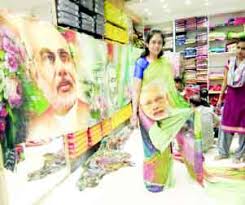
I do have Buddha print saris and kurtis and even Krishna print saris! I love wearing Hindu gods on me! I have my Shakthi in a dupatta that I love draping around me. Why we even have Modi saris in India! Wrap your prime minister around you hahaha!

https://m.rediff.com/getahead/report/glamour-will-you-wear-a-pm-modi-sari/20190226.htm

Popular images of Hindu gods that get printed in clothes and bags include Ganesh, Krishna and Mother Goddess Lakshmi/Saraswathi/Parvathi. Of course when I wear them, I am reverential and don’t take them lightly. Mostly I wear them to temples. Buddha is casual wear! Madhubani and Kalamkari handblock prints are especially devoted to creating Hindu deities on our garments that we relish with delight! Hindu gods are around us everywhere! On cars, on carpets, on grocery bags, on calendars… So far only Harpic and Stayfree are left out! But then we have our Christian evangelists selling Jesus door to door like Harpic and Whisper so probably Hindu gods are exempt from marketing of sanitary napkins and toilet wash! That is entirely the department of Christ!

Of course a friend told me about a woman from Chennai who was stranded in Colombo airport in Sri Lanka for wearing a Buddha kurta. Official religion of the island nation is Buddhism. This woman was not even traveling to Lanka. She was merely switching flights in Colombo to fly back to Chennai when she was picked up for questioning, with her phone whisked. She had no idea what was happening until someone in the airport told her it was all about her clothes. Someone influential from India transiting the airport intervened and the woman was allowed to fly with a warning. But it is atrocious that an Indian citizen must be stopped for wearing what she pleases while transiting an airport. Now we understand that the Sinhalese are so envious that they want to pick up some trouble or other with Indian citizens. But this highlighted to me the importance of safe travels in foreign countries. Wear neutral clothes that won’t garner attention.

What is blasphemy really. If an image, a caricature, a verse can turn the masses bloody violent, it means their faith is on very shaky grounds that it needs to be strictly controlled with fear factor. There is absolutely no free will here. No logic. A day may dawn when the frivolous strappings will have to give away finally. One day, the cartoon will arrive. One day the jokes will be made. One day images will come out. One day a film will be made. Remember, it shall take only one single brave move to open the floodgate. Then there won’t be a stopping at all the avalanche that has to follow! What shall happen then to your faith? Hindu Dharma is not here for over a 10000 years as the one and only UNBROKEN and continuous civilization in the world, without going through these tamashas for centuries. Nothing ever rattled us. My Sanatana is not as fragile as the middle eastern cults and my gods don’t become what others deem them to be or portray them to be. My faith is UNSHAKEN. I AND A BILLION HINDUS BELIEVE IN IDOL WORSHIP. Nothing you write about us or draw about our gods can ever have an adverse impact on our solid belief in our faith. Call us idolators, fine. Call us pagans fine. WEar the Ganesha chappal and have a Krishna toilet seat, fine. All that shall not make Ganesha and Krishna what they are NOT. I also understood why the Americans make a doormat of Ma Kali and pillow cases of Ganesha. They do the same with their national flags as well. Their approach to faith is entirely different. Their perspective on religion is COOL! I have come to appreciate and love that kind of zest in people.

How can someone be intimidated the way this Pakistan woman was for whatever she was wearing. The stupid fools who almost threatened her life in fact had had not a clue! Looks like the kurta was made in Saudi! What a joke! The woman should not have apologized. When you surrender for no fault of yours, you make them worse. You are succumbing to idiots and sycophants. Even the cops justifying and clarifying that the verses were not from the holy book sounded sickening to my ears.

Posted in Political

Qatar India bonhomie.

Extremely relieved after the release of the eight Indian navy personnel from Qatar prison. I don’t want to go into the politics. I know my prime minister Shri Narendra Modi ji can move mountains, if he has to. Plus, India has enjoyed such a warm and trustworthy partnership/friendship with all the middle eastern nations so far. This one-off incident was like a thorn in the flesh that finally got removed. Strangely it is during the times of the Hindu nationalist party BJP that friendship and business deals with the OPEC nations got consolidated for India! UAE recently invited dignitaries from 42 nations to the first magnificent Hindu temple coming up in Abu Dhabi. The personal rapport shared by our prime minister with the world leaders and also with the support of Shri Ajit Doval and external affairs minister Shri Jaishankar, India shares excellent diplomatic relations with countries around the world. Resident of Qatar for over 15 years now. Its home away from home for us where we feel secure, wanted, respected and celebrated. Indians are prized possessions. Assets for gulf countries. Sheikhs are aware that without the Indian labour/engineers/medicos/teachers and schools and art and craft, their economies can come to a grand standstill. Most expats also spend a good percentage of the dirhams or riyals right in the host countries. Qatar changed my perceptions on Islam frankly. I respect their muted and understated success story. They are never splashy. There is a lot to learn from Qatar. I liked the way they handled the tensions with Saudi taking all the beating until things normalized. Small almost island country but with very sensible leadership with a vision of great future. Qatar helped us and millions lift up our standard of living. India for her part will always be a quiet but strong and dependable companion. I again admire the diplomatic tightrope that Modi government walked when things were not going right for Qatar and Saudi/Kuwait/UAE. India never antagonized the Saudi block but also was there for Qatar at the same time. Both nations are equally important to me. May god bless both countries! God bless UAE for giving Hindu expats our temples. UAE ensured that Shiva and Raam will always be there for them from here on.