The raging debate in the US right now is on women’s rights on abortion. Its a very sensitive issue there where teenage pregnancies are not rare. And equally common are broken families, adoption, foster homes. The legislation expected could have political, social, economic ramifications. I never expected any nation to be so much alive and politically-socially conscious as the US, although I have been increasingly aware how mature and literate the American population generally is. And I am also surprised how the country is divided on opinion. Well balanced. I guess America has come of age. I respect the way they dissect a bill before it becomes a legal statute. The pro-life – pro-choice arguments are heated, and for reasons justifiable. How the population engages in healthy discussions and presents counter arguments is interesting. There are campaigns, rallies educating masses and gathering support. Before the motion is brought to the floor of the house, the finer aspects are contemplated and analyzed logically in great detail leaving no room for misgivings. Witnessing the democratic way the entire construct is executed building momentum showed me how every voter’s or citizen’s right counts in democracy. I wish India is as mature, and not just the world’s largest democracy. We have to move things from grassroots level and our masses need to be well informed and opinionated. In coming months we shall come to know what will be the law of the land, but as of now the pros and cons are doing the rounds in the States.
I may be an outsider, but my family is American so it concerns me as much. I was not vocal on the matter during my recent visit to the US because, women there are extremely sensitive when it comes to women’s rights and issues especially when it comes to something as personal as women’s body. Precisely this is why I am Pro-Choice.
As a grandmother, as a mother, there is a lot I have seen in my life than the younger women of today who are raising banners for Pro-Life. They in all probability have no clue what they are talking about. How many of these women in twenties or thirties or still in teens will have the patience or mental strength to raise a spastic child or a Down’s syndrome baby whose birth could have been prevented. Leave alone the medical bills to foot. India has such Draconian laws that do not allow women to go in for Medical Termination of Pregnancy (MTP) when the foetus is twenty weeks. I have known a case when the ultrasound scan and other medical test reports showed anomalies in the second semester when the pregnant mother was forced to carry on with her term against her wishes, expecting the birth of an abnormal child. The couple have been raising a boy physically and mentally handicapped since his birth and now he is eight years strapped to his baby cot, fed through tubes. How many women who shout slogans arguing for pro-life will have the devotion, courage, financial backbone and/or strong heart and mind to go through what these young parents are undergoing. Their happy life as they knew it long since vanished with one scan report years back. A simple MTP could have done everyone good. Only, the detection came a couple of weeks later. Laws that are outdated need repealing. In this scenario, I do wonder how mature societies like the US can actually go on and frame constricting laws that can do more damage than bring in welfare to the society.
The religious perspective adds fuel to the fire as we can see. The Catholic church is not for termination of pregnancies.
What about teen pregnancies. Illegal pregnancies appear to be rampant in the US in underage women which can be constituted as ‘rape’ (as in any other country). How can any legal statute try to legitimize the birth of a baby born out of such unholy nexus. How can any law enforcement agency reserve the right to deny these victims their fundamental right to abort what they do not want or deserve. How many babies are abandoned in the trash can every year? How many end up in foster care? Is this what the state wants for our unfortunate unborn children and their poor unlucky mothers.
It is not just the US, it is high time even India revisits the law governing MTPs. If abortions cannot happen for valid medical reasons on completion of twenty weeks of pregnancy, then the screenings for anomalies at any stage is pointless. Quality of life is worth considering than quantity of life. These were media reports stating that government was considering allowing legal abortions until 24 weeks although there is no update on the issue. There is always misuse in some quarters but this is a small collateral considering the larger benefit on anvil. Govt of India can weigh allowing MTP upto 24 weeks consulting a medical bench when the mother’s life may not be endangered. Asking for sex of the foetus is illegal in India punishable with a sentence. This is to prevent gender-based crimes in the garb of MTPs. It seems to be serving the purpose.
Gaslighting is emotional abuse when you are constantly put down and made to believe you are worth just that, below what you are really as a person, as an individual. This is underplaying your credibility, undervaluing you, undoing you. Gaslighting has the potential to scar you and leave you with permanent marks: if you allow it. Greyrocking is an effective method to deal with gaslighting. To whichever good samaritan who underscored this immense strength we are capable of, I would remain forever grateful. This way you stop yourself from responding to provoking situations that try to negate your character. Some of us may find ourselves gaslighted even by family members. There are two ways we can get back at those who try to undermine us and pin the blame on to us: by knee jerk reactions typical to some of the sensitive among us, and/or going quiet. The second option is not easy for empaths who are known for their outspokenness. You go verbal that comes to you naturally. You lay your cards open. Pretty transparent. The manipulators and narcissists’ best kept secret is keeping mum which helps them control situations. This kind keep their cards close to their chest never revealing what they have to play. It is up to the empaths to develop this kind of silent arsenal that can take on the gaslighters. The terms are new to me but I am increasingly identifying circumstances in my society where these neatly fit. Greyrocking is a slow working tool which can imply that you couldn’t care less. But it is bound to leave an impact in the long.
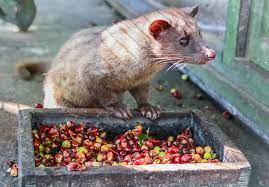
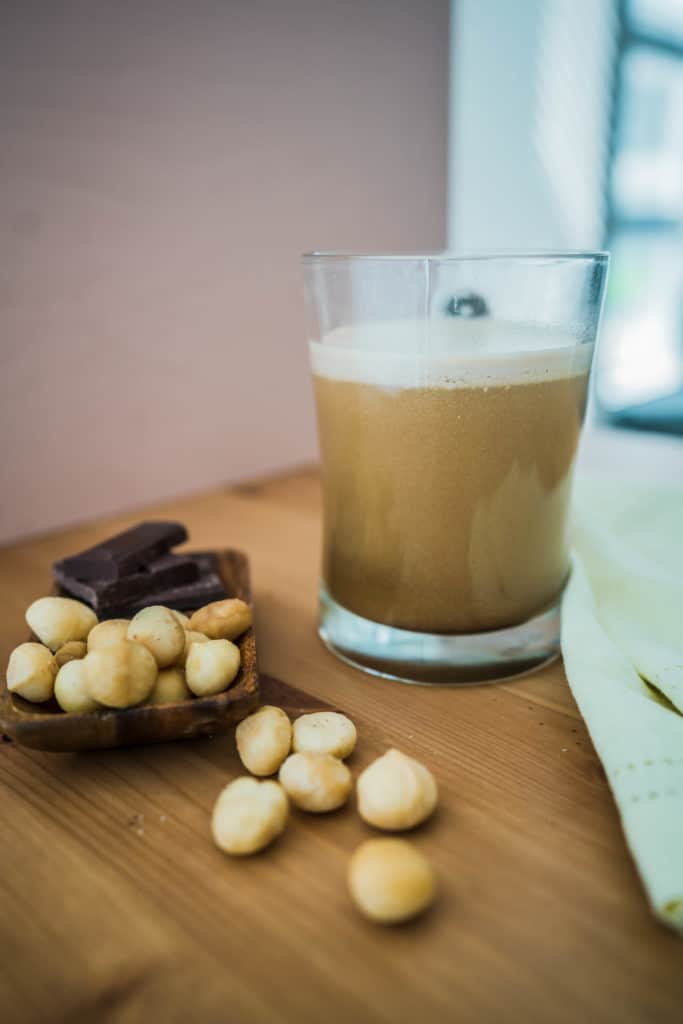
To those of us bred on steaming hot south Indian filter coffee, even Starbucks sucks. Cannot palate their latte. The turmeric latte, the pumpkin spice (cold), chai latte, mocha everything is bland to us. (I have been to Starbucks in the US but never in India. Its Coffee Day for us in Chennai). But I found a scintillating coffee in a truck shop when we drove down the Rainiers: it was hot Hazelnut coffee at its best. Of course we can never have anything filter coffee-hot other than in Tamil Nadu, still this by far is the best given the chilly mountain air (and as Seattle is the Swiss of the States). I have tried hazelnut coffee brewed with the Middle east/Arab coffee. Arabs always have either cardamom or hazelnut in their coffee. So I take care not to buy either by mistake because it makes for lousy Indian filter coffee. Flavoured, but strange. Somehow I guess the mix is not perfect. But then theirs (Arabs) is just coffee, black coffee or karak coffee (like the karak chai they have) not milky like our Indian filter coffee. (By the way the word ‘chai’ from India is now international. it means kind of tea latte). Arab coffee in general I love, that I brew at home in Doha and buy for family back in Chennai. Its not Indian by origin, meaning it is not from Coorg or anywhere in India. Its mostly from Lebanon or Turkey. I alternate Arab coffee with coffee from Marks & Spencer that sell best grade 5 (darkest, strongest) Peruvian/Brazilian/Columbian. All these brews are minus chicory – a point to note. I never add chicory to my coffee like fellow Madarasis which means, I have to scoop more coffee for thick decoction. I brew my coffee decoction the traditional south Indian way (meaning no electric coffee maker but copper or stainless steel manual filter coffee maker which takes time to brew). Cannot do without my first cup of filter coffee in the morning. Its my fuel. So I end up spending more on coffee than others as I brew the purest coffee/coffee blend without additives to acquire the desired consistency and strength. During my Malaysian residence over exactly a quarter century before, weak Indonesian coffee was also something I got used to – having no alternative. It would be mild and did its job, no complaints. In Bali, got to taste the best varieties of coffee a couple of years back but then again, it was all so much Indian-like except perhaps for Kopi Luwak! And nooo! I did not sample it! In India i go for a brew of Plantation A and Pea Berry mixed in ratio 1:1. I see to that the coffee beans are roasted in my presence and packed. Coffee has to be that fresh for me, yet from experience I know, Indian coffee is so-so, passable, but has super rivals. So, my vote is for Arab coffee any day. It has a curious tangy twist (like some metalic twinge!) unlike Indian coffee – or may be familiarity breeds contempt for Indian coffee in my case! Arab coffee is an acquired taste and once you develop it, very difficult to dislodge! In the US, of course, I try the Brazilian-Columbian that is staple kind of. Recently was introduced to Mercury that is chain in Washington State and Virginia. Macadamia nut Mocha without cream was recommended to me by family. Had it hot hot! Omg, by far the best coffee I have had in my life I guess! Just wanna go back for my second mug! For all coffee lovers like me, I recommend the greatest coffee variant to my knowledge, the macadamia nut mocha without cream, which I am sure is not yet at Starbucks. My limited foreign travels have allowed me to sample coffee from different parts of the world. I do love the chocolate creamy, frothy, cold coffee etc., and the fruity flavours like strawberry and raspberry, or nutty like the soy, and even a dash of wine or whiskey with the coffee hahaha if that’s fine (!), but I do wish that it is the coffee flavour that comes out strongest and not the variations. Because if you suppress the coffee with superlatives, then what is the point in having coffee. You can as well have ice creams! Exactly this is why I just cannot get the Decaff. My personal preference is always hazelnut or vanilla and never anything over that, but my latest craze is the macadamia nut mocha not yet available in India.
cat poop coffee from Indonesia: kopi luwakmacadamia nut coffee
Cheers!
*******************
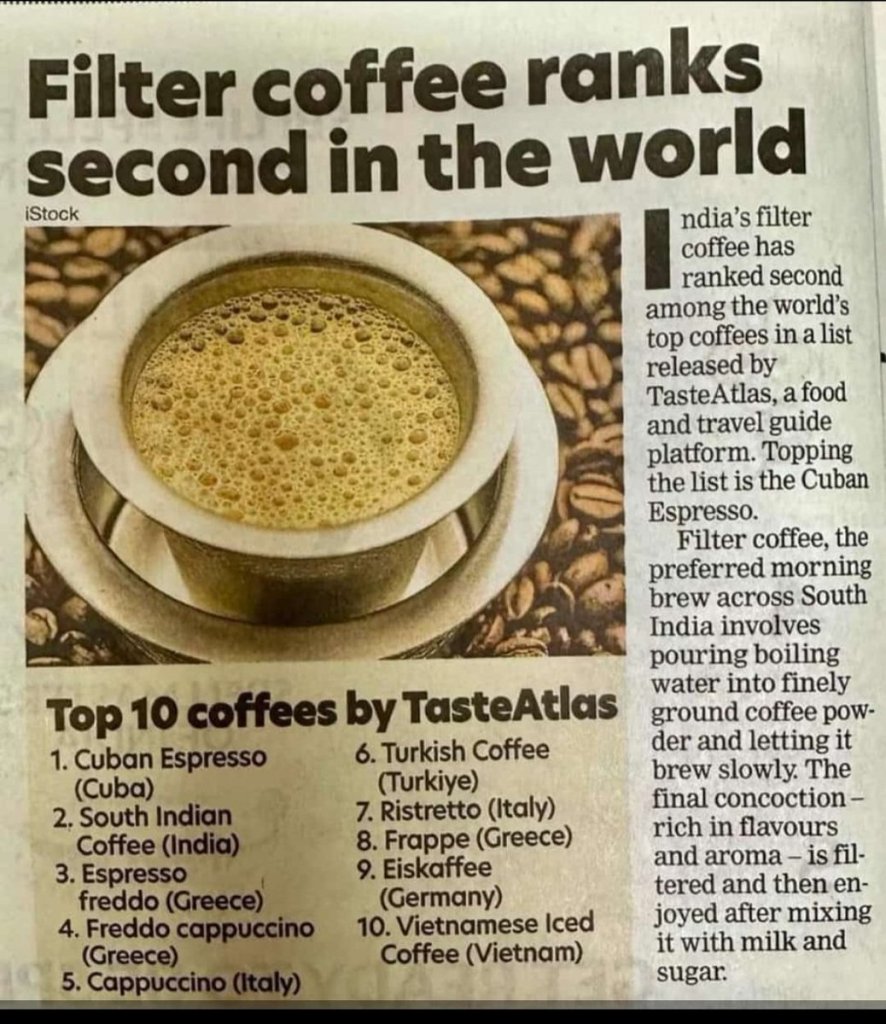
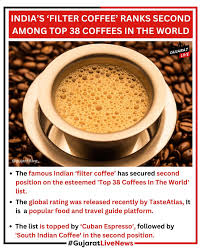
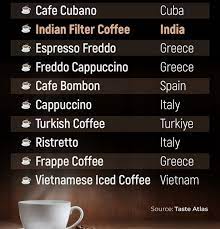
Well, my traditional South Indian Filter Coffee ranked the second best in the world now! My milky coffee brew south Indian style (filter coffee) won me admirers during our residence in Malaysia. Even though I knew we savoured one of the best homegrown coffees in the world early morning, this recognition still comes as a sweet surprise. Most things about India are like this. Precious and unknown. How quietly the Indian coffee (home grown coffee) beat the competitors to become world no.2 is amazing.
I have always had this doubt regarding vitamin D which is best absorbed by human body from direct sunlight. Many of us however miss it. Even those of us who have scope for sun exposure sadly dab the SPF(Sun Protection Factor) creams of various strengths ranging from 15-20 to 60-70 (in case of those who have to be under direct sun for hours in tropical climate). Since I am a home bird, I have never had much of use for the SPF sunscreens. Also I am out of touch with the cosmetic world. I go for a few known brands whose produce are not tested on animals. Plus I am missing out the beauty routine as I am not the salon person. All these put me in fix and I have no idea on anything when it comes to grooming. My friend’s young daughter of 22 recently advised me that, even at home I need the SPF protection as I am exposed to ultraviolet rays from my desktop/laptop and mobile phones. Also I spend hours close to my window. Although there is no direct sunlight filtering in, she said I may still be exposed to the uv rays that infiltrate the atmospheres. I wondered whether vitamin D from sunlight is better and healthy choice, or the protection of our skin from ageing because of uv rays of the sun is! As I am mostly based in middle east whether temperatures can hit 50 c easily in summers, I do make it a point to apply a coat of sunscreen whenever I go out. I leave it to my exposed arms to soak in the vitamin D, saving my face and neck from the job! However, whenever I have to wear full sleeves, I rue the fact that not a square inch of my skin is open to sunlight. After all, sun light is the best and natural source of vitamin D and it comes free! I wondered whether my exposed crown and scalp can absorb the vitamin D for me! Can nails and hair that are external growth without nerve endings absorb anything at all, even something as finer as the rays of the sun? I googled for information but there is no satisfactory answer. The search results all summarize that loss of vitamin D can lead to hair fall. Anyway, this is also news to me! But my question is different. I just want to know whether my scalp, my hairline or my crown may be capable of absorbing the vitamin D from sunlight. Thanks to some indoctrination on importance of sunscreens, nowadays i am habituated to moisturizing my face and neck with at least a weak SPF cream that I never used to until a couple of years back. In cold weathers, I have no option but to wear full sleeves. I wonder whether my scalp and hairline are doing some OT (overtime) work for me in the circumstances when it comes to vitamin D absorption! Just a thought lolz. I wouldn’t really bother about a tan. Bleaching which is staple with most women where I come from, is ruled out for me as I can’t stand the whitening treatment. So I have to balance my sun exposure and vitamin D soaks. Any day vitamin D wins hands down! Still if anyone can assure me that my scalp/hairline/crown can absorb vitamin D for me, I will feel free to lavish on SPF creams. I feel guilty for dabbing a blob from a tub of sunscreen everyday now. Am I denying myself the much needed super vitamin for after all some useless vanity. Honestly I couldn’t care less! We menopausal women have much use for vitamin D as we tend to lose our capacity to make more of this vitamin resulting in the onset of Osteoporosis. Yet, given the level of air pollution in India and the heat and the dust and the high temperatures of both India and Qatar that are sunny most part of the year, I would like to have both the protection of an SPF layer as well as my quota of vitamin D from direct sun whenever and wherever possible. If only I get credible evidence that our scalp and hairline and crown soak vitamin D, it will ease my conscience and I will feel less guilty going for the SPF. Where to find the answer to my curious questions. Nobody I have asked to, has provided me with satisfying solution. Nobody simply has any idea. I do have the habit of feeling my scalp whenever I am out in the sun with a veil of sunscreen on my face. Whenever I would feel the familiar warmth of the sun in my crown, I would wonder if that’s vitamin D that is seeping in right at the moment hahaha!!! Anyone ever wracks one’s brains to think the way I do?! All said, my friends are going for an annual course of Vitamin D therapy that is recommended to me. As most of us do not absorb sufficient vitamin D from direct sun, physicians are prescribing the 7 day vitamin D intake that I am planning to commence shortly. The procedure is to be repeated every year. Hopefully that will allow me to go easy on SPF sunscreens. A friend recently felt disoriented and the diagnosis was Vitamin D insufficiency. Ever since I am taking vitamin D much more seriously. In any case I do not go for more than SPF 25 that can last me for maximum of two to four hours after which I am open to sky when outdoors. I guess this is good material for research!
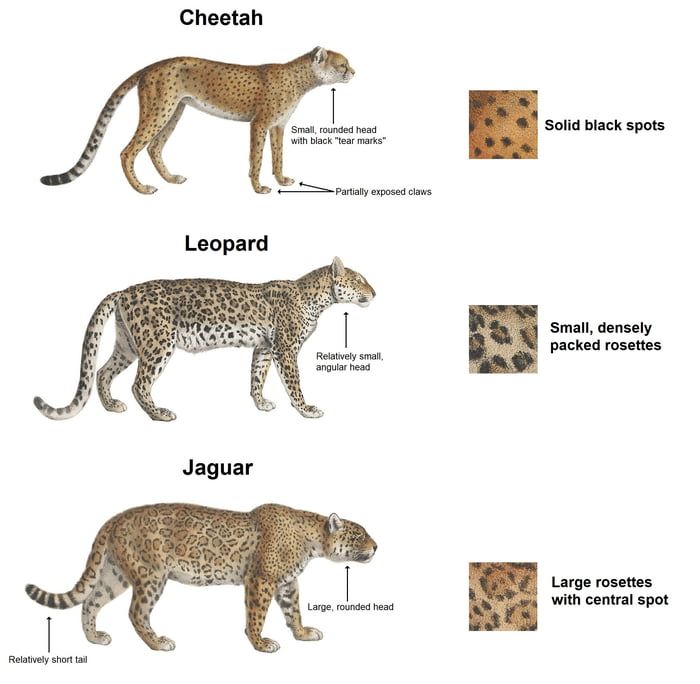
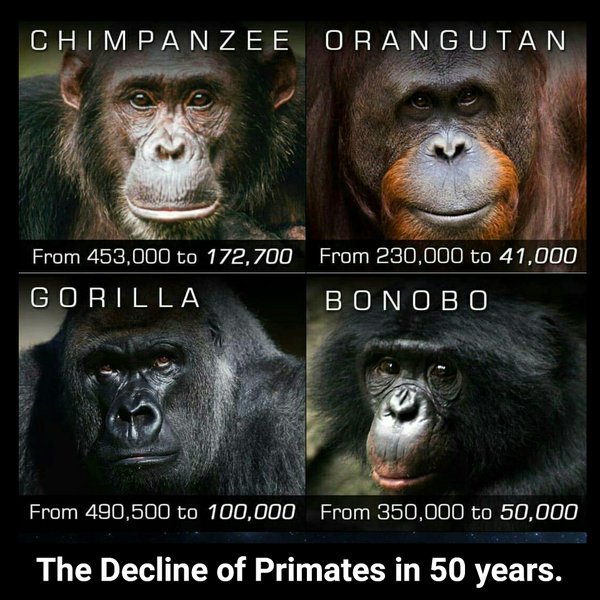
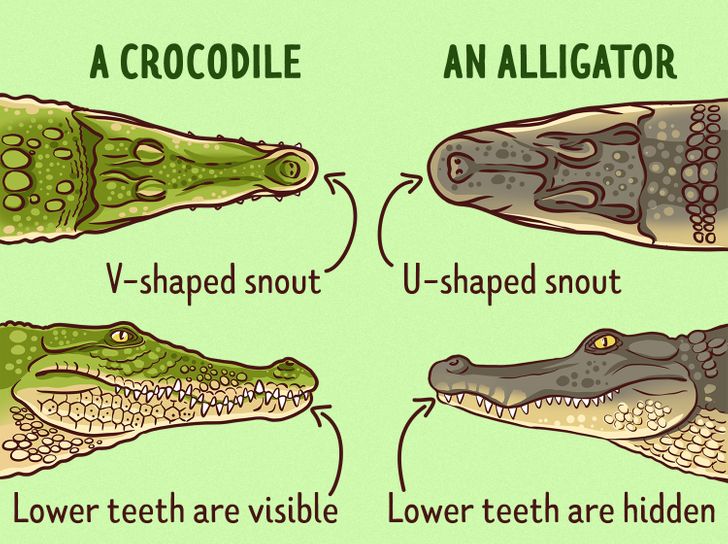
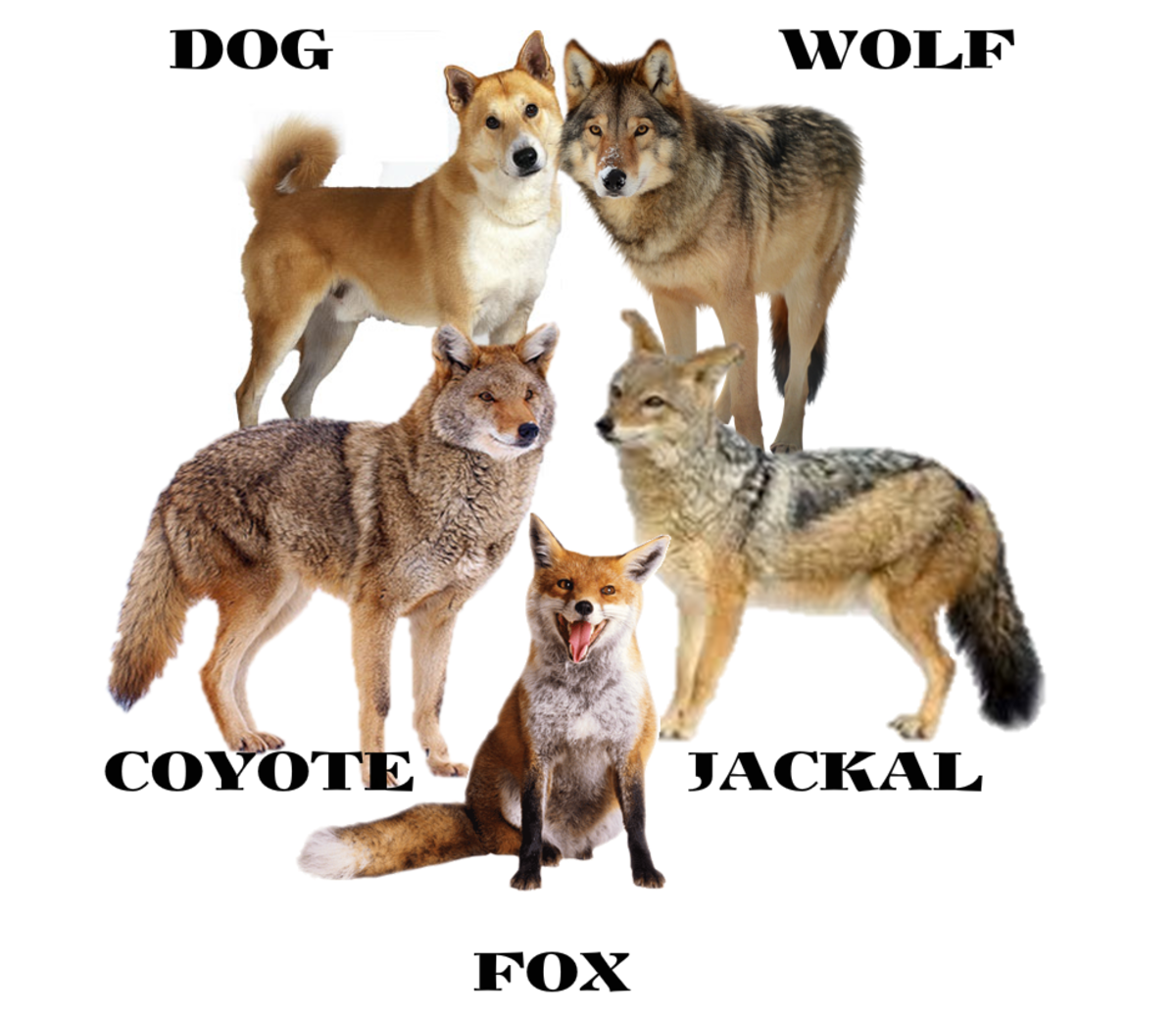
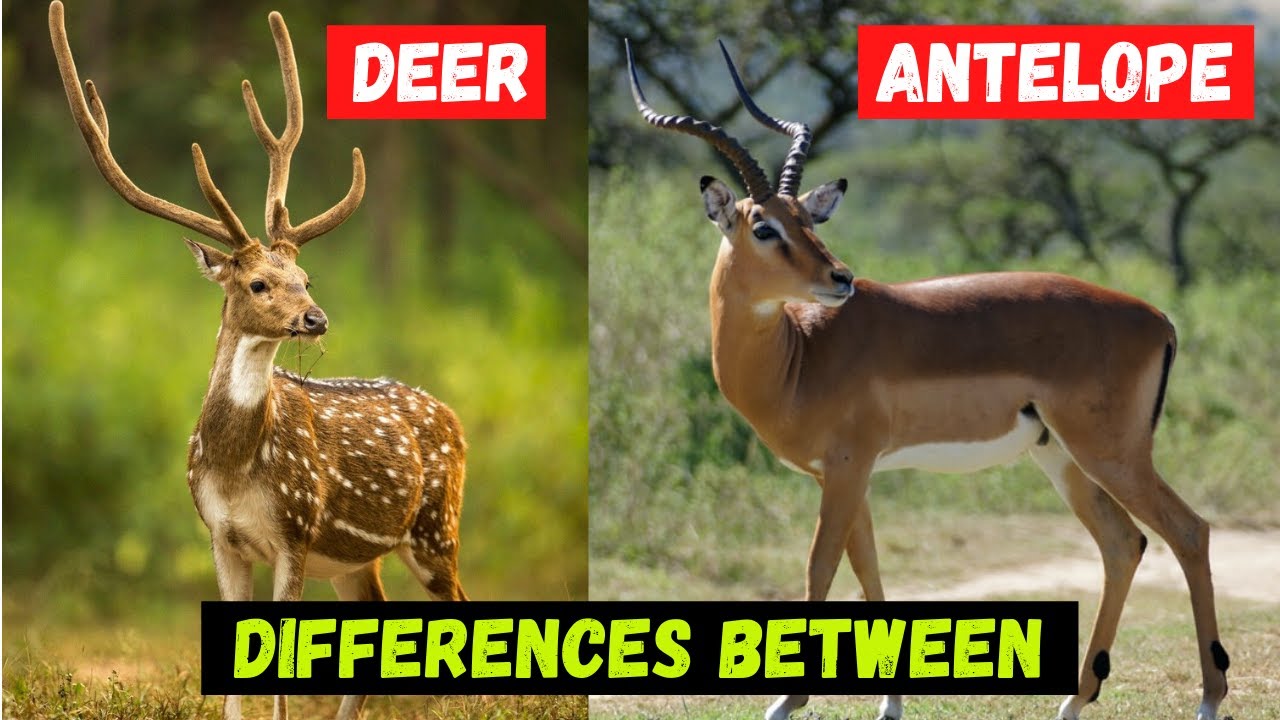
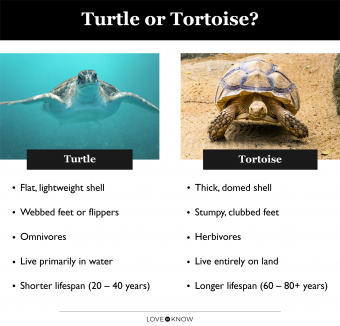
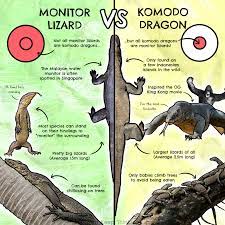
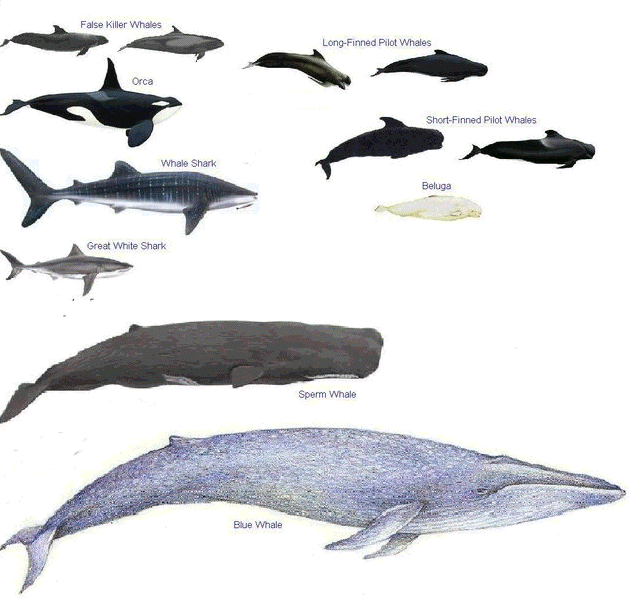
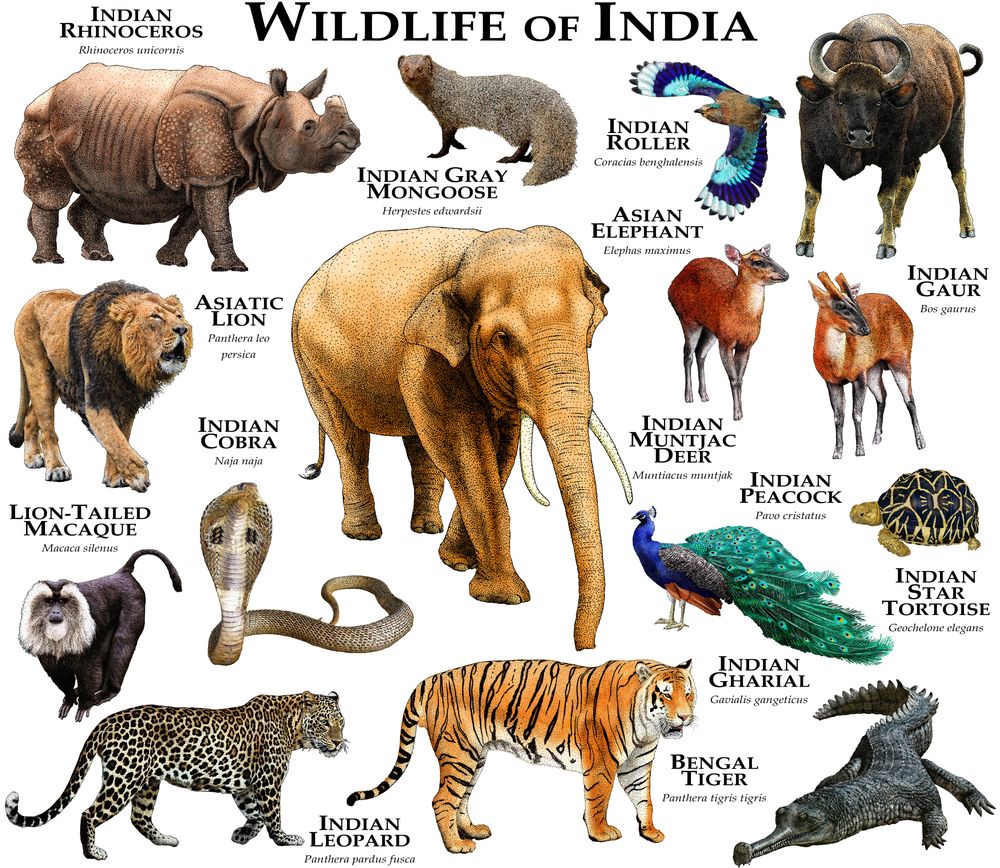
Does a leopard change his spots? Or was it the cheetah or jaguar or tiger. Leave alone the panther and puma, they are a different cat family altogether where they belong with the lion. For that matter how many of us know the crocodile from alligator or the gharial. Whale from shark and dolphin and porpoise. Comodo dragon from the monitor lizard. Ant eater and the tapir? By the way, I never expected tapir to be sooo huge, and another surprise was that its natural habitat is Malaysia (or south east Asia). Up close with the tapir in Seattle zoo for the first time ever 😀 How different are the deer, antelope and the gazelle? Eagle, vulture, kite, buzzard, falcon? Can you tell between the turtle and the tortoise. Wolves and foxes? And oh, the (siberian) husky I believe is the closest domesticated living relative to the wolf. What about the gorilla, chimpanzee and orangutans. The monkey family trees are way too many. Similar are the rodents. Birds are myriad and the sky is the limit for the avian genre. Bewitched by the African pigeon that was fowl size! The animal world is truly fascinating. Even giraffe has okapi from the family although both have distinct identities. The zebras may somewhat come as closest second cousins but then they have the ass and the horse lineages to blame their genes on. Nature has worked wonders with living organisms creating a spectacular and divergent array of species, and some including us human sapiens may still be ‘work under progress’ really. Yeah, we may not be finished with as yet. One of the flipsides of the evolutionary process is that, as species may interbreed, mutations could pave way to infertility and bring to halt some bloodlines. Thus the mule is non reproductive, just as the tigon is. May be cloning is the way forward?
Zoos are not happy places, that much I know. Its pathetic to view a bored lioness tearing at nothing just as you gaze a dozen bored and soft listless Bengal tigers pacing up and down their airconditioned cells in Dubai dry heat for instance., where wildlife even makes for pets to the richest Arabs. The apes have nowhere to swing to. The winged beauties cannot flee their nettings. The otter has to keep swimming in loop just like the penguins within the glass aquarium. The rhino pair just have each other and the manmade pond to wallow in. Yet I know the value and importance of conservation when it comes to endangered species. Sometimes, zoological nurseries become the only way out to stop exotic species from going to extinction. Or on retrospect, are we doing it right. To borrow from the ‘Sapiens’, should we be allowing the rhinos to go extinct in the bush rather than save them to live a miserable life staring at space. What have we humans done to the poultry that progenerate many million times every single day. After visits to half a dozen zoos around the world, and coming from India, home to a stunning range of wildlife, I am for afforestation to increase green cover. A single lion or elephant in the wild in India may require a minimum living territory of 400 sq km for instance. This is not just the breathing space for a predator but also its prey zone. So when we shrink the wildlife habitat, the population count drops. The least we can do is NOT take over the elephant corridors for development and/or encroach upon our sanctuaries and wildlife reserves for industrial expansion or mining. Our green cover also serves as our country’s lungs. Shrinking the forests will directly dent the ozone layer over India depleting the oxygen in the atmosphere.
Heartening to learn of giraffe birthing healthy young calves in Mysore zoo and to watch the radio collared tiger mom in Panna with her newborn cubs on Mother’s day. While the former is an astonishing breeding in captivity, life in the wildlife reserve will be tough for the tigress and her brood. Managing the delicate balance between sustaining wildlife in their natural habitats and development and progress of human society is a Herculean task. Zoos may still be a last resort only. One of the unshakable memories for me is listening in alarm to the traffic noise outside the Mysore zoo even as I stood admiring the gait of the Bengal tiger almost six feet long restlessly growling and pacing down the enclosure.
Loving Mexican – as authentic as it can get… From the Tacos and Tamales to the Chipotle sauce… being vegetarian restricts your food choices but then Mexican has great veggie options for those like me. Fast food joints do a super service. Their tacos are even lighter and can be had on the run – so no wonder a hit with the local Americans. Exotic/ethnic cuisine gets distorted in other parts of the world as we see with even Indian curry masala. After my Pizzas and Risottos and Raviolis in Florence and Rome, never could I bring myself to touch the Spaghetti or Pasta again anywhere else. The US may not be exactly the right place to sample Mexican but this is the best that I could manage. Tamales are my No.1 and somewhat remind me of steamed south Indian rice dishes such as Uppurundai for instance, and Tacos come a close second. What makes Mexican special is that, it is a bit spicy to cater to typical Indian taste buds bred on red hot chili pepper and pickles. Neither did I find the Mexican junk. With rice and bean sauce and elaborate preparations, the cuisine can be a complete meal. A vegetarian connoisseur’s delight lies in discovering regional veggie cuisine. That way the Falafel is my hot favourite Arab signature dish with their dessert ‘Baklava’ now getting popular in India. Of course, the Sharia rice is irresistible to me, so filling and sumptuous tweaked with kismis and pistachios toasted on ghee. A curious twist of long grain rice and vermicelli, the dish is yet to hit the party circles. Egyptian Kushari is a welcome diversion as is their Babaganoush, the eggplant dish. Love equally the Lebanese veggie platter with ‘Labneh.’ Labneh or labaneh which may be the whey is my most preferred bread spread for last fifteen years. We live in the Olive-and-Date heaven so I make most of the flavour of the region. Sehlab the syrian ‘kheer’ and the Turkish ice creams remain my other top favourites. Life in Middle East is a blessing that way that I get to sample the original versions, as gulf countries teem with expats from every corner of the globe. Partial to cheese – and as much as possible I go for vegetarian cheese that is not made with rennet. We have a selection from the Mediterranean to choose from. Vegetarian from birth, I have been aware i can never get to taste most of the food spread the world has to offer and that my choices are enormously limited. But sampling the global vegetarian cuisine seems to somewhat make up for what I stand to lose on food front. Of course, of late I am loving something as staple as Mashed Potatoes and Spinach Potato patties from IKEA, so predictable and boring to most, served with Mushroom sauce. But only a vegetarian will know, what a luxury it is to find something as trivial as smoked potatoes in a world gorging on meat and fish. My exploration of vegetarian world dishes started with our time in Malaysia. The ‘Kuihs’ from ‘kumpungs’ of Malaysia, the rice dumplings steamed in Pandan leaves, were my first ever veggie foreign dish over a quarter century back nearly. Introduced to me by my Malay and Chinese friends, a wave of nostalgia washes over me as I think of kuihs and I can strangely remember the aroma of the pandan even now. May be smell travels fastest over light and sound! I was lucky to get my order of veggie Kway Teao (thick Malay noodles) done to my taste and preference in Malaysia. Come a long way since then. This as much breaks the stereotypes about nations and cultures. There is no doubt that India is the vegetarian capital of the world with infinite and unique recipes from practically every district and state of the country. A lifetime is not enough to experience and savour the phenomenon called India palate. But there is vegetarian aspect to every cultural cuisine as I have seen, that most of us Indians especially vegetarians tend to neglect. It adds a beautiful dimension to food theories. India does not monopolize vegetarian cuisine. Neither can we Indians reduce others to mere meat eating status. I have savoured Poori and Halwa, veggie Samosas and Channa-Dal in Pakistani restaurants and Bindi (okra) and Naan from Afghan. The latter to me offered the bestest bread basket ever, putting five star restaurants to shame. My favourite eating place is Chinese with its simmering Tofu on the grill with mixed vegetables and Jasmine tea. The variety of veggie cuisine the world has to offer with respect to regional and seasonal harvesting/vegetations makes for interesting menu. Survival is possible in any part of the planet provided we nurture an open mind even as a vegetarian. Help yourself to generous servings of global vegetarian. You will want to eat out of humanity’s hands.
A lot of debate on this lately. My flight pic this time was ‘Marry me’ with Jennifer Lopez. I am a huge fan of hers. Loved ‘Shall we dance’ and ‘Maid in Manhattan’ in both of which she played her romantic roles to the hilt. In the second one, she is not a glam queen crooning to hysteric crowds, so that’s kind of departure from her expected portrayals. ‘Marry me’ was typical though. A rockstar set to wed her equal, Cat instead marries someone from audience out of sheer impulse in front of hundred thousand super-excited fans. She says, one must embrace the spontaneity of the moment and that’s what she does. And this is what Mano Dharma is all about. Embracing something on intuition, with no contemplation. But is it really manodharma we have in ‘love aajkal.’ Every single move is deliberate is it not. Each and every step is considered, weighed, analysed, planned, executed to perfection. Masterminds chalk out back-to-back strategies plotting approaches, means and ends. Hacking and stacking followed by emotional abuse is the norm. And we do have the nerve to pin it all on ‘manodharma.’ Thank you, JLo, I wasn’t really looking for a glaring example to disprove facts but you helped, even if its from Hollywood studios. Some of the guys here need a lecture. Manodharma is not materialistic. Manodharma is NON MANIPULATIVE. NOT CALCULATIVE. Manodharma is freewill, Manodharma is dharmic, fair, unbiased. Manodharma is truly embracing the spontaneity of the moment, intuitive, impulsive and most of off without a logic or MOTIVE.
If India gets rid of Amazon, I will be the first happiest. Only I don’t want it to be replaced by the Reliance of Ambanis. In which case I would rather Amazon stays put. The foreign players are far better in service. With them we have fair dealings. Staff quality is exceptional or best across the board. If Amazon must close in India, then Reliance and Tata also must exit the retailing business. I as a principle NEVER SHOP FROM RELIANCE RETAIL. I have bought from the Westside of Tata, and harbour some guilt feelings about it. Tell me one area that these two huge business houses have not disturbed or have spared. Titan sent home all small time watch repairers and downed the shutters of dozens of watch-clock shops. What happened to HMT? Is Titan all one hundred percent Indian. What about Timex and foreign brands on display. Titan Eye Plus has taken over all the businesses of practising opthalmologists in my city Chennai and across entire India, that even I prefer changing my glasses here rather than our family optics we used to go to for decades. They employ a round-the-clock opthalmologist that you don’t even have to seek anyone for consultation. Its all under their one roof. Now we Indians wear Ray-ban and Essilor even for Varilux lenses., i mean the progressive lenses. See, even varilux is imported brand. Never stepped into Reliance Trends once that sent so many, many, retailers and small boutique owners packing. NEVER GOT A RELIANCE 4G PHONE. As much as possible avoid Uber or Ola. I prefer to use the services of a loyal automan who used to ply my son to school. Unlike the foreign app cabs and cabbies, the auto wallah used to get my son veg puff if he ever would pick him up late from school in the evenings. That is the humanitarian touch we all enjoyed in businesses and trade dealings in India until the thoughtless industrialists collaborated with foreign investors to bring it all down. Traditional market is long since gone in India. First of all how many can talk about Futures trading in our markets. Have you ever seen a tweet on what damage is being done to small farmers. Who are these bigshots doing the talking? What has F1 got to do with India. This is obscene that one must even think on these lines. India is not merely Delhi and Mumbai. India is also Chennai and Madurai and Kochi and Mangalore and Viayawada. Whether you like it or not, you have to accept the fact that I HAVE NEVER BEEN TO DELHI ALTHOUGH I HAVE TOURED A DOZEN WORLD COUNTRIES. I don’t even have the urge to see my capital city. YET I AM INDIAN AND NO LESS. And I admire Arvind Kejriwal even if I cannot belong with his political party. People down south, at least vast majority Tamils, cannot speak Hindi and are not even aware that an SRK or Amitabh Bachchan exists. The bestest Indian restaurants to my knowledge across the world may be Saravana Bhavan and Annapurna and Udipi, definitely not five star. These are from south. Bombay Chowpathy, Tandoor and the Kailash Parbath and of course now Zaffron are leading north Indian restaurants to my practical knowledge. We are NRIs for over 25 years now. The Saravana Bhavan chain caters to middle class NRIs or PIOs not the diamond trading Gujjus (who have reputation for fleeing the country bankrupt). India must become self-reliant totally, but improving human resources quality and potential is a must in this case. Our infamous ‘chaltha hai’ attitude must be dealt with first. Extremely proud of Indigo flight landing on India made gear (navigational system Gagan). Now that is truly desi and patriotic. I hope these bureaucrats stop suggesting to masses what is right and what is wrong and what we must do. We all have our eyes open and we can see what’s going on. I would any day prefer to get back to pre-Amazon times but then I am asking this one question: why should the Flipkart guys sell out. What happened to Jabong. Our selfish Indian bros exit making quick bucks the moment an opportunity presents itself. At least the Amazon are doing a wonderful job. Amazonless days are welcome, but don’t fill that with Reliance, is what I would like to tell Modi government. So whatever happened to Reliance oil in Krishna Godavari basin. Why should we ever trust an Indian business/industrialist.
PS: Amazon earned its rightful place in India during the emergency imposed upon us by back-to-back lockdowns when the pandemic reached us, even as nations including ours were grappling with the sudden influx of Covid. Everyone else failed our masses but Amazon did not. What were Big Basket etc., doing. Theirs and even the Dunzo app were down and ill equipped. Those who managed to get through and place orders were still left in lurch without delivery. The capacity of Amazon – is something I realized in this crisis situation. Lived upto its name literally. If not for Amazon, I am not sure what would have happened to us. The supplies were prompt, the website did not crash and no mix-ups either. And no inflated price over the markup.
I have a dozen fine print books waiting to be read, both fiction and nonfiction. I have Kindle that I read from during my travels. Kindle also serves as my bedtime read on and off. Yet the strain to my eyes from reading is giving me headache that I was looking for an alternative mode of reading all the time. I developed dark undereye circles that won’t go away thanks to my poor reading habits. My neck pain was also proving to be troublesome. That is when I switched to Amazon kindle on my desktop with the e-books downloaded, delivered right to my laptop when i ordered my reads from Amazon India. Not that I am a voracious reader. I do very light reading that would not hurt my peace of mind. Now with the Kindle app, I am able to enlarge the font size, choose a grey background that will be soothing to my eyes saving me from the harsh monitor glare, and more than all my neck is comfortable as my posture is erect with me reading seated in my swivel chair. I take a number of days to finish any book, which means whatever I read stays with me afresh for an extended period of time, compared to those readings that I would complete in a day or two. I don’t need a book mark. Like in regular kindle, its easy to catch up from where I left everytime I open the desktop kindle app. My other books are also there stacked conveniently in the library just like in my handy kindle. And I know I can carry my library to my new laptop anytime: all I have to do is to log on in to my Amazon account. Right now I am exploring if I can link my regular kindle with my desktop kindle. I shall update on the feasibility shortly. Now I am way too relaxed, read at my ease and there is so much pleasure in reading. I don’t deny that nothing can bring about the charm of the old time reading from sepia tinted library books – but as I age, I am looking for ideas to improve and keep up my reading habit that’s all. I am forever looking for book recommendations from geniuses. There is a galaxy of books to choose from, online but I am lost here. I go by the generic bestseller lists. Anyways, happy reading! Some of us may already be into this reading mode. However, I am not for audio books although I have tried them with Tamil books some time back. More than the end, the means matter to some of us. It is not always the destination that is important, it is all about the journey isn’t it. STRONGLY RECOMMENDED FOR SERIOUS READERS. Other benefits include going green, paperless and the ease of carrying the whole lot of your library with you wherever you go…
As someone passionate about wildlife and especially about the (indian wild) elephants, I searched for such a book to read in Amazon and was happy to discover that it is a very recent publication. Delighted to note that the author is from Kerala although not surprised. I do share his affinity for the elephants so I can deeply feel his emotions for the gentle giants. However, the wild elephants of India, i have had opportunities to watch from a distance only. I have spotted wild elephants in the shoulder areas adjoining the Mudumalai wildlife sanctuary in Tamil Nadu. Second time was in Munnar. Lastly two years back spotted a group grazing the Vazhachchal forests high in the blue mountains (western ghats) in the Kerala-Tamil Nadu border. We were on our way to Valparai where we doublebacked to head to Thrissur wherefrom we had started the road trip. It was one super elephant corridor I must say, popular for elephant spotting. I did feel guilty for having stopped to take a good look at them an hour from Athirappalli, although the jumbos looked nonchalant and hardly took an interest in the human presence. A lot of passing sedans had parked roadside to take a peek into the tropical forests that flanked the highways, where the pachyderm families were partly hidden by overgrown grass and dense foliage. Plenty of fresh green fodder here for the elephants to feast on. My most cherished memories.
So the lucky job of being a wildlife biologist at Rajaji national park – how much ever offbeat that could have been and even if the research wouldn’t have paid well – still is an enviable position to me. I wish I was there.
This book comes close on heel to (reading) ‘the Elephant whisperer’ authored by Lawrence Anthony, the South African game reserve runner who is no more. He developed that unique bond to communicate with the tuskers that were under his custody and care within the park limits. But I feel more connected to Tipu’s real life story because it is based in India. The empirical evidence recorded by the wildlife biologist firsthand lends credibility, authenticity and scientific validation to any research or observation on elephant lifecycles and habitats (wrt the said period) in my opinion, in fast changing climes and environs.
I will have to agree with Christy that the Asian elephant population is massively hit and dwindling at an alarming rate. Their African cousins at least bask in global attention and could be doing better in spite of relentless poaching threats to wildlife in the Dark continent. The Asian elephants’ case is complicated by the dimension of domestication. In Thailand for instance, a vast majority of the jumbos could be domesticated with a very slim percentage of the elephants left to roam in the wild. The tragic saga of Indian temple elephants has not elicited the kind of attention or response that it merited.
The author is stationed in Dholkhand forest office station and carries on research on the Indian wild elephants in the foot of the Siwaliks in the late 1990s. Here he takes to personally radio collaring the elephants for the first time in Indian history for research purposes. Now that’s a stupendous job, hitherto unheard of, generating valuable data for processing and records that could go a long way in preserving the elephant territories and ancient corridors that are routinely taken over for urbanization by our government. The statistics probably later paved the way for resettling the Gujjar tribe from within the limits of the sanctuary to remote areas leaving the forests clear and free for the elephant population. The gujjars with their animal husbandry were competing with the pachyderms for the forest resources that were getting scarcer by the day.
The author’s familiarity with the elephants he collared with his team including Tipu, Shahrukh, Diana, Kiruba, Aishwarya, Topcut, Madhuri, Mallika, Malavika, Div T etc., is heartwarming. The wildlife expert records at least 23 elephants of one to two families in the Gangetic plains up to the foothills of the Siwalik, home range to certain lineages of India’s wild elephants. The immobilization of the mammoth elephants darting them with tranquilizers is one nerve wracking drama. Reviving the jumbos seems to be even more challenging and critical where and when things can seriously go wrong and defeat the purpose. This is so when an elephant goes down on its chest or stomach. The saving of the wild elephant’s life is an enormous responsibility and the researcher with the veterinarian team and assistants and forest officials seems to have executed his part to satisfaction. It is unnerving to learn that sometimes darting is done by teams on foot with the vet leading from forefront. Kudos to forest officers and wildlife biologists who are into this, foregoing material aspirations. Elephant Maximus is a matchless species and India, as per the author, is home to at least 50% of wild Asian elephant population.
Good one on Makhna, the male tuskless elephants although this piece of info is not news to me.
Kudos to wildlife biologist and senior to Christy, (Dr?) AJT Johnsingh who felt the need to move human-tribal settlements away from elephant corridors. This was apparently later implemented to good degree of success. AJT, the author avers, is India’s first mammal biologist. What a brilliant brainchild of AJT is this delinking of humanity from the wild elephant society! The man-elephant conflict can be resolved in a day if this works to perfection.
I virtually camped in Rajaji for a week turning page after page of the book where I was enchanted by a variety of flora and fauna, native to this particular park. Special mention: Sal tree. Others include Rohini trees, Khair (favourite of the elephants), Acacia, Ehretia, Mallotus, sharing space with the pied hornbill, chital deer, langurs, barking deer, rhesus macaques, gorals, leopard, tigers. The shrubs and bushes are the rau, the lantana and the colebrookia (biological term). How rich is my India!
One interesting fact about the Asian elephants viz-a-viz other domesticated species such as the canines (from wolves) is that, despite captivity of a record 4000 years (longest in human memory), (and unlike the African elephants that have miraculously escaped this cruel fate), the Asian elephants have not mutated into any sub species which is remarkable. The domesticated Asian elephants retain the exact DNA of their wild brethren.
Some cheer learning that in the elephant world, the males follow the lead of the females. Not news to me again, having grown up on a staple of Wilbur Smith. The elephant matriarchs always sounded to me like my own patti (grandma) hahaha. The author at the outset avers how it is entirely wrong lumping all elephants into one grey. Every single elephant is a different character, with a distinct personality. Christy seems to have a special something for Tipu, the sultan of the Siwaliks who is very mature and intelligent.
The musth season of the wild elephants is well detailed and covered in phases. Learning that the tuskers came to musth every year from one to two months or even five to six months in the case of mature bulls, I couldn’t help thinking about our temple elephants chained and tortured for life. No wonder they go on rampage through our towns and villages, confined to squatting space in musth season without company.
The man-elephant conflict is also dealt with neatly on first hand experience. Yet the author does not lose sight of the fact that IT IS THE ELEPHANTS THAT ARE FIGHTING THE LOSING BATTLE. The railway accidents and power lines are taking a heavy toll on the wild Indian population. Christy hopes the situation is improving with afforestation afoot, but I don’t share his optimism at all.
The author does a remarkable job of not merely doing math of the headcount of the wild Indian elephants in Rajaji in late ’90s, but also tracks and tags and studies the elephant families acquiring valuable research material and info. Particularly impressive is learning of the way the mother elephants guard the newborns, how the elephants trumpet, rumble, mock-charge for various emotions or communications and how even the erring among them get chastised by the senior matrons. The bull elephants almost always are on their own, parting from the group when they reach puberty from which time they are in the company of wise old bulls who show them the ways of the elephantine life.
I particularly loved reading about how the group of wild elephants fell asleep on their backs on top of the gorge and then woke up on clockwork precision only to turn on their sides and go back to sleep! So cute and so far unobserved fact I guess that even Lawrence Anthony did not get to discover about African elephants! Oh what a sight that must have been! I do guess this Tipu book is full of vital info specific to the wild Indian elephant. I like the geography with native trees and other wild species that find a mention. It is interesting to note how the ecology is maintained with the arrival of monsoons.
Christy who joins the newly established Wildlife Institute of India as a greenhorn biologist is also working on ‘Project elephant’ mooted by govt of India. He goes on to submit his research paper at Arizona state univ., in the US after which he joins WWF that takes him to Nepal, Myanmar, Thailand, Indonesia etc., to study the wild Asian elephants.
Shattered reading about the train accident that killed three female wild elephants. Moved to tears learning how the elephant mother sacrificed her own life throwing herself at the speeding engine to save her baby – so much humanlike.
Christy meets his future wife Kashmira in Rajaji National Park and shows ‘Tipu’ to her when she says she would like to marry Tipu! Well, Christy I would have loved to, as well! The author getting connected to ‘Tipu’ is too very understandable. As I said, I share his emotion.
The book ended with a first person (imagined) account of Tipu who seems to have lost hope for his progenies on Planet Earth. The future seems bleak from his point of view and I feel a sadness realizing the truth in his fears and doubts. I hope the book is read by leading industrialists and especially the self-certified gurus of India as well as our government and bureaucracy and planners and decision makers. Is India only for human Indian citizens? What about our wildlife. Can you imagine India without the elephant. Next time, do when you screech ‘Ganpati bappa moriya.’ The chants sound shrill to my ears when you dislodge the Elephant maxima from their natural environs, take over the elephant corridors for ashrams and factories, destroy forests and build in their places ugly cities. May be what is stated in the ‘Sapiens’ (Yuval Noah Harari) is perfect. The species that go extinct are the most fortunate as they do not profusely regenerate and populate to live a miserable life. Whoever went before us the homesapiens, went with grace having lived life well when it lasted.



 vijiravindran's