Posted in Political

History Sculpted In Tamil Nadu Temples Today

There is not a single Shastra Sampradhaya or dharmika the Hindu by race has not flouted as yet, on record and off the record. Why kicking up this new fuss now?!

*******************************

Every forward step a society takes has been historically met with stiff resistance only. Nothing has come easy for some of us.

Whether it was blacks fighting for their equal rights against apartheid or women suffrages claiming adult franchise, no single victory for the oppressed came without struggle or sacrifice even in the world’s largest democracy America.

In India, we have been for reforms since the times of Abolition of Sati (when Hindu women were forced to jump into the funeral pyres of their husbands and end their lives). The Independence movement in India was also coupled with achieving social justice for the reserved categories which materialized as an Act to the effect in 1947. The year truly marks freedom of many a kind.

With the temple doors flung open for the Harijan or Dalit however we may call them, a new social order began to emerge in India, much to the chagrin of those who flourished at the expense of the marginalized communities for centuries.. From then on to now, the communities who lived on the fringes have been subject to countless harassments and ridicule, belittling and discouraging them from taking bold steps forward. Mental cruelty continues to be the general methodology adopted to snuff out the self-esteem of the deprived who are finally emerging out of their shadows.

It is never easy to leave behind the slave mentality. Or what we may call the ‘the Stockholm syndrome.’ Do we Indians consider ourselves above that or are we still having a little residual Raj hangover. Just to tell someone that, ‘yes i am good, and as good as you, and may be even better than you!’ in the eye takes some courage and confidence.

Another milestone in modern Indian history was marked with women winning equal share of entitlement to family estate-property in Undivided Hindu Families (HUF). Very recently the triple talak for Indian muslim women was also squashed by law.

Which legal enactment did not make the Indian men frown? Our society reacted to every move for advancement with a convoluted response only. Very recently, we were fighting for women’s entry to Sabarimala. Without a court battle, with the emancipation and accomplishment of the Indian Nari in general, this would be a reality in under twenty to thirty years.

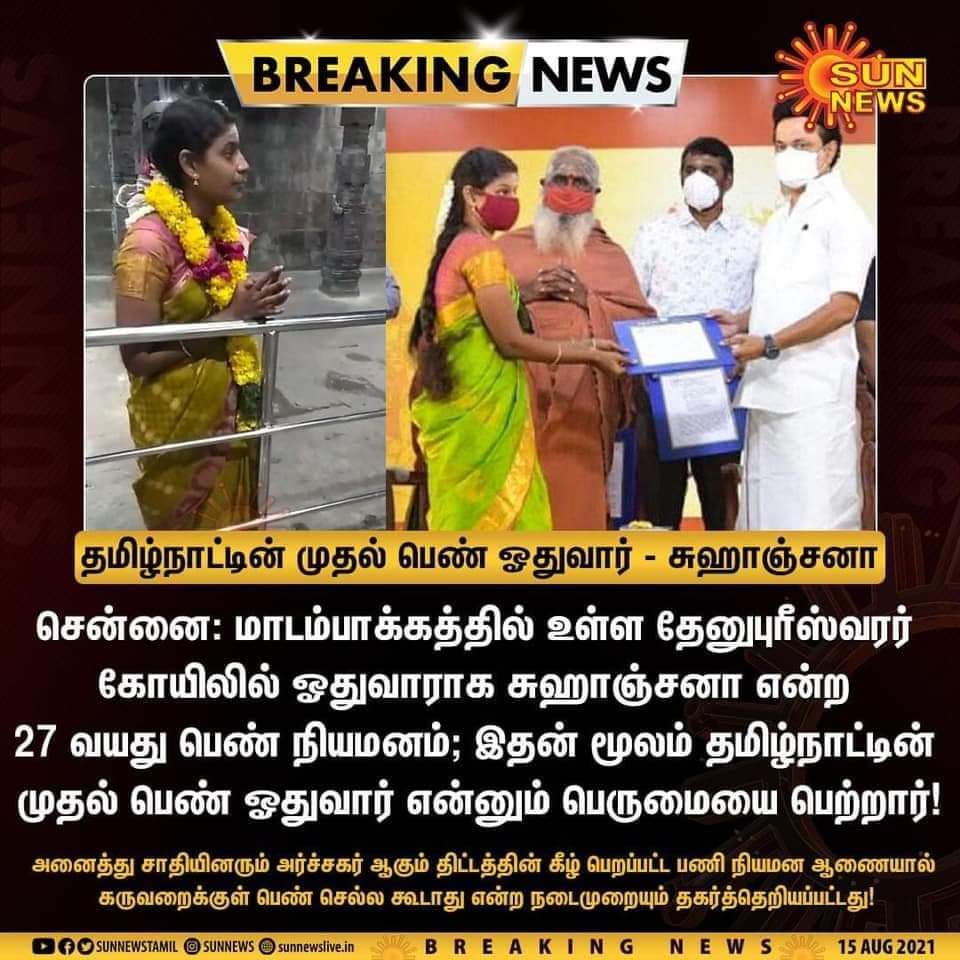
Forever an admirer of EVR who led the social reforms from the forefront in the state from during the times of Gandhi, today when channel surfing I came across the news that a woman Odhuvar has been appointed and a handful of OBC Archakas were also sworn in to serve as priests in the Agama temples, of course on graduating from Vedic schools.

Kudos to the government of Tamil Nadu. Normally I have reservation against Dravidian politics. But I also happen to strongly believe that a just and equitable society is the only way we can move forward. If we are to stop the nation from lapsing into civil war or chaos in future, it is imperative that we establish an order of social justice in the society in the present times.

I don’t watch tv news these days so i am not sure how much coverage this great leap to my state Tamils was reported in national media. Where credit is due, it has to be given. The southern states of India are faring well because, the political leaders from here (corrupt or otherwise) still stuck to their guns and pushed for social reforms that left leave ripple effect in the society.

The current move to introduce woman odhuvar and OBC archakas in our places of worship, can have potential to arrest conversions. If not for EVR, the entire SC/ST bunch could be converted lot today. By throwing open the temple doors and ushering them in, Periyar promised them equality and justice.

Those who work for or live in foreign countries must know: how we have to work double harder to prove that we are equally good or even better probably. Forever having lived my life in hostile territory, I can understand what it takes to arrive even at this point of a ‘test.’

May the woman odhuvar and the newly appointed OBC archakas prove their detractors wrong, with their meticulous service at the temples. This is just a beginning.

When Hindu women in India are free to divorce and marry twice, when we allow our sons to butcher and skin goats and buffalos for a livelihood at posh five star hotels and our daughters fly airplanes, we can stop short of nothing in future, when it comes to embracing all humanity as one. The Hindu hypocrisy tests our patience. Hindus cite the Mogul era for barbarity and bloodshed, but forget that the passive aggression that we had had put in practice was far more heinous. For generations some of us prospered stamping on the self-respect and dignity of a section of humanity.

To those who are since taking a shaking baby step forward, let us lend a helping hand to reach out and steady their course first.

Churchill gave Indian Union maximum five years life before we could collapse, when the British left India in 1947. Here we are today, 75 years and alive and kicking. May be the British would go bonkers but India will survive to eternity. Let us not make a similar mistake of underestimating fellow humanity. Underutilized/unearthed potential can work like a powerful fertilizer on fresh soil.

We have been wanting to free the Tamil Nadu temples’ administration from the government clutches for a while now, which is thoroughly justified in every sense. The state has no ethical or legal rights to spend the revenues from the Hindu places of worship on governance. At the same time, I can’t stop wondering whether such a temple reform as of today would have been made possible otherwise. After all, we needed a statute to open the temples to a section of humanity even in 1947. We needn’t have waited for law to enforce equal rights for one and all.
Posted in Books

Review: The Spirit Of Enquiry: Notes Of Dissent : T M Krishna

Recommendation: Buy this book, read this book!

In the spirit of the book ‘The spirit of enquiry’ by TM Krishna, I feel obliged to make the following enquiries with the author:

  • Since you are so brash and bold, and are such a hi-fi social activist, may I expect you to take up the matter of liberating the temple elephants held captive in Kerala please? Your communist friends and none less than CM Pinarayi Vijayan may come to your aid here. You may take up the issue right from your next concert in a Kerala temple be it Vadukkunatha temple in Thrissur or Sri Padmanabhaswamy temple in Thiruvananthapuram! Please start a campaign to this effect because it looks like a lost cause already. I am willing to make a decent contribution. I shall sponsor your team’s t shirts and logo expenses plus others. Only Aug 12 we observed the World Elephant Day bro. Observed, not celebrated, because what is there to celebrate. Our elephant population is dwindling at lightening speed that for next generation, we might be able to show elephant only in museum or biology book. And when the elephants go, they will take away with them the bees and the trees, do you know that Krishna.
  • Since you are against Guru Shishya Parampara and at the same time also against institutionalizing music with a set syllabus and university and text books, would you please research and educate us how to go about both imparting and learning Classical music to enthusiastic aspirants. Or more specifically Karnatic music.
  • Is there anyone preventing by legal means or by physical means the general janata from learning or mastering carnatic music or instrumental? You can name and shame the parties here for further action by concerned authorities!
  • Is there anyhing sacred to you at all? You don’t respect or probably recognize national anthem, notion of nationality… in short anything that is an arrangement or discipline or institution. How about the institution of marriage? Should this also be dismantled by mankind. Already it is being done just that in many parts of the world! Wait it is coming to India!
  • Answer this: How many islamic nations are there in the world? How many christian nations are there ? How many Hindu nations are there officially as of today.
  • From Jerusalem, what stopped you from meeting with the Yazidis on your way back to India??
  • Who told you World war II or the year 1947 is the defining line for everything. That we cannot change anything after that. When did Bangladesh come into being. How many temples got razed in Pakistan after 1947. How many temples got razed even in Malaysia. If you are to quote the constitution, let us make some amendments then.

Having said that, let me add some salient points from this fine book. Let me make it clear, i am just a housewife past my prime, and I am here only for timepass.

At the outset, I have to give the author a standing ovation, for the way he has thoughtfully constructed each and every sentence with such a depth, insight, meaning and essence to leave a lasting impact on the reader. Exceptionally articulate and versatile, I have never read such a profound writing in my life, especially coming from an Indian author. I must confess I am not much into non-fictions. Even so, I can vouch this is one very fine assessment of so many, many faculties of human brain and behaviour. I share many of the author’s abstract views that he has so artfully captured into precise words, phrasing them just exactly as I would have wanted them to be and working out unimaginable permutation of ideas and possibilities with that skillful penmanship of his. Proud that he is a fellow Chennaiite, a Thamizh, and a local Alwarpet Andavaa 😀 I really feel like adopting this fine young man as my kutti brother!

Now when I finally finish the book, i get his formula. He is like, proposing an idea, treats it to various interpretations pro and anti, discusses it thoroughly inside out with his self-confessed spirit of enquiry and then tries to deliver a balanced judgment. Or I must say, which side he thinks is heavily favoured. Judgment is one word anathema to this author! The author has paid attention to the voice of the dissent that we seldom get to hear in every single idea he discusses chapter after chapter. That treatment deserves respect and commendation. The spectrum of the debates is varied and priceless covering Karnatic to Kashmir.

I liked the way he discussed how and why Karnatic music came to be the classical and not the vintage folk or tribal for instance that also may have a matching antiquity. The same words that come to his mind when he thinks of classical Karnatic also keep coming to my mind: ancient, hoary, superior, intellectual, elevating, traditional, religious, complex, difficult, subtle, sophisticated. So that sets apart Karnatic from the rest. Like Kamal Hasan the author never gives a definite conclusion! I had to keep looking at TMK the way I was looking at the limping man fading away in ‘Anbe Sivam’ as the screens went down! Anyway, that was one brilliant way of thrashing a point and closing the chapter. Kudos!

I never so far distinguished between stage art (live rendering) and, the kind of art where the art object seems to be independent of its creator at the point when it is received (as in the case of an oil painting or cinema). Thanks for reminding us of this quintessential difference. This is the reason I have started reading TMK. He draws my attention to things I took for granted all this time that I forgot their existence. I do remember this point from his last book ‘Sebastian and sons’ when receivers of art (such as musical instrument Mrdangam for instance) have this disconnect with makers of the art. But is this not true of every profession. Do teachers and doctors and builders exercise proprietary rights over their produce. I am at loss to know why the author cannot make that professional distinction. That detachment or sense of separation for the creator from his object or art is necessary in some sectors (but not all). In this digital age when the stage concert can come to our living rooms, even Karnatic classical is being packaged an art that can be delivered like celluloid cinema. Covid has altered many equations. As TMK avers, this may be a step in evolution of Karnatic.

The author has a valid point on computer generated music that can do serious damage to the musical sense in humankind once and for all. In his words, “The composer today has become more of an arranger, a choice-maker, a compiler …. The composer in gaining technological mastery is losing musical relevance ” Which is kind of sad. I made up my mind never to enjoy the sax music or keyboard in future. Or even the steely sounding ear-piercing drums. This is very educative to layman like me although I had had an idea.

Hard-hitting truth: ” .. most of the time it is the item number that musically echoes the subaltern sound, further polarizing musical understandingIt is also true that the section of the population that will probably for certain have ‘Kolaveri’ on their list will never be asked their all time favourites.

On an entirely different tack now: Zero tolerance for plagiarism of traditional, native, ancient Karnatic music which is divinely Hindu by heritage. Let TMK not confuse appropriation of art with inspirations of art.

Loved the use of metaphors and simile comparing original Karnatic compositions with variations to the handblock handmade textile prints and dyes and weaves of India that come with a human error which is charming. On this, I have to agree with the author cent percent. Such a rich tapestry of choicest words and eloquence. Masterpiece. And cute!

In any society the dominant class determines authenticity, quality and standard.” The author simply drove home a brilliant point, point blank. The ensuing paras need a careful contemplation from the book.

…. Nada… is metaphysical…. . The idea of nada is not interpreted only as an abstract experience of transcending sounds, it is considered also a sound that unifies man with the paramatma.” Can’t put it in better words. A layman can make out what classical is all about or get clear picture about its components from this dissection on Karnatic.

So is Hindustani more refined than Karnatic. May be. It could be the difference between the sweetish bhasha Hindi and the tongue twister called Thamizh.

The technicality of the raga, kriya/laya/tala is fascinating to layman like me. Thanks for this explanation. I think the quality of my understanding of music can get better with this. Raga not to be bottled up in any one context representing a particular emotion? This is tough. Because I always associated Todi, Mukhari to despair and despondency and meloncholy thanks to our T Rajender !! But classical is definitely an emotion. No two opinions on that. The chapter on classical is too good even if its too technical.

Classical is abstract. I find this abstract thing always a curious thing that I can’t figure out. True of abstract form of art (oil on canvas) as well. Without deep thinking, I just imbibe the honeyed melody and move on. To me personally carnatic is…. peace? harmony? calming? soothing? balm? divine?

The author has laid specific emphasis on the state of the Isai Vellala community which gave the finest classical art forms of Bharat Natyam dance and Karnatic music to Thamizh Nadu, India. He does have a valid point here. I must say that from the community which is now engaged with economic emancipation via university education, we can expect a flowback into Karnatic as socially forward generations will have more time and resources to take up art once again among them. And this time, they shall command respect and attention.

The author’s take on the concert scene is also realistic. Let us hope things will change for the better in future.

The book is too technical in places and a bit rambling (!) but all is well that ends well! With TMK the prose is matchless and authentic and inspiring and motivating and even enquiring! He opens up avenues of my mind that hitherto remained closed to introspection. Intense and heavy, saturated with dense inside information, this print is a collection of previously published articles of the author in media, with or without edits.

I am leaving out the political discussions here AS WELL AS THE CONTROVERSIES as our author is known for his penchant for mischiefs. This post in winding! Many stalwarts will be reviewing this gem of a book of his. Still I thought I must also review it hahaha whether the author likes it or not!

I will close with this personal note to the author: Even the intention can go a long way when it comes to a good deed which may or may not materialize. To borrow from Paul Coelho, ‘when you want something , all the universe conspires in helping with you to achieve it!’ Best of luck, but do not forget the Indian wild elephant and the temple elephant.

*

Posted in Pictures Foreign

Commercializing Violence On Women In Soaps

I have done blog posts on physical violence on women and I have been harsh on Indian cinema for including scenes of sexual violence on women in their content.

Now I am watching Spanish soaps in Netflix in which I find the same scenario which is shocking. To tell the truth, the serials tell a good story. They are period pieces done with a very fine taste otherwise. A treat to watch really. I got to see ‘the Cook of Castamar’ and ‘ the Cathedral by the sea’ both of which were interesting, but still had violent scenes on women shot with nitty gritty details. Now I am watching ‘the High seas’ which also already has had a violent episode on women.

Until now I thought it was our Indian film industry that resorted to such cheap gimmicks to cash in on sensationalizing crime scenes. Looks like, this is international formula now. Disgusted. Even if the script warrantees, I guess the script writer and director can still work their way around such a distasteful scene and avoid it at all costs. It can’t be impossible for creative people to circumvent frames that can leave women fuming and cringing. No, you don’t even have to leave a hint. I wonder what these folks can gain from including gory scenes of violence on women in their productions.

There obviously is no censorship which must help? Assaulting women is one thing, trying to pass off crimes on women normalizing them with films, soaps etc., is another. It is almost as if this can be routine and may be acceptable. This is what the rape scenes in pictures did to the illiterate masses in India. Everyone out there seems to be for a quick buck. If we cannot help a cause, at least let us not try to deteriorate the situation. Women are still vulnerable whichever part of the world we may be, how much ever we may be accomplished. Casual inclusion of violence on women, sexual assault on women and physical abuse of women need to be done with in our flicks. No, this cannot be for public consumption.

Posted in Food For Soul

The Spiritual Honesty.

Someone told me Gurus would teach only the worthy ones (meaning upper caste) and not the ‘crooked ones’ meaning others. That really got me thinking. I felt a pity for the one who said this.

Because in one of the stories we read for a Vratha, there is something for exactly those like these:

Someone who refuses to teach and someone who refuses to feed people at home are reborn as a fruitless mango tree and a ‘malattu’ (barren) cow that does not breed. The mango tree does not flower and yield a single nectarlike mango fruit to make anyone happy and the cow cannot be milked. Both attain despair in frustration that is unspeakable and live a life of uselessness in their next janam that shatters their heart. Karma is unique and different. If this story cannot pass on a message to anyone, what can. Well this is how Sanatana Dharma deals with the sin of holding back knowledge you ought to share with everyone. This gem always is my favourite even if it may be a myth.

Of course we don’t have to dive deep into the Dharmic ocean to find a solution to everything.

‘Annaparavaiyai pola’ – the mythical swan that could separate milk from water for consumption, that is how we must mold ourselves. We must imbibe what is best for us and discard what is junk.

All the scriptures and academic degrees cannot bring in realization to some which is sad. The hypocrisy of sticking to discrimination arguing in favour of social injustice is appalling. Much more disturbing is the tendency to underestimate others. This kind of mindset is already breeding mediocrity all around us. Some of us can take insults in our stride and move on. If we are going to talk back to every barking dog, we cannot reach our destination. Some of us have not come this far in life if we are to be perturbed by every single barb that is thrown at us.

Some of us have faced racial slurs at work, discriminations and favoritisms valiantly in life and survived. We have lived the toughest way not relying for support on softening cushions.

As for me, I have always lived life in hostile territory with no fallback option. I think that has made me strong, and into whatever confused mass that I am. At least I am clear on some basics.

Mostly I have observed that, in life, it is those who have never stepped out of their comfort zones who judge people. If you live as minority in an alien terrain even for a short while, you will know you don’t matter, and none of that you think important may actually be relevant. Nothing about you could make sense and you are but a tiny atom in this universe, so insignificant and unnoticeable.

I am now convinced of why and how India remains stagnant. Lacking empathy and neutrality and sense of justice can never bring in progress. You suppress potential talent pool. How do you know without even giving a chance for 2-3 generations to prosper, for those who are not even having their first time graduates in their families. Had the Americans thought so, an Obama would not have been there. That is the mark of a literate, mature, truly democratic society. Whereas in India, the privileged kids going to posh schools want to vie for reservations on par with Panchayat school kids who walk to taluk schools on bare foot for kilometers.

I am glad I do not come from a family that attaches itself to a cultivated Guru. I am happy for my freethinking ways. After reading Narayaneeyam and Lalitha Sahasranamam and having your kids work as chefs butchering and skinning sheep and cow and tasting liquor for serving in five star hotels, you still think that Maths must teach only the privileged by caste, then I have no sympathy for anti-conversion lobbies. Wherever dignity is promised, masses move over to there.

But the mango tree and cow story is on my mind now for over 24 hours. It is almost time for the Vratha. Unlike other girls I did not have my parents tell me what to read or how to treat people. I have my Devi guiding my every step. To Her face let the casteists have the honesty and courage to declare how Gurus will not teach the lesser privileged (by virtue of birth) in Hindu Dharma. And how everyone IS and MUST and HAVE TO BE different. And that only they are the best.

Or probably the seers are right. Which is why they have not come up with a successor for Kanchi Mutt until now.

Posted in Interests

Golden India

Indian medallists in Tokyo Olymipics 2021

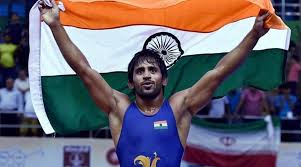
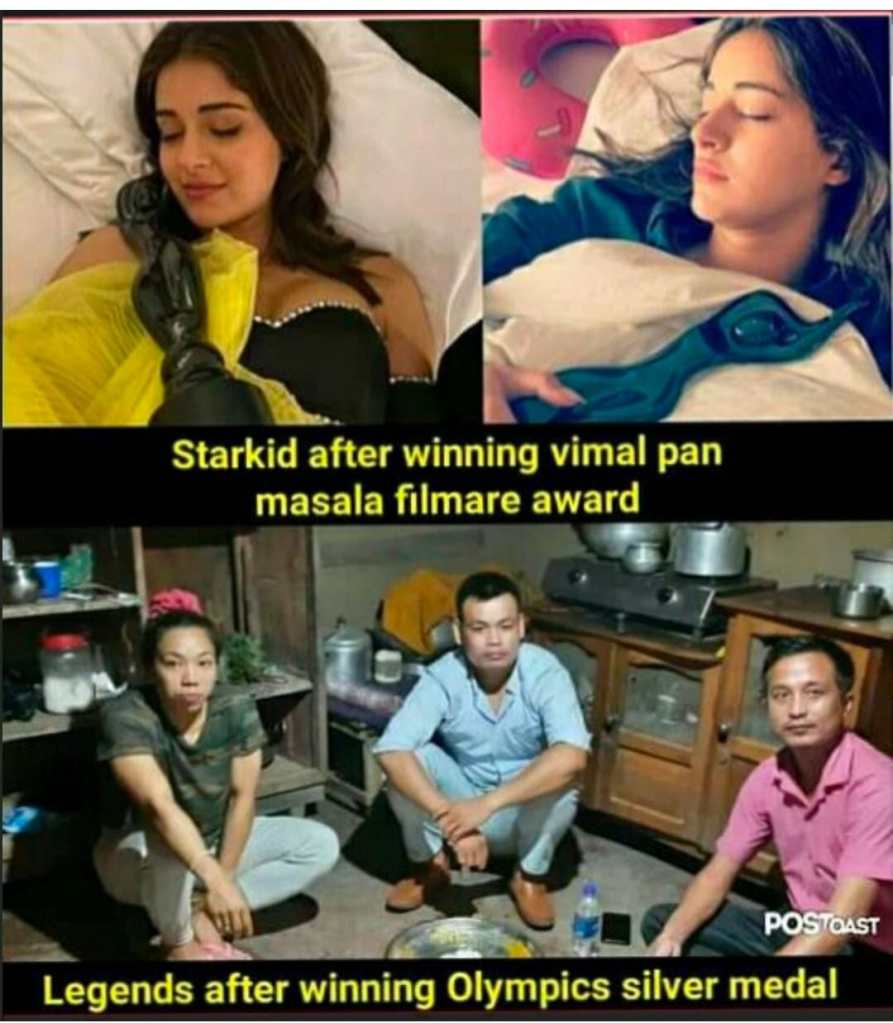
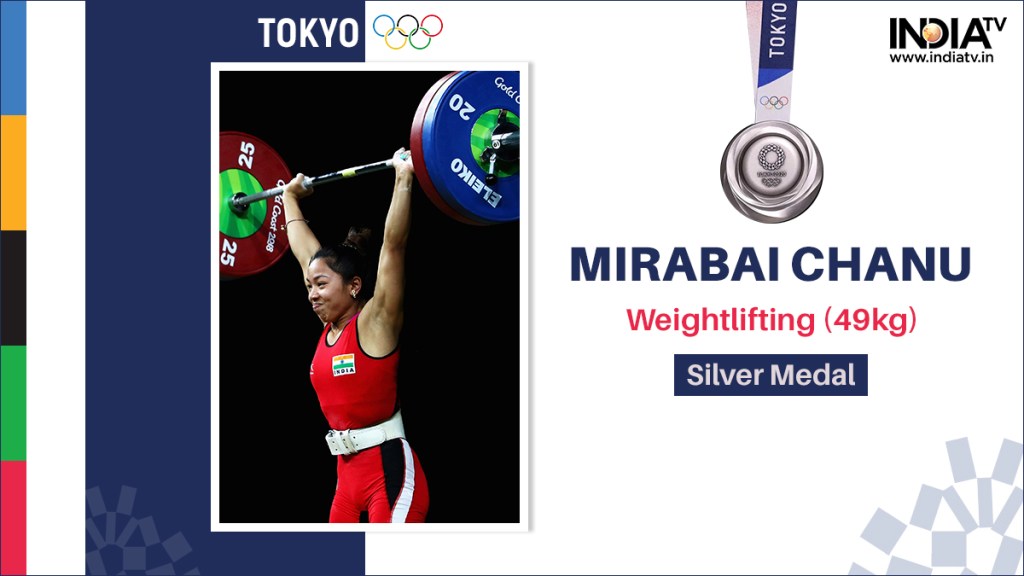
  1. Mirabai Chanu Silver Medal in Weight Lifting (Women’s 49kg)
  2. Indian Hockey Team Bronze Medal in Men’s Hockey tournament
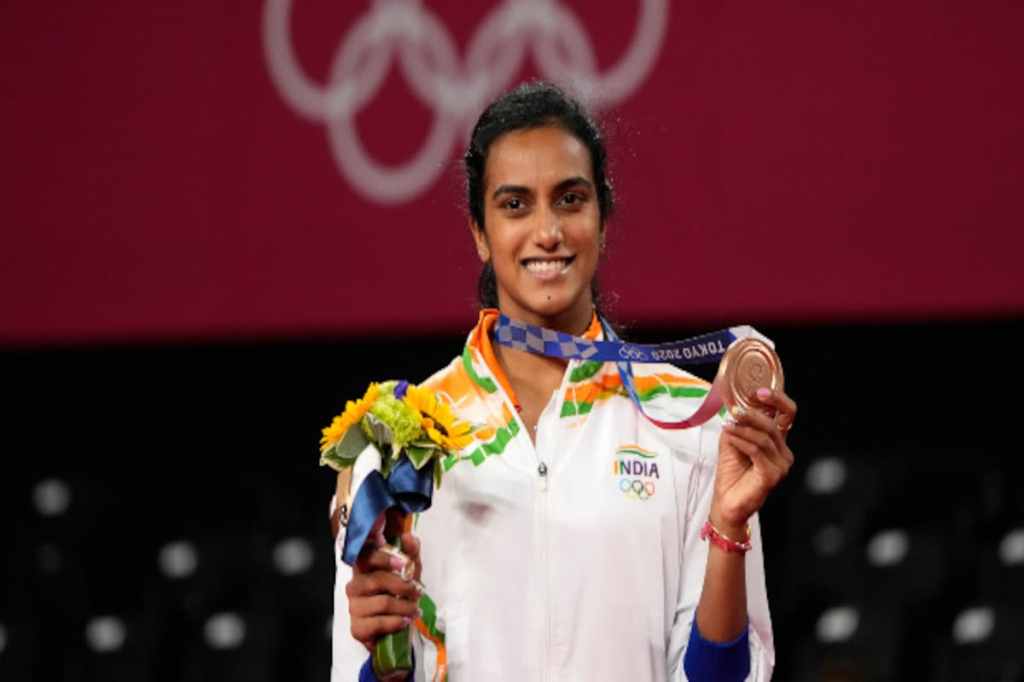
  3. PV Sindhu Bronze Medal in Women’s Single Badminton
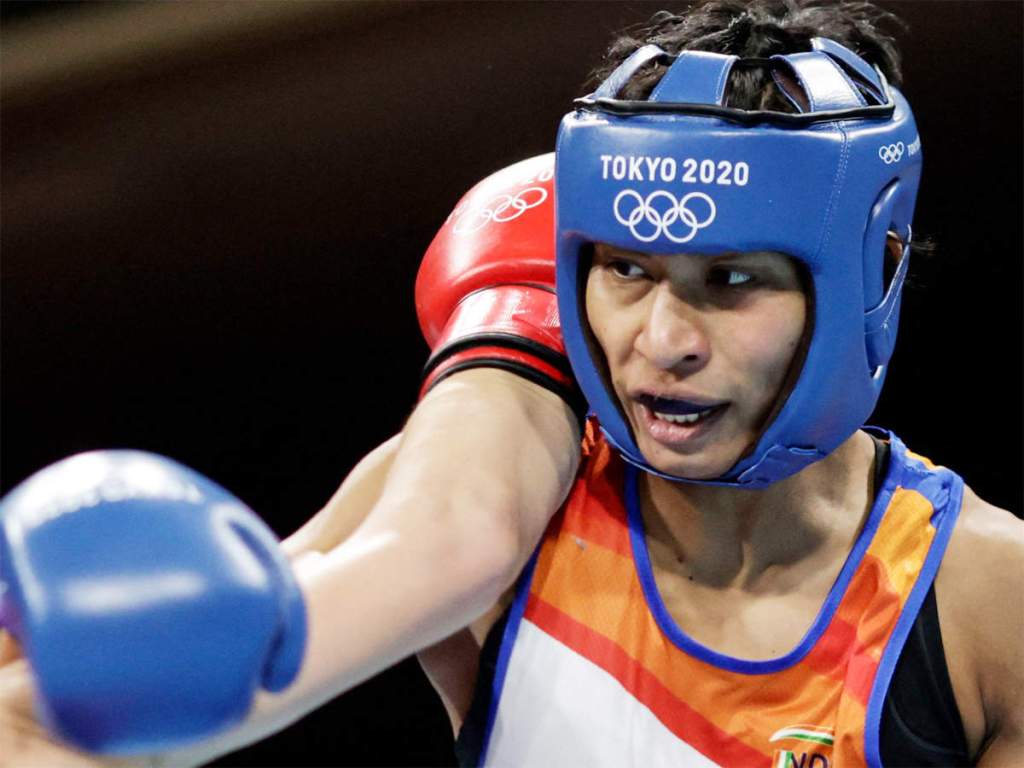
  4. Lovlina Borgohain Bronze Medal in Women’s Welterweight Boxing
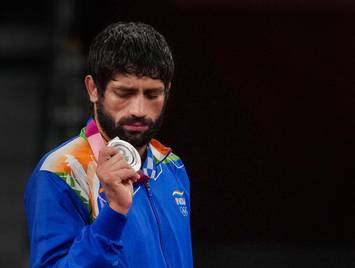
  5. Ravi Kumar Dahiya Silver Medal in Men’s 57 kg Wrestling
  6. Bajrang Punia Bronze Medal in Men’s Freestyle 65kg
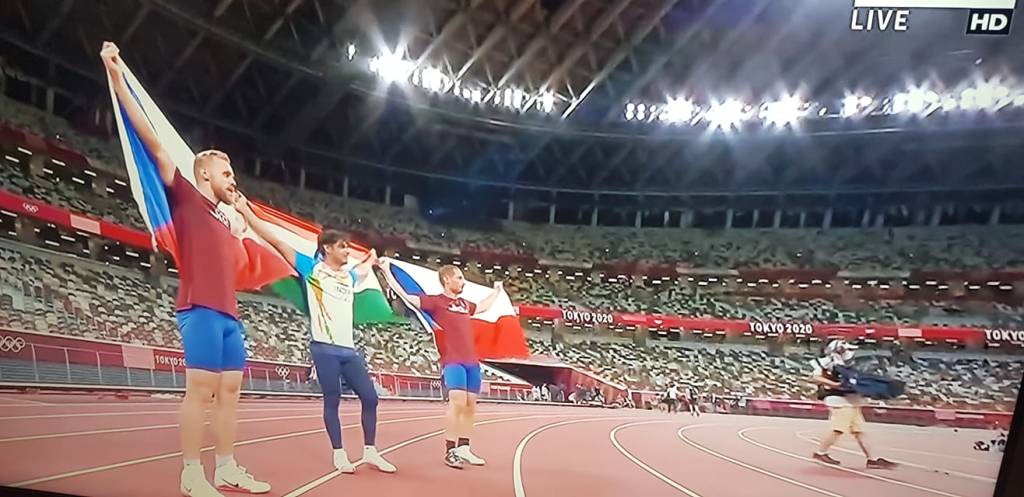
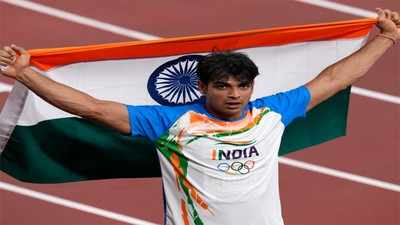
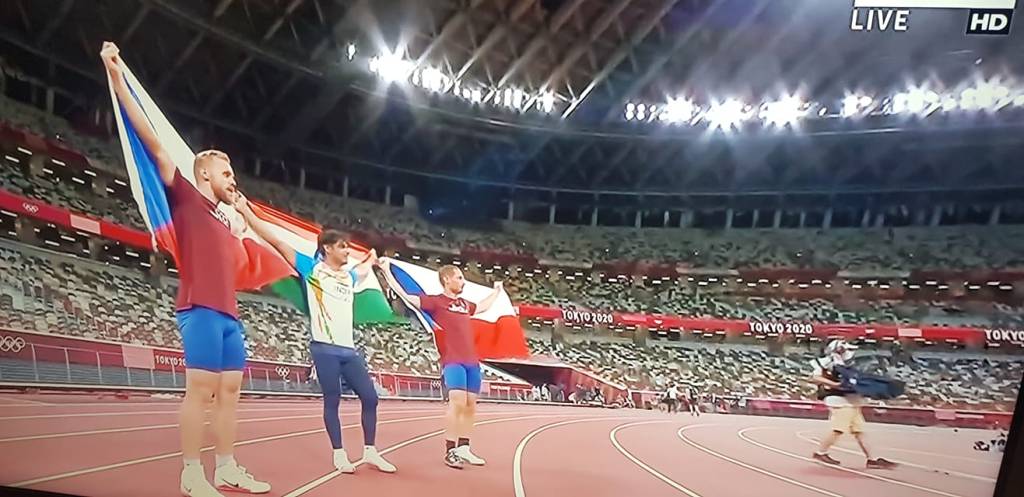
  7. Neeraj Chopra Gold Medal in Men’s Javelin Throw: 87.58 (First Gold Medalist from India in Olympics 2021)

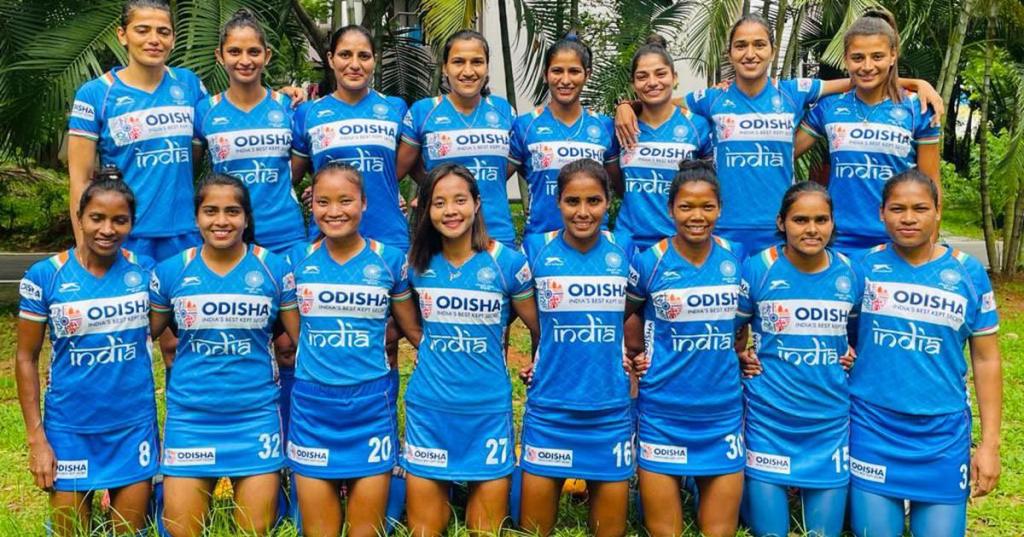
India has won a single gold, 2 silvers and 4 bronzes in Tokyo Olympics 2021. But only if you are born and raised in India will you ever realize what a Himalayan feet even this is. Our poor stamina by genetics is main reason thanks to our food habits, for our below par sporting capabilities. Our make is small! Just look at the Czechs who won the bronze and silver in the Javelin throw. Look at the gold medalist Neeraj Chopra from India. Look at our Hockey girls. When they lost the bronze, I could see their physique despite rigorous training and practice and most definitely improvised dietary plans compared to their opponents. I don’t suppose strategy alone can do wonders. You need physical inputs more in the sporting arena. Even a voracious meat eating Indian cannot match the stamina of the sportspeople from other parts of the world whose daily dietary food habit may include red meat. Indians do not eat red meat by culture right from birth. Coaches may introduce meat and high calorie food at a later stage during training still, the very basic nutritious food is denied for aspiring Indian sportsmen and women hailing from rural India from a very young age. This works to our disadvantage in the long run. Looking at our women’s hockey, I felt bad for them. But they have come this far. Next time, there won’t be any stopping them.

Secondly the poverty of the country is well known. Most Olympic aspirants in India do not even own a good pair of shoes. Nor do they get to eat two square meals a day. They lack family support hailing from rural backgrounds mostly with parents for daily wage earners. For training, they have to walk by foot miles. They don’t have access to technology or food supplement or decent sports gear or good coaching or physical training. Very poor funding. No logistics to support them for their travel needs. Other countries subsidize their teams but in India, this just is not possible. All commercial sponsors in India eye the cricket teams, never those who play for India in Olympics or Asian games.

Nations import or buy out athletes and sports persons and teams and sports clubs to add golds and trophies to their kitties. India does not. Every single Indian sports player is born and brought up in India under extraordinary circumstances. On the contrary, Indian hockey players have played for Malaysia in the past.

*Inspiring story of Rani Rampal, Capt Indian Women’s HockeyTeam👏*: “I wanted an escape from my life; from the electricity shortages, to the mosquitoes buzzing in our ear when we slept, from barely having two square meals to seeing our home getting flooded when it rained. My parents tried their best, but there was only so much they could do–Papa was a cart puller and Maa worked as a maid.There was a hockey academy near my home, so I’d spend hours watching players practice–I really wanted to play. Papa would earn Rs.80 a day and couldn’t afford to buy me a stick. Everyday, I’d ask the coach to teach me too. He’d reject me because I was malnourished. He’d say, ‘You aren’t strong enough to pull through a practice session.’ So, I found a broken hockey stick on the field and began practicing with that– I didn’t have training clothes, so I was running around in a salwar kameez. But I was determined to prove myself. I begged the coach for a chance– maine bahut mushkil se convince kiya unko finally!But when I told my family, they said, ‘Ladkiya ghar ka kaam hi karti hai,’ and ‘Hum tumhe skirt pehen kar khelne nahi denge.’ I’d plead with them saying, ‘Please mujhe jaane do. If I fail, I’ll do whatever you want.’ My family reluctantly gave in. Training would start early in the morning. We didn’t even have a clock, so mom would stay up and look at the sky to check if it was the right time to wake me. At the academy, it was mandatory for each player to bring 500 ml of milk. My family could only afford milk worth 200 ml; without telling anyone, I’d mix the milk with water and drink it because I wanted to play.My coach supported me through thick and thin; he’d buy me hockey kits and shoes. He even allowed me to live with his family and took care of my dietary needs. I’d train hard and wouldn’t miss a single day of practice. I remember earning my first salary; I won Rs.500 after winning a tournament and gave the money to Papa. He hadn’t ever held so much money in his hands before. I promised my family, ‘One day, we’re going to have our own home’; I did everything in my power to work towards that.After representing my state and playing in several championships, I finally got a national call up at the age of 15! Still, my relatives would only ask me when I was planning on getting married. But Papa told me, ‘Play until your heart’s content.’ With my family’s support, I focused on doing my best for India and eventually, I became captain of the Indian hockey team! Soon after, while I was at home, a friend papa used to work with visited us. He brought along his granddaughter and told me, ‘She’s inspired by you and wants to become a hockey player!’ I was so happy; I just started crying.And then in 2017, I finally fulfilled the promise I made to my family and bought them a home. We cried together and held each other tightly! And I’m not done yet; this year, I’m determined to repay them and Coach with something they’ve always dreamed of– a gold medal from Tokyo.”A story behind do many athletes…we often wonder why we don’t win medals in Olympics … I am proud that they made it to Olympics despite the adversity… this is today’s India… aspirational, confident and will to fight adversity and excel… hats off to them…hope they get the encouragement and support for the future too….🙏🏽

The rest of the stories are here:

Hearing the Indian national anthem play gives you goosebumps! Grateful for these medal winners from the Tokyo Olympics who have done the nation proud. Those who have no medal to show – it is still fine. You have had the honour of representing this 1.3 billion nation which is something. I did expect a gold from PV Sindhu but we have to remember that she is also ageing. Still fine Sindhu, I didn’t mean like complaining. Absolutely no regrets. Indebted to these ambassadors of peace from India who showed us, yes we still can. With all our misgivings and self-doubts and weaknesses and vulnerabilities and negatives and lacking any and every sophisticated sporting equipment/first class training/physical fitness/red meat on our plate, we Indians still can!

Jai Hind! Thank you brothers and sisters for instilling valuable self-confidence and slef-esteem in young Indians who need to believe in themselves first. Every barrier between you to victory is there to be broken.

Posted in Political

Hindu Temple Vandalized/Destroyed In Pakistan. Dear bhais, why can’t you speak up now?

Hindu temple vandalized and destroyed just day before yesterday in Pakistan. No national news coverage.

No coverage in NDTV BBC (known for their anti-Hindu stance) (PM Modi kick BBC out of India NOW). NO coverage in Middle East.

No word from our Indian minorities. Indian muslims MUM on this strangely. Why should they open their mouth anyway. Did they ever condemn terrorism openly? Never. This silence of theirs is sickening! How many Pakis condemned the attack. Will the guilty be punished.

Shame on you playboy Imran Khan! Even your children seem to be oozing with hatred and venom.

Not even Modi’s India is giving a thought to the plight of Pak hindus. They seem to have been left to their worst fates.

No substantial news coverage in Pak. Especially Paki journalists have been maintaining a stoic silence. . The cowards could not even bring themselves to name the victims. Stopping short of mentioning the word ‘Hindu’ they clung to their ‘minority’ summation as usual. Not surprising coming from the hypocrites who reduce Hindustani music to Eastern music claiming and usurping the Hindu music for their religious purposes at the same time.

Our Indian leftist-communist secular BROTHERS suffering from worst bout of selective amnesia from yesterday. They will recover when there is anti-Hindu news to post from India shortly.

Imagine such a thing happening to ‘their’ place of worship in Hindu majority India. Nothing short of bombs will be following up in market places and railway stations.

So heartbreaking to see this video. When I see the sacrilege of the Murthis I am reminded of this adage in Thamizh, ‘Manidhan andru kollum, deivam nindru kollum.’ It means, man avenges the same day but God waits for the right time.

Sad and traumatized Hindu community of Pakistan: God save these peaceful and the only decent people of the terrorist nation. Living in fear 365 days an year, waiting for their daughters to be kidnapped, raped and converted, what these Paki Hindus are going through is something the whole world must pay attention to. It is time India absorbs them all.